


Filter
ctg
Catégorie
Débit
Recovery rate
Nombre de membranes
Quantité de résine
Capacité volumique
Raccordement
Vanne de commande
Filter by use
Application
Categories
Certification
Configuration
Duration
Fonctions intelligentes
Minéraux ajoutés
Compatible with
Capacité de la membrane
Element type
Filter lineup
Média filtrant
Filter type
Flushing
For filter types
Mineralization level
Nombre de salles de bains
Pressure tank
Eau pure/rejet
Replaceable type
Contaminants éliminés
Taille du réservoir sous pression
Volume of pressure tank
Water type
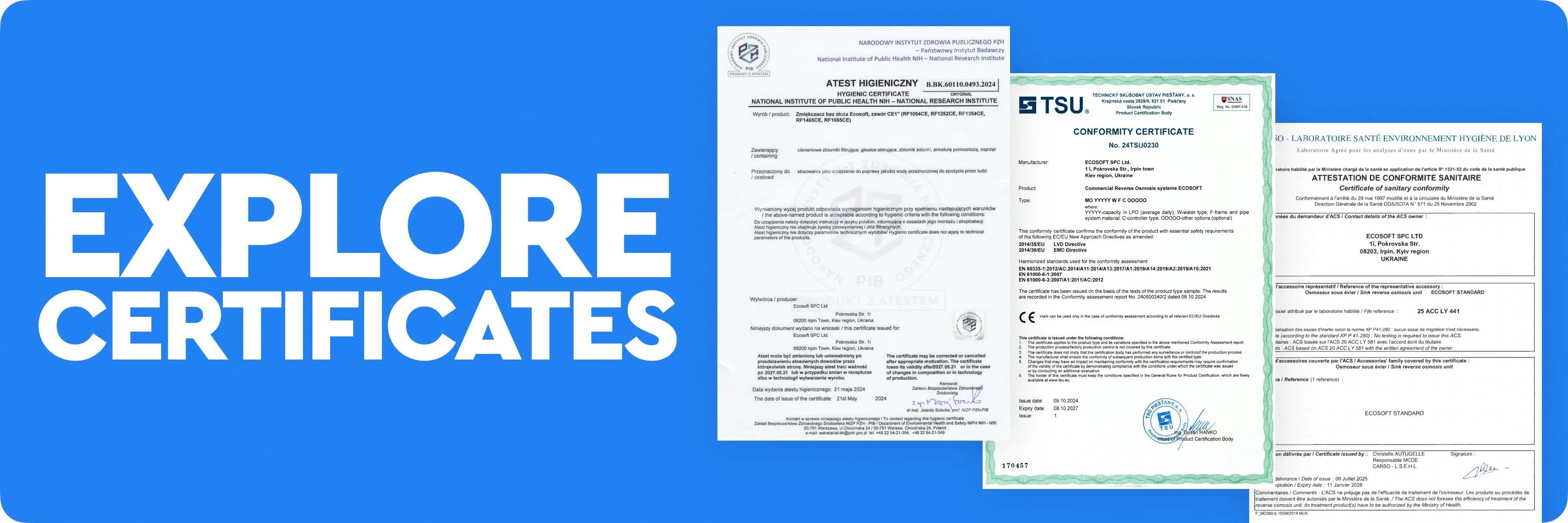
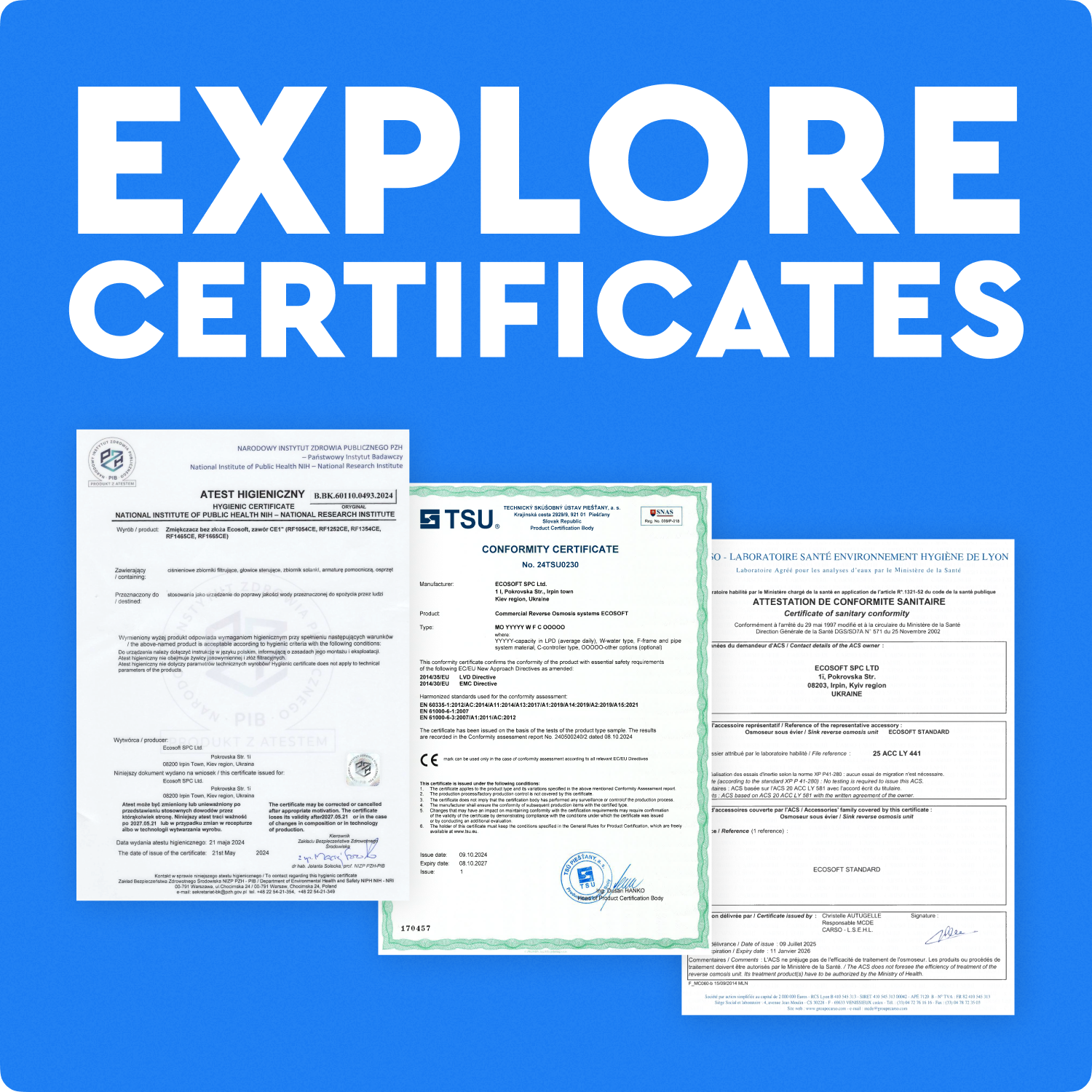
Outils numériques et certifications associés





€ 594.92
hors TVA
€ 995.00
TTC
- 28%
€
713.90
TTC


€ 640.75
hors TVA
€ 1,120.00
TTC
- 31%
€
768.90
TTC


€ 704.92
hors TVA
€ 1,235.00
TTC
- 32%
€
845.90
TTC


€ 393.33
hors TVA
€ 629.00
TTC
- 25%
€
472.00
TTC
- -25%
Prêt à expédier
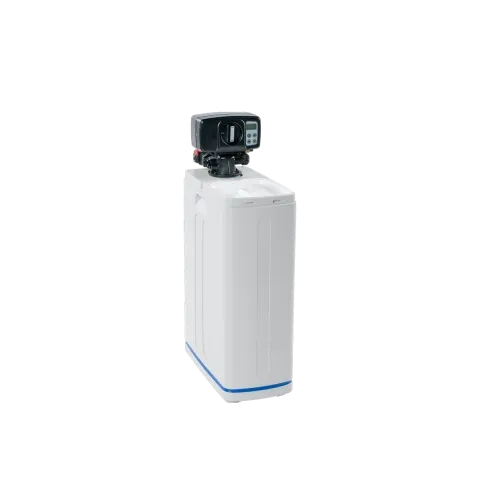


AQBM-R2D2-48-H
- 1.7 m³/h
- Pour 4 personnes
€ 480.83
hors TVA
€ 769.00
TTC
- 25%
€
577.00
TTC
- -25%
Prêt à expédier


AQBM-R2D2-72-H
- 2.1 m³/h
- Pour 6 personnes
€ 518.33
hors TVA
€ 829.00
TTC
- 25%
€
622.00
TTC
Prêt à expédier


FU1235CABGDV
- 2.5 m³/h
- Pour 12 personnes
€ 1,432.50
hors TVA
€
1,719.00
TTC
- Nouveau
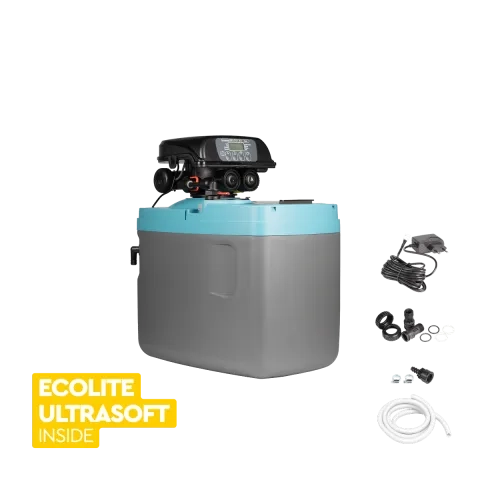


FU1013CABDVAS
- 2.5 m³/h
- Pour 4 personnes
€ 1,124.17
hors TVA
€
1,349.00
TTC


€ 1,490.83
hors TVA
€
1,789.00
TTC


€ 1,715.83
hors TVA
€
2,059.00
TTC


€ 999.17
hors TVA
€
1,199.00
TTC


€ 1,082.50
hors TVA
€
1,299.00
TTC


€ 1,249.17
hors TVA
€
1,499.00
TTC


€ 1,299.17
hors TVA
€
1,559.00
TTC

€ 1,236.67
hors TVA
€
1,484.00
TTC


€ 1,236.67
hors TVA
€
1,484.00
TTC


€ 1,190.83
hors TVA
€
1,429.00
TTC


€ 1,299.17
hors TVA
€
1,559.00
TTC
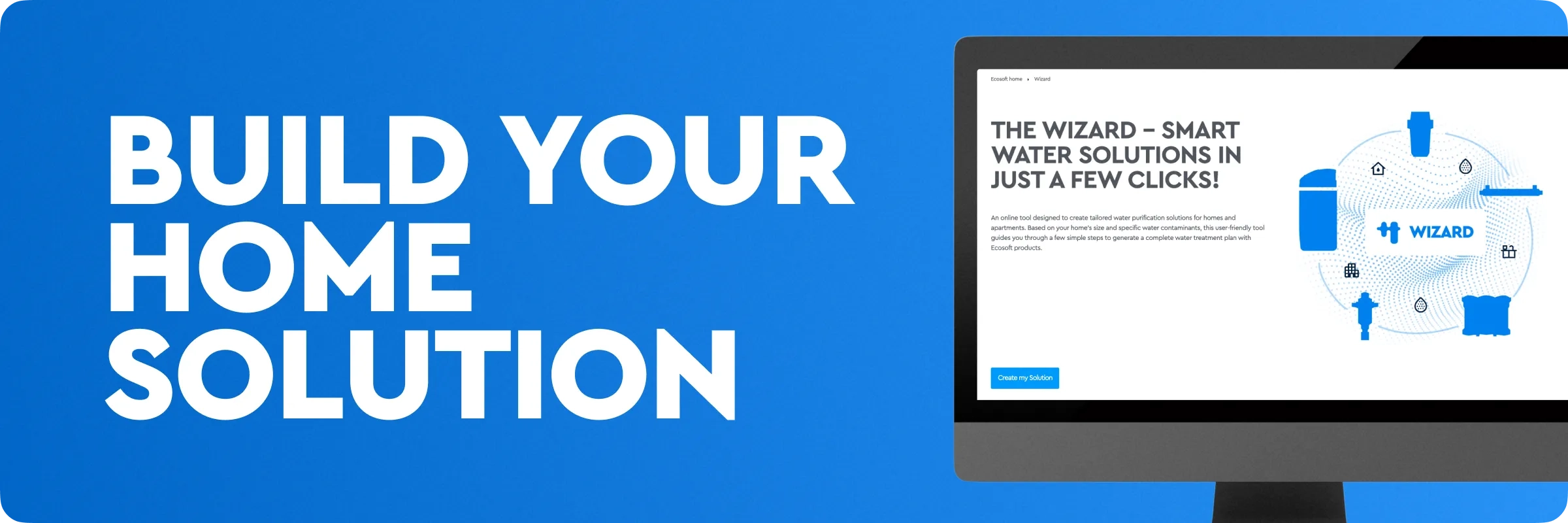
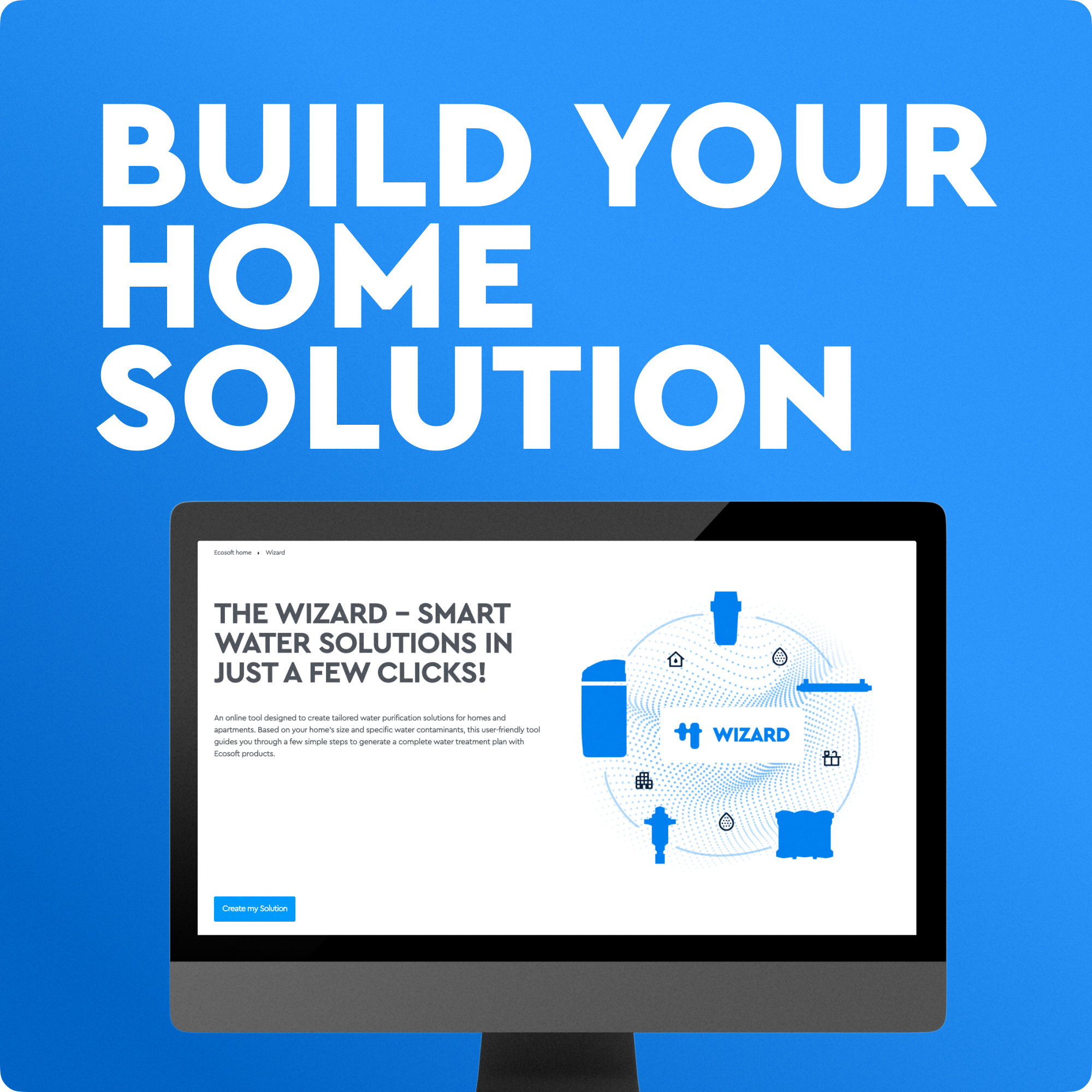
Outils numériques Ecosoft pour tous vos besoins en traitement de l’eau
Trouvez des informations sur les produits, configurez votre installation, effectuez vos calculs et obtenez de l’aide chaque fois que vous en avez besoin.

Vous pourriez également avoir besoin de
-
€ 17.50 hors TVA€ 21.00 TTC
-
€ 129.50 hors TVA€ 155.50 TTC
-
€ 102.50 hors TVA€ 123.00 TTC
-
€ 279.17 hors TVA€ 335.00 TTC


-
Adoucisseurs d’eau domestiques
-
Hard Water in Daily Life: Why Limescale is Annoying in the Household
-
When Does Softening Really Make Sense?
-
How Does a Household Water Softener Work?
-
How to Choose a Water Softening System for a House?
-
Benefits of Buying Ecosoft Water Softening Systems for Single-Family Homes
FAQ
-
Adoucisseurs d’eau domestiques
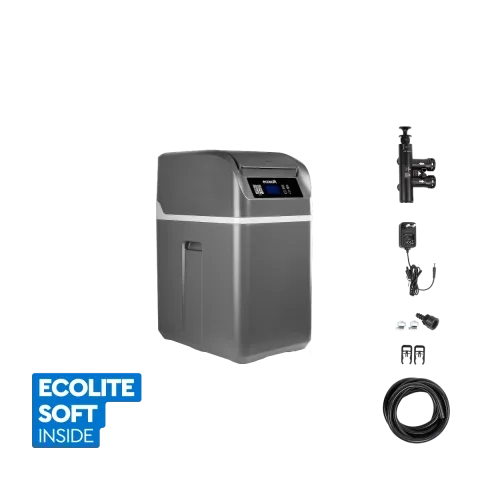
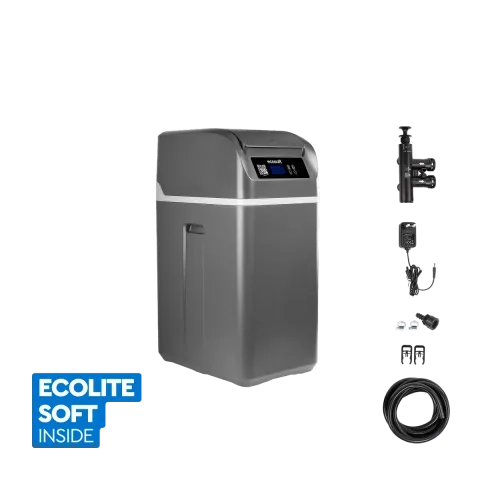
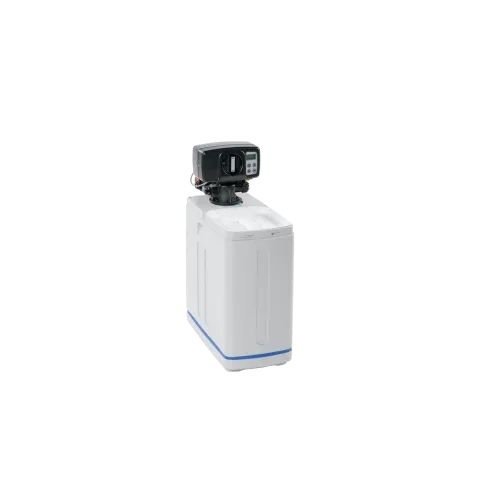
A domestic water softening system is an efficient solution to protect kitchen appliances and home plumbing from scale formation and extend their service life. It is widely used in private households with a hard water supply. In the Ecosoft online shop, you can buy a compact, reliable unit at a reasonable price or get a tailored offer. If you want to know how much customised units cost, you should contact us. Alternatively, we recommend a wide range of traditional osmosis filters, which include a softener cartridge.
Hard Water in Daily Life: Why Limescale is Annoying in the Household
To keep your house limescale-free, you should use soft water. Limescale is a chalky formation that appears on everything that comes into contact with water rich in calcium carbonate. It covers sanitary items, showerheads, and sinks in the bathroom, clogs pipes, and builds up in washing machines, kettles, and other appliances. It decreases performance and causes premature wearing or sudden breakdown of the equipment. You can wipe surfaces every time water appears on them and add limescale removers to everything that contains hard water, but it is much easier and more cost-efficient to remove the reason instead of dealing with the effects.
When Does Softening Really Make Sense?
Water softening makes sense in most cases. But it is of particular importance when the water is extremely hard. Minerals in it stick to everything the water contacts, including hair and skin, which causes dryness, irritation, and dermatitis. People suffering from kidney issues may exceed the normal calcium range when using such drinking water for cooking meals, which is not acceptable with their health conditions. The clothes and fabrics washed with such water become rough. All the above consequences related to appliances are added. Thus, if water hardness (concentrations of dissolved calcium mostly) exceeds 7–10 GPG (or 121 mg/l), it is recommended to take measures and buy a descaling system.
How Does a Household Water Softener Work?
An operating principle of a water softener is based on the ion-exchange method, which involves the use of salt (ion exchange resin). The key components of the basic construction include a resin tank with negatively charged resin beads, a control valve, drain hoses, and fittings.
Tap hard water enters the resin tank, flows through the beads, and releases the positively charged calcium and manganese ions that are attracted by the media. Thus, the treated water becomes softer. There is no need for a pre-filter. Maintenance includes regular refills with fresh media.
How to Choose a Water Softening System for a House?
We offer small units with a volume capacity of about 1.4–2.4 m³, designed for a single-family home and models with large tanks containing up to 37 litres of resin. The latter provides extended autonomy and runs in a large apartment with lots of users (with up to 12 people) without interference for months. Aside from the capacity, when choosing a water softening system, you should consider the following:
- Flow rate. It varies from 1.0 m³/h to 3.5 m³/h.
- Control valve. This is the brain of the system. We offer Ecosoft DV, Clack® CE, BNT1650, and F105B. Some are more cost-effective. Others are more durable and easier to maintain.
- Design of a cabinet. It should be made of a durable material and have a compact size matching specific conditions.
- Setting options. It is more convenient to use an adjustable unit.
- Energy consumption. Energy-efficient softeners are preferable.
In our catalogue, there are space-saving systems with smart solutions. They can be installed under a sink, in a boiler room, or in basements.
Benefits of Buying Ecosoft Water Softening Systems for Single-Family Homes
We manufacture highly efficient water softeners that can be used as a well water softener or to treat the water from a tap at home. There are also softeners for other applications. Every unit comes with a certificate that proves its high quality and safety. If you need deep water purification, you should consider reverse osmosis filters. It is easy to place an online order on our website and pay for it, choosing one of the available payment options. We quickly process it and arrange a fast delivery.
FAQ
-
Combien coûte un adoucisseur d’eau pour une maison individuelle ?
Un adoucisseur d’eau pour une maison individuelle accueillant jusqu’à 4 personnes peut coûter environ 1 484,00 €, TTC. Le prix varie en fonction des caractéristiques du modèle.
-
Un adoucisseur d’eau pour une maison individuelle en vaut-il la peine ?
Un adoucisseur d’eau pour une maison individuelle en vaut la peine, car il adoucit l’eau en réduisant les teneurs en calcium et en magnésium, ce qui permet d’obtenir des plats savoureux, de prolonger la durée de vie des appareils électroménagers et de garantir une hygiène optimale.
-
Un système d’adoucissement de l’eau peut-il modifier le goût de l’eau potable ?
Oui, un adoucisseur d’eau du robinet ou de puits modifie le goût de l’eau potable, la rendant plus douce, mais il n’élimine pas le chlore ni les composés organiques. Pour redonner un goût frais à une eau très contaminée, il vaut mieux opter pour des filtres à osmose inverse.
-
Un adoucisseur d'eau domestique protège-t-il également les chaudières, les pompes à chaleur et les chauffe-eau instantanés ?
Si vous installez un adoucisseur d'eau domestique au point d'entrée (la conduite d'eau principale), il adoucira l'eau dure avant qu'elle n'alimente les chaudières, les pompes à chaleur et les chauffe-eau instantanés, et protégera ces équipements contre le tartre.
-
Qu’est-ce qu’un adoucisseur d’eau résidentiel ?
Un adoucisseur d’eau résidentiel est un appareil destiné à l’ensemble de la maison et conçu pour les ménages.
-
Quels sont les avantages d’un adoucisseur d’eau résidentiel ?
Les avantages d’un adoucisseur d’eau résidentiel comprennent la prévention des dépôts de tartre, l’amélioration du goût des aliments et des boissons, ainsi qu’une plus grande efficacité des soins personnels grâce à une meilleure formation de mousse de savon.
-
Un adoucisseur d’eau réduit-il le tartre ?
Un adoucisseur d’eau de haute qualité réduit considérablement le tartre.
-
Quelle capacité d’adoucisseur d’eau est nécessaire pour une famille ?
La capacité d’un adoucisseur dépend du nombre de membres de la famille. Par exemple, pour 8 personnes, il doit traiter 2,0 m³ d’eau par heure ; pour 12 personnes, 2,5 m³. En revanche, pour une famille de 3 personnes, un débit de 1,2 m³ suffit.
-
Combien coûte un adoucisseur d'eau domestique ?
Le prix dépend fortement de la capacité et des options du modèle. Il peut varier entre 472,00 € et 2 059,00 €, TTC.