


Filter
ctg
Kategoria
Wydajność
Szybkość odzyskiwania
Liczba membran
Ilość złoża
Wydajność objętościowa
Przyłącze
Zawór sterujący
Filter by use
Zastosowanie
Categories
Certyfikacja
Konfiguracja
Duration
Funkcje smart
Dodane minerały
Compatible with
Wydajność membrany
Element type
Filter lineup
Złoże filtracyjne
Filter type
Flushing
For filter types
Mineralization level
Liczba łazienek
Pressure tank
Czysta/odpływ
Replaceable type
Usuwane zanieczyszczenia
Rozmiar zbiornika ciśnieniowego
Volume of pressure tank
Water type




zł 399.53
bez VAT
zł
256.27
z VAT

zł 561.54
bez VAT
zł
361.50
z VAT

zł 151.33
bez VAT
zł
97.55
z VAT

zł 320.24
bez VAT
zł
206.70
z VAT

zł 203.04
bez VAT
zł
129.65
z VAT
-
Why UV Sterilization?
-
Ideal Applications for UV Water Disinfection
-
How UV Disinfection Works
-
Does UV light really kill bacteria and viruses?
-
Is UV sterilization safe for drinking water?
-
Do I still need a filter?
-
How often should I replace the UV lamp?
-
What happens if the power goes out?
-
Are UV systems hard to install or maintain?
-
Why UV Sterilization?
Ultraviolet (UV-C) light with a wavelength of 254 nm penetrates microorganisms and destroys their DNA, rendering them inactive and non-replicable. It is a fast, safe, and maintenance-light solution that treats your water in real-time – without altering its chemical composition.
Advantages at a glance:
✓ Up to 99.99% elimination of bacteria, viruses & parasites
✓ No use of chemicals or by-products (like chlorine or ozone)
✓ Neutral taste and odor – natural water preserved
✓ Ideal for drinking water, wells, rainwater, and cisterns
✓ Minimal maintenance, energy-efficient operation
Ideal Applications for UV Water Disinfection
Our UV sterilizers are available in various sizes and flow rates for:
• Private homes (kitchen, whole-house treatment)
• Commercial kitchens & food service
• Well water treatment
• Hospitals, laboratories & clinics
• Agriculture & livestock watering systems
• Industrial and pharmaceutical processes
They are also excellent in combination with reverse osmosis or carbon filtration to achieve complete water purification.
How UV Disinfection Works
1. Pre-filtration removes particles that could shield microorganisms from UV light.
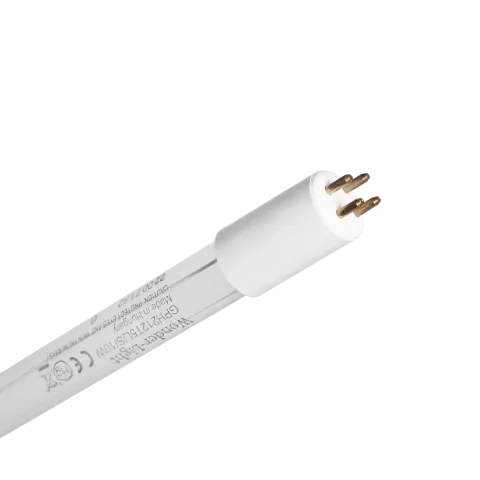
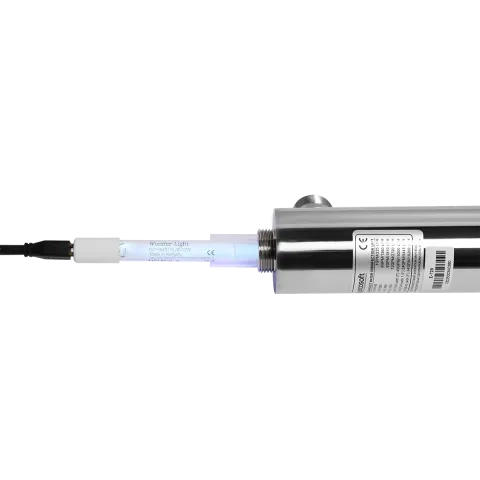
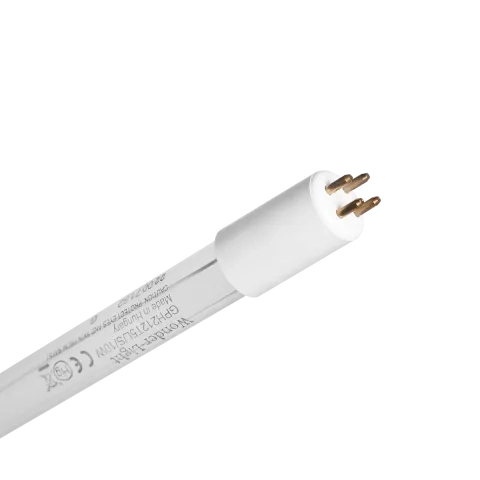
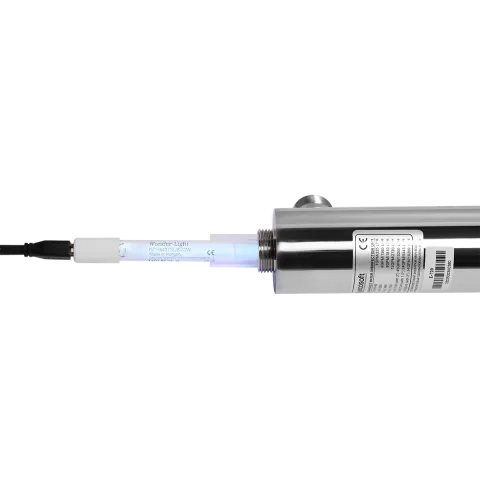
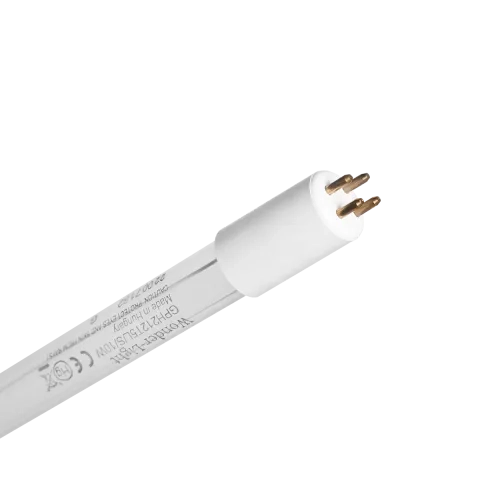
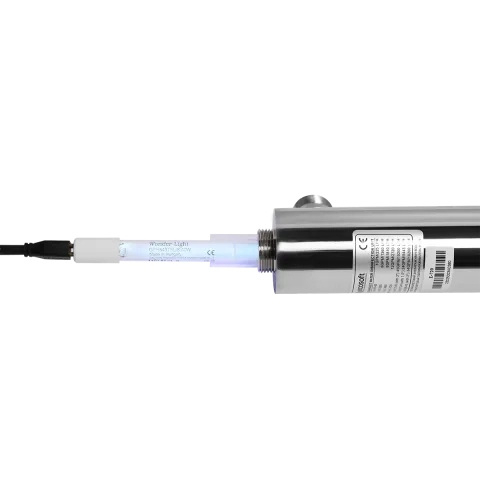
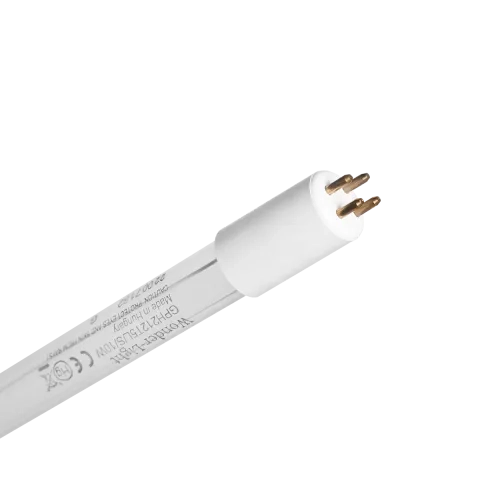
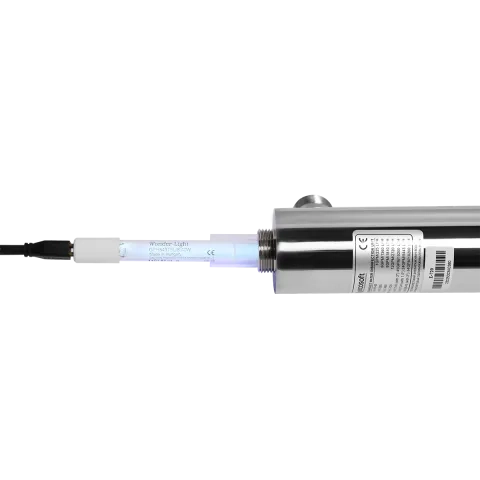
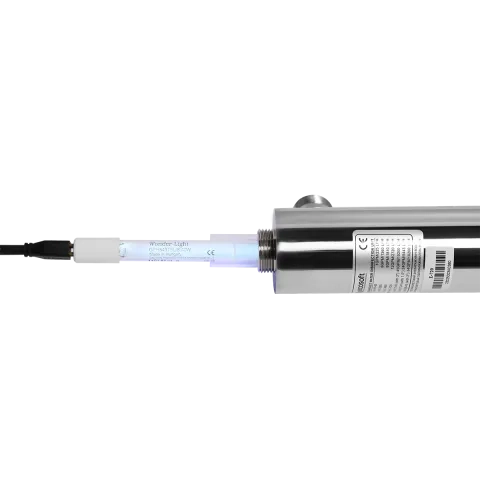
2. Water flows through a stainless steel UV chamber containing the UV-C lamp.
3. The UV light inactivates 99.99% of microorganisms as water passes through.
4. The treated water is immediately safe to use or drink.
Does UV light really kill bacteria and viruses?
Yes – UV-C light penetrates the cell wall and damages the DNA or RNA of bacteria, viruses, and protozoa, making them harmless. It’s effective against E. coli, Salmonella, Giardia, Legionella, Cryptosporidium, and many more.
Is UV sterilization safe for drinking water?
Absolutely. UV systems treat water without adding anything. They leave no taste, chemicals, or by-products behind – making it one of the safest and most natural disinfection methods available.
Do I still need a filter?
Yes. UV systems work best with clear water. A pre-filter (5–20 micron) is usually required to remove sediment, as particles can shield microorganisms from the UV light.
How often should I replace the UV lamp?
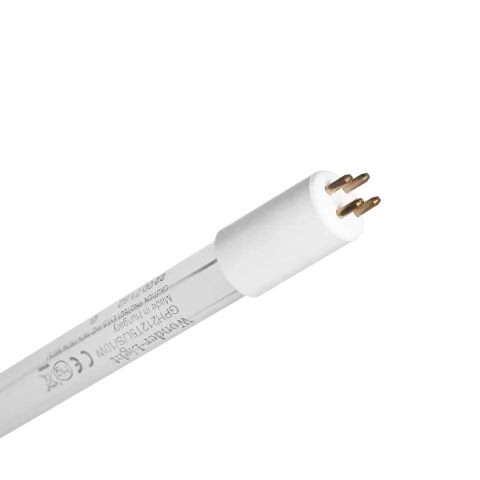
UV lamps should typically be replaced once a year, even if the light is still on. After 9,000–10,000 hours, the UV intensity drops below effective levels.
What happens if the power goes out?
UV sterilizers only work when powered. For critical applications, a backup power supply (UPS) is recommended to ensure continuous disinfection.
Are UV systems hard to install or maintain?
No. Most residential UV systems are easy to install in-line with existing plumbing. Maintenance is limited to lamp replacement and occasional quartz sleeve cleaning.