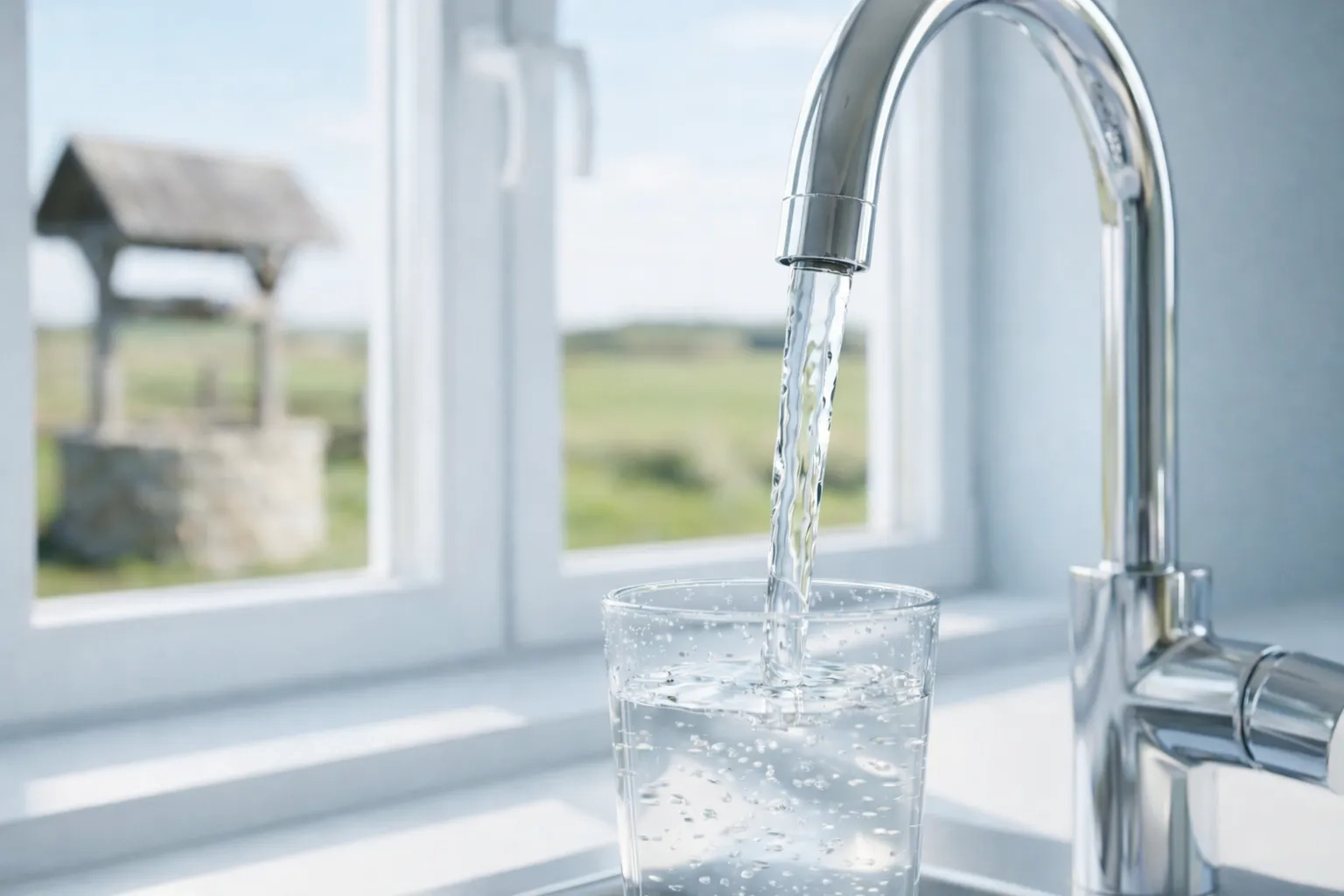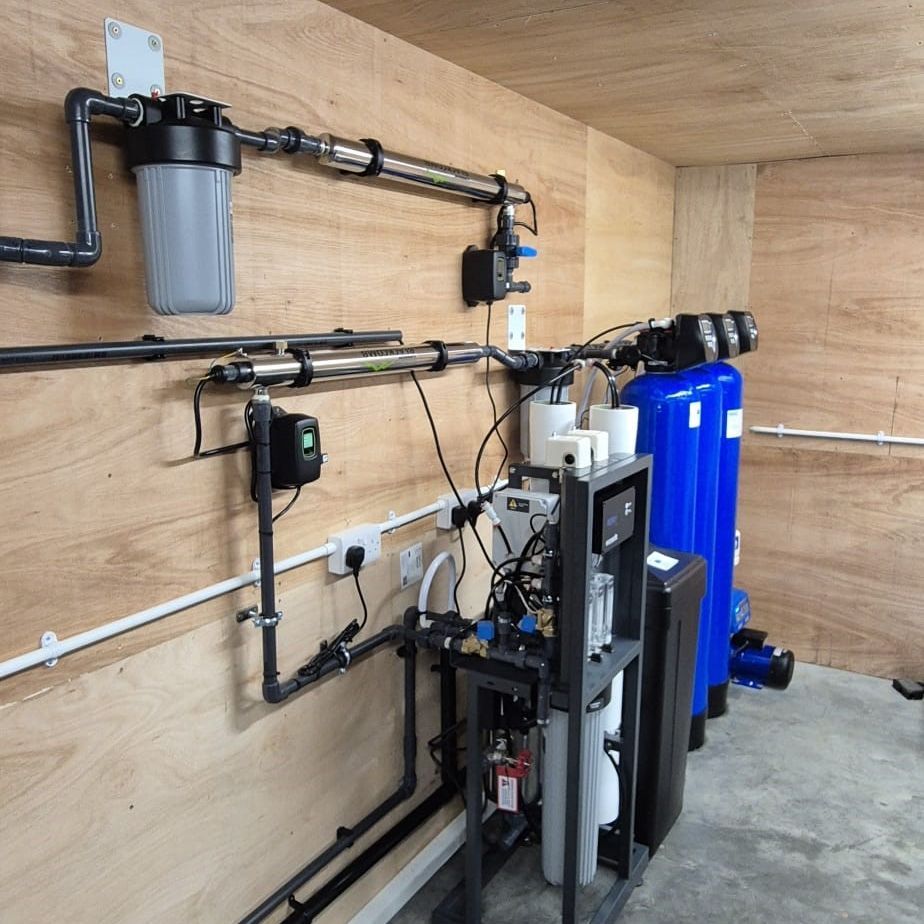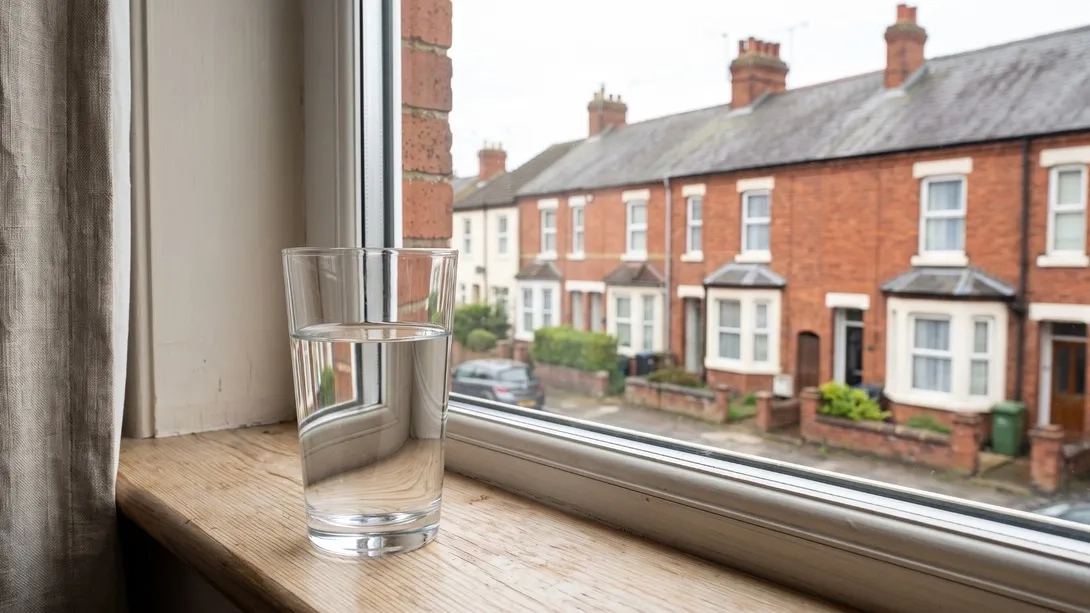

The short answer is “Yes. The tap water is safe in the UK”. It passes several purification stages: filtration, chemical treatment, UV disinfection, and adjustment.
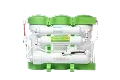
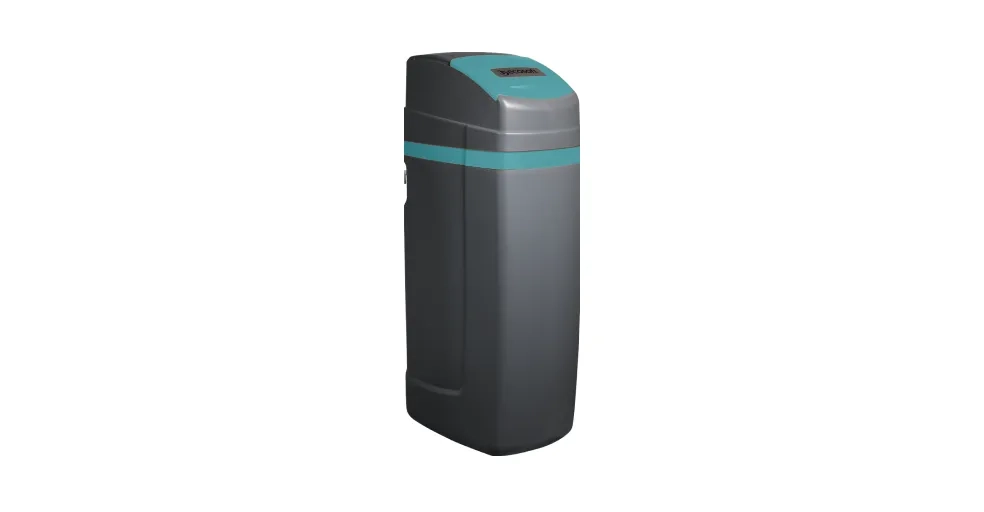
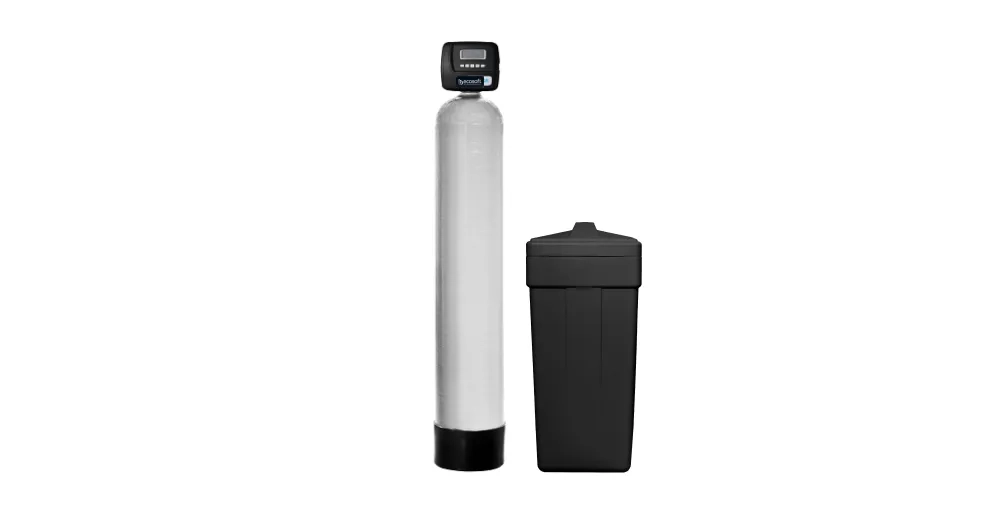
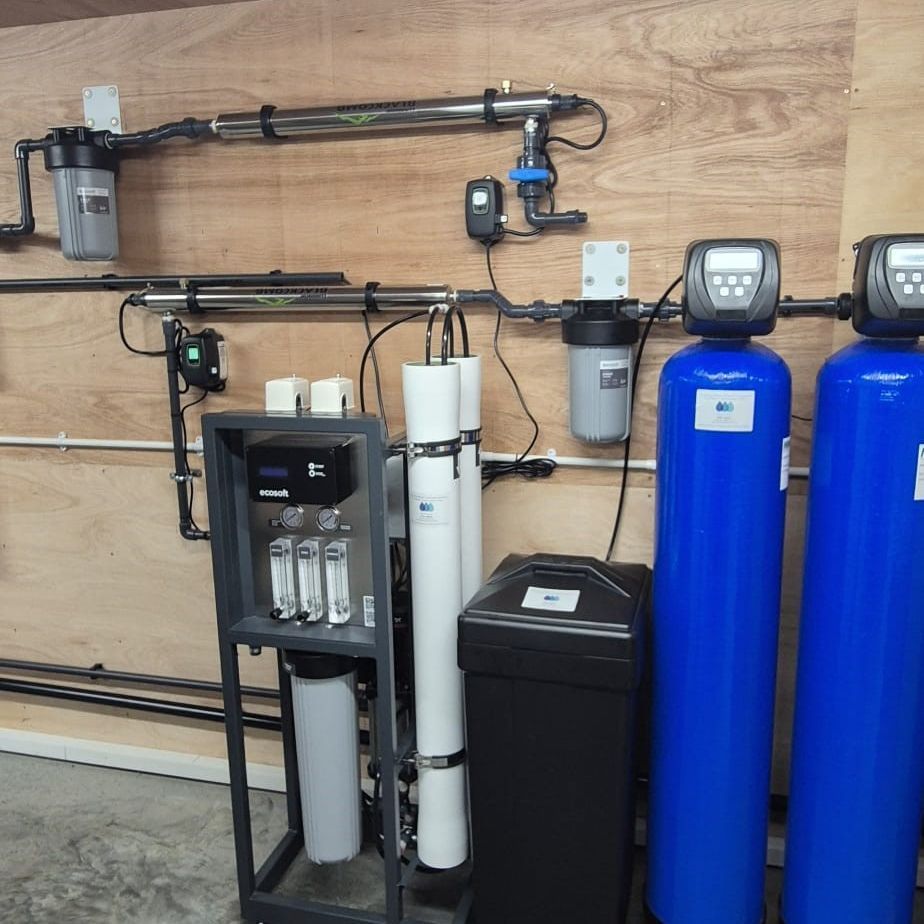
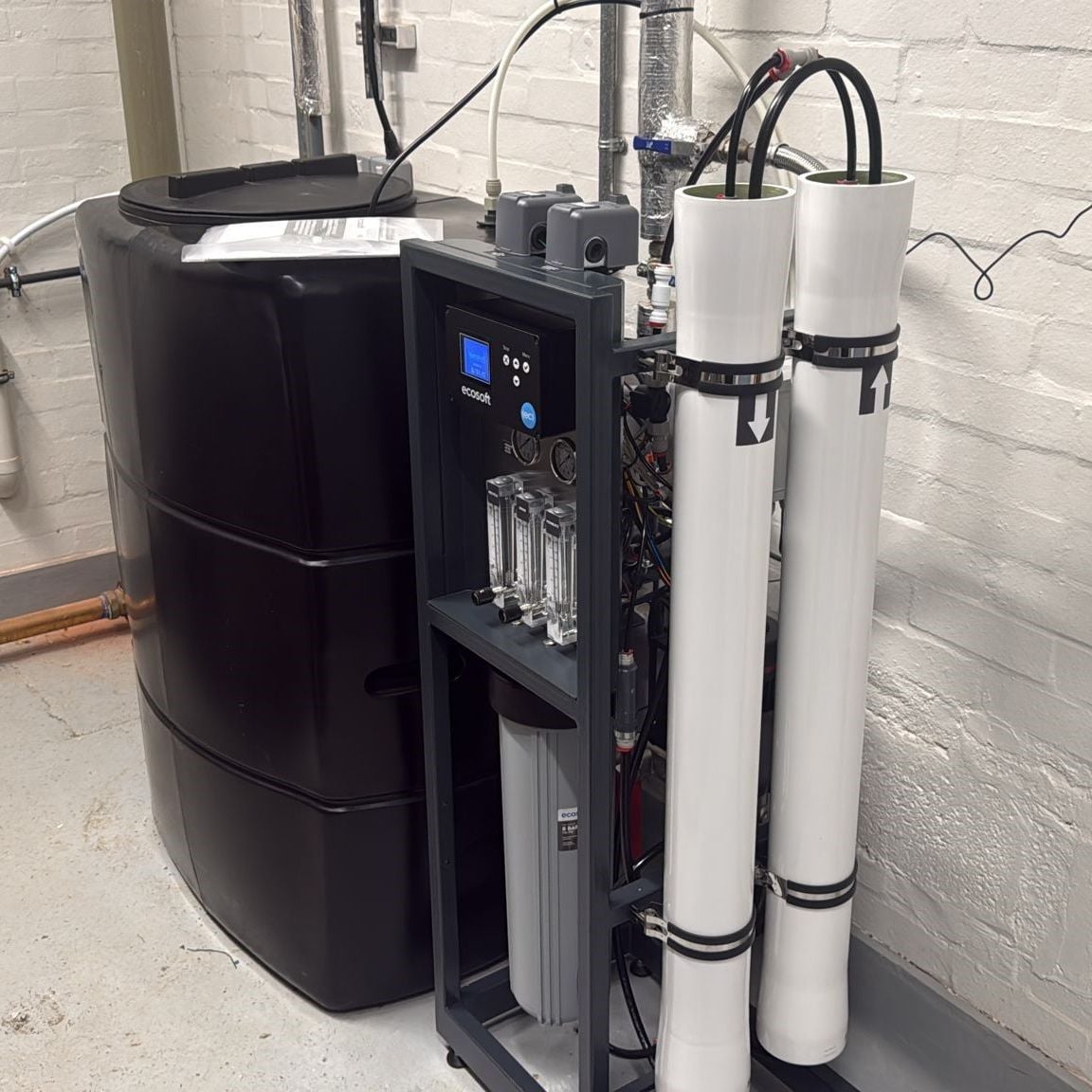
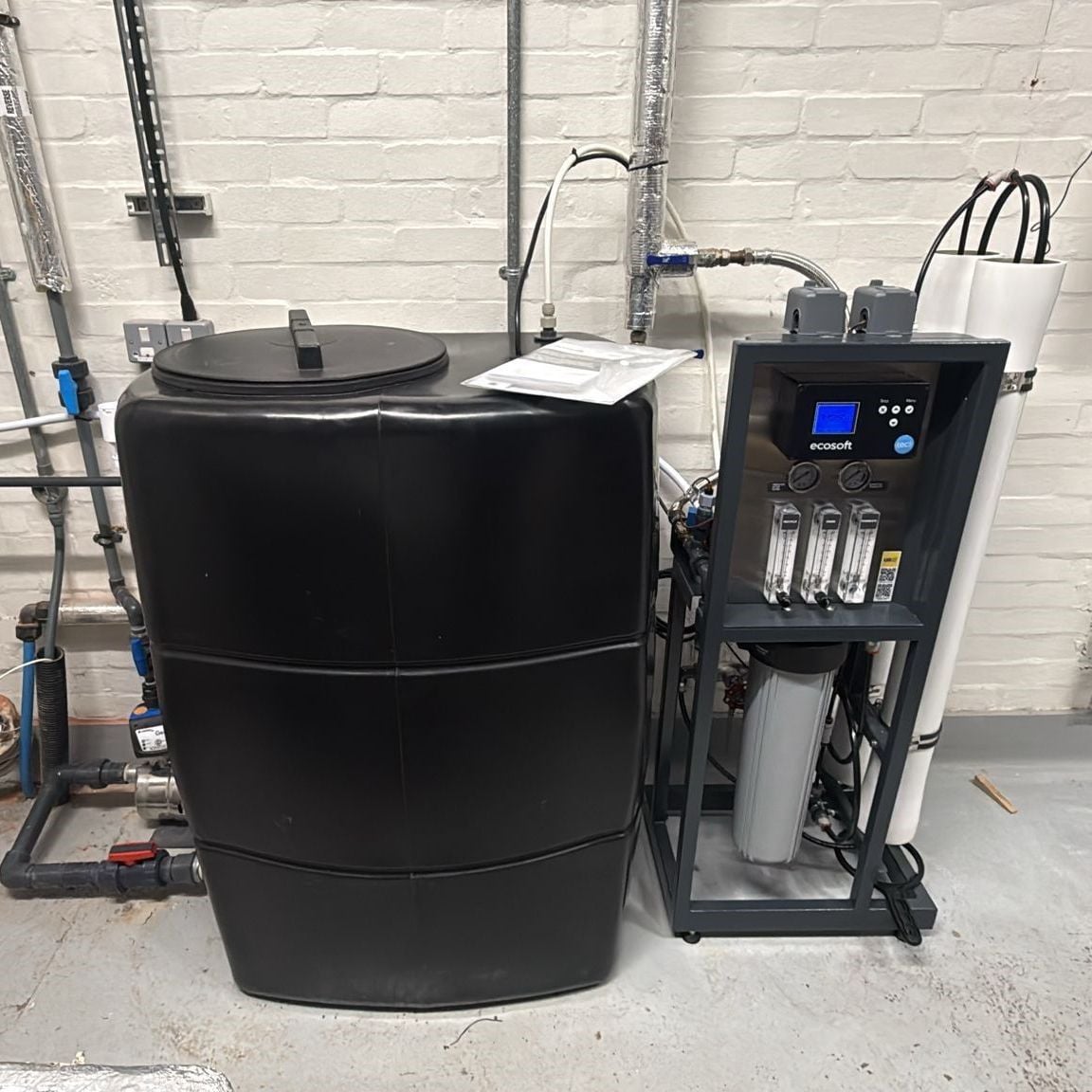
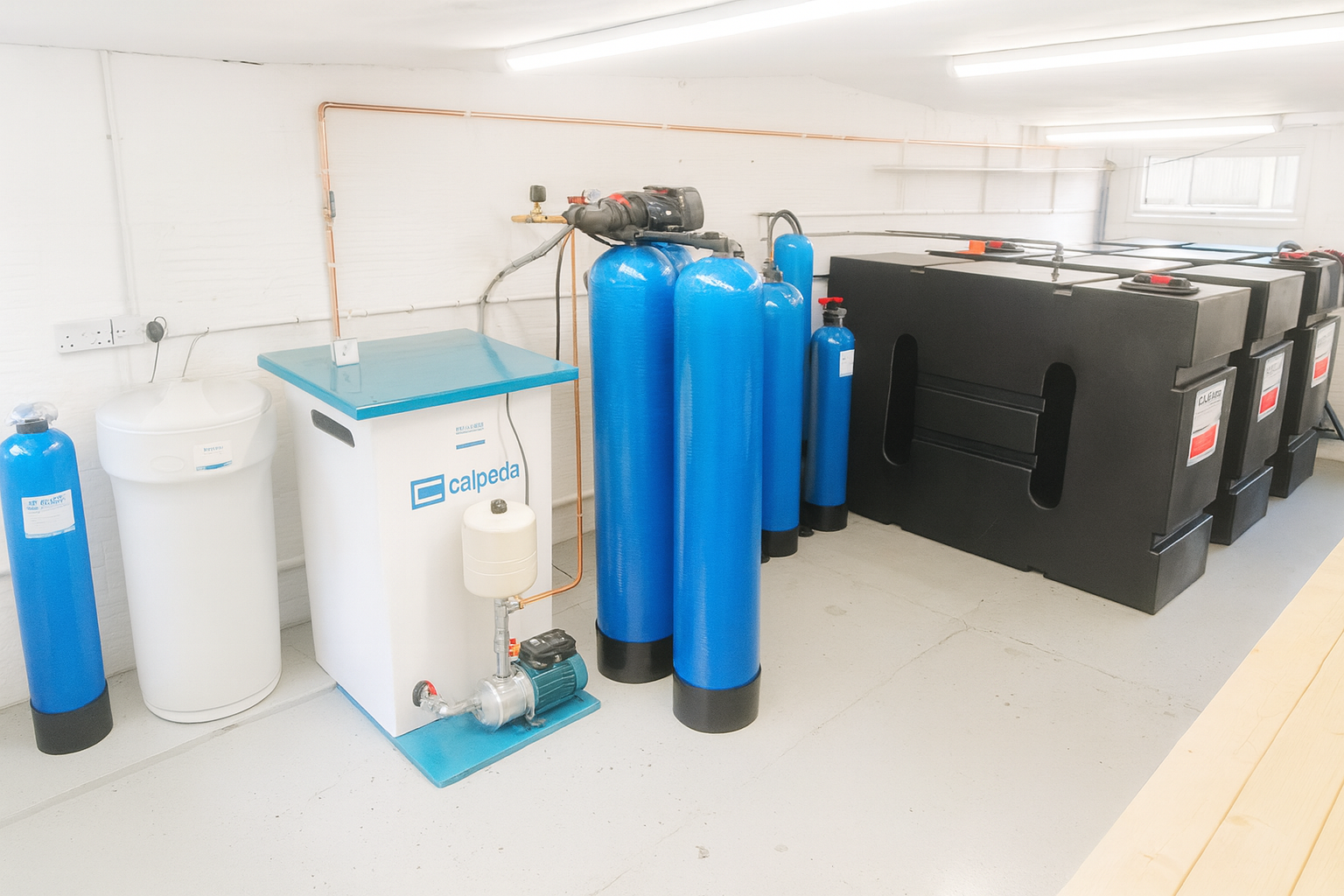
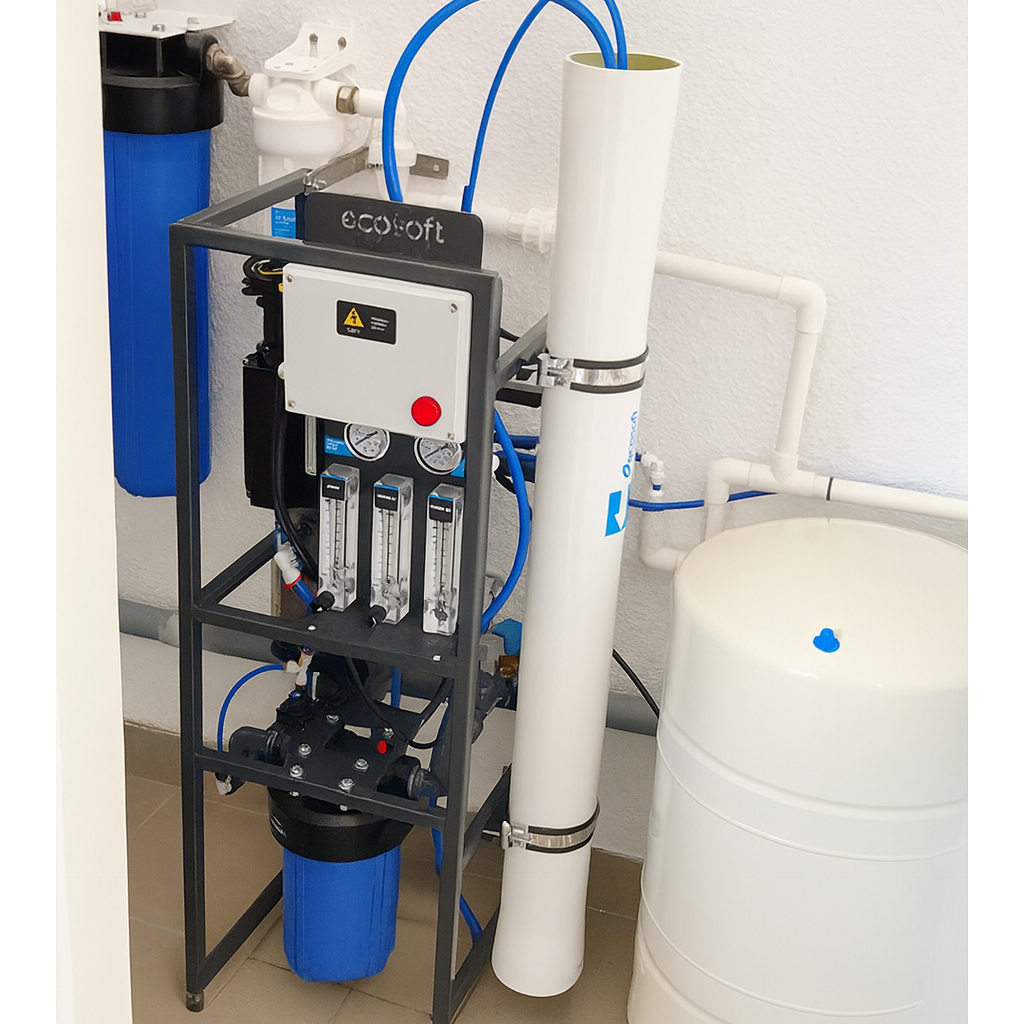
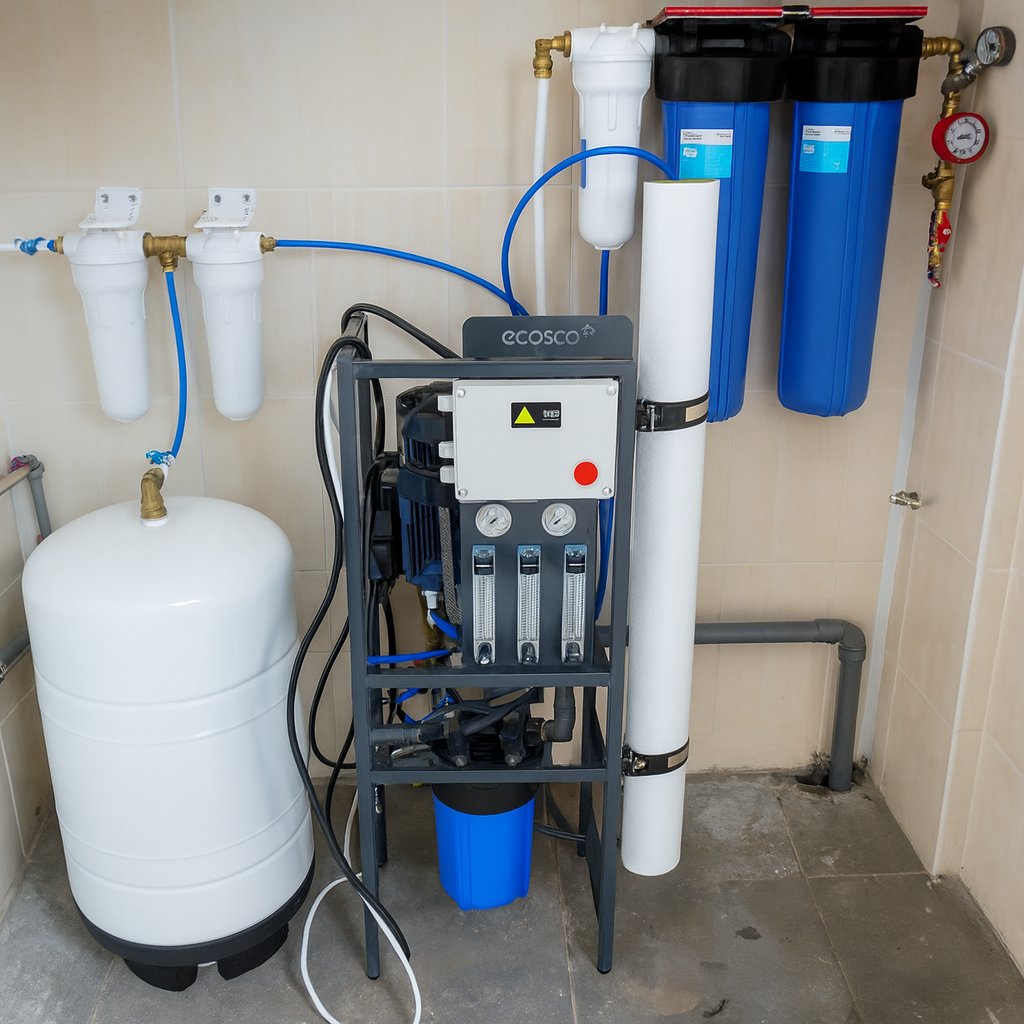
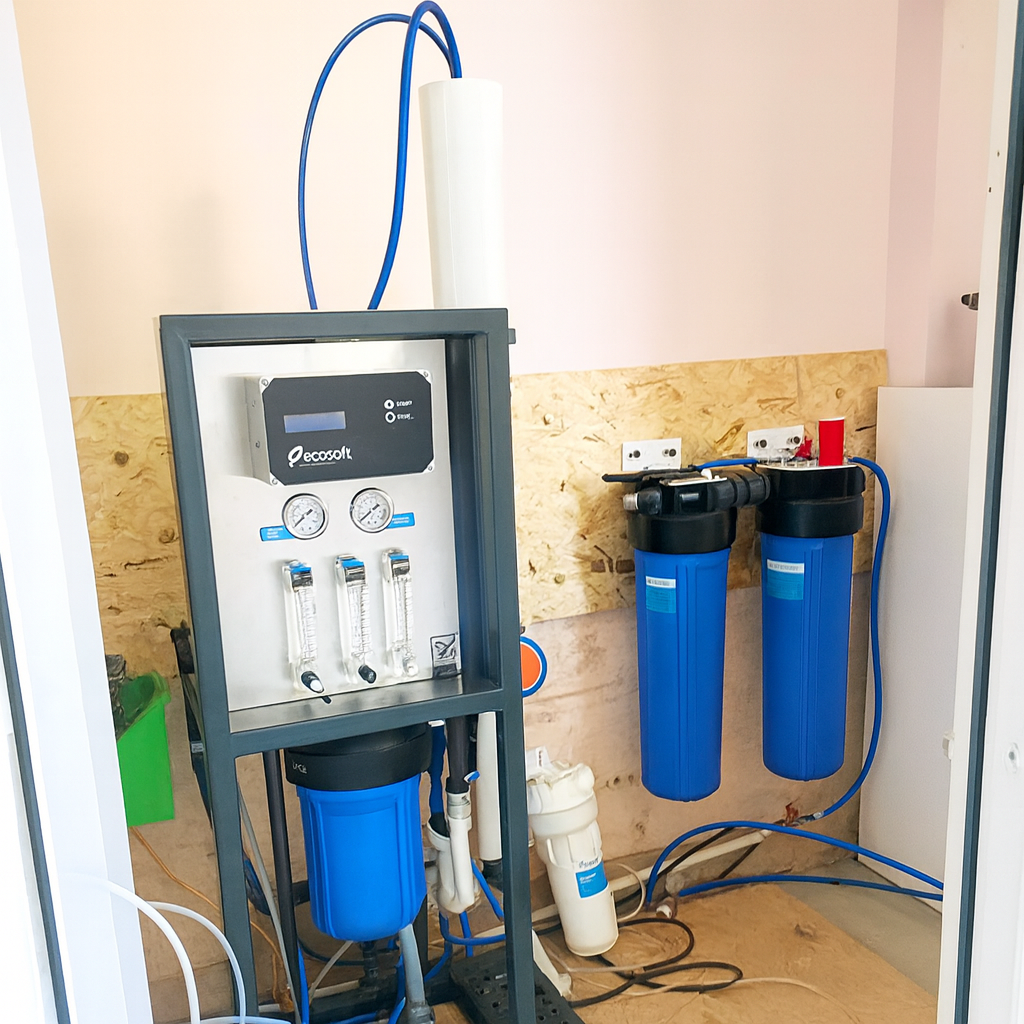
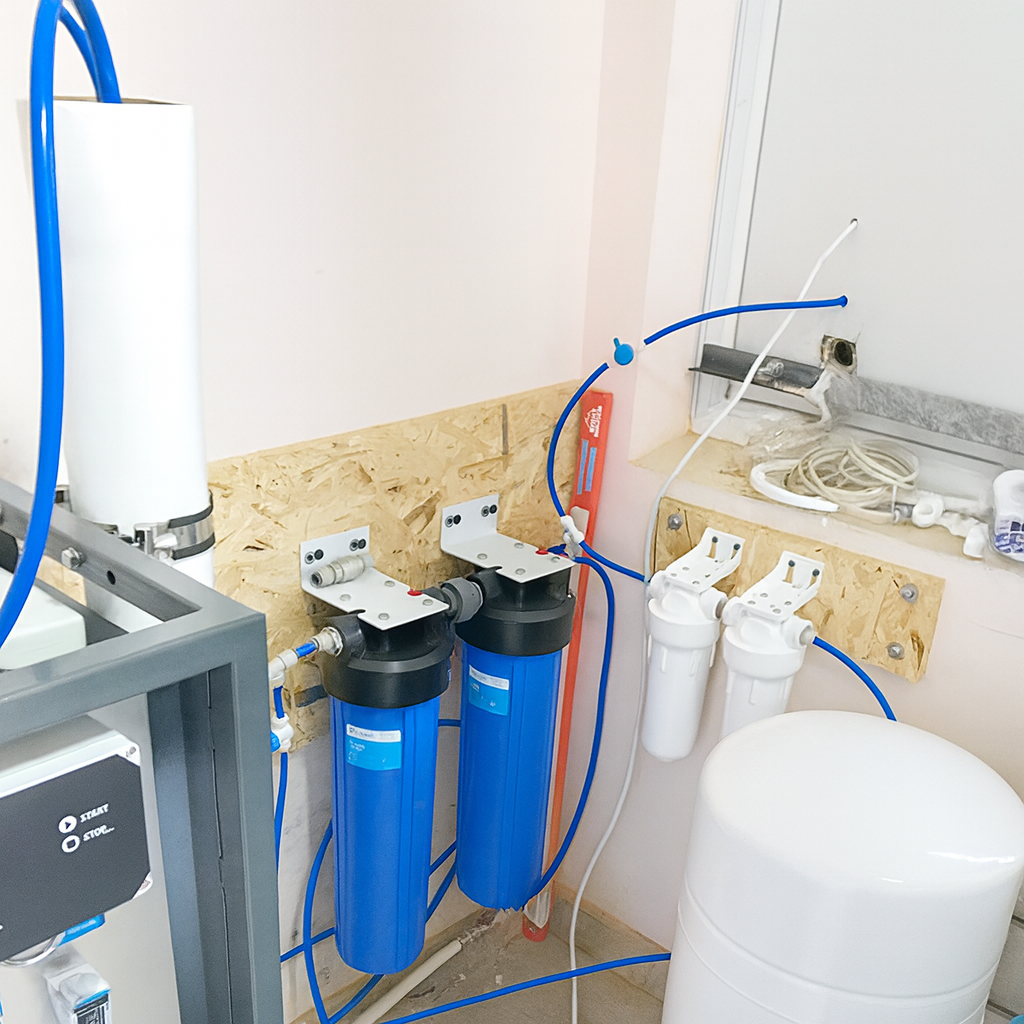
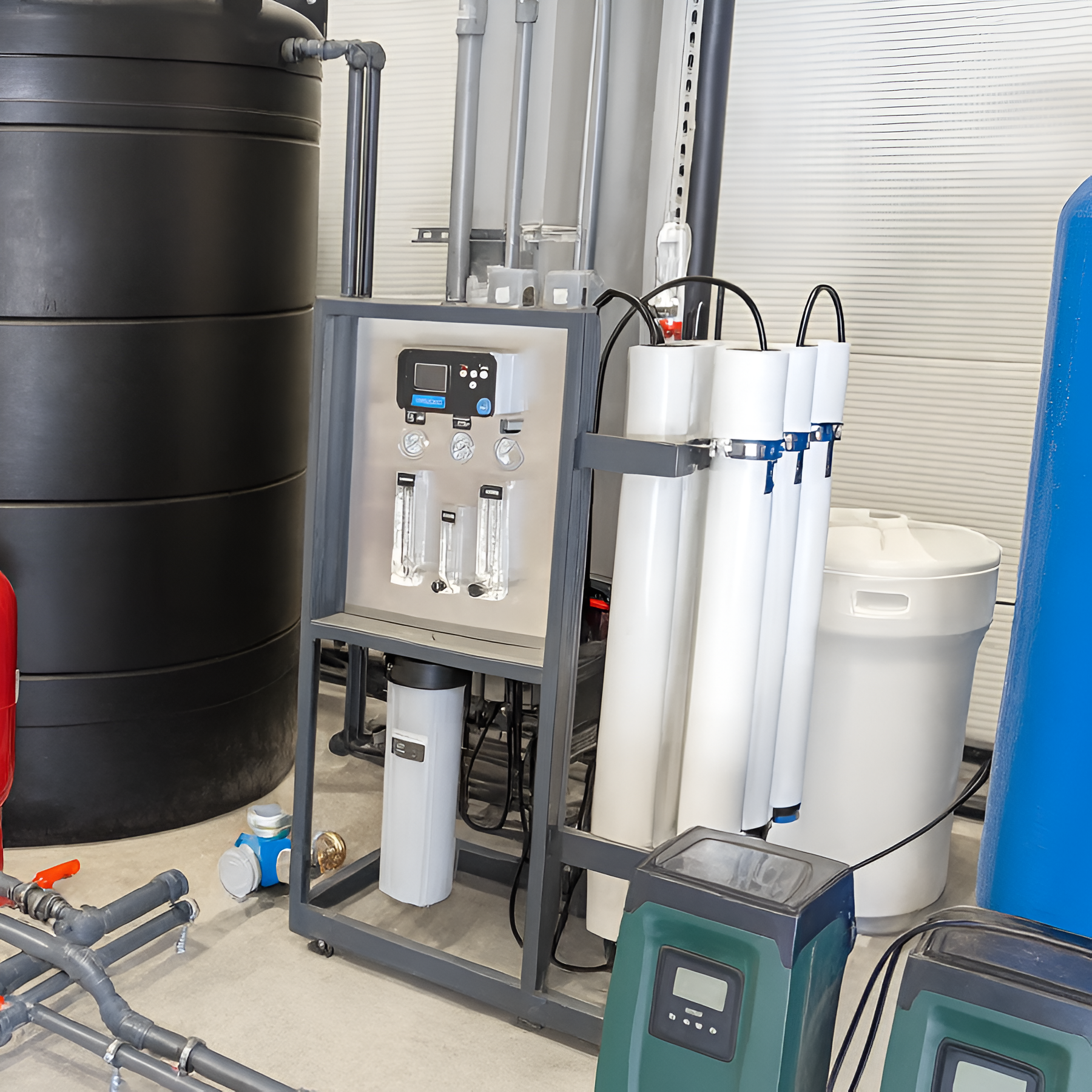
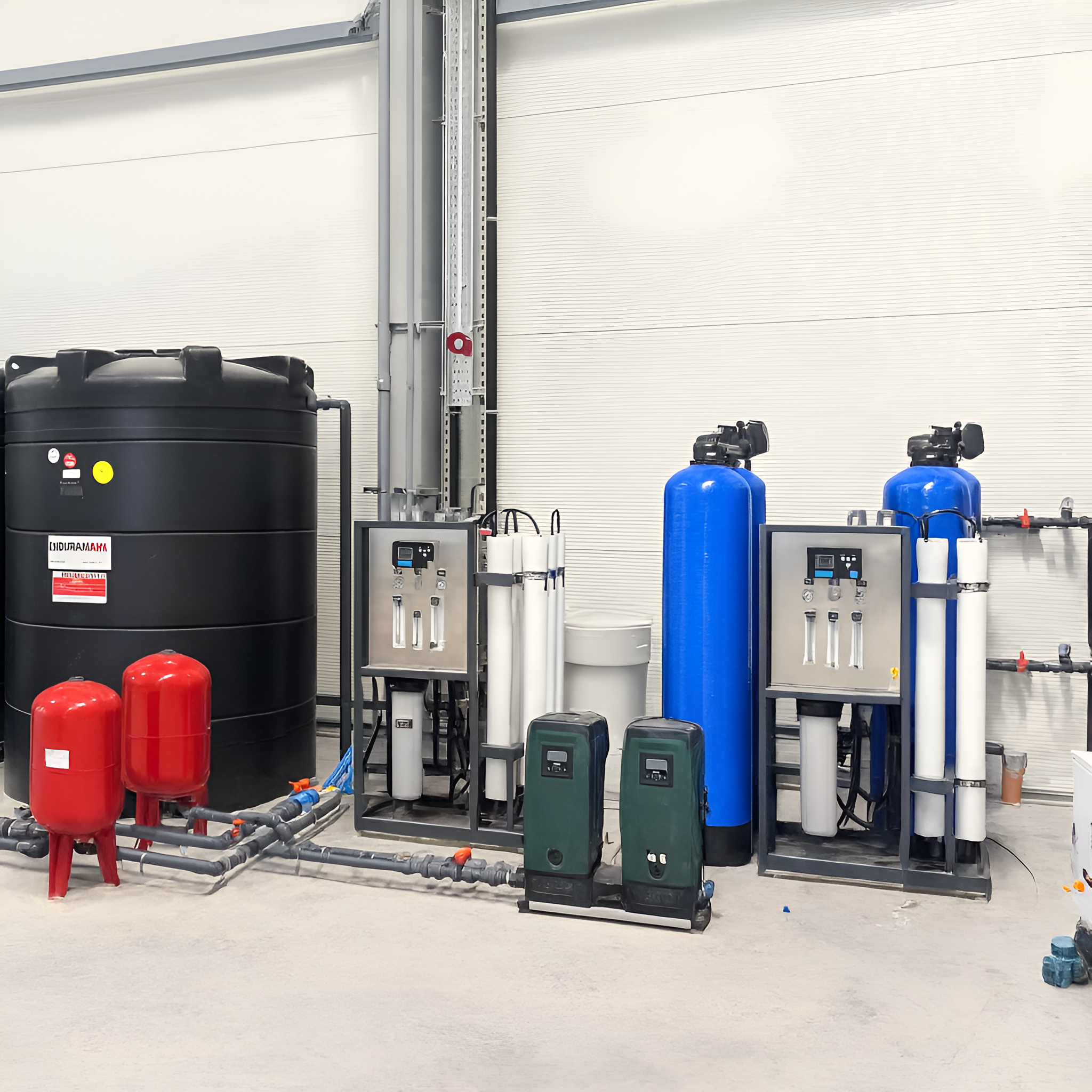
But water from a direct mains supply is safe to drink unless local pipes break. In old houses with old plumbing, in bathrooms supplied from a storage tank in the roof, and in severe weather, the risk of water contamination is rising. Other factors also raise concerns. If you want a 100% safety guarantee and if you want to make water taste better or adapt its mineral content to your needs, you can buy Ecosoft RO filters and water softeners.
How Is Tap Water Regulated in the UK?
In the UK, the Drinking Water Inspectorate regulates tap water. Regional regulators perform similar functions in Wales, Scotland, and Northern Ireland. The DWI was founded in 1990 to provide independent assessment of water supplies in England and Wales. It oversees compliance and enforcement of the Water Supply (Water Quality) Regulations 2016 in England and Wales. It checks drinking water quality to ensure that it is safe for consumers. Compliance results are reported in public. The Inspectorate collaborates with:
- Water Services Regulation Authority, setting price caps in the industry;
- Environment Agency, protecting water resources;
- Consumer Council for Water, representing household and business customer interests.
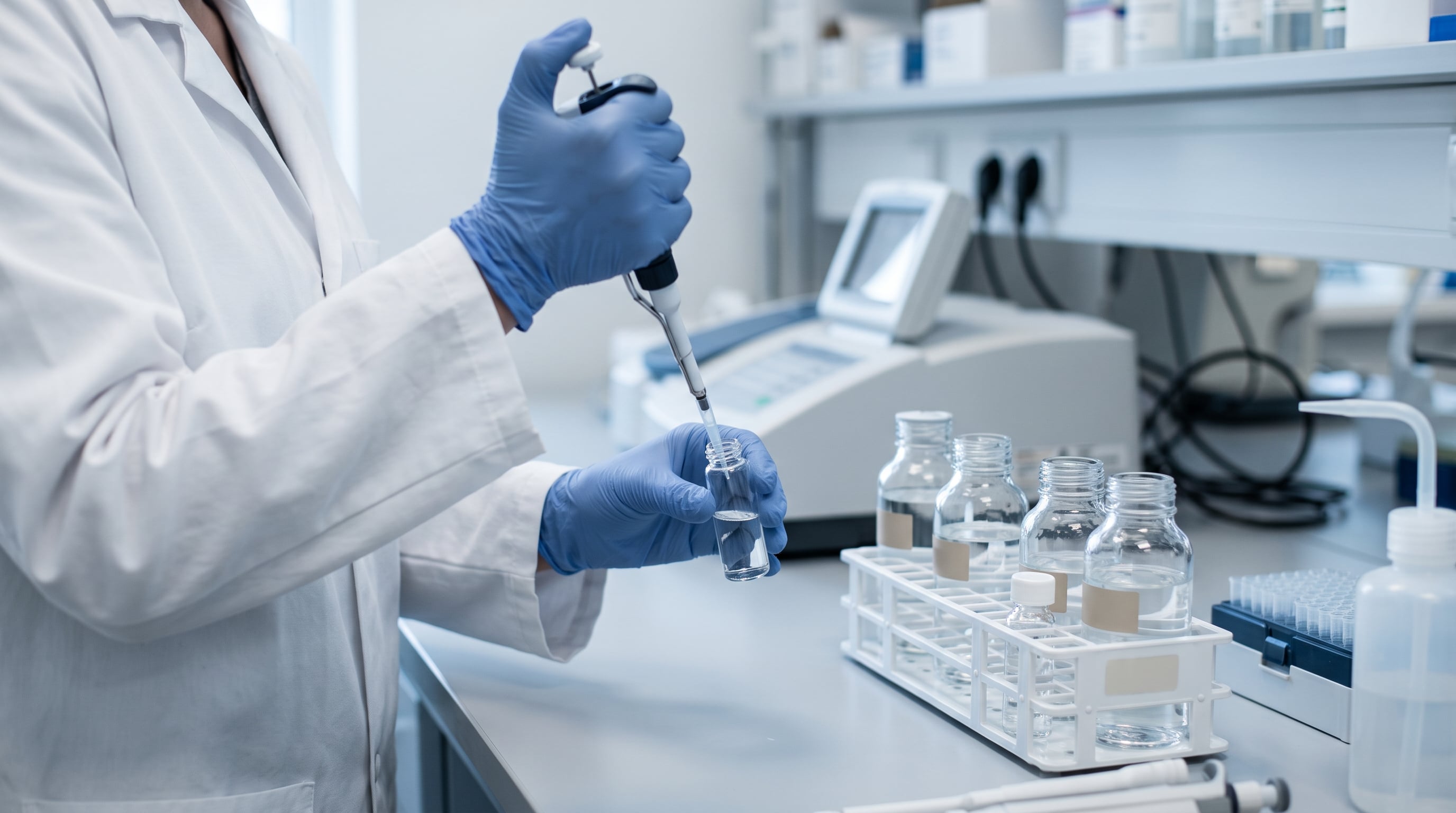
Before reaching a tap, water is screened, filtered to remove large particles, treated with chemicals to remove bacteria and viruses, and tested for a wide range of substances to meet legal standards. In addition, water suppliers run lots of individual tests to ensure safety rates stay higher than 99.9%.
What Affects Tap Water Quality?
Tap water quality depends on the water source, industrial and agricultural pollution in the surrounding area, and the effectiveness of national treatment solutions. Also, the condition of pipes and home plumbing systems matters, as water can be contaminated when it is running through the lines.
The main threats to water quality are chemical and microbial contamination. Bacteria such as E. coli and Cryptosporidium can penetrate tap water from waste disposal and cause severe infections. Harmful chemicals like lead, mercury, and arsenic come from old pipes and severely impact human health, causing kidney damage and other diseases. The consequences can be short-term and long-term. That is why it is crucial to consume properly purified water.
Common Concerns About UK Tap Water
It is true that UK tap water is ranked among the most purified and safest water in the world. It is regularly monitored to meet the strict national legal standards. Still, trace amounts of more or less harmful components are possible. We’d list the most likely concerns:
- Hardness. Hard water is often found in the South and East of England. Even though there are no serious health risks, a high mineral content causes limestone deposits on everything the water contacts and spoils the water’s taste.
- Chlorine, used for disinfection. If the concentration is high enough, water comes with a particular taste and smell, which is easily removed with filters.
- Fluoride. It is expected to be in tap water in some areas in England, as it is artificially added to improve bone and tooth health. But excessive fluoride has a negative impact on human health. Within the last 20 years, fluoride levels have been reduced and are monitored to ensure safety in the UK.
- Some harmful chemicals can be absorbed from old pipes or tanks and contaminate tap water.
In general, additional water purification is not needed in the UK. However, demanding and sensitive manufacturing plants or businesses should improve their water quality to lower operating costs, prevent equipment damage, and improve product or service quality.
Also, we’d emphasise the controversy. The UK Health Security Agency confirms no convincing link between regulated UK fluoride concentrations and health issues. However, recent scientific studies suggest that even levels of fluoride in water that are considered safe may show associations with how quickly young kids learn and adapt. While debates continue, you need to make a choice regarding tap water purification.
Should You Filter Tap Water at Home?
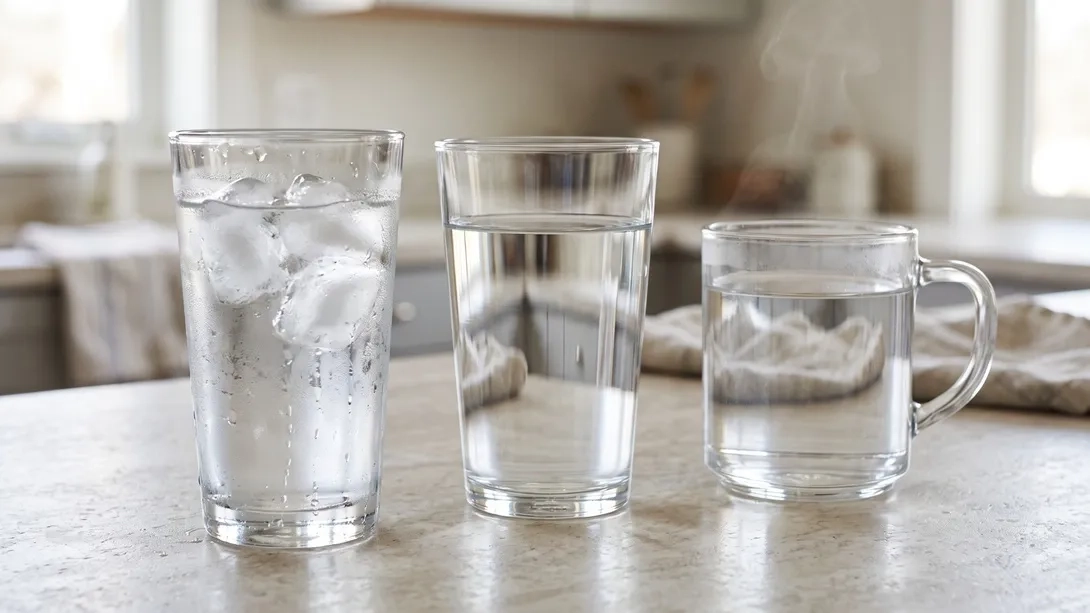
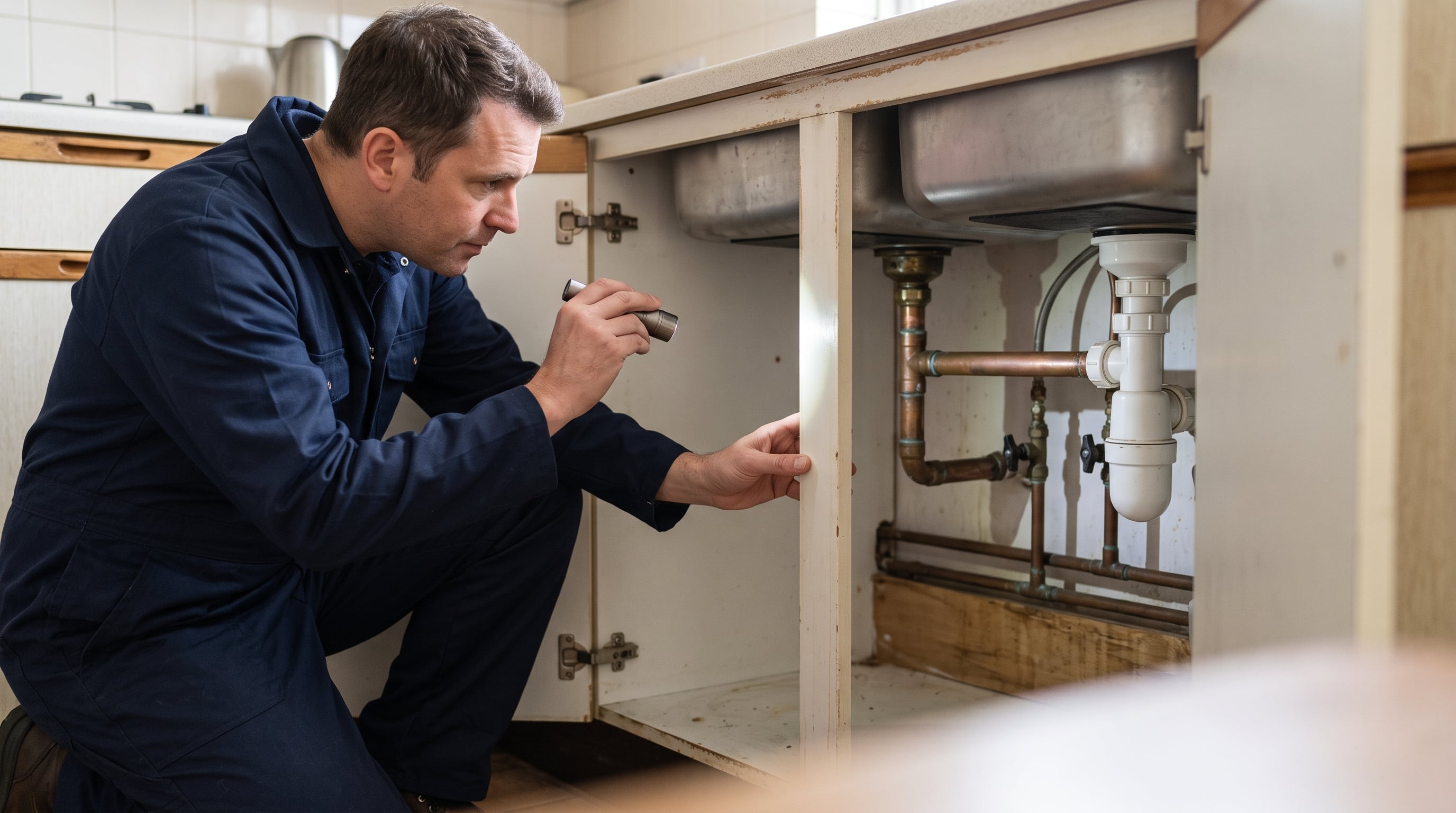
Tap water in homes in the UK can be consumed without filtration if you are sure about your plumbing and water companies. Even at that, you should avoid drinking water from a warm tap, as it comes from a heater with an additional risk of contamination.
You should be ready to find chlorine, calcium, and fluoride in tap water, which are not harmful to drink, provided that the concentration is low. But these chemicals can change the water’s taste. Also, hard water spoils meals, clothes, and linens, makes skin and hair drier, and damages kitchen appliances over time. If you are at the described risks, you’d better consider water filters.
Conclusions
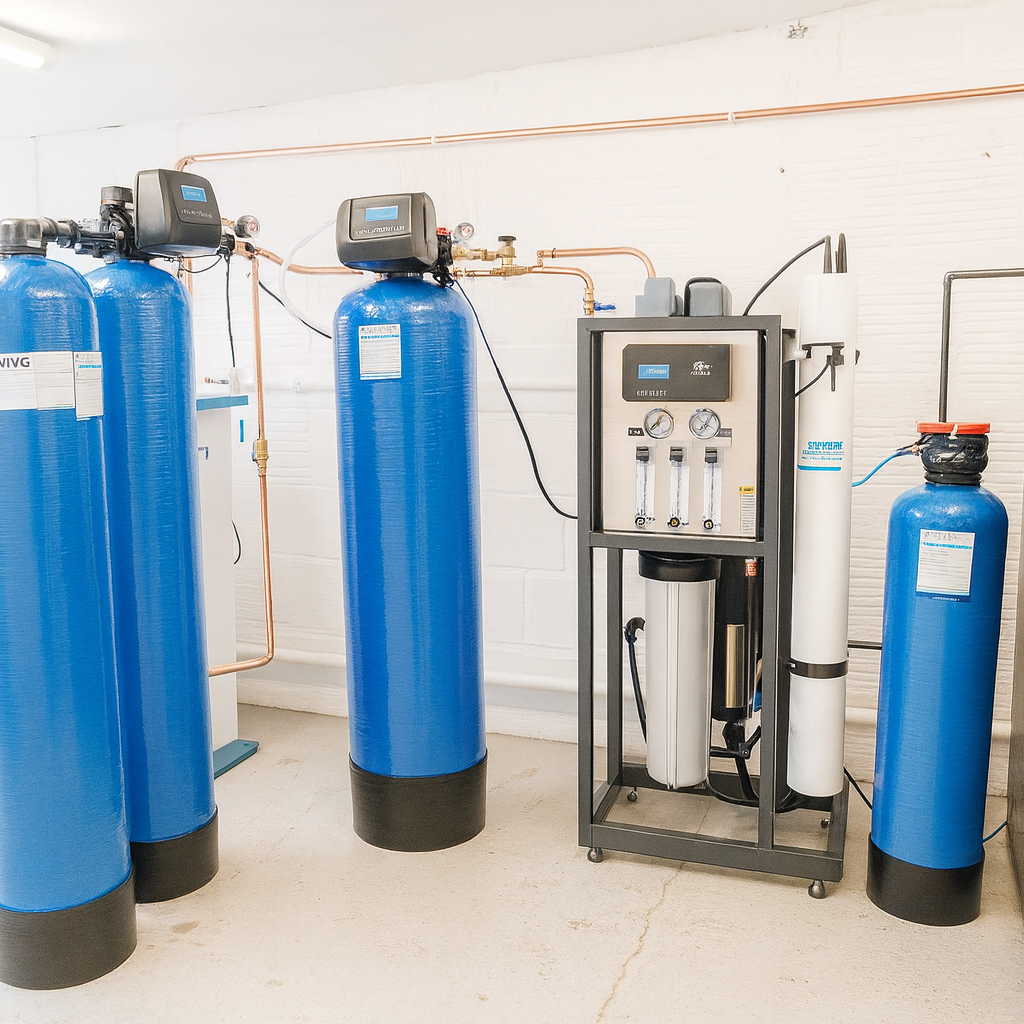
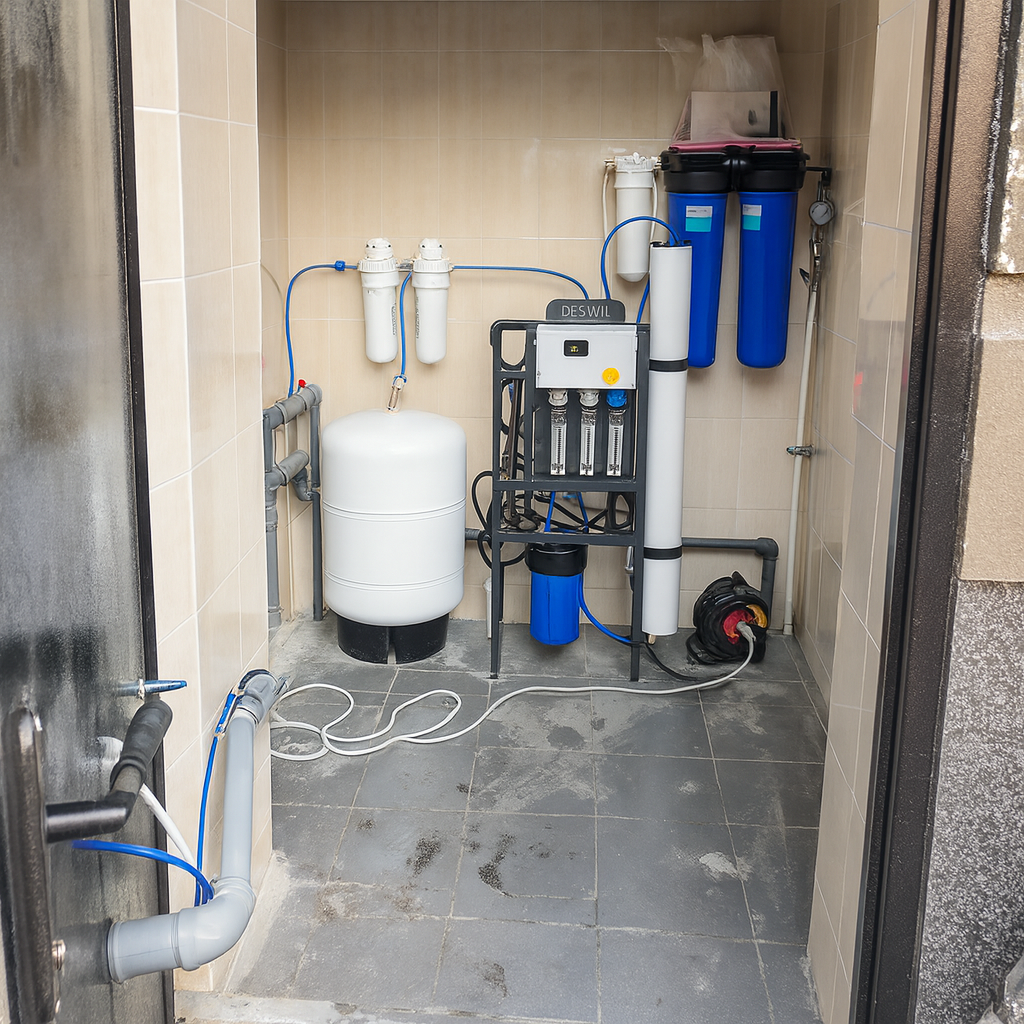
To sum up, the tap water in the UK is very clean and safe. Private water supplies, like wells or boreholes, are not always tested, as described above. Also, older buildings can be equipped with old plumbing, including lead pipes, which reduces water quality. If in doubt, you can always use effective water treatment solutions. We offer well-adapted systems for your individual needs. For commercial purposes, we provide a range of powerful commercial water purification stations based on modern technologies.