Drinking water

Is Tap Water Safe to Drink in the United Kingdom?

Is Tap Water Safe to Drink in the UK?
✕

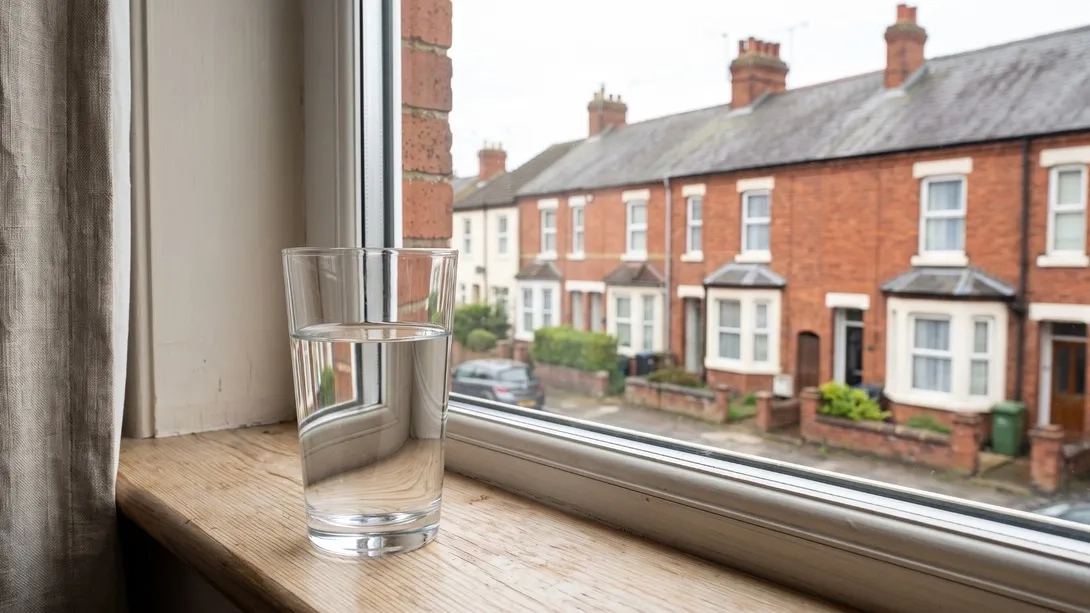
The short answer is “Yes. The tap water is safe in the UK”. It passes several purification stages: filtration, chemical treatment, UV disinfection, and adjustment.

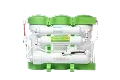
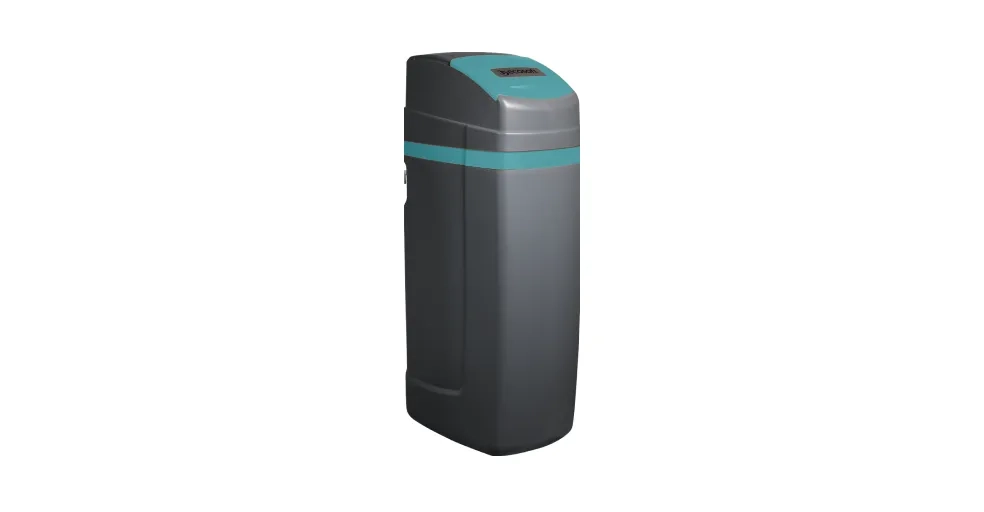
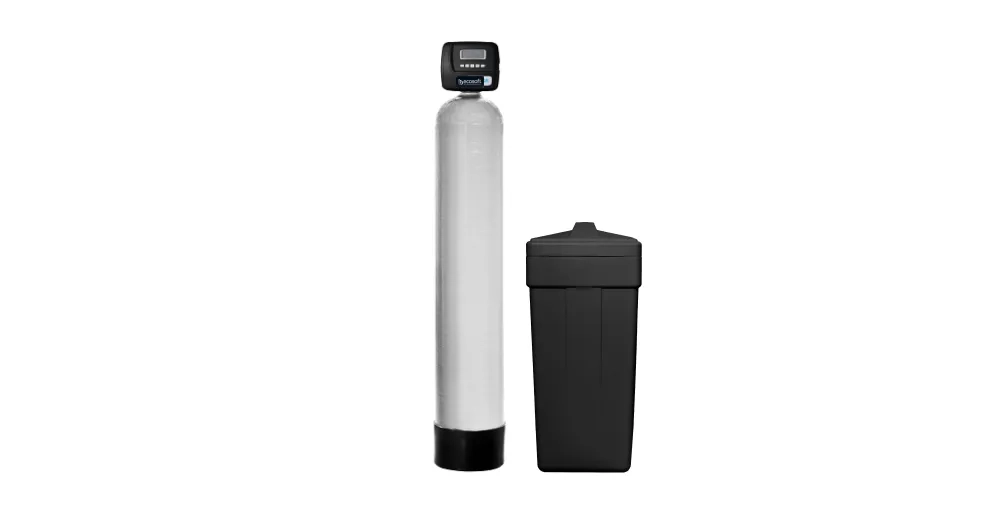
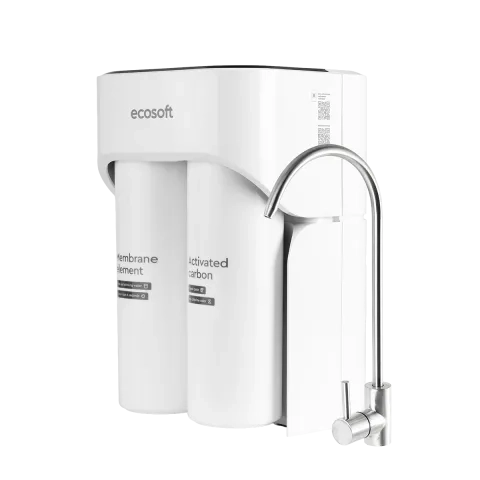
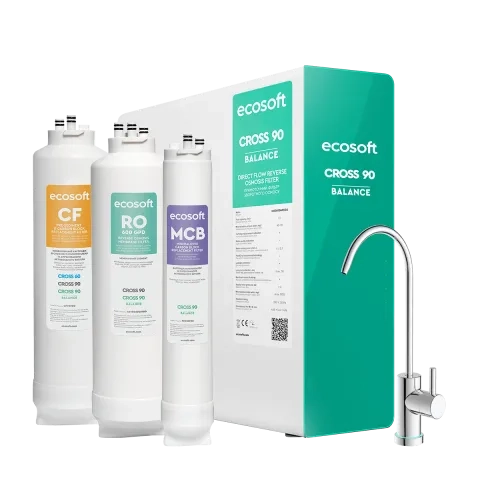
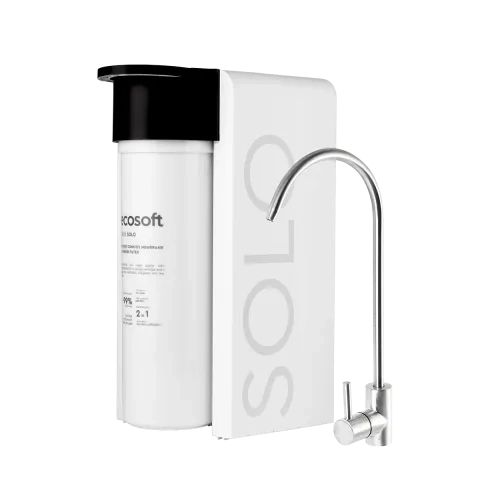
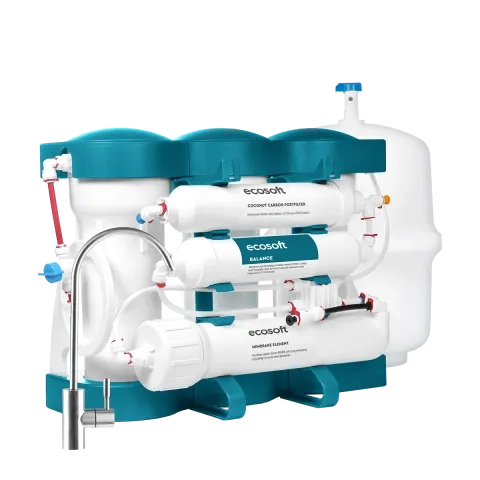
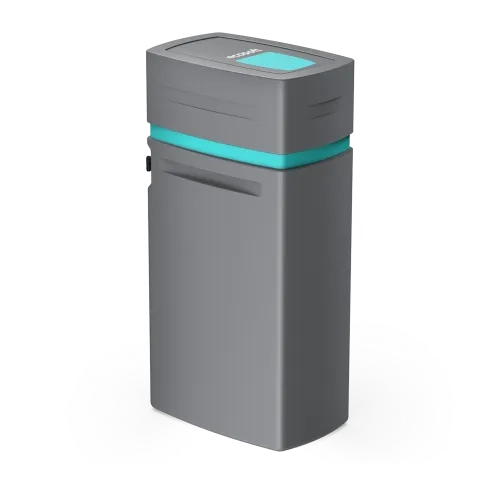
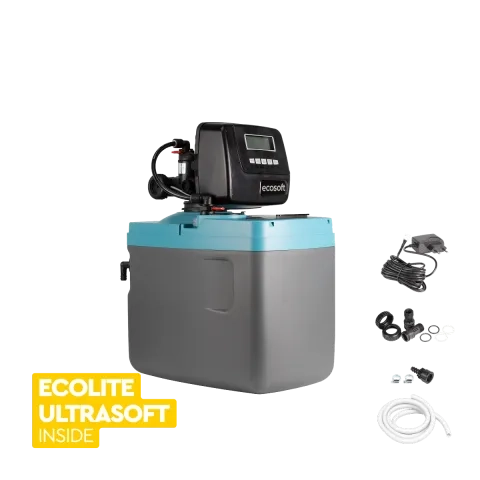
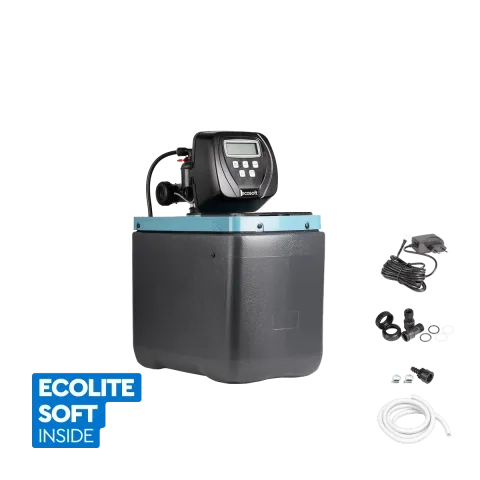
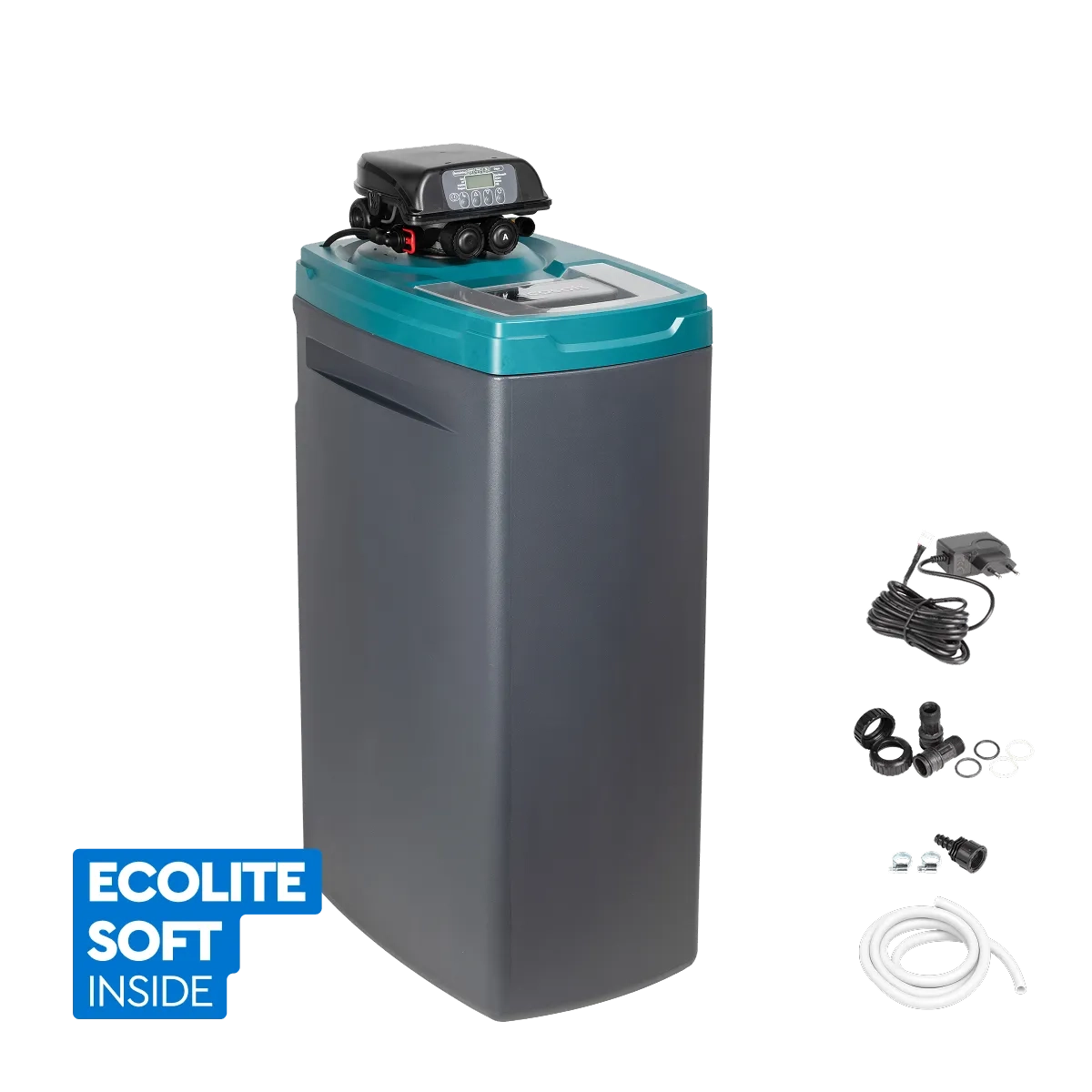
But water from a direct mains supply is safe to drink unless local pipes break. In old houses with old plumbing, in bathrooms supplied from a storage tank in the roof, and in severe weather, the risk of water contamination is rising. Other factors also raise concerns. If you want a 100% safety guarantee and if you want to make water taste better or adapt its mineral content to your needs, you can buy Ecosoft RO filters and water softeners.

How Is Tap Water Regulated in the UK?

In the UK, the Drinking Water Inspectorate regulates tap water. Regional regulators perform similar functions in Wales, Scotland, and Northern Ireland. The DWI was founded in 1990 to provide independent assessment of water supplies in England and Wales. It oversees compliance and enforcement of the Water Supply (Water Quality) Regulations 2016 in England and Wales. It checks drinking water quality to ensure that it is safe for consumers. Compliance results are reported in public. The Inspectorate collaborates with:

  • Water Services Regulation Authority, setting price caps in the industry;
  • Environment Agency, protecting water resources;
  • Consumer Council for Water, representing household and business customer interests.

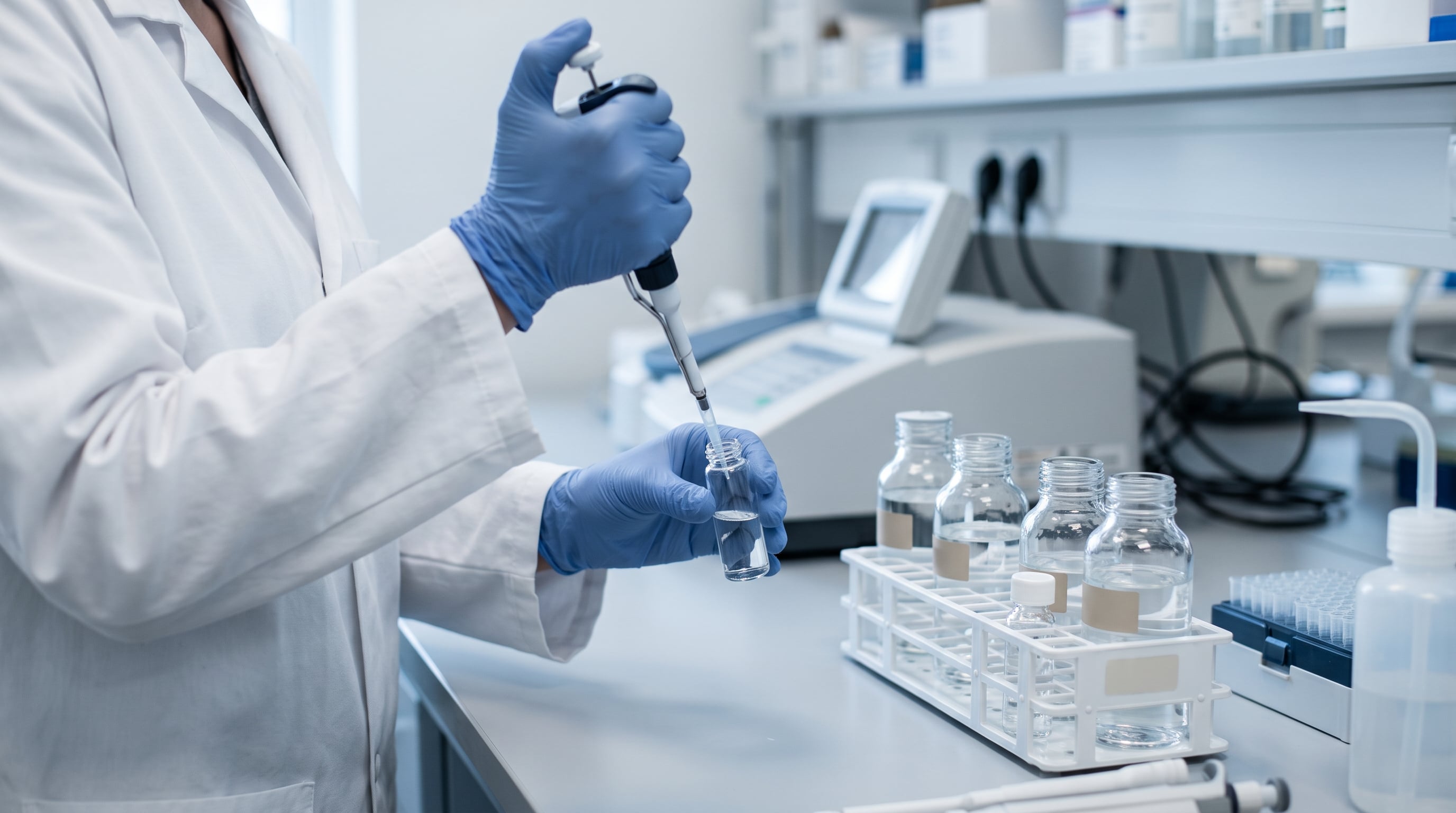
Before reaching a tap, water is screened, filtered to remove large particles, treated with chemicals to remove bacteria and viruses, and tested for a wide range of substances to meet legal standards. In addition, water suppliers run lots of individual tests to ensure safety rates stay higher than 99.9%.
What Affects Tap Water Quality?

Tap water quality depends on the water source, industrial and agricultural pollution in the surrounding area, and the effectiveness of national treatment solutions. Also, the condition of pipes and home plumbing systems matters, as water can be contaminated when it is running through the lines.

The main threats to water quality are chemical and microbial contamination. Bacteria such as E. coli and Cryptosporidium can penetrate tap water from waste disposal and cause severe infections. Harmful chemicals like lead, mercury, and arsenic come from old pipes and severely impact human health, causing kidney damage and other diseases. The consequences can be short-term and long-term. That is why it is crucial to consume properly purified water.

Common Concerns About UK Tap Water

It is true that UK tap water is ranked among the most purified and safest water in the world. It is regularly monitored to meet the strict national legal standards. Still, trace amounts of more or less harmful components are possible. We’d list the most likely concerns:

  • Hardness. Hard water is often found in the South and East of England. Even though there are no serious health risks, a high mineral content causes limestone deposits on everything the water contacts and spoils the water’s taste.
  • Chlorine, used for disinfection. If the concentration is high enough, water comes with a particular taste and smell, which is easily removed with filters.
  • Fluoride. It is expected to be in tap water in some areas in England, as it is artificially added to improve bone and tooth health. But excessive fluoride has a negative impact on human health. Within the last 20 years, fluoride levels have been reduced and are monitored to ensure safety in the UK.
  • Some harmful chemicals can be absorbed from old pipes or tanks and contaminate tap water. 

In general, additional water purification is not needed in the UK. However, demanding and sensitive manufacturing plants or businesses should improve their water quality to lower operating costs, prevent equipment damage, and improve product or service quality.

Also, we’d emphasise the controversy. The UK Health Security Agency confirms no convincing link between regulated UK fluoride concentrations and health issues. However, recent scientific studies suggest that even levels of fluoride in water that are considered safe may show associations with how quickly young kids learn and adapt. While debates continue, you need to make a choice regarding tap water purification.

Should You Filter Tap Water at Home?

Tap water in homes in the UK can be consumed without filtration if you are sure about your plumbing and water companies. Even at that, you should avoid drinking water from a warm tap, as it comes from a heater with an additional risk of contamination.

You should be ready to find chlorine, calcium, and fluoride in tap water, which are not harmful to drink, provided that the concentration is low. But these chemicals can change the water’s taste. Also, hard water spoils meals, clothes, and linens, makes skin and hair drier, and damages kitchen appliances over time. If you are at the described risks, you’d better consider water filters.
Conclusions

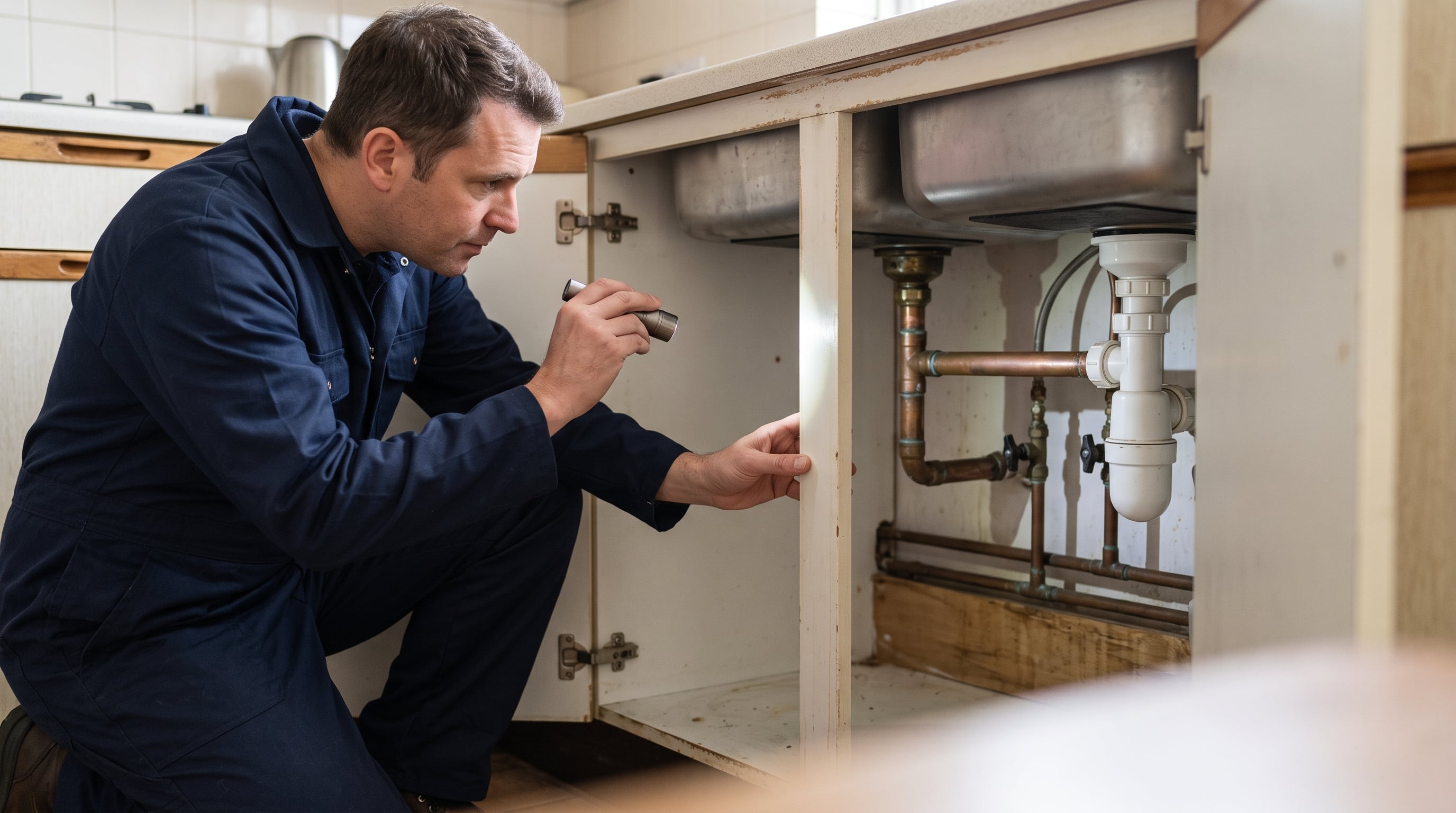
To sum up, the tap water in the UK is very clean and safe. Private water supplies, like wells or boreholes, are not always tested, as described above. Also, older buildings can be equipped with old plumbing, including lead pipes, which reduces water quality. If in doubt, you can always use effective water treatment solutions. We offer well-adapted systems for your individual needs. For commercial purposes, we provide a range of powerful commercial water purification stations based on modern technologies.

WRITTEN BY
SHARE THIS

Faqs

  • Yes, tap water is mostly safe to drink in the UK without boiling and additional filtration. Just ensure that pipes and plumbing are not old, and consider other factors related to decentralised water supply. Even if it is safe, you might want to reduce harmless hardness and change the mineral content. In this case, water softeners and filters can be of help.

  • Water taste depends on the mineral content and regional treatment methods used for disinfection. Also, local geology affects water sources. In the southern and eastern regions of the UK, water is rich in calcium and magnesium. Dissolved minerals make water hard and cause its distinct salty or chalky taste. People living in the northern and western regions consume soft water with a neutral taste.
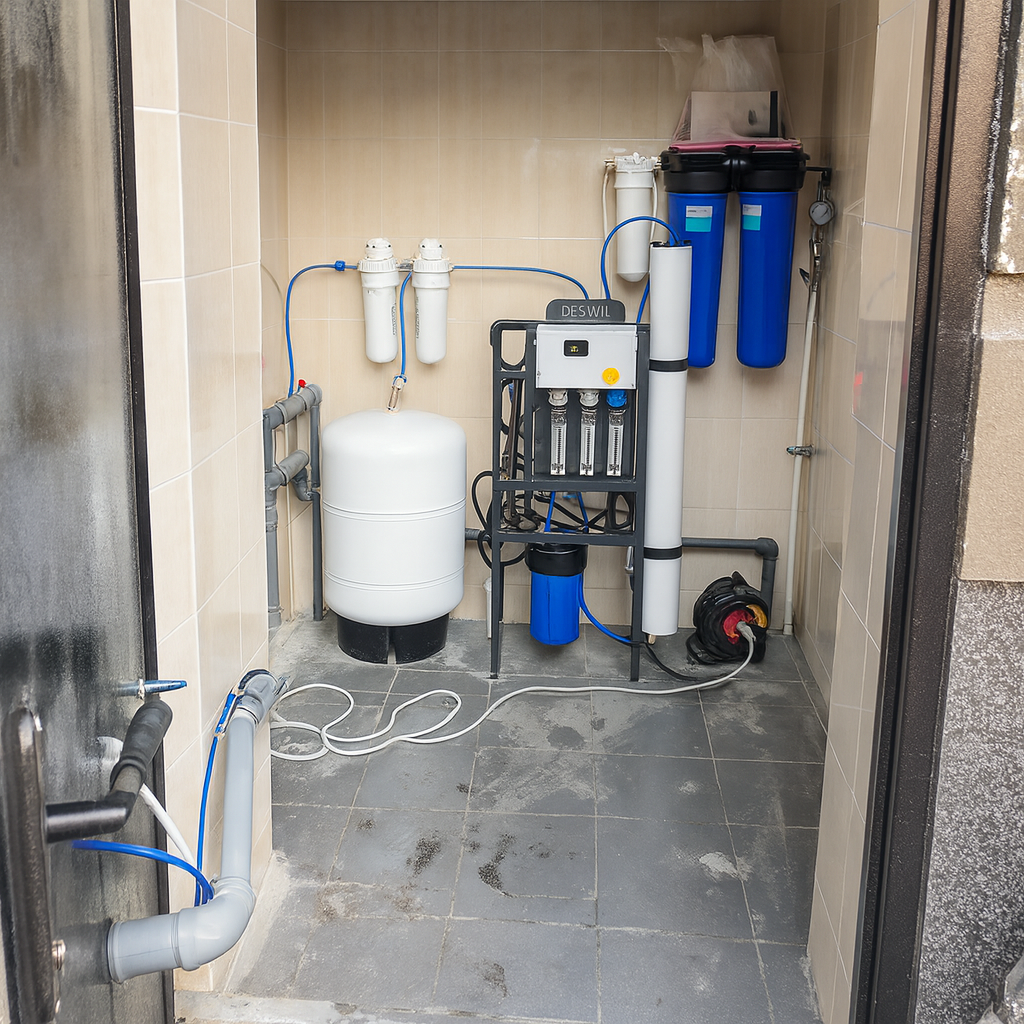
  • Tap water in the UK is thoroughly treated and tested for contaminants. Still, in some regions, particularly in old houses and buildings that use water from private supplies, you can find tap water with trace amounts of lead, PFAS, pesticides, agricultural nitrates, and microplastics. You can remove these impurities with a reverse osmosis filter.
  • In most cases, you do not need a water filter in the UK, as the local tap water is highly safe. But if you want to improve taste and odour, remove hard minerals, and ensure tap water from old plumbing is properly purified, you are highly recommended to use water filters.

  • Hard water is safe to drink. However, it is better to reduce hardness to avoid limescale deposits in kitchen appliances and prevent skin and hair dryness. Also, hard minerals affect the taste of meals and beverages made from water rich in calcium and magnesium.

  • Water companies in the UK test tap water daily. Additionally, UK water mains and the wider public supply network undergo many quality and safety tests every year.

  • The answer depends on the child's age. But in general, UK tap water is very safe for children to drink. The NHS Guidelines on Drinks and Cups recommend that adults can give kids at 6 months old tap water to drink without boiling it. As soon as they begin eating solid foods, tap water is safe for them in the UK. For kids under 6 months, to prepare meals from powdered infant formula, tap water must be boiled first.

Clean Water, Proven in Practice

Complete Water Treatment for Reliable Restaurant Operations

Complete Water Treatment for Reliable Restaurant Operations

  • Installation site: United Kingdom

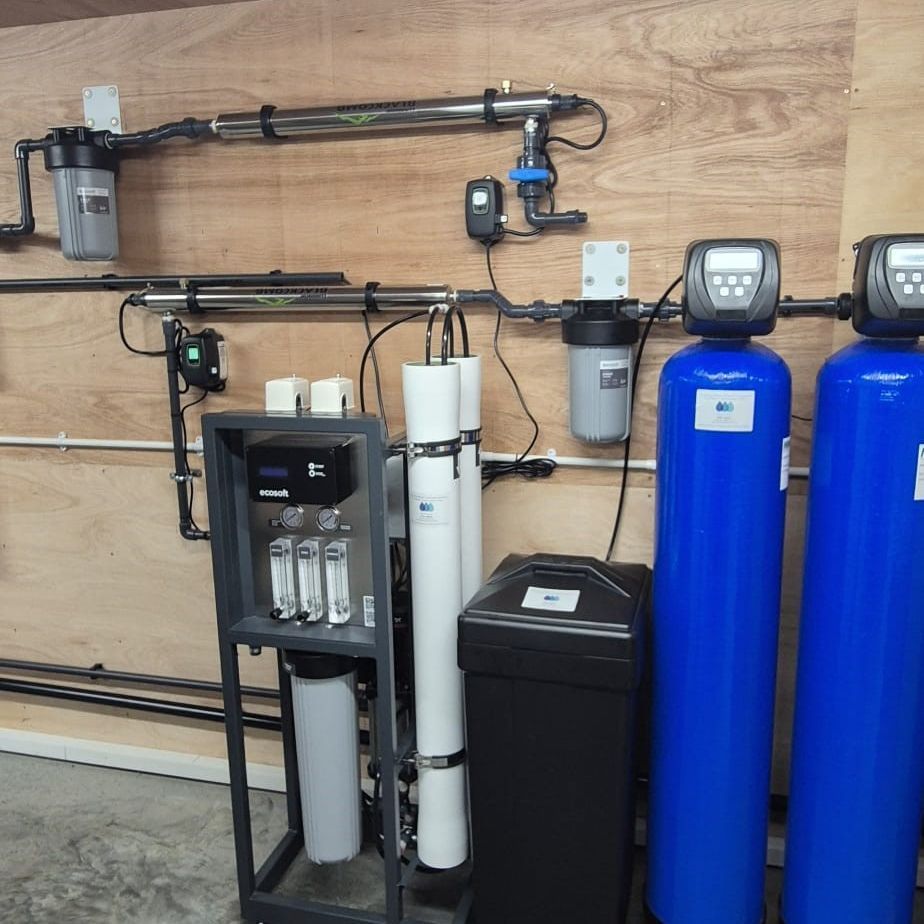
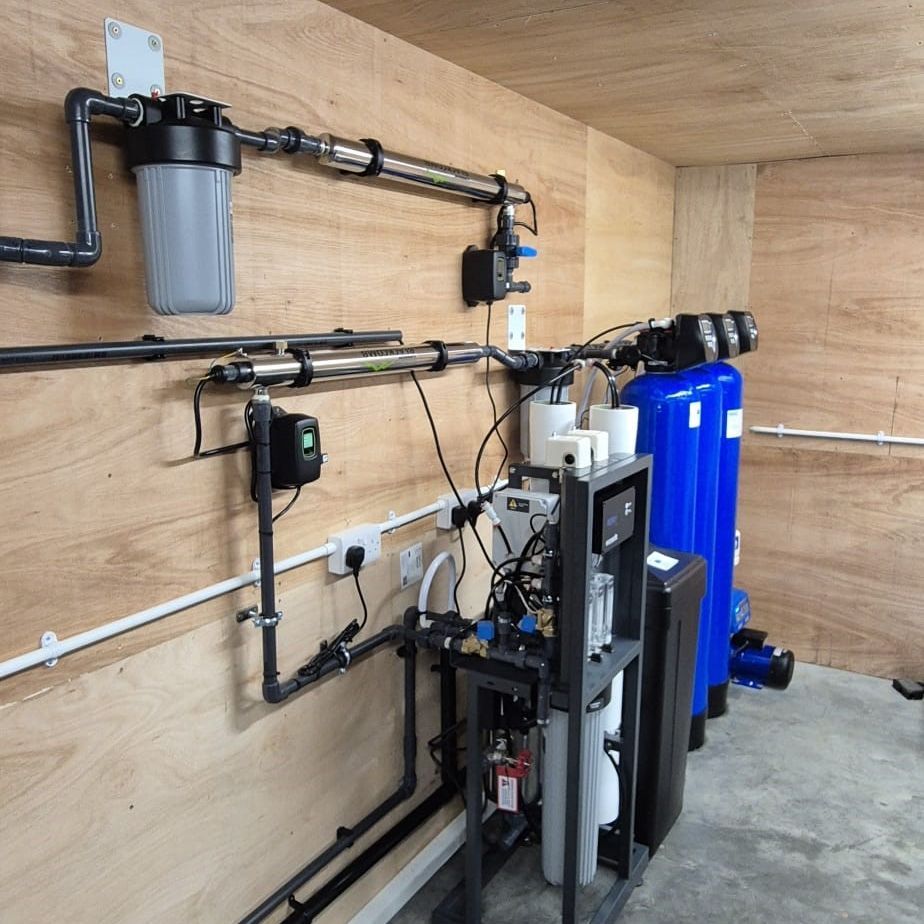
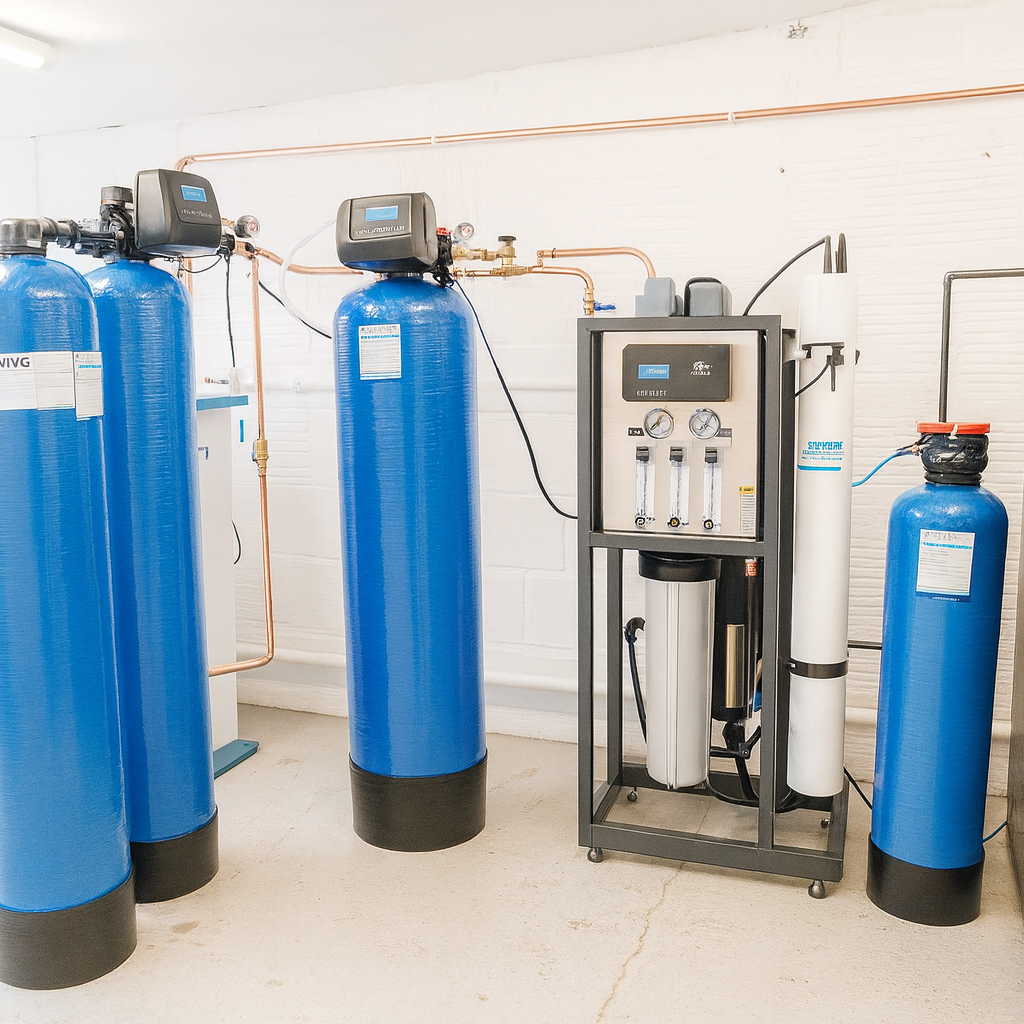
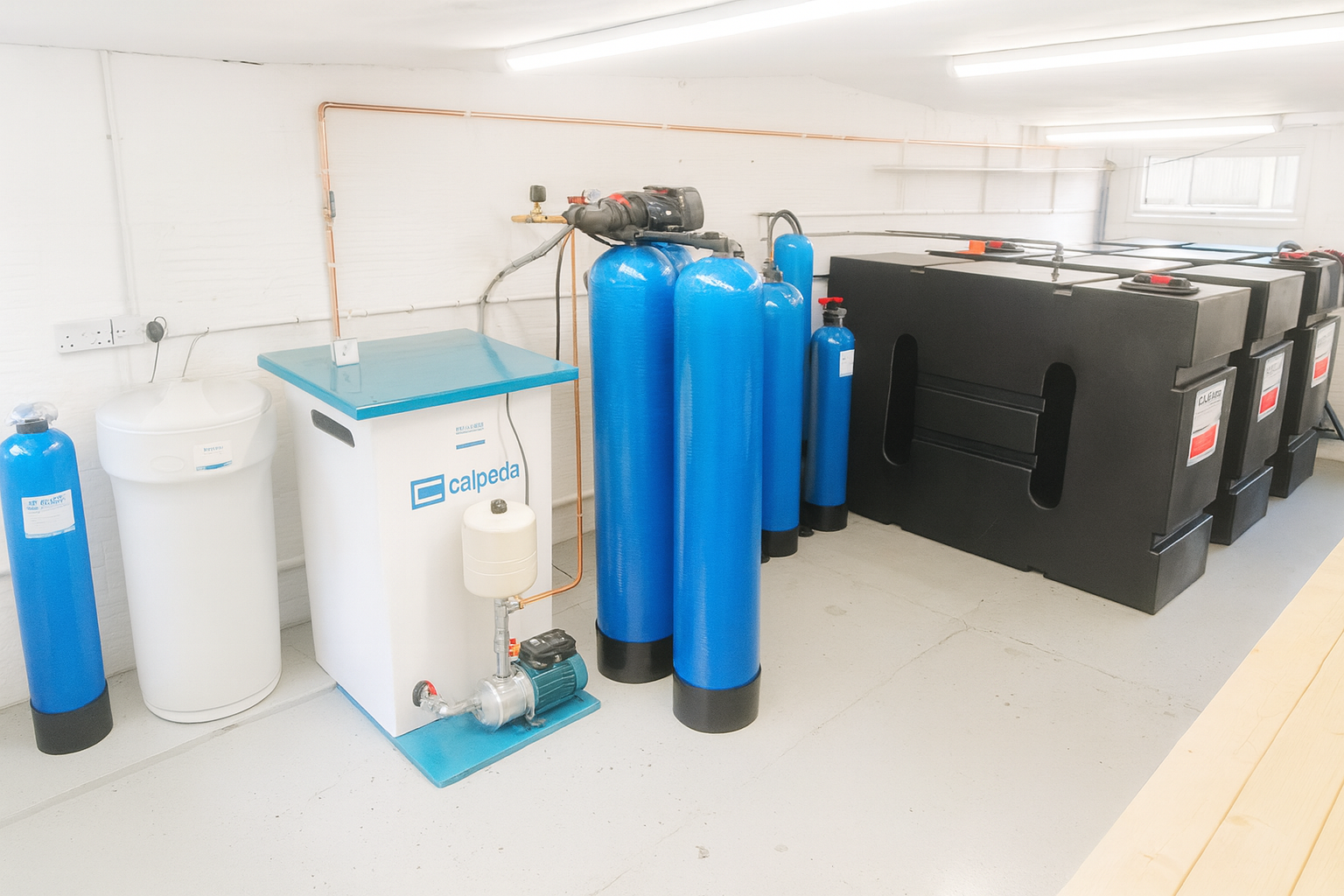
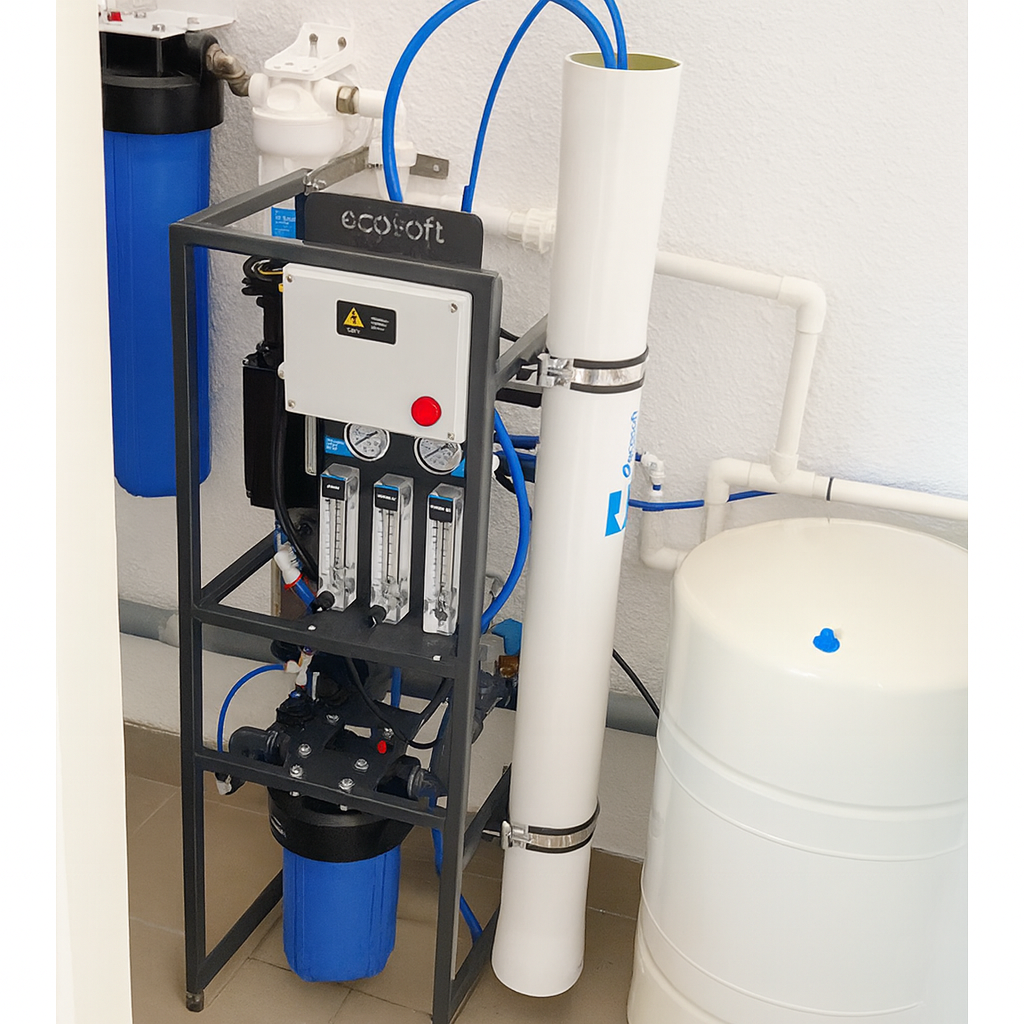
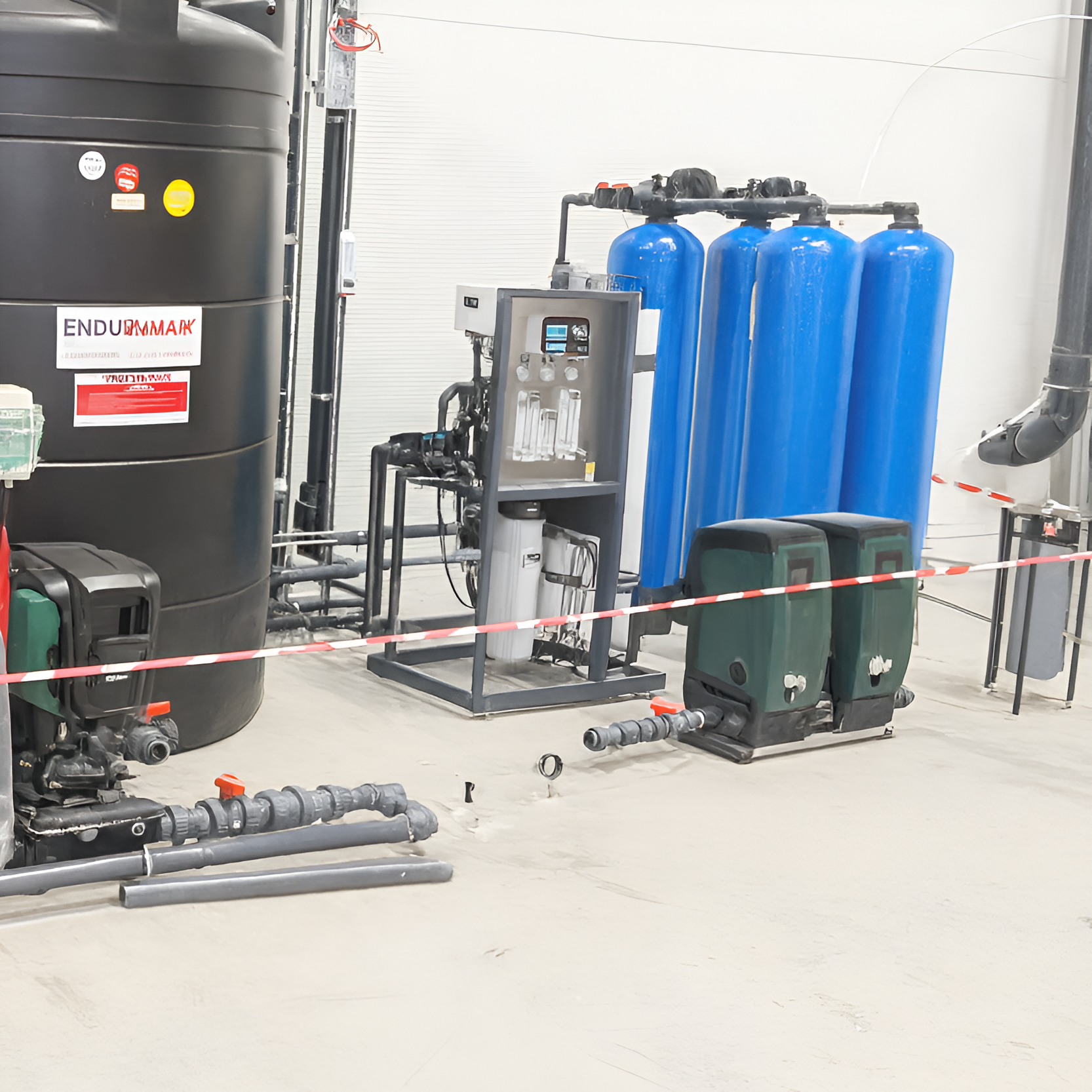
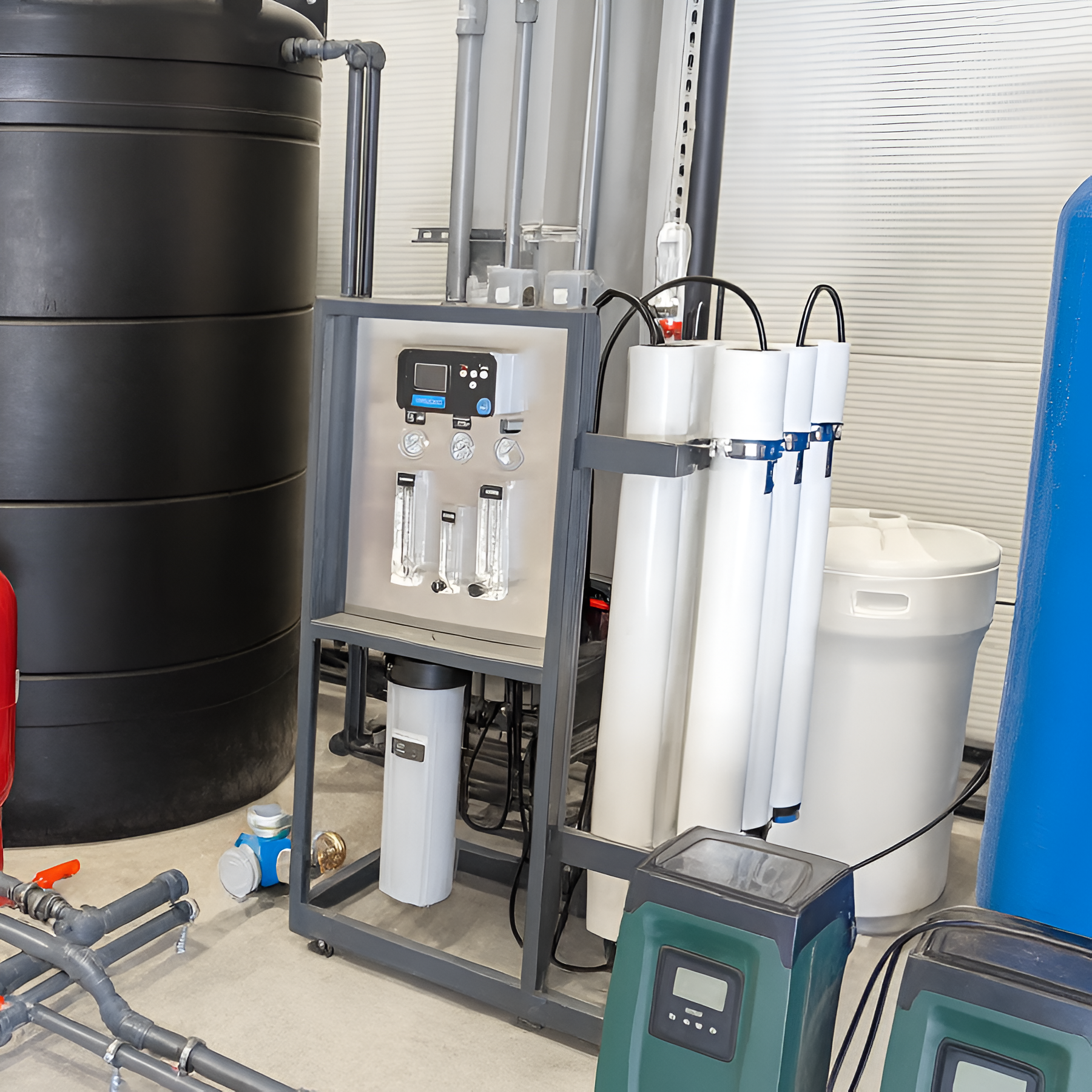
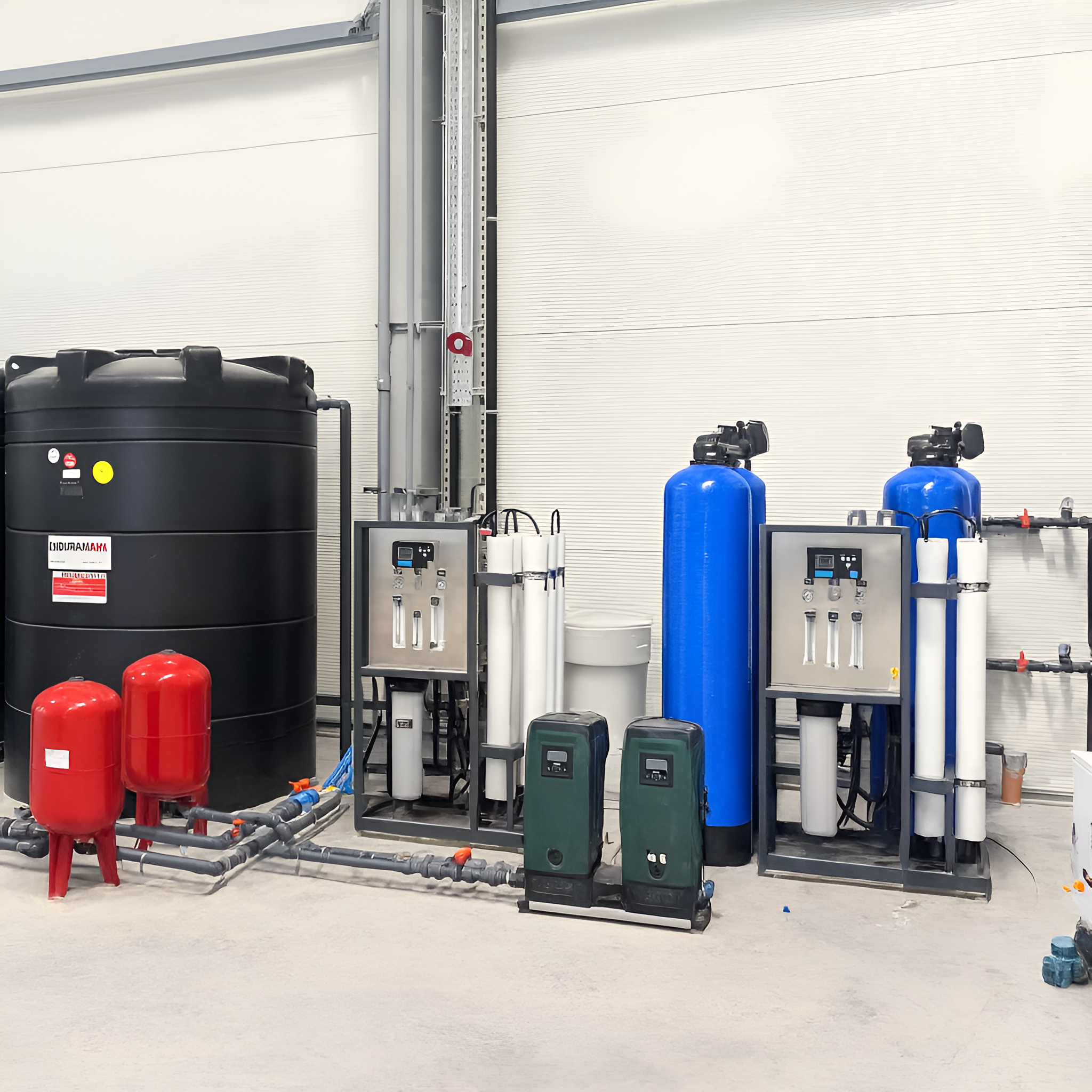
  • Problem Description: A restaurant required a complete water treatment solution to address turbidity, hardness and bacterial risks while maintaining consistent water quality across the site. Protecting the reverse osmosis system and reducing limescale-related maintenance were also important to support reliable day-to-day operation. The installed setup combined turbidity reduction, water softening, carbon filtration, UV sterilisation, reverse osmosis, remineralisation and storage for peak demand. As a result, the site now benefits from stable, high-quality water, better equipment protection and smoother kitchen operations.

    This version is aligned with Ecosoft website guidance: clear, trustworthy and benefit-led, with commercial end-user messaging focused on reliability, ease, low maintenance and fit-for-purpose water rather than unnecessary technical detail.

  • Used Product Categories: Reverse Osmosis Systems
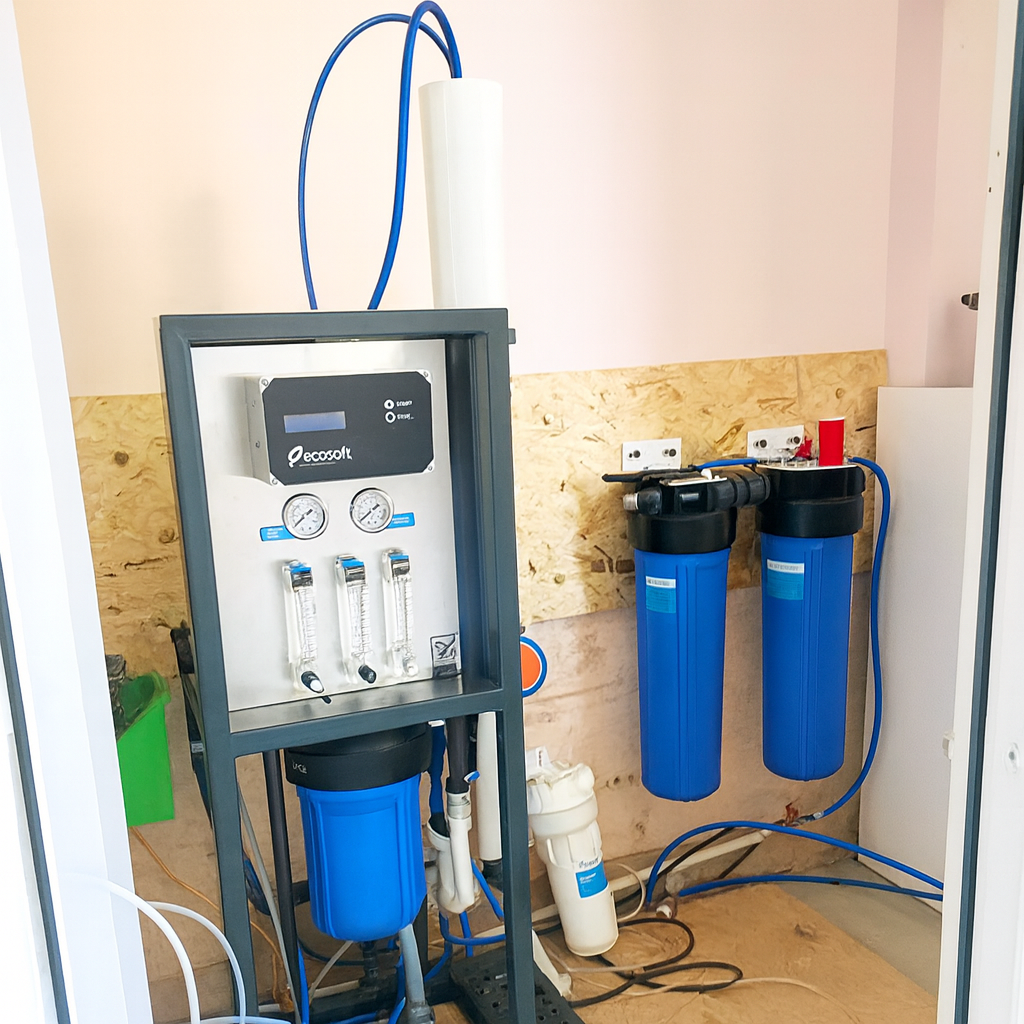
  • Installed Products: Ecosoft Professional MO12000 4″ reverse osmosis system , Ecosoft 21x62 backwash filter assembly without media with 1.25" CE valve
Commercial water treatment
Softening
Commercial RO Upgrade for Laboratory Water Quality

Commercial RO Upgrade for Laboratory Water Quality

  • Installation Site: United Kingdom

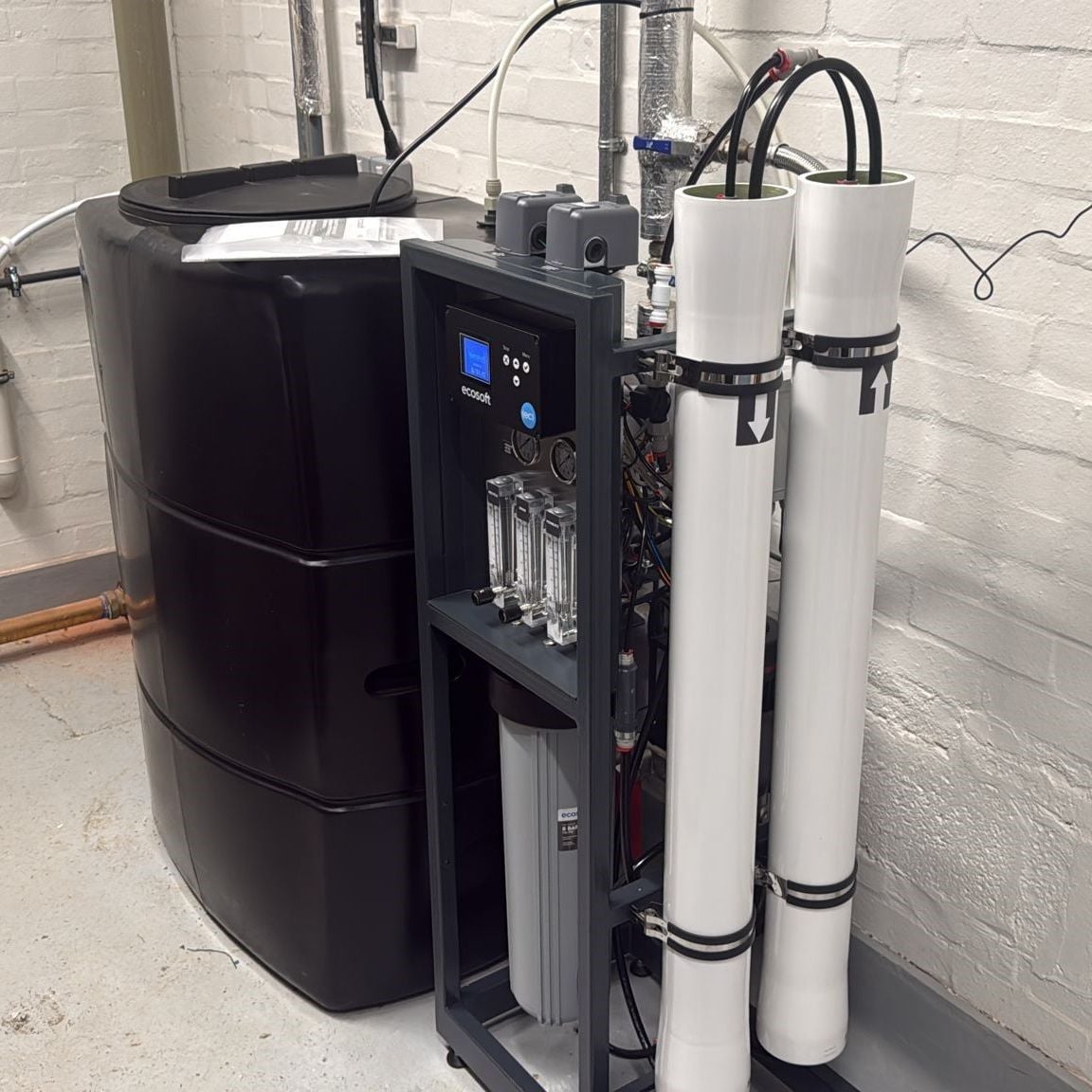
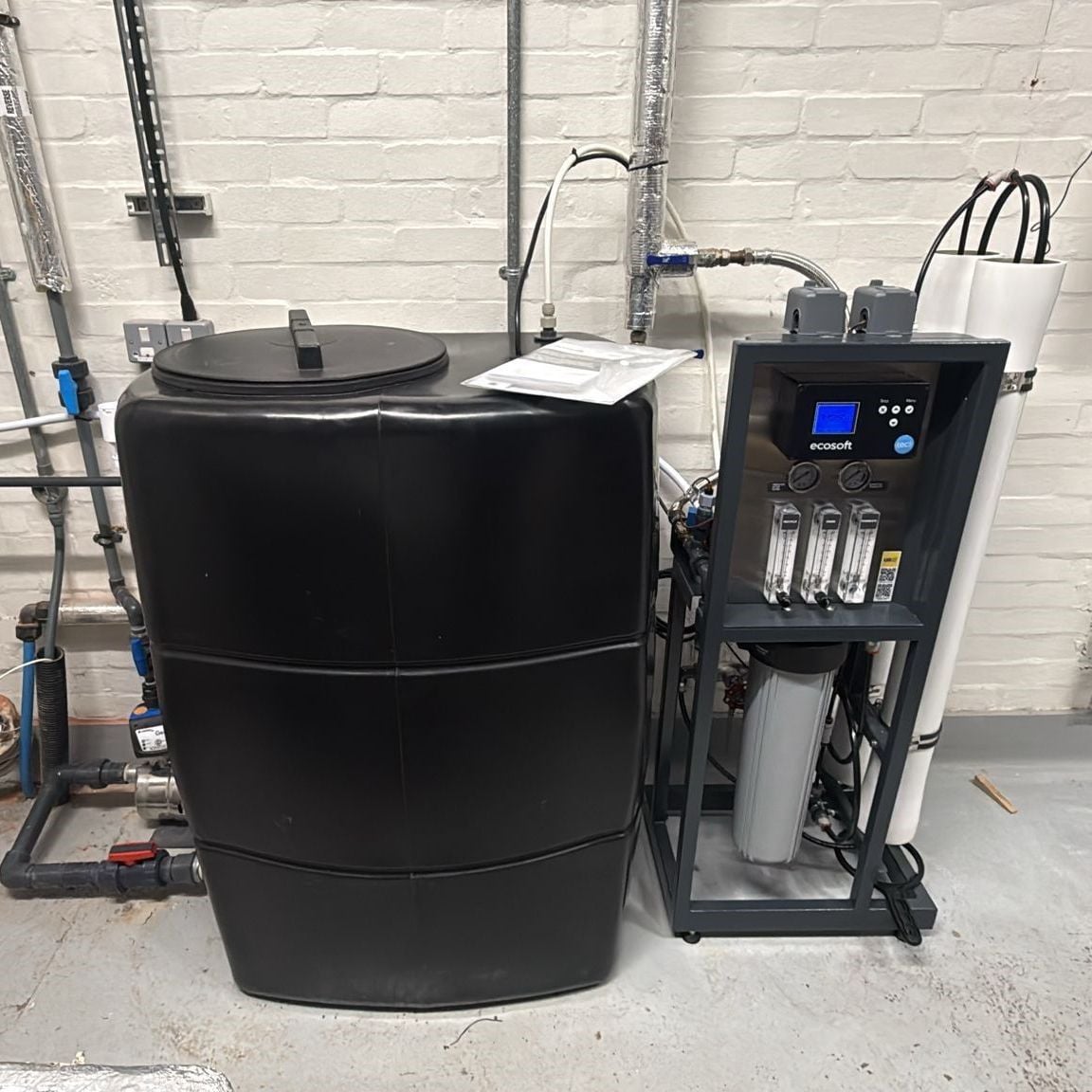
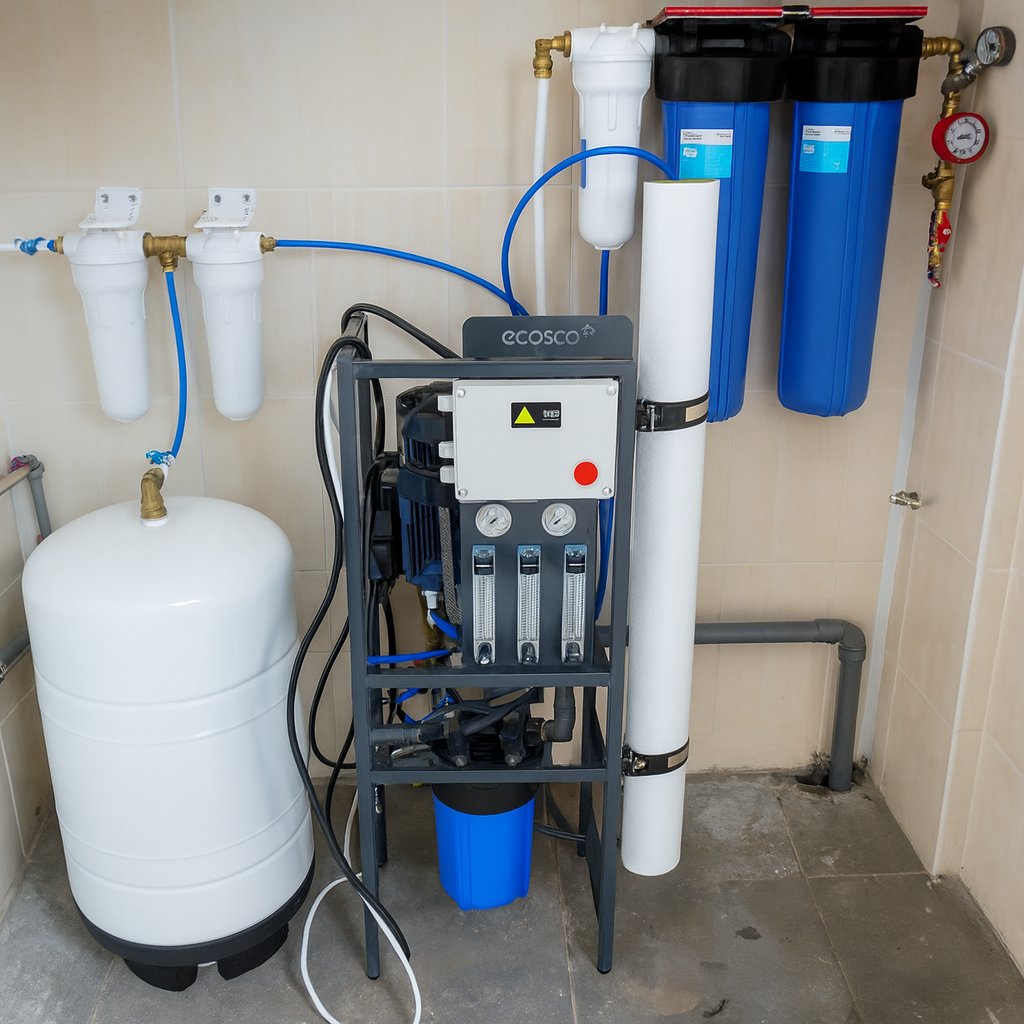
  • Problem Description: A research and innovation campus in the United Kingdom needed to replace an ageing reverse osmosis system that was no longer delivering stable performance in a laboratory environment. Inconsistent total dissolved solids (TDS) levels and reduced permeate flow created a risk for operations where water quality had to remain consistent. The site was upgraded with a new commercial reverse osmosis system and remote monitoring, helping secure stable purified water quality, improve permeate flow and give the facilities team real-time visibility of system performance. As a result, the installation supports more reliable day-to-day operation and reduces operational risk.

  • Used Product Categories: Reverse Osmosis Systems
  • Installed Products: Ecosoft Professional MO12000 4″ reverse osmosis system
Commercial water treatment
Window cleaning business

Window cleaning business

Containers and skid mounted systems
Softening
Commercial water treatment
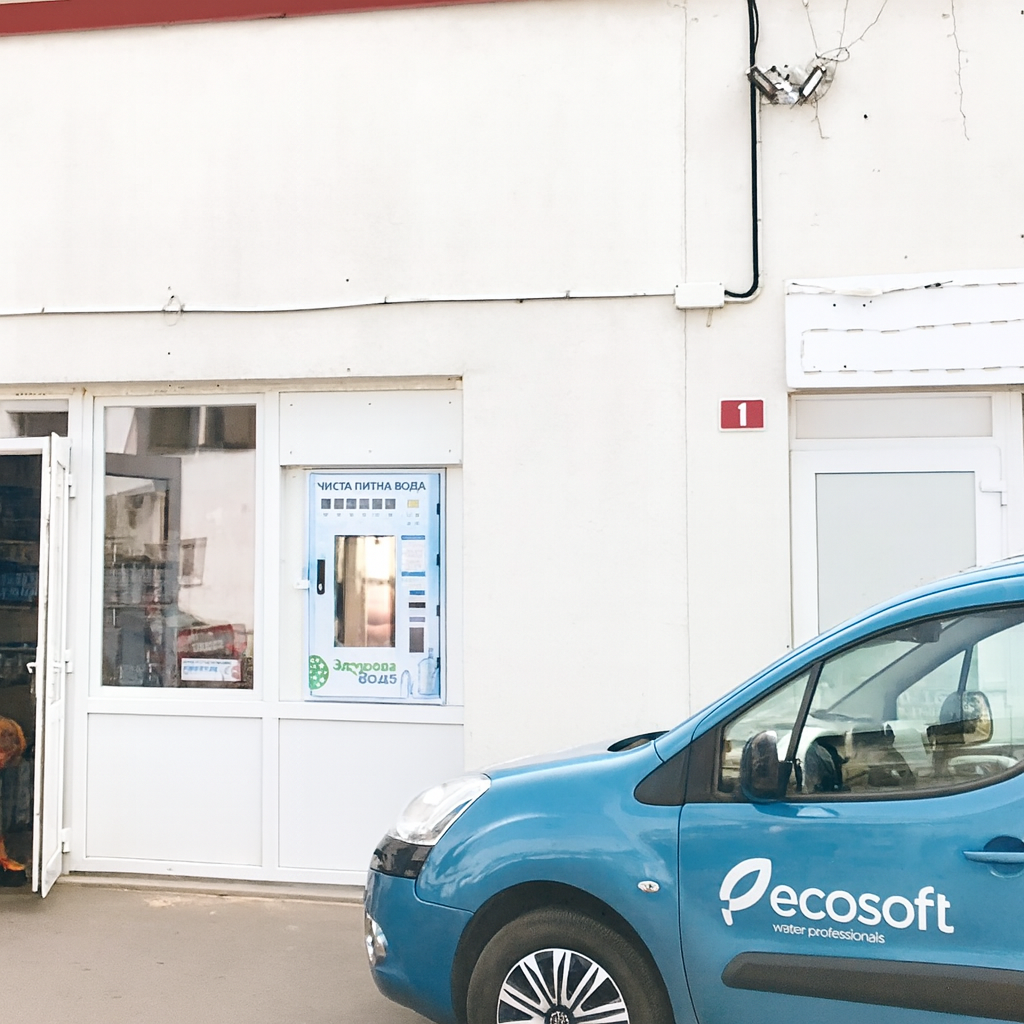
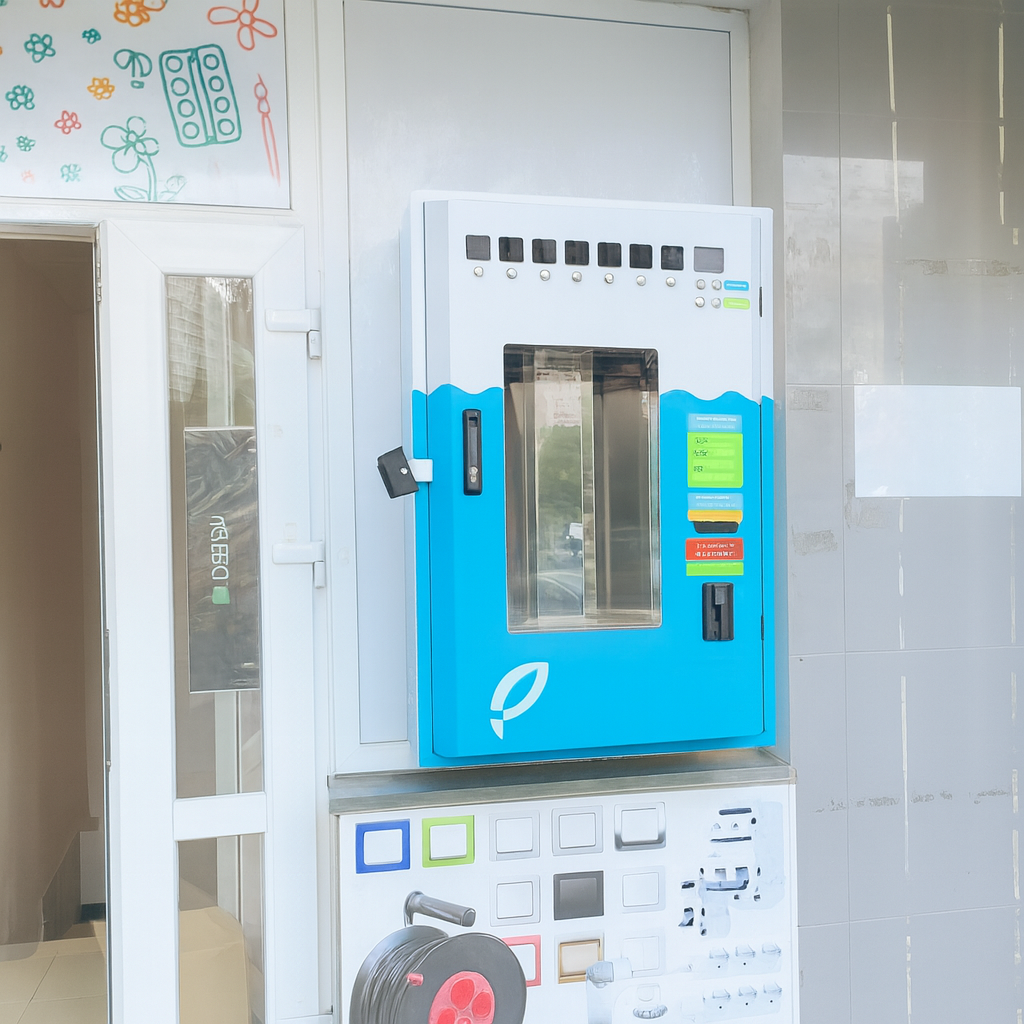
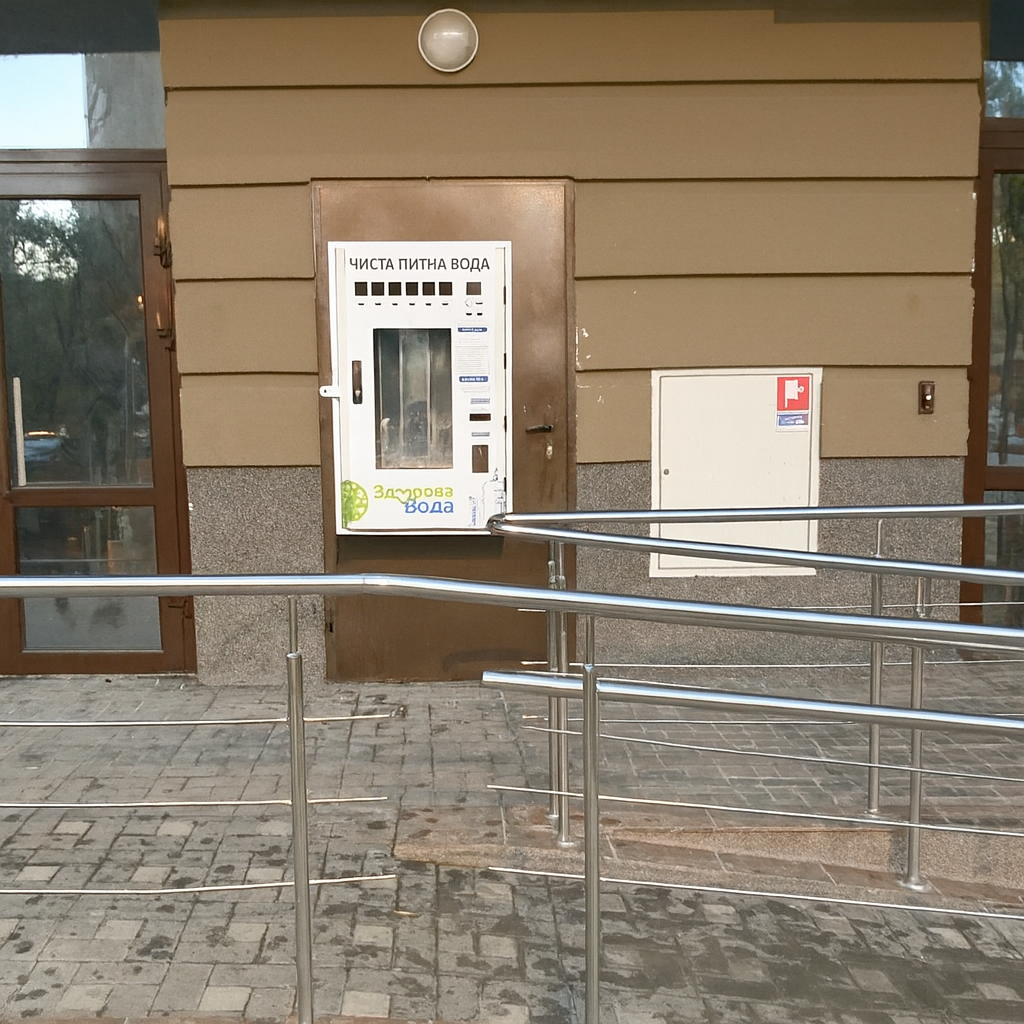
Water dispensing panel in Rivne

Water dispensing panel in Rivne

Water vending
Drinking water
Commercial water treatment
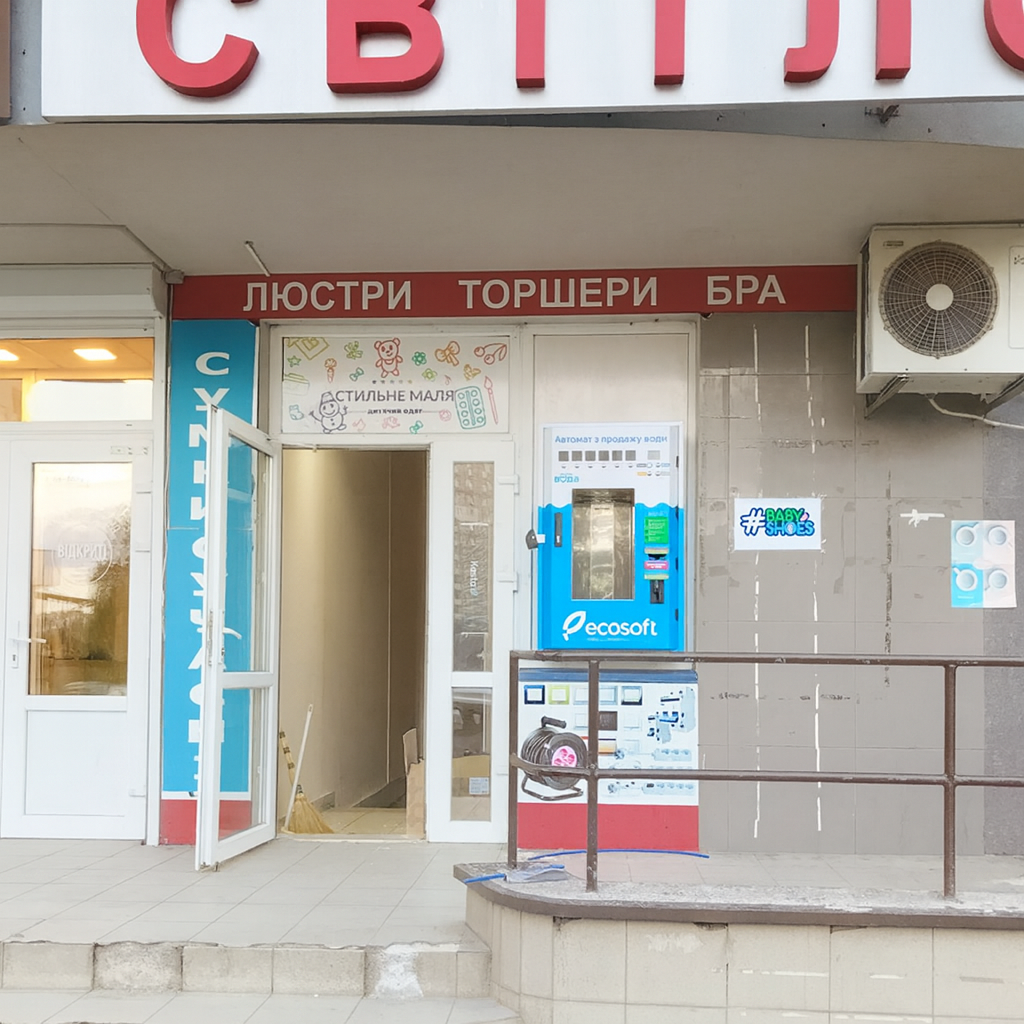
Water dispensing panel in Kyiv

Water dispensing panel in Kyiv

Water vending
Drinking water
Commercial water treatment
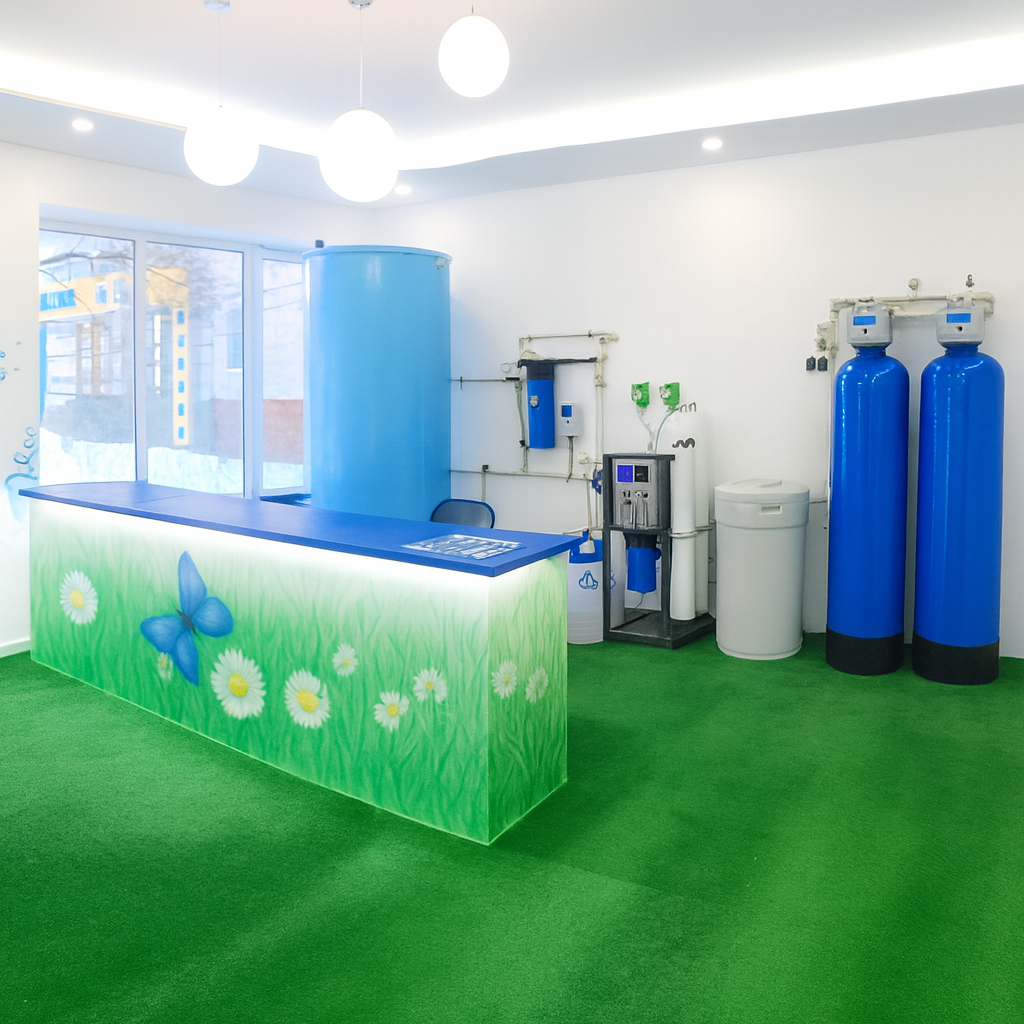
Water dispensing panel in Troieshchyna district

Water dispensing panel in Troieshchyna district

Water vending
Drinking water
Commercial water treatment
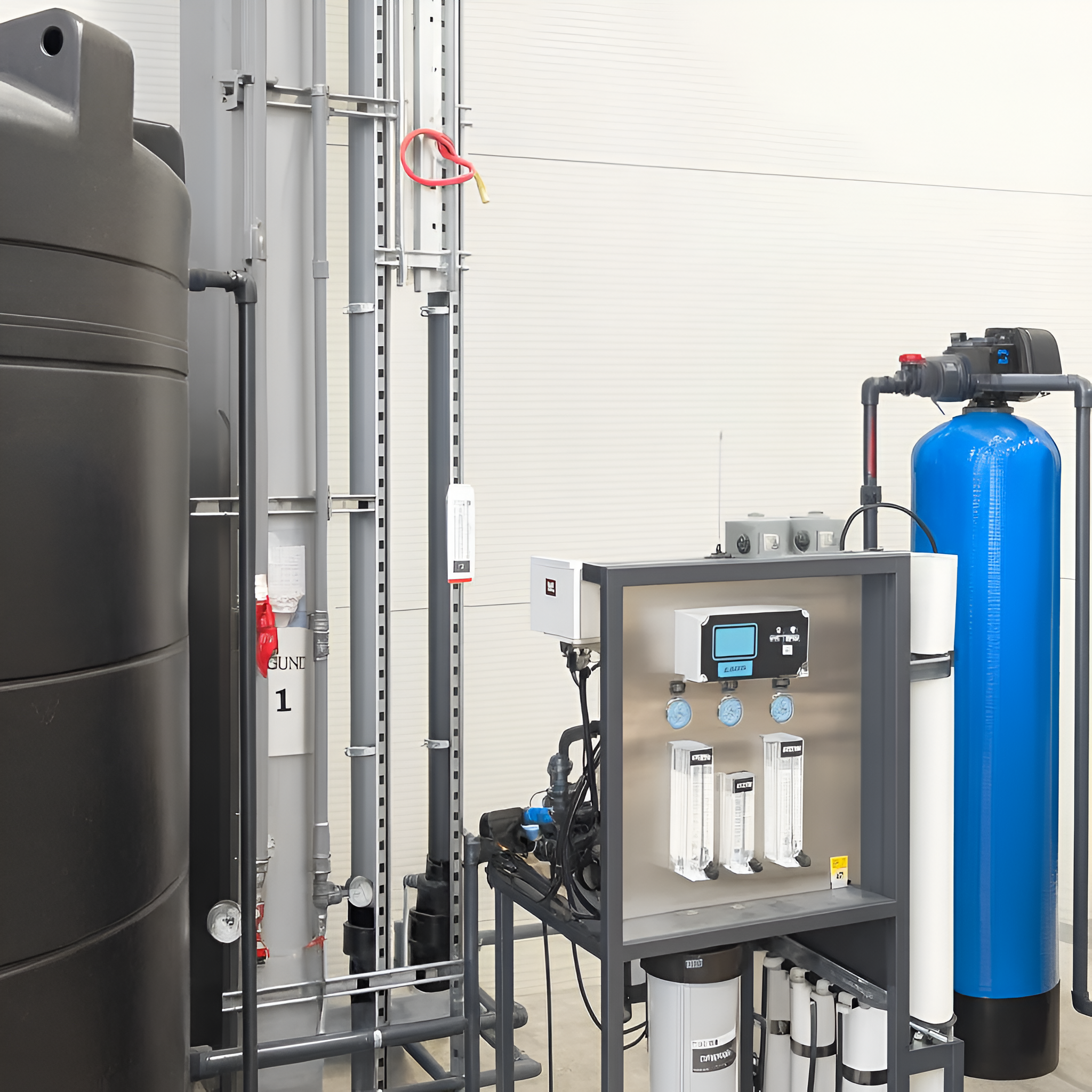
Water bottling facility in Chernihiv

Water bottling facility in Chernihiv

Drinking water
Commercial water treatment
Water purification system for a glass factory

Water purification system for a glass factory

Industrial water Treatment
Containers and skid mounted systems
Softening
Commercial water treatment
Water purification for drinking needs in hospitals and schools

Water purification for drinking needs in hospitals and schools

Drinking water
Commercial water treatment
Well water