


Laboratory Water Purification Systems
Our laboratory water purification systems
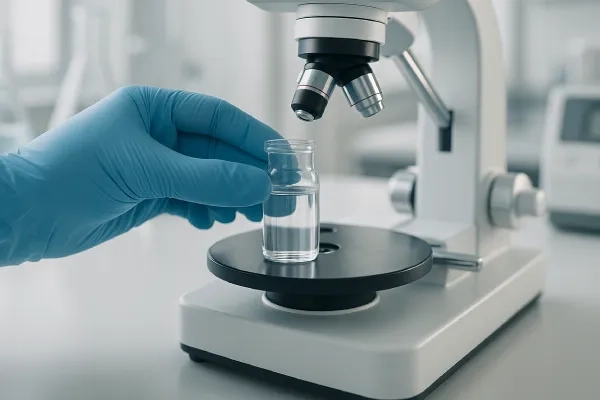
Sediment & carbon filters
Reliably remove sand, rust, chlorine, or organic contaminants from your lab water.
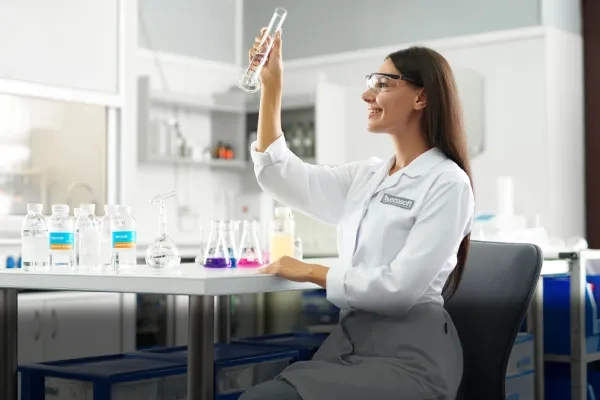
Reverse osmosis filters
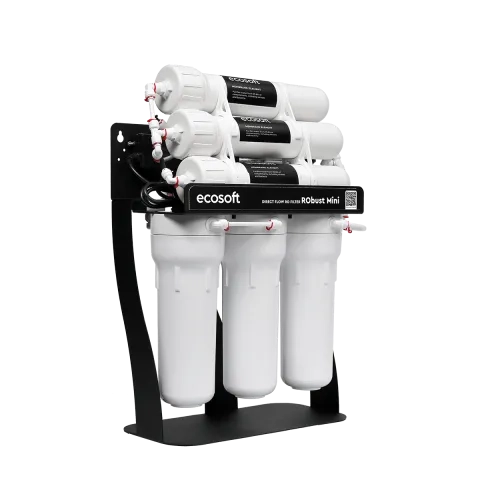
Compact RO filters with great recovery rates to achieve type 3 water on-site in your lab.
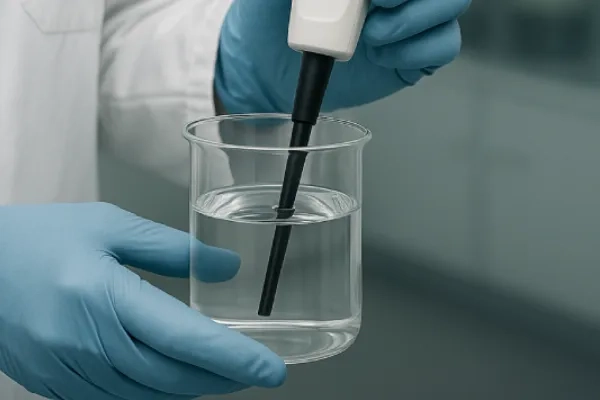
Deionisation filters
Achieve lab water with a TDS level of up to 5 ppm thanks to our powerful ion exchange resin.
Why laboratories trust Ecosoft
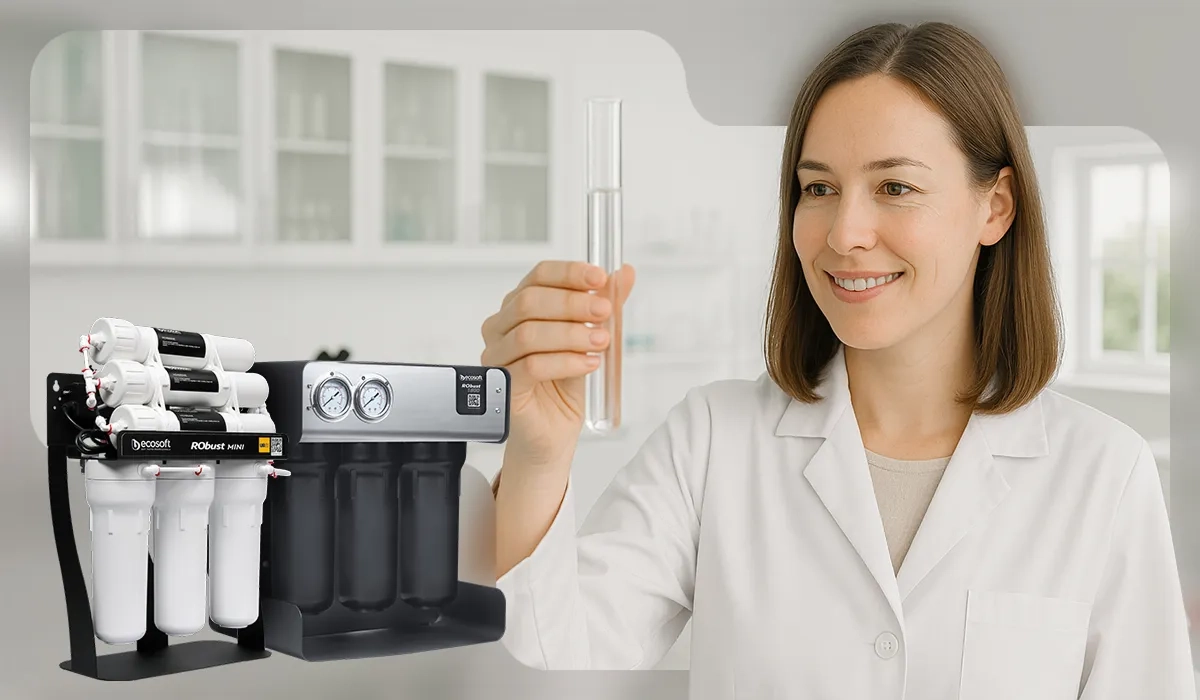
Contaminant-free water
Protect your lab equipment
Sustainability through efficiency
Recommended products for labs
-
£ 505.60 excl. VAT£ 611.20 incl. VAT
-
£ 1,020.00 excl. VAT£ 1,161.60 incl. VAT
-
£ 1,970.67 excl. VAT£ 2,364.80 incl. VAT
-
£ 1,642.67 excl. VAT£ 1,971.20 incl. VAT



Clean Water, Proven in Practice
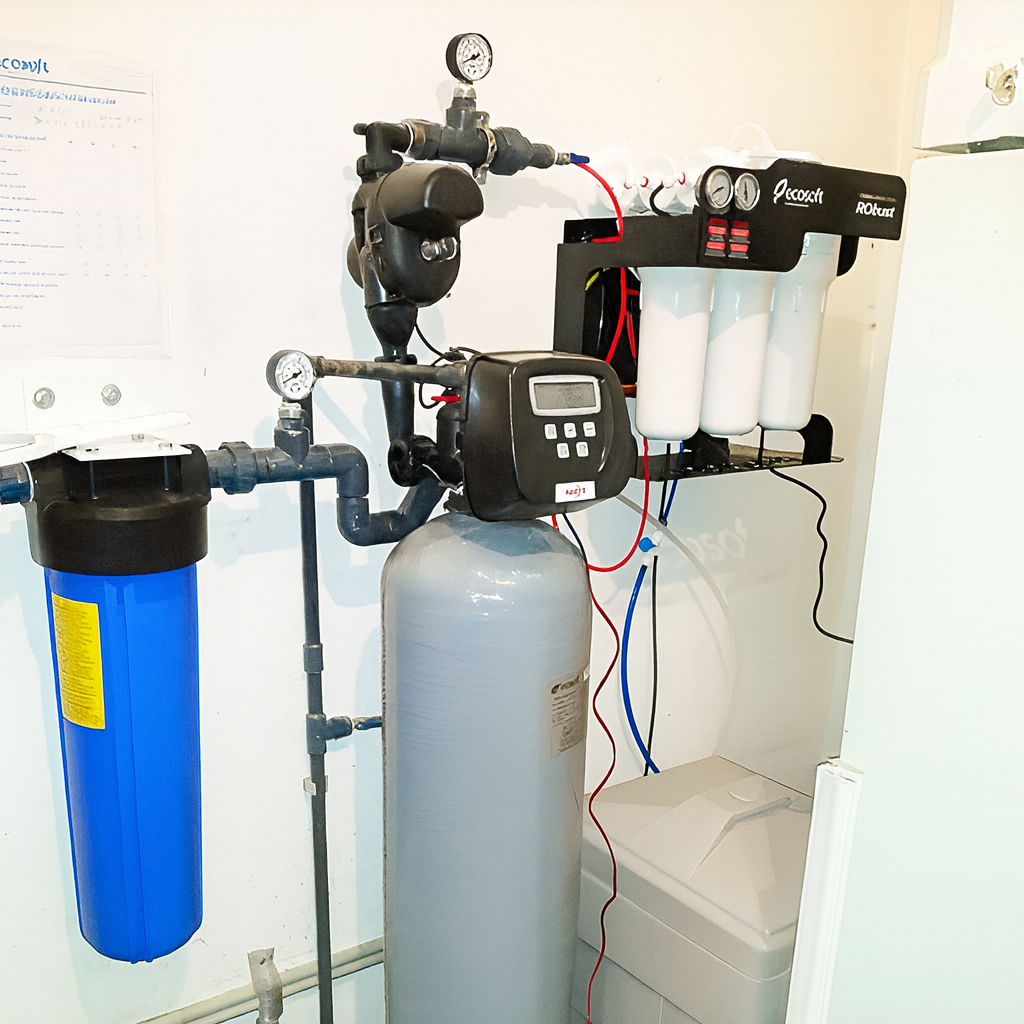
Drinking water for OKKO filling station
Installation Site: Zalisia, Ukraine
Problem Description: Municipal water treatment for coffee and beverage preparation. The system eliminates scale formation in coffee machines, extending their lifetime and reducing service costs, while ensuring safe drinking water for consumers and staff
- Used Product Categories: Reverse Osmosis Systems , Filtration systems , Water filters
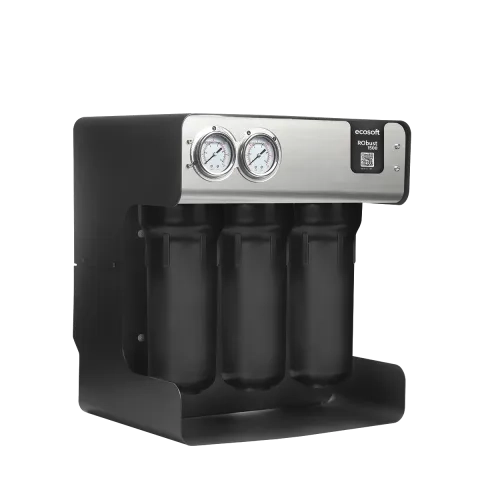
- Installed Products: Ecosoft RObust 1500 direct flow reverse osmosis system , Big Blue 4.5"x20" in-line water filter , Ecosoft 14x65 softener assembly without media with 1" CE valve
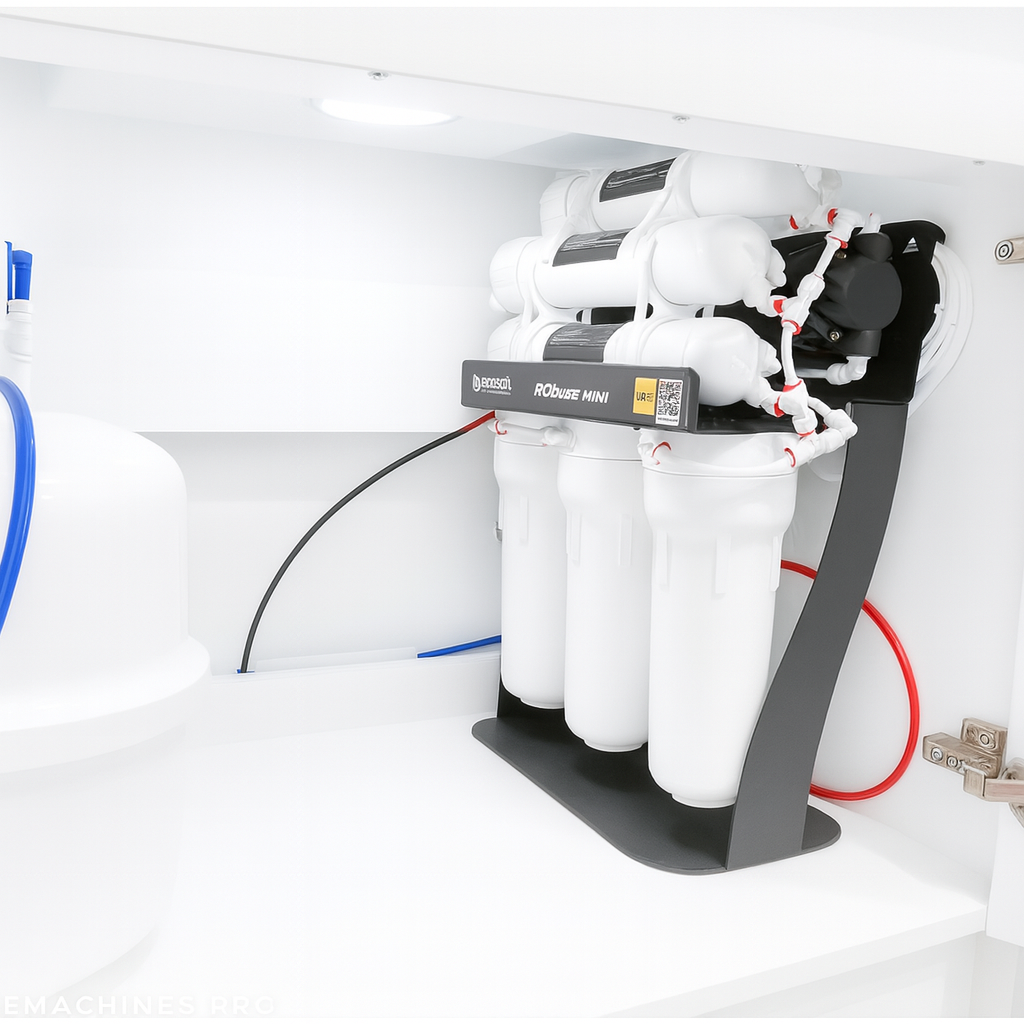
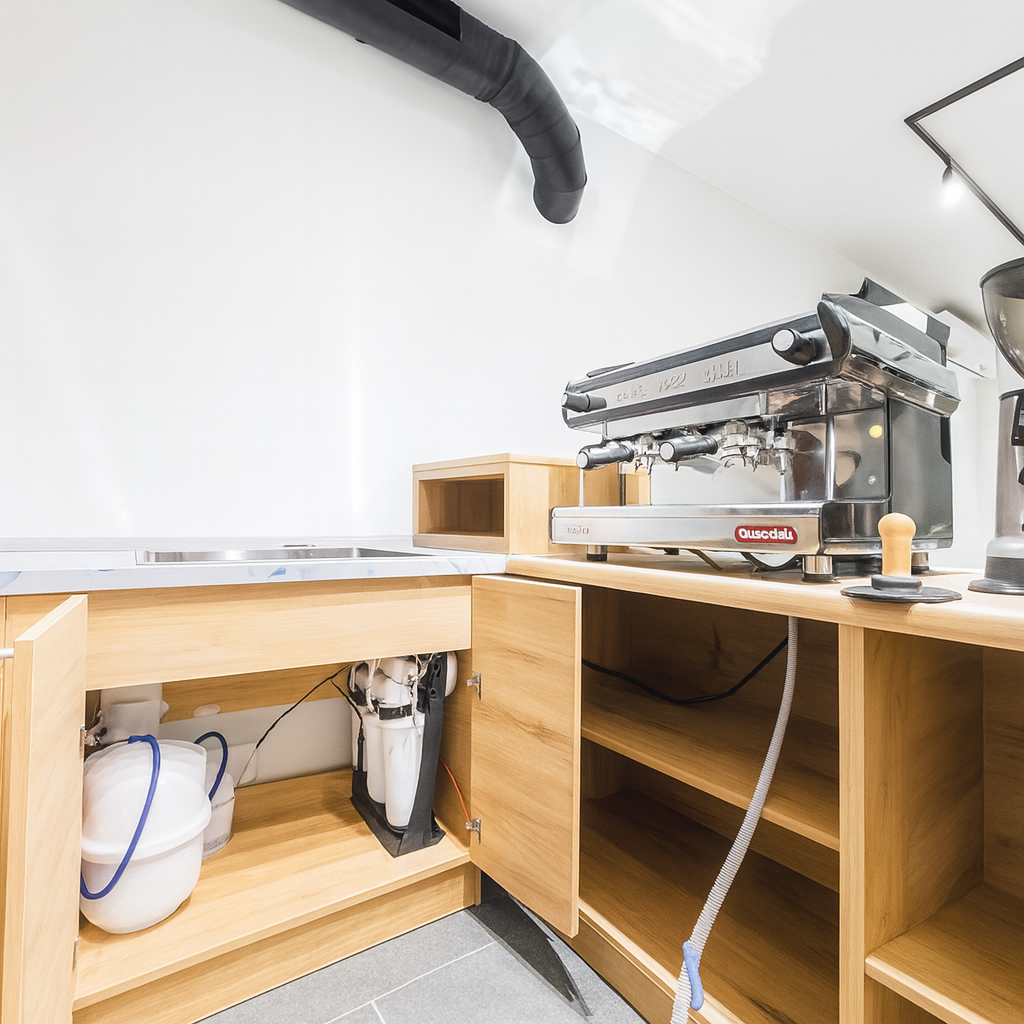
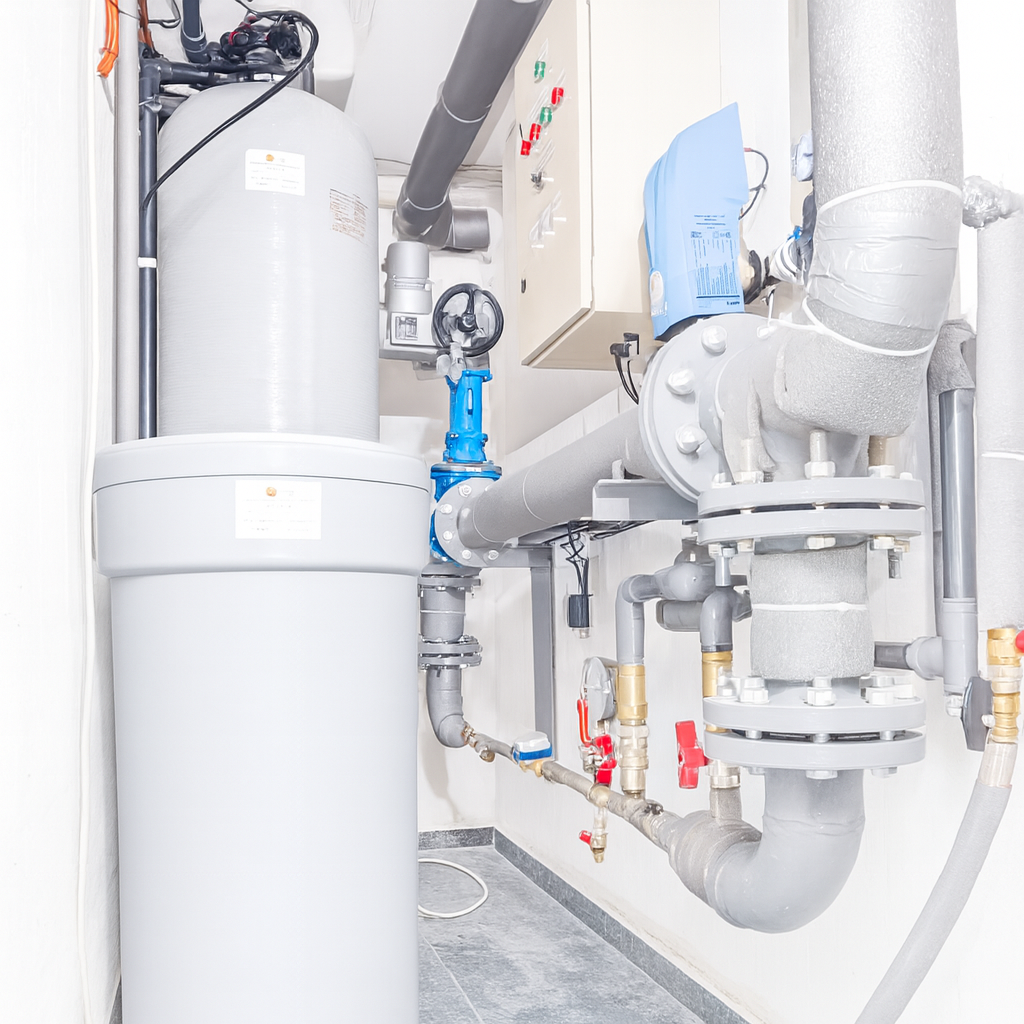
Water purification system for Hunters service station
Installation site: Kyiv region, Ukraine
Problem description: Well water contained iron, hardness, and manganese, making it unsuitable for washing, WC, and coffee preparation. The installed system provides purified water for technical use and optimised mineralised water for coffee machines
- Used Product Categories: Reverse Osmosis Systems , Filtration systems , Water softeners , Water filters
- Installed Products: Ecosoft RObust Mini direct flow reverse osmosis system , Ecosoft 16x65 TWIN well water softener with 1” CE valve , BWT Infinity mechanical filter , BWT Bestmin mineralizer
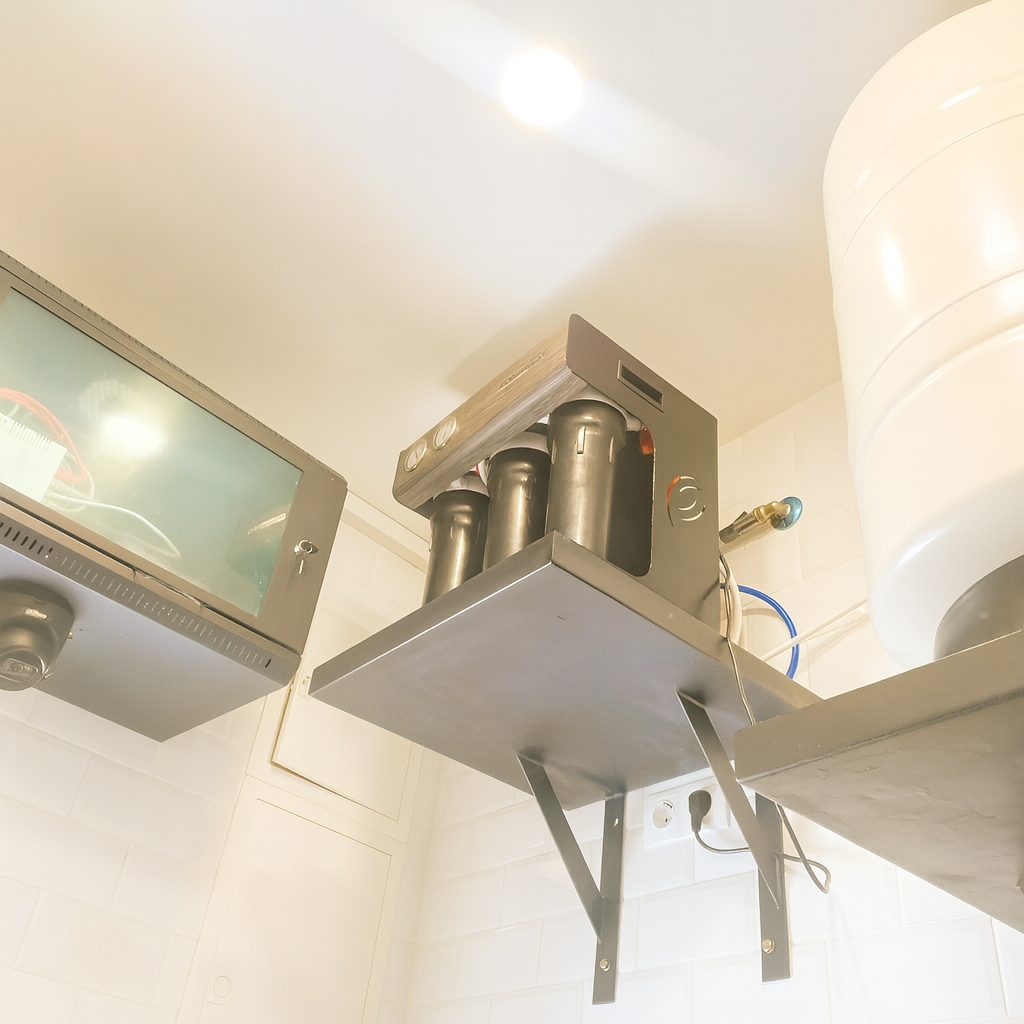
Water purification for IDEALIST COFFEE CO café
Installation Site: Ukraine
Problem Description: Tap water contained impurities and required purification to meet the needs of the café, including safe drinking water and consistent water quality for the coffee machine
- Used Product Categories: Reverse Osmosis Systems
- Installed Products: Ecosoft RObust 1500 direct flow reverse osmosis system
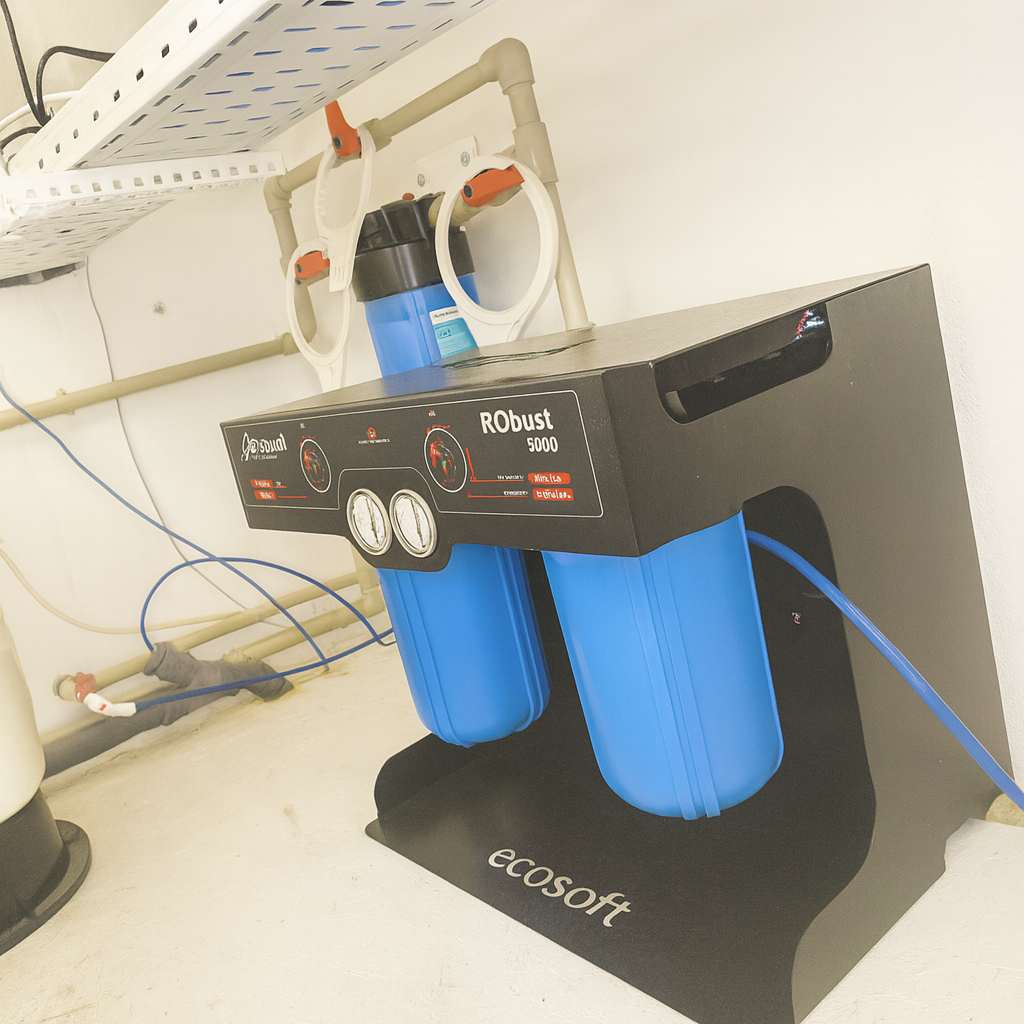
Water purification for Dubler cafe
Installation site: Kyiv, Ukraine
Problem description: Supplied water had poor quality and required purification for food preparation. The installed system provides clean and safe water with controlled mineralisation
- Used Product Categories: Reverse Osmosis Systems
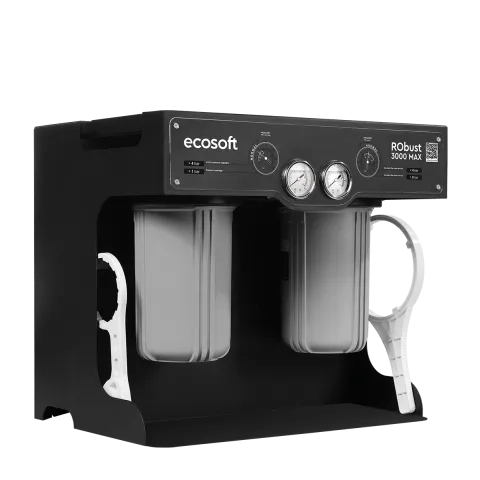
- Installed Products: RObust 3000 reverse osmosis filter , Big Blue 4.5"x20" in-line water filter
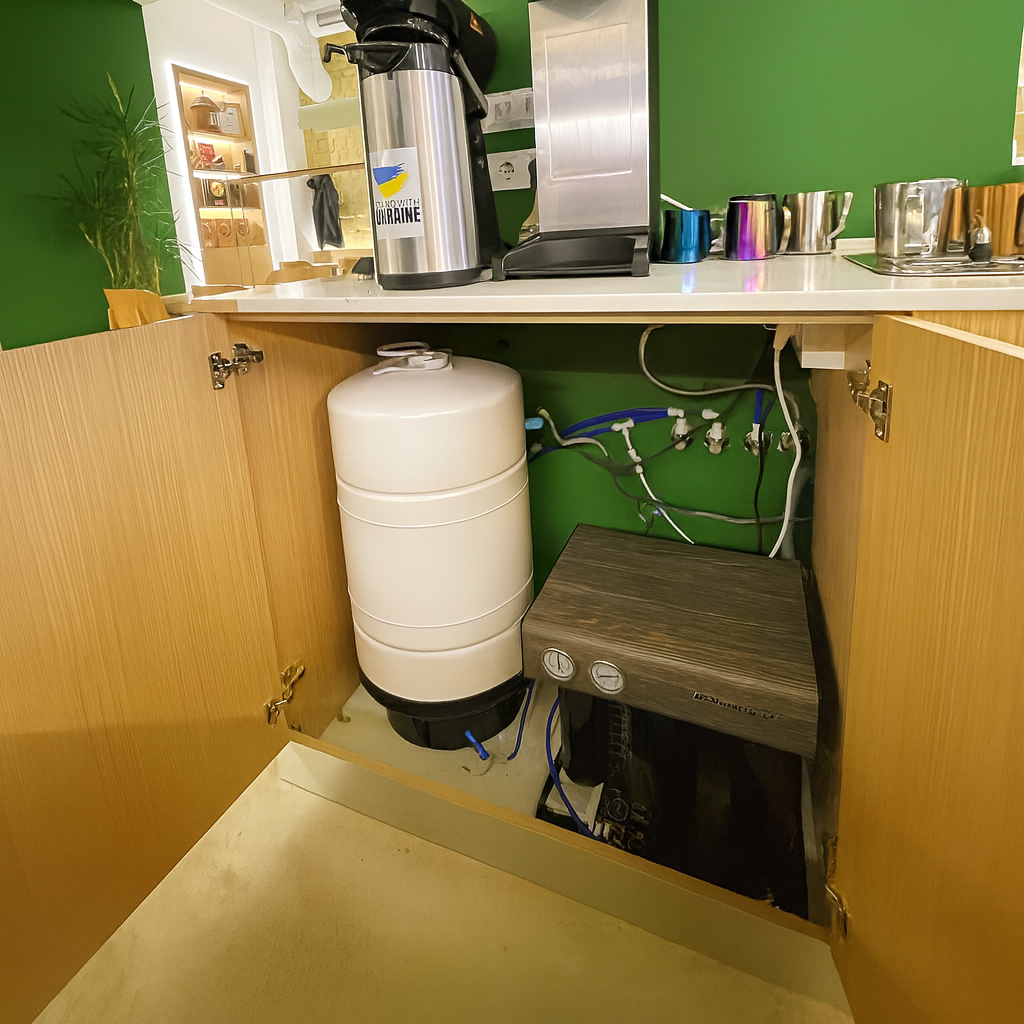
Water optimisation for Nuance coffee
Installation site: Kyiv, Ukraine
Problem description: Piped water required purification for the coffee machine and drinking tap. The installed system ensures optimised water with stable mineralisation for coffee preparation
- Used Product Categories: Reverse Osmosis Systems
- Installed Products: Ecosoft RObust 1500 direct flow reverse osmosis system
Our services & support for labs

On-site service

Callback service

Email consultation
RObust for Coffee Machines — Find Out More
You’re interested in our solutions for your lab? Let’s talk!
Your questions, answered
-
What recovery rates do your RO filters have?
The recovery rates of our reverse osmosis filters differ from product to product, but are always at least 50%.
Our RObust 1500 direct flow reverse osmosis filter, for example, has a recovery rate of 60–65%, while its small brother, the RObust Mini direct flow reverse osmosis filter, has a recovery rate of 50%.We constantly work on enhancing the efficiency and therefore sustainability of our RO filters and hope to improve recovery rates even more in the future.
-
Which TDS levels are required for labs?
The Total Dissolved Solid (TDS) level required for your lab depends on the kind of work you do. The higher the TDS level, the more organic and inorganic matter is dissolved in the water, which can interfere with procedures, measurements and experiments.
General lab work usually requires a TDS level of 10 ppm or lower, while more analytical testing ideally has a TDS level of 5 ppm or lower. Very sensitive tasks such as the work with cell cultures requires an even cleaner environment with TDS levels of 1 ppm or lower.
Please keep in mind that the exact rules regarding TDS levels for certain tasks are clearly defined, usually by a local authority. Make sure to follow the standards laid out by the relevant body for your lab work.
-
Do I need to use a tank with these systems?
We recommend using a tank whenever you connect one of our reverse osmosis filters to an additional device to average out TDS levels and achieve consistent results.
-
What TDS is required for the inlet water?
The required TDS level of the inlet water depends on the filter you use. All our RObust reverse osmosis filters require a TDS level of 1,000 ppm or less.
-
Can I achieve type 1, 2, and 3 purity with your products?
It is possible to achieve type 3 purity with Ecosoft products alone by combining for example the reverse osmosis filter RObust 1500 with a demineralisation cartridge.
This water with type 3 purity is ideal for autoclaves, ultrasonic scalers, rinsing dishes, and preparing laboratory solutions.
Unfortunately, achieving type 1 and 2 purity isn’t possible with Ecosoft products alone at the moment – our reverse osmosis filters, however, can be a vital part of the purification system in your lab.
-
Are compact lab water systems available?
Yes, there are space-saving lab water systems with dimensions that suit small rooms.
-
What factors affect laboratory water system selection?
The source water characteristics and the information about how much water a laboratory water system processes are key factors that affect the choice.
-
How do laboratory purification systems work?
An operating principle of a laboratory purification system depends on its construction. RO filters allow only small water molecules to pass through the finest membrane. Carbon filters trap odours and sediments inside carbon pores. Ion exchange softeners replace hard minerals with soft ones.
Laboratories deeply rely on water purification to provide accurate results without false positives or negatives and to prevent interfering contaminants that well or tap water typically contains. Ecosoft offers water treatment solutions that enable different purification levels. In our online shop, you can choose filters for various businesses, including car washes and data centres, or place a tailored order.
Water Quality Standards for Laboratories
To start with, the Drinking Water Directive defines health-based parametric values for about 50 contaminants. For EU analytical and research laboratories, the standards specified by ISO and other organisations are even stricter and create high requirements for water quality. According to them, water has three grades:
- Type 1 is known as ultrapure water intended for critical applications, including testing for molecular and cell biology.
- Type 2 is water that suits most standard lab procedures, like reagent preparation and instrument washing.
- Type 3 is water purified with a reverse osmosis filter and used for basic lab needs.
Purified water is critical to laboratory research and experiments, conducted for clinical needs, pharmaceutical tests, or food and beverage production processes.
Types of Laboratory Water Purification Systems
In the Ecosoft catalogue, you can choose various water purification systems, such as:
- sediment and carbon filters;
- water softeners;
- reverse osmosis filtration systems.
Using our water treatment solutions, laboratories can achieve water purity of 1, 2, and 3 types to ensure accuracy of tests and protect sensitive lab equipment from limescale deposits.
Applications in Research and Testing
Purification systems provide proper water quality, which is expected to be consistent to ensure the same conditions for experiments. This requirement is paramount to compare results across numerous tests. Water is needed to feed lab equipment, dilute substances, and prepare reagents, provide cell culture media needed for analysis, etc. Also, it is used for running autoclaves, washing glassware, or filling in aquariums.
Reverse Osmosis and Deionisation Technologies
The most universal water purification is provided by reverse osmosis systems that remove over 99% contaminants. This method is used for most basic laboratory tasks. To remove all charged mineral ions from water, deionisation filters are needed.
Choosing a Lab Water System
The choice of a lab water system depends on the problem and cost. If water contains hard minerals, it can be purified with the use of a water softener, like the Ecosoft 16x65 TWIN well water softener. To enhance purification and remove over 99% of contaminants, reverse osmosis filters are needed. For instance, the Ecosoft RObust Mini direct flow reverse osmosis system or the more powerful Ecosoft RObust 3000 MAX direct flow reverse osmosis system can be installed. We have a vast range of RO assemblies with advanced pre- and post-filters and stable all-day performance. They are in demand across various situations, including emergency water supply.
Maintenance and Monitoring Requirements
Maintenance details and schedules badly depend on the unit chosen. Most models come with a front panel that enables inlet and pump pressure monitoring. Cartridges and membrane elements should be replaced every 6 months and 12 months, respectively. Consumables and accessories are available in our shop. When the filtration system is not used for at least 2 weeks, it should be disinfected according to the instructions in the user manual.
Why Do Laboratories Choose Ecosoft Water Purification Systems?
Ecosoft has produced and delivered water treatment systems for over 30 years and has deep knowledge of technologies within the industry to offer the best solutions at reasonable prices. Being globally recognised allows us to provide on-site services delivered by our reliable local partners.
Thanks to a polished delivery process, our delivery time for parcel shipments is 2–5 business days, regardless of destination. Freight deliveries may take more time. We accept payments through reliable, secure methods and returns within 14 days under the applicable law. It is so simple, convenient, and safe to buy products in our online shop that laboratories across all disciplines prefer us and our filtration systems.