




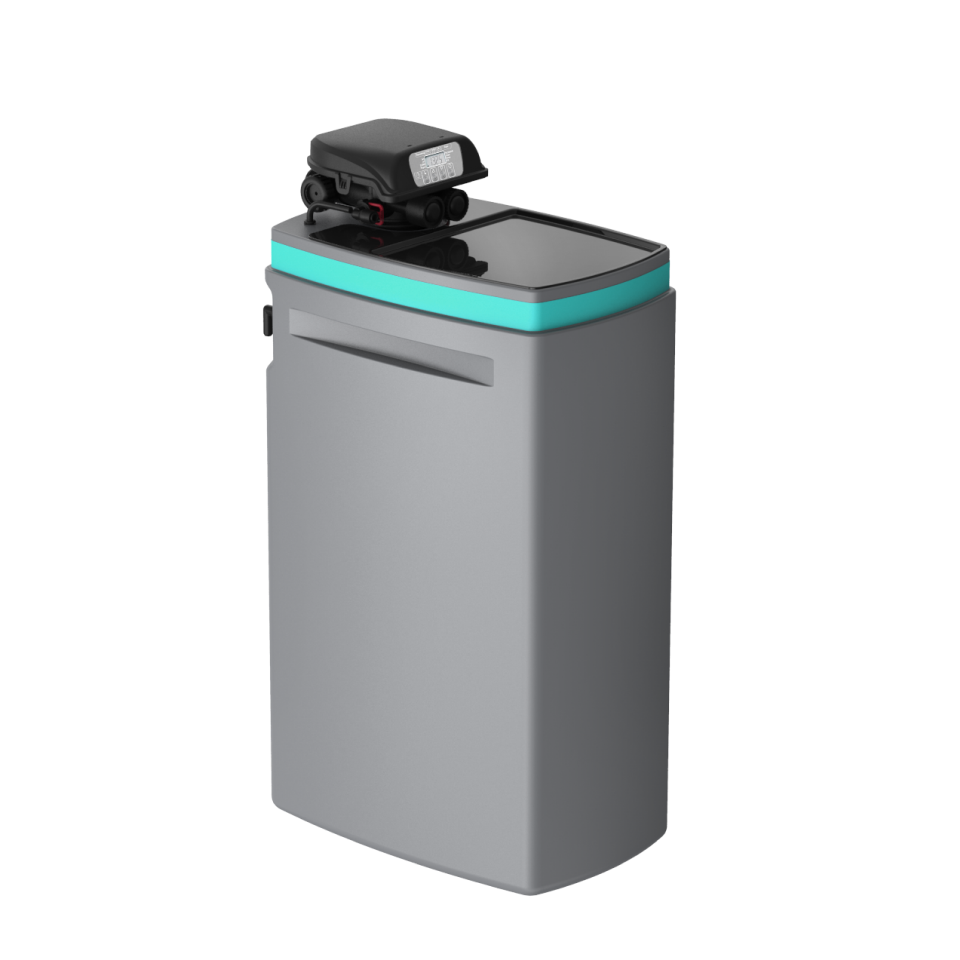


Filter
ctg
Category
Flow rate
Recovery rate
Number of membranes
Quantity of resin
Volume capacity
Connection
Control valve
Application
Certification
Configuration
Smart functions
Added minerals
Membrane capacity
Filter media
Number of bathrooms
Pure to drain ratio
Removes pollutants
Pressure tank size
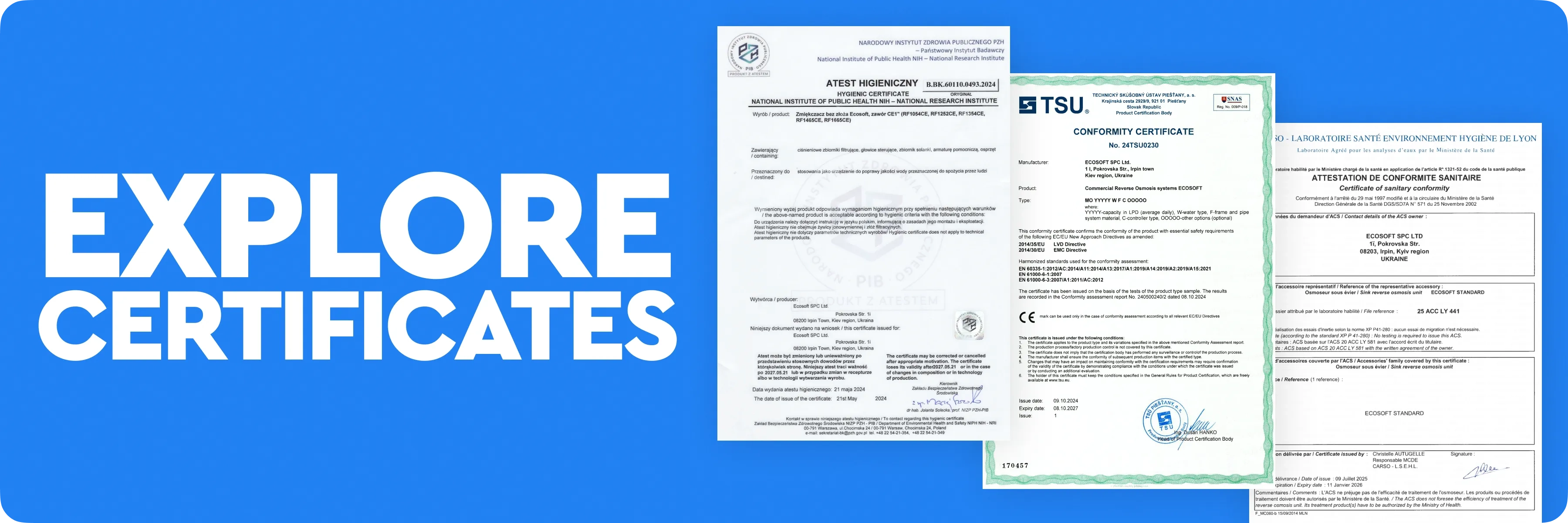
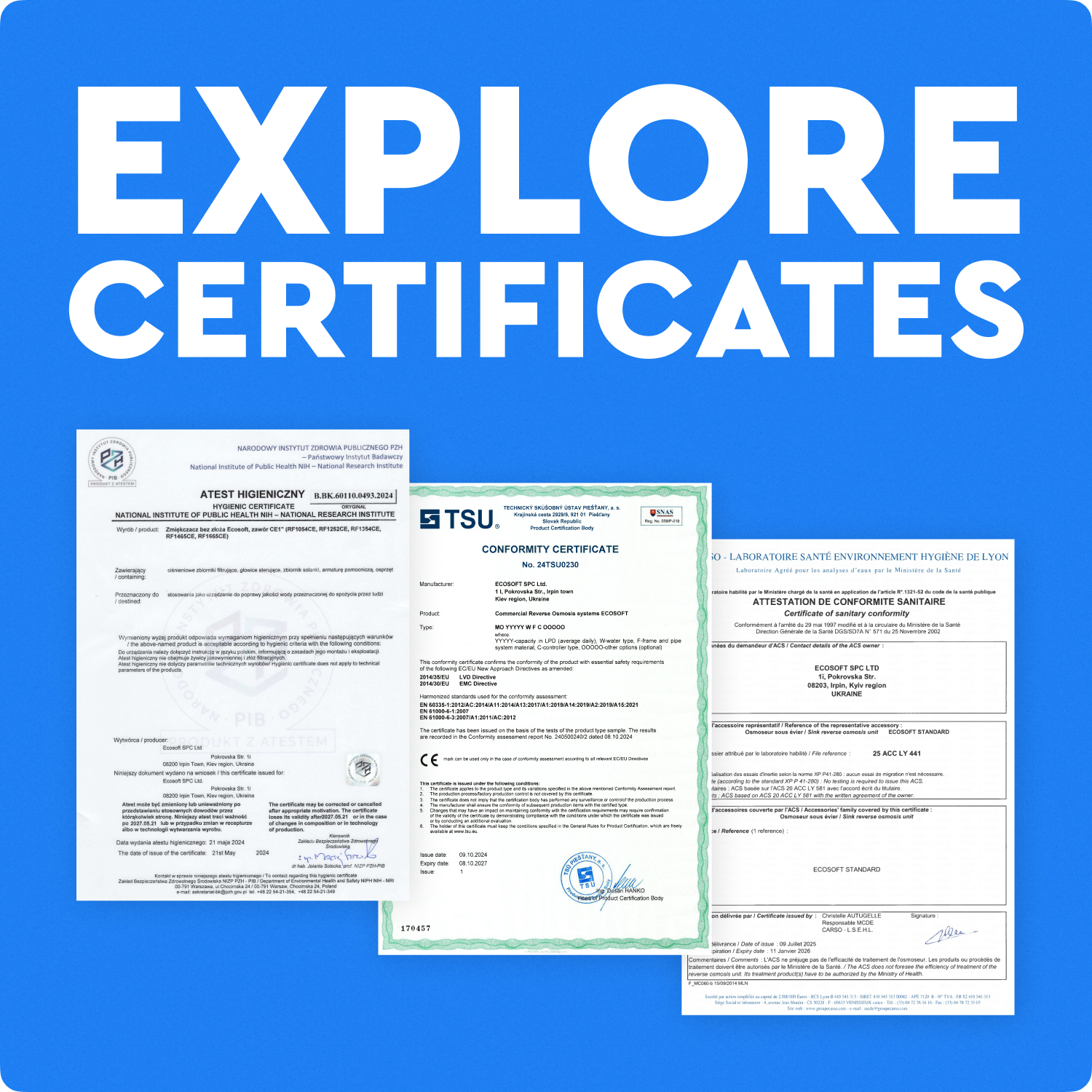
Related digital tools & certificates



£ 2,445.00
excl. VAT
£
2,934.00
incl. VAT
£ 2,600.83
excl. VAT
£
3,121.00
incl. VAT
-
Water Softeners: Why they are important for clean water
-
What are Water Softeners?
-
Benefits of Water Softeners
-
Choosing the Right Water Softener for Your Home
-
Benefits of Buying Ecosoft Water Softening Systems
FAQs
-
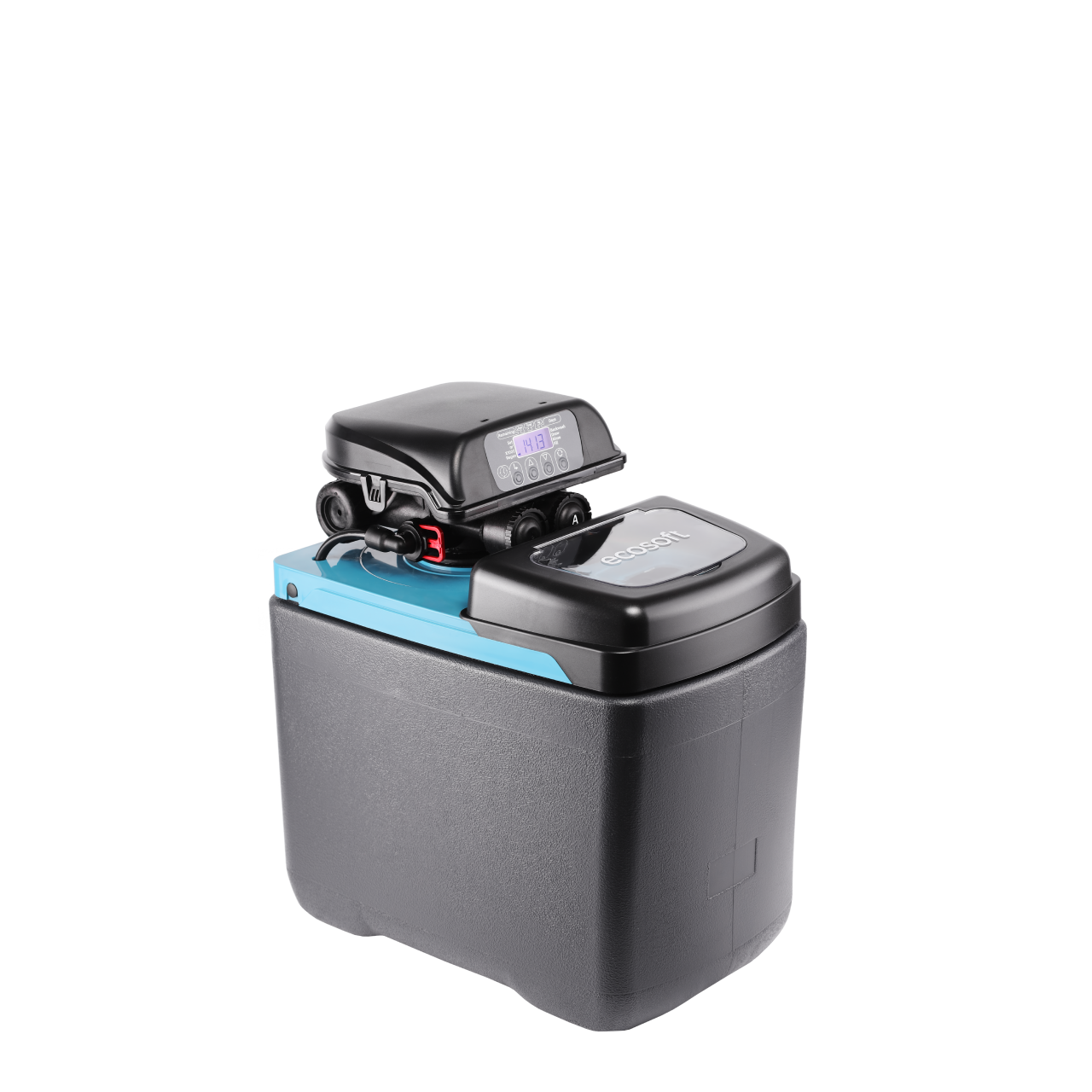
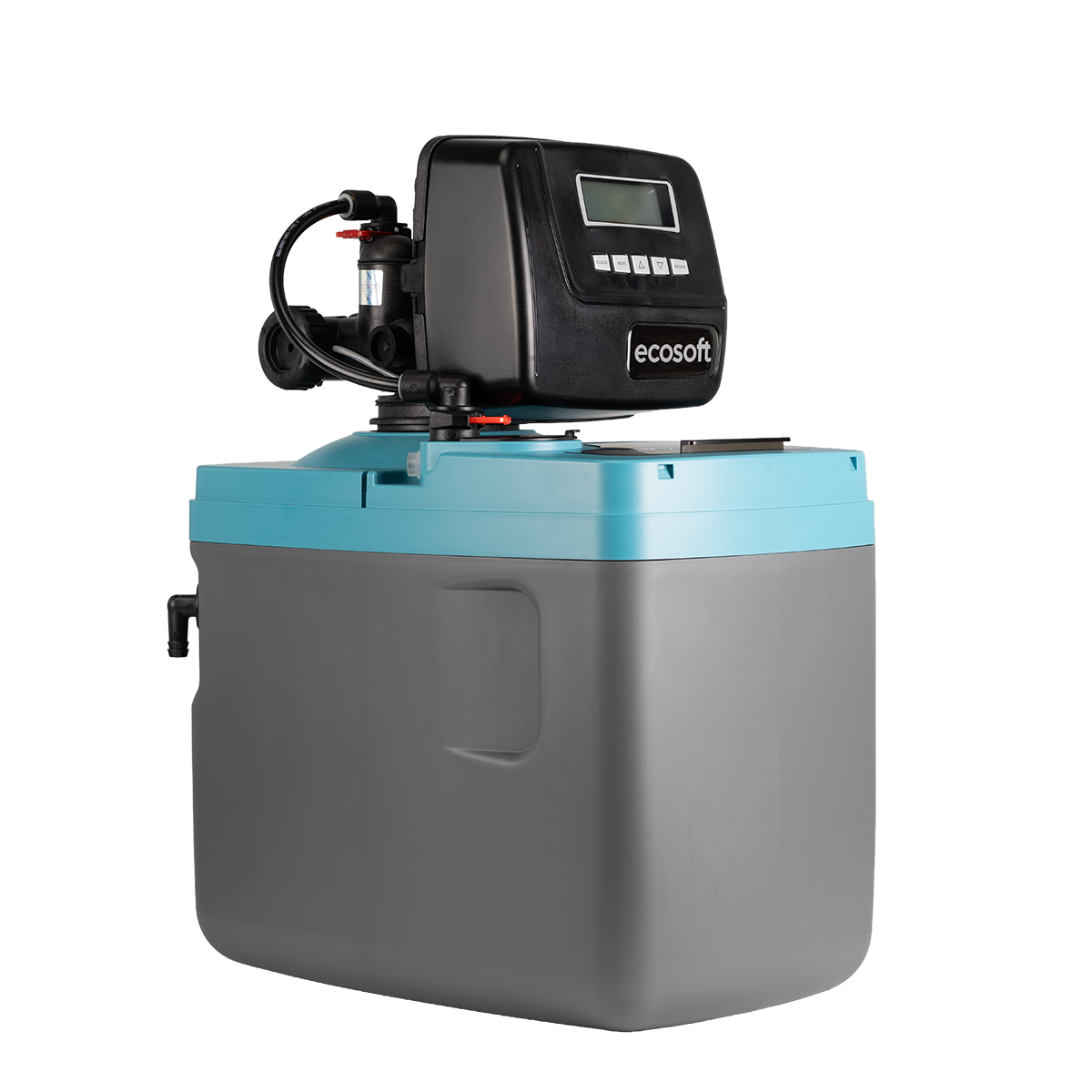
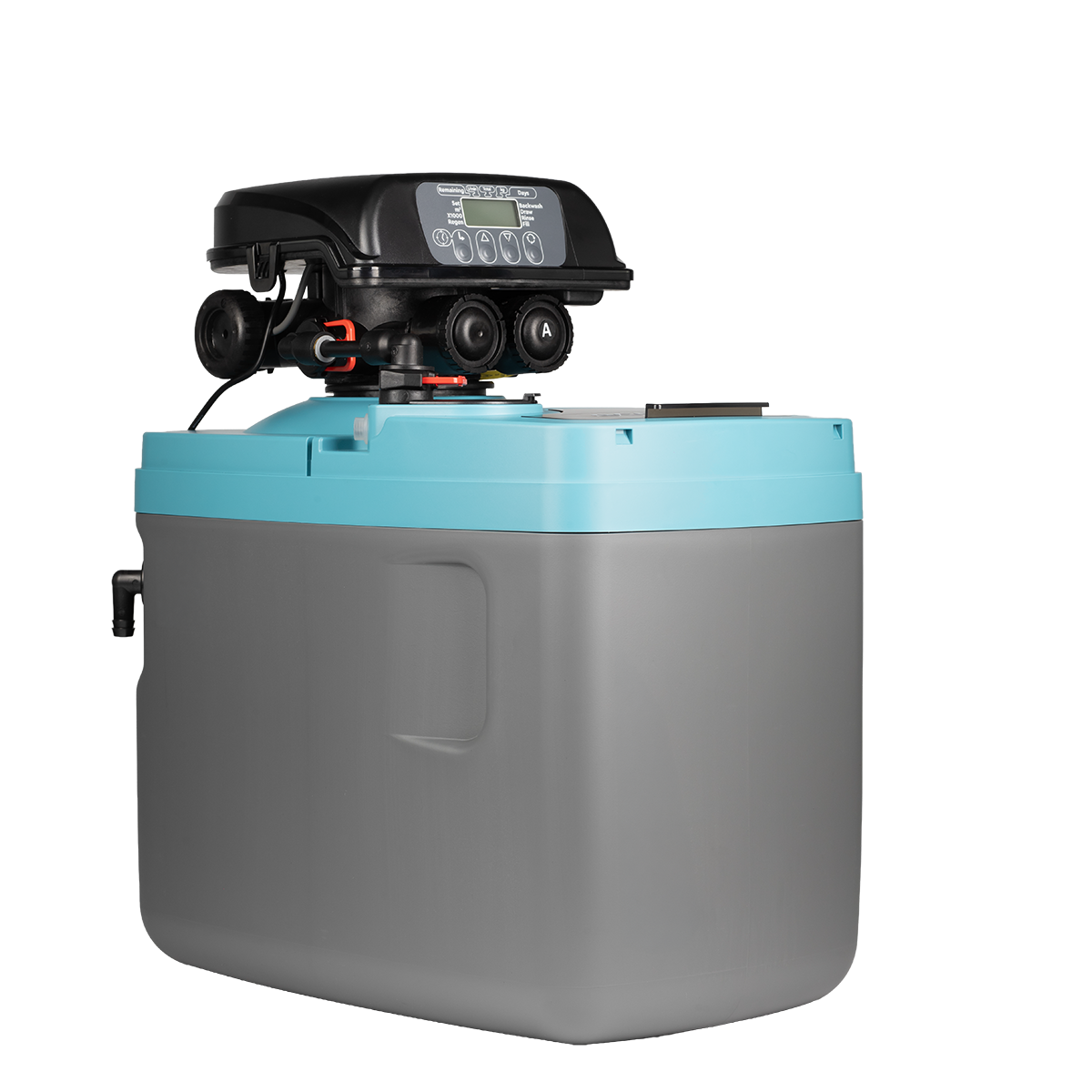
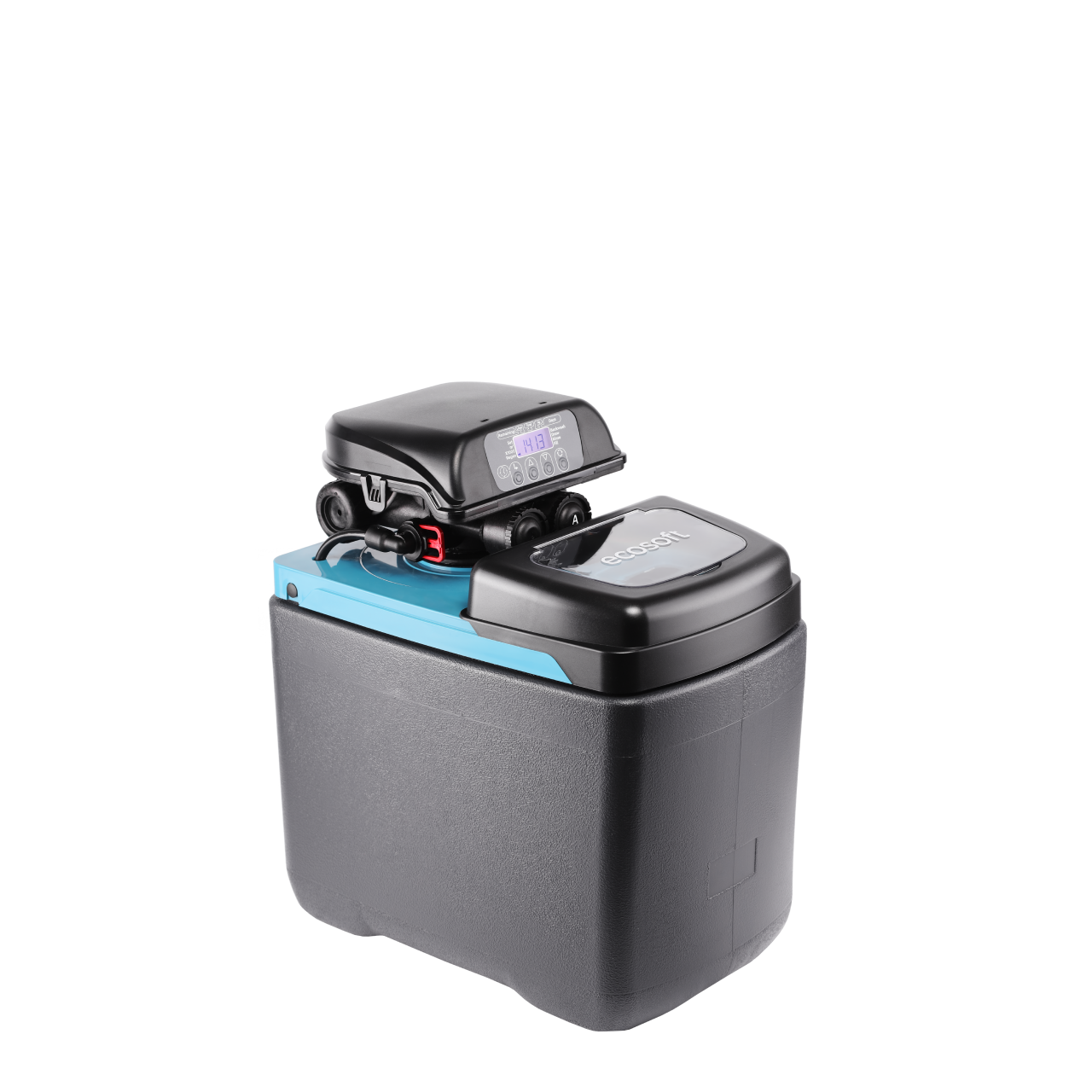
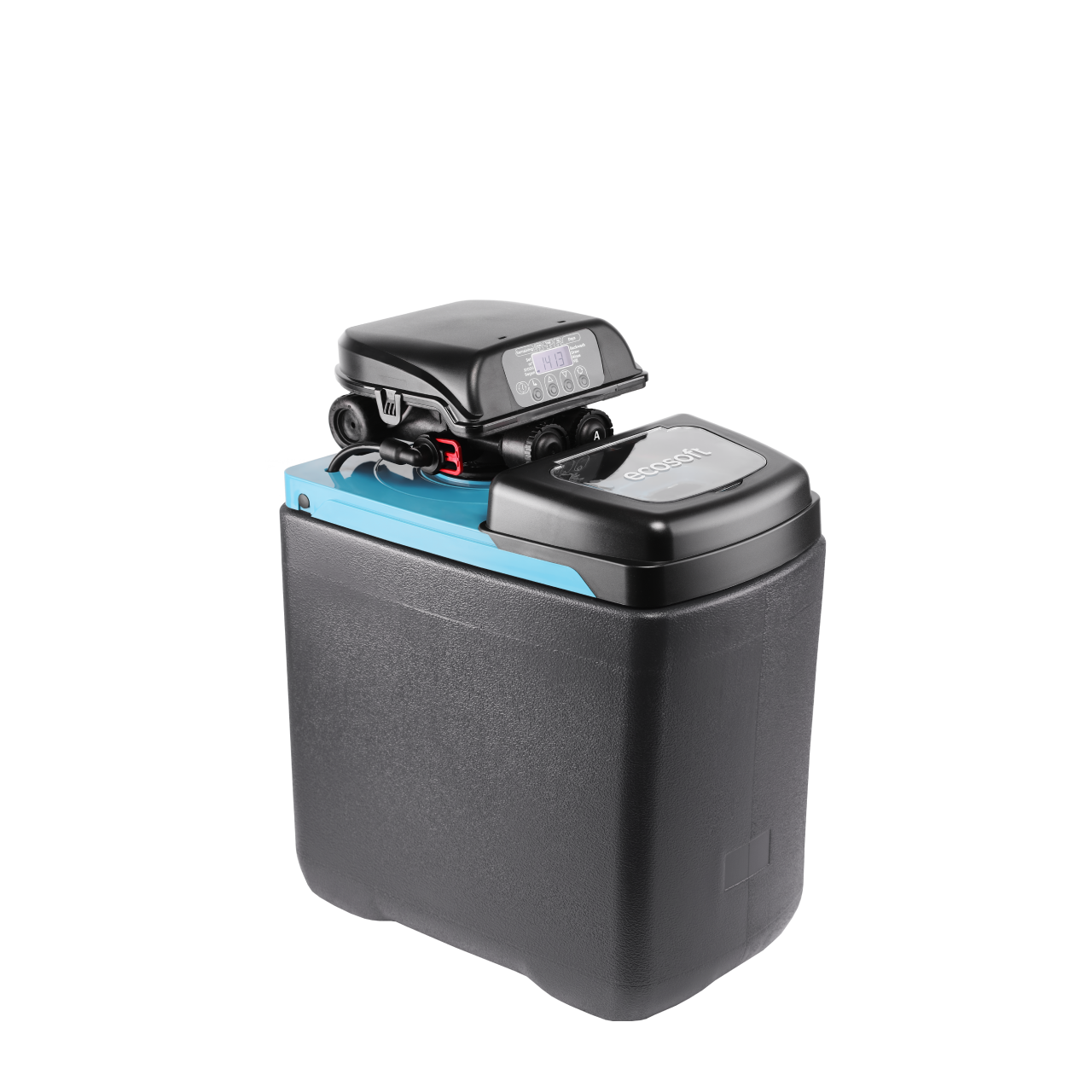
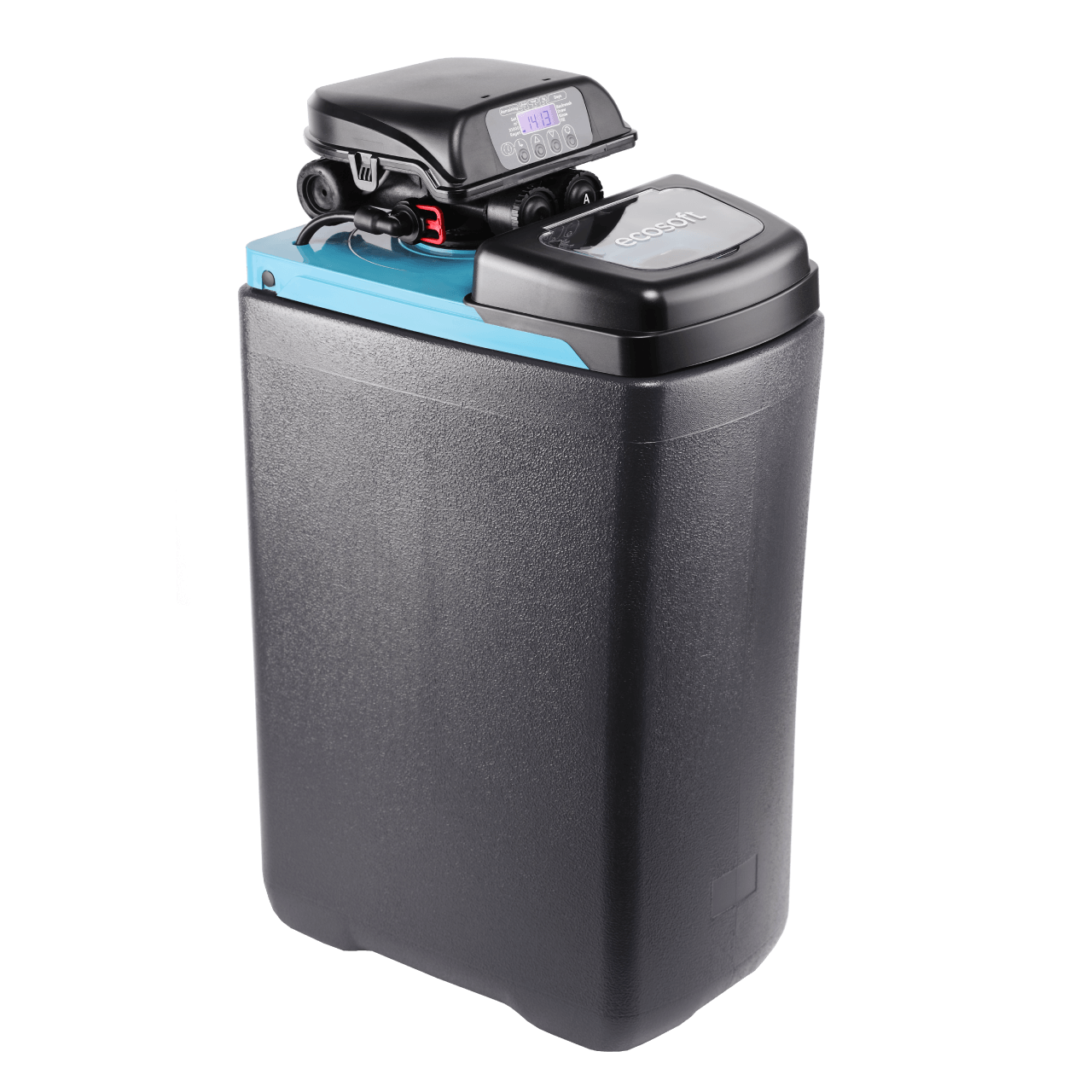
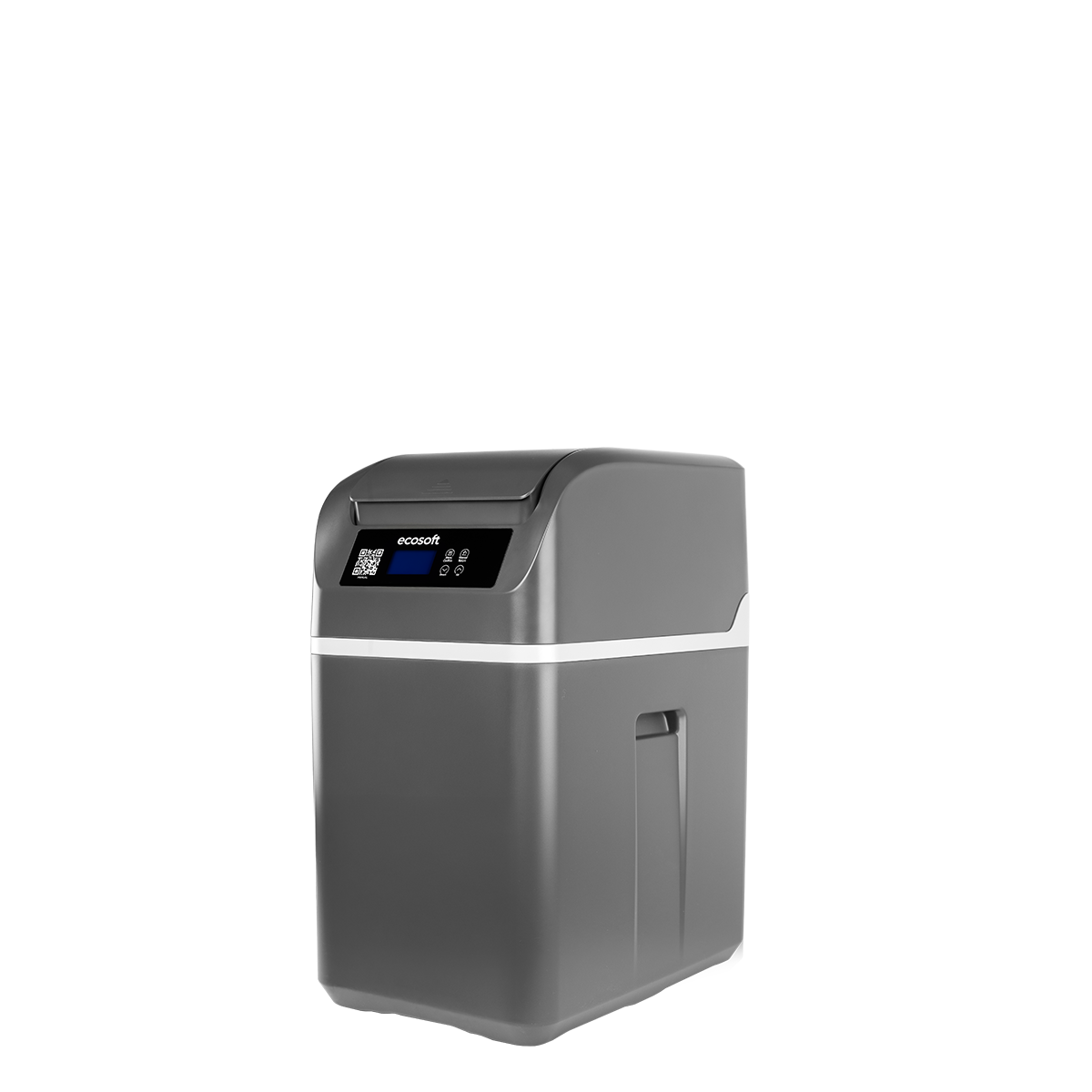
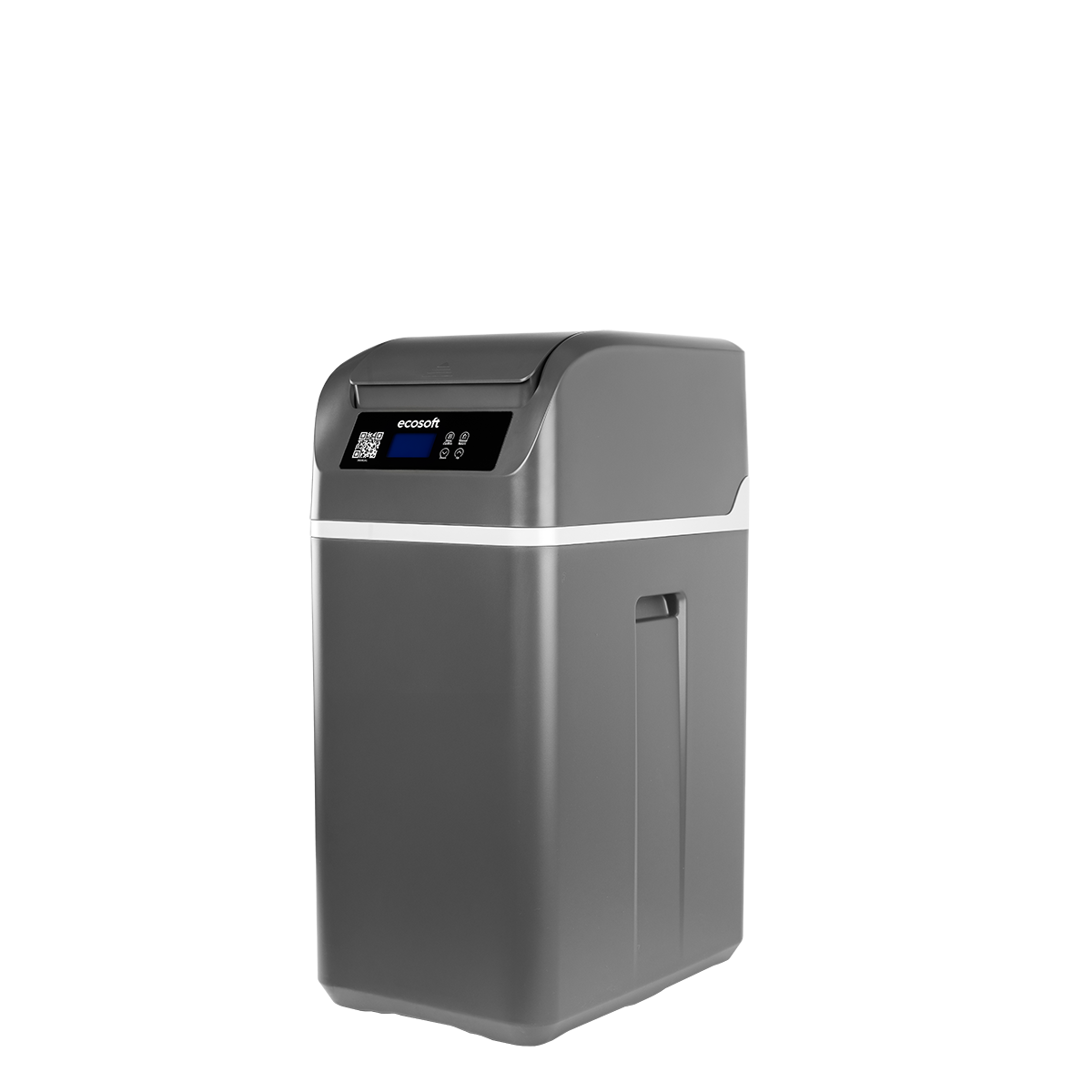
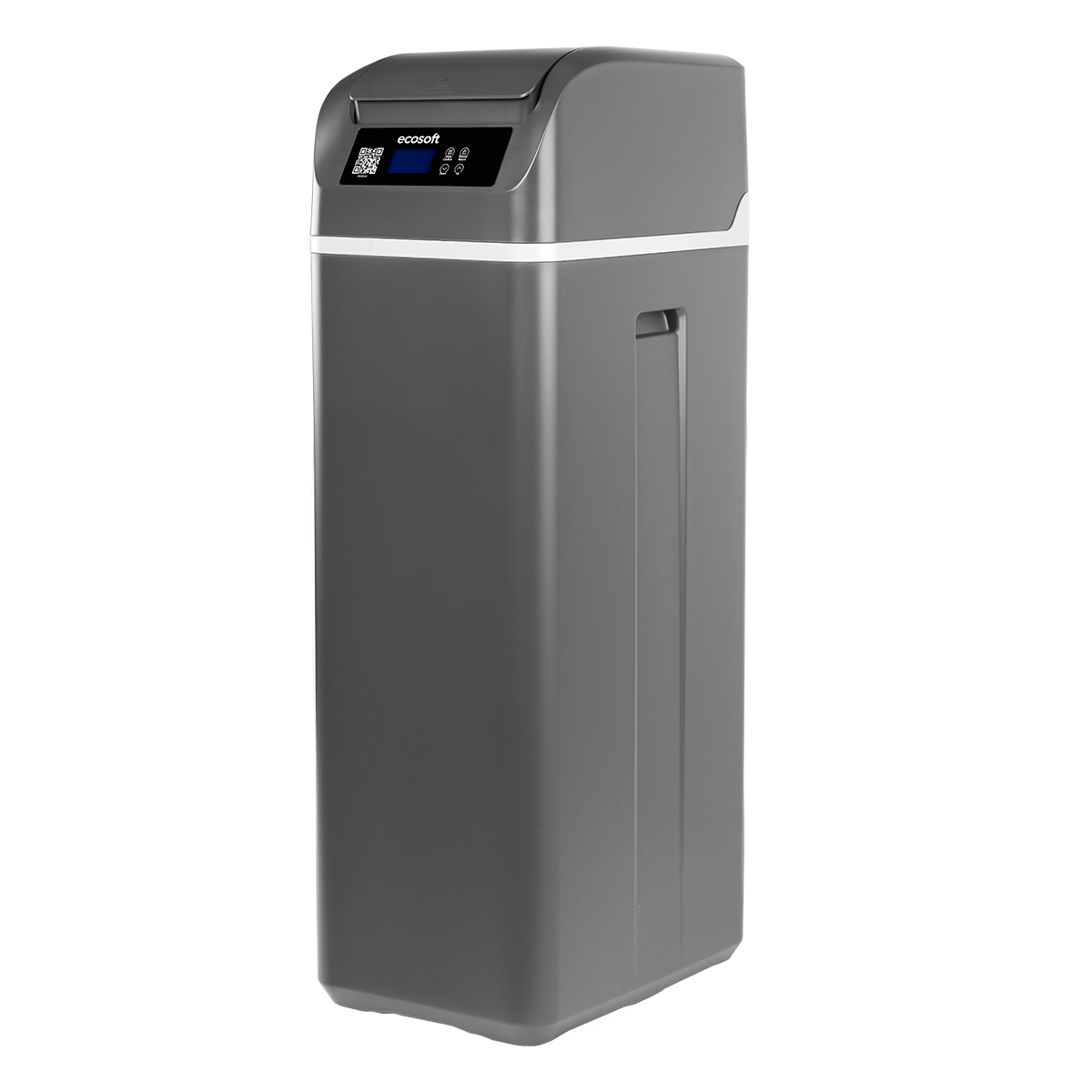
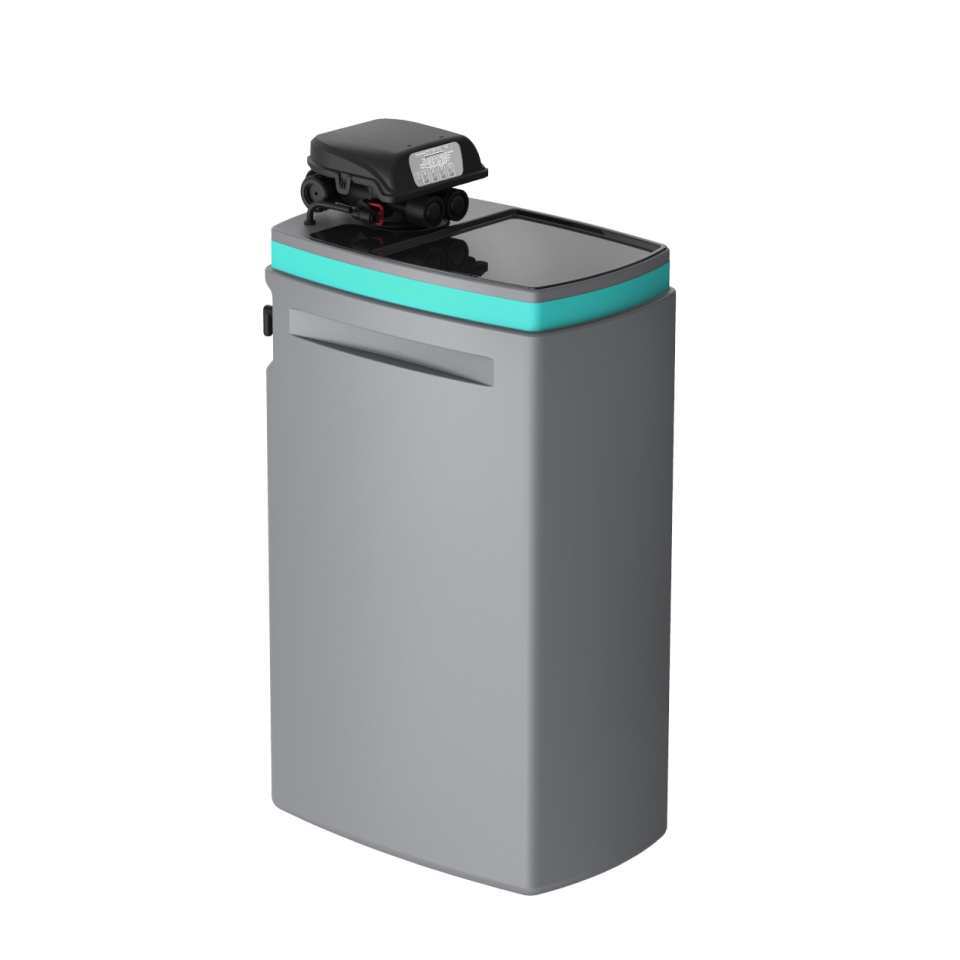
In our Ecosoft online shop, there are several product series in the water descaling system category. They all reduce hardness in water but differ from each other in cabinet design, integrated functions, and the type of applications. They are easily installed and adjusted.
There are durable commercial softeners with an impressive volume capacity (up to 75 m³) and a high flow rate (up to 17,5 m³/h). If there is no need for a powerful unit, you can buy domestic water softeners to have consistently soft water in apartments and private homes. Thanks to them, kitchen appliances and plumbing will last longer because there will not be lime deposits.
In our catalogue, there are also twin and duplex systems, accessories, and consumables, like ion exchange resin, as a filter material. Whatever you prefer, the unit can be used for treating water from a tap or from any natural source, like a well water softener, for instance.
Water Softeners: Why they are important for clean waterIn our everyday pursuit of clean and refreshing drinking water, we rely on water filtration systems to safeguard our health and well-being. Among the unsung heroes of these systems are water softeners, which play a crucial role in making sure our water is as pure and delightful as possible.
Think of water softeners as the friendly sidekick to your water filter, working tirelessly behind the scenes to tackle the common issue of hard water that plagues many households. They're like the unsung heroes of the water purification world!
In this conversation, we're going to shine a light on the importance of water softeners for filters and uncover the many ways they make our lives better. We'll explore what water softeners are all about, the different types out there, the environmental impact of water softeners, and how they team up with water filters to give us the best water possible.What are Water Softeners?Water softeners are specialized devices designed to tackle the pesky issue of hard water. Hard water contains minerals like calcium and magnesium, which can leave behind unpleasant deposits and reduce the effectiveness of soap and detergents. Water softeners work by removing or neutralizing these minerals, leaving you with softer, more manageable water.
There are a couple of different types of water softeners to choose from, each with its unique approach to tackling hard water:
- Salt-Based softeners. These classic softeners use salt to remove minerals from the water through a process called ion exchange. As water flows through the softener, the calcium and magnesium ions are swapped out for sodium ions, effectively raising the water quality.
- Salt-Free softeners. As the name suggests, these softeners don't use salt. Instead, they often rely on a process called template-assisted crystallization or other technologies to neutralize minerals without adding sodium to the water.
Water softeners and in-line water filters make the ultimate dynamic duo when it comes to ensuring clean, fresh-tasting water. While in-line water filters primarily focus on removing impurities like sediment, rust, water softeners take care of the minerals that cause hardness. By working together, they ensure that your water not only looks and tastes great but also feels soft and luxurious.
Benefits of Water SoftenersHere's a closer look at what our water filtration systems bring to the table:
Removal of hardness minerals
Removal of hardness minerals (Calcium and Magnesium). The primary function of water softeners is to eliminate hardness minerals like calcium and magnesium from your water supply. By doing so, they prevent these minerals from causing issues such as scale buildup in pipes and appliances, ensuring that your water flows freely and remains clean and clear.
Preventing scale buildup
Preventing scale buildup in plumbing fixtures and appliances. Softeners for water filters act as a line of defense against this scale buildup, prolonging the lifespan of your plumbing system and providing appliance protection.
Extending the filtration system lifespan
Extending the filtration system lifespan. Without the burden of tackling hardness minerals, your domestic reverse osmosis can operate more efficiently and last longer, saving you time and money on maintenance and replacements.
Enhancing the quality and taste of water
By removing minerals that can impart off-flavors and odors to your water, filters by Ecosoft enhance its overall taste and quality, making it more enjoyable to drink and use in cooking and beverages.
Softened water provides soap scum reduction
Other potential benefits. In addition to the main benefits mentioned above, softeners for water filters offer a range of other potential advantages. Softened water provides soap scum reduction, making cleaning tasks easier and reducing the need for harsh cleaning products.
Also, the absence of hardness minerals in softened water provides skin and hair care, making it softer and smoother after bathing, and reducing the need for moisturizers and conditioners.
Choosing the Right Water Softener for Your HomeSelecting the perfect water softener for your filtration system involves several key considerations to ensure optimal performance and efficiency.
Assessing water hardness levels. Begin by determining the water hardness level. This can be done through water testing kits or by contacting your local water utility.
Considering size and capacity. Ensure that the softener's capacity matches your household's water usage and hardness level.Compatibility with existing filtration systems. Some softening hard water systems may integrate seamlessly with existing setups, while others may require modifications or additional components for proper installation.
Budget considerations. Set a budget for your water softener purchase, taking into account not only the initial cost of the unit but also long-term expenses such as maintenance, salt, and water usage.
Remember to prioritise water softener compatibility, efficiency, and long-term value to make the most informed decision for your home.
Benefits of Buying Ecosoft Water Softening SystemsAs a manufacturer of water treatment equipment, we provide our customers with a wide choice of solutions. There are quality, efficient, and reliable reverse osmosis filtration systems with built-in water softeners that provide you with purified, tasty, and softened drinking water of high quality. But if you need just a water softening system, you can buy an individual unit at a lower price.
It is easy to place an online order on our site and get in comfortable timeframe. We have a tailored offer for some soft water systems. If you want to know how much such units cost, you should contact us or fill in a form on the site. Regardless of your location, we’ll reach out to you as soon as possible to discuss the subject.
FAQs-
What is a Water Softening System and How Does It Differ from a Simple Water Filter?
A water softening system is designed to remove calcium and manganese from water to make it softer and prevent lime formation. A water filter removes sediments, chemicals, and other contaminants to improve the taste and make it more beneficial for health.
-
Which is the Best Water Softening System?
The best water softening systems are based on the use of ion exchange systems with resin. Units have various designs and specifications. The choice depends on applications and the volume of water to be treated.
-
How Much Does a Water Softening System Cost?
Prices for water softening systems vary significantly depending on the flow rate, capacity, and other parameters. There are units with ion exchange resin and without media in a package.
-
What is Better, a Salt-Based or Salt-Free Water Softening System?
For purposes of getting soft water, it is better to use a salt-based water softening system. This solution is required to treat extremely hard water. You will pay for the unit and for annual maintenance. But salt-free units are best for conditions with low maintenance. Though they do not remove calcium and manganese, they just protect appliances from scale formation by changing the physical or chemical state of minerals.
Related digital tools & certificates