


Filter
ctg
Category
Flow rate
Recovery rate
Number of membranes
Quantity of resin
Volume capacity
Connection
Control valve
Filter by use
Application
Categories
Certification
Configuration
Duration
Smart functions
Added minerals
Compatible with
Membrane capacity
Element type
Filter lineup
Filter media
Filter type
Flushing
For filter types
Mineralization level
Number of bathrooms
Pressure tank
Pure to drain ratio
Replaceable type
Removes pollutants
Pressure tank size
Volume of pressure tank
Water type



€ 623.00
excl. VAT
€
747.50
incl. VAT

€ 115.75
excl. VAT
€
138.90
incl. VAT
€ 57.50
excl. VAT
€
68.90
incl. VAT

€ 611.25
excl. VAT
€
733.50
incl. VAT

€ 182.50
excl. VAT
€
219.00
incl. VAT

€ 182.50
excl. VAT
€
219.00
incl. VAT

€ 291.67
excl. VAT
€
350.00
incl. VAT


€ 90.75
excl. VAT
€
108.90
incl. VAT
-
Overview of Water Filtration Materials
-
Types of Filtration Media and Their Functions
-
How to Select the Right Filtration Material
-
Applications of Filtration Materials in Water Treatment
-
Why Buy Ecosoft Filtration Materials?
FAQ
-
To purify water for household or industrial purposes, various filtration materials are used. In the Ecosoft online shop, you can buy filter media to remove the target contaminants and enjoy the desired water quality at a reasonable price.
-
Overview of Water Filtration Materials
Unwanted physical, chemical, and biological contaminants in water reduce its quality. To ensure compliance with health and industry standards, filtration is used, a technology widely accepted in household and industrial water and wastewater treatment processes. The operating principle is based on the use of porous filter media that trap impurities as the feedwater passes through them.
Various filtration materials match the above description. Each comes with a certain performance, which should be considered when choosing an ideal option that meets the request.
Types of Filtration Media and Their Functions
In our catalogue, you will find the following types of filter media for water treatment:
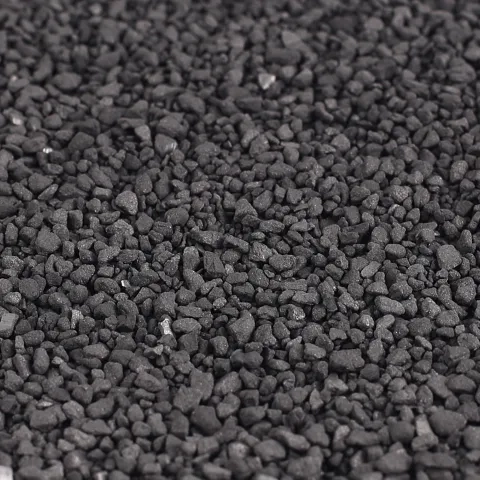
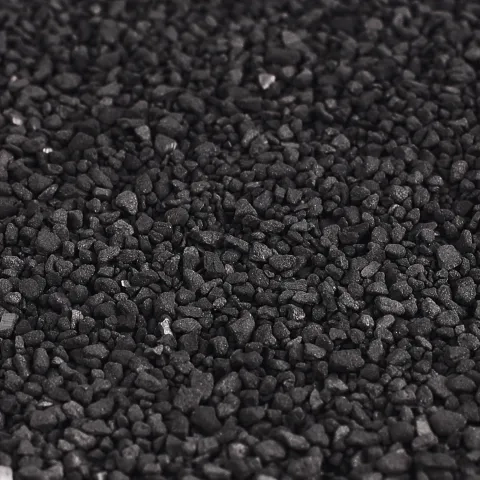
- Activated carbon is a popular and affordable choice. It is made of coal, wood, or coconut shells, which are carbonised and activated. The media has a lot of tiny pores that increase the surface area to absorb contaminants, like volatile organic compounds, chemicals, chlorine, and some heavy metals. Activated carbon improves the smell and taste of treated water.
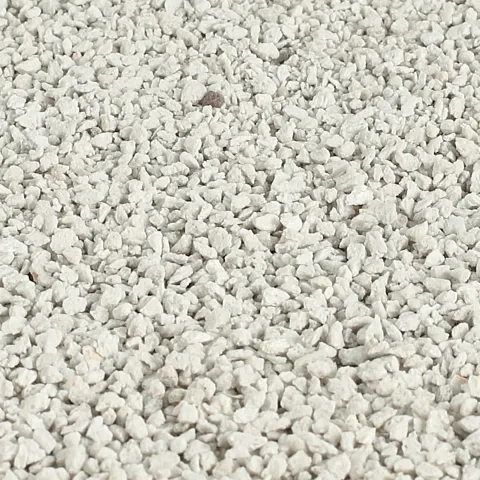
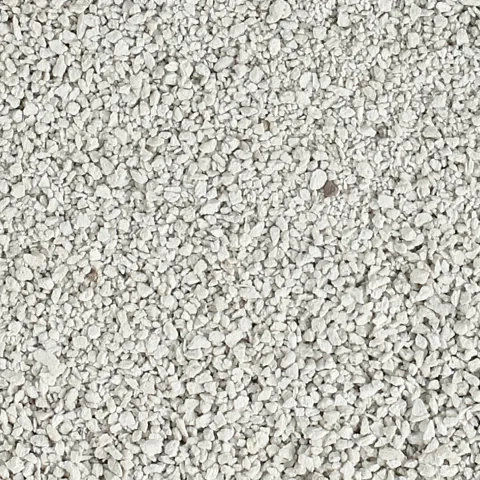
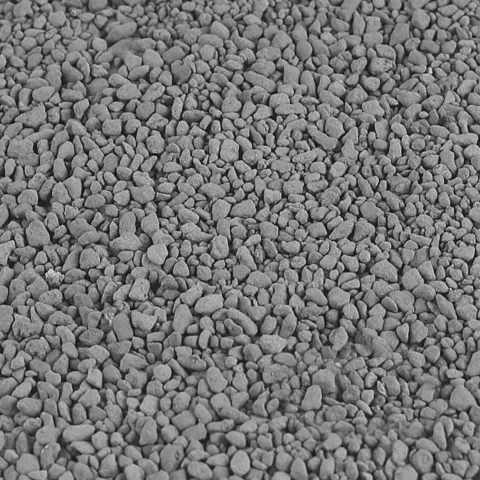
- Natural mineral clinoptilolite is a microporous volcanic mineral that comes as nonaqueous silica dioxide, referred to as dry silica powder. The angular form of each grain and lots of pores make its surface very large and ensure higher performance compared with sand filter media. It removes silt, dirt, rust, organic matter, and other similar suspended particles from the water. It also reduces the iron content.
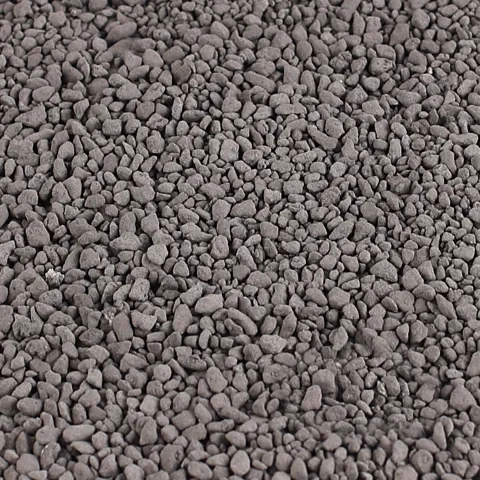
- Birm is a Burgess iron removal media consisting of granules that efficiently remove dissolved iron and manganese from water. This filter media acts as an oxidation catalyst that speeds up the chemical reaction between iron and oxygen in the water. The sediment of iron hydroxide formed as a result of the catalysis is easily removed from the water by filtration.
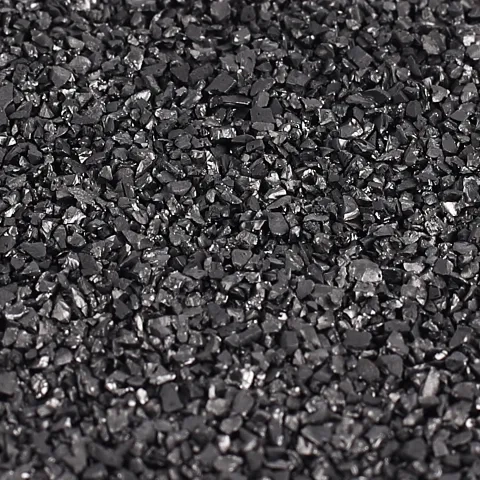
- Calcite is a carbonate mineral that is highly reactive to acid by its nature. Thus, it reduces acidity in the water with a pH below 7. The calcite dissolves and increases the pH, reducing the water’s corrosive activity.
The above water filtration media should be regularly backwashed and eventually replaced or replenished. The maintenance schedule depends on feedwater quality and operating conditions, such as water pH, free chlorine concentration, etc.
How to Select the Right Filtration Material
Start with the material itself, considering its properties and the ability to remove impurities that should be removed. In addition, thermal and chemical compatibility, the minimum size of contaminant, and filtering speed can be considered. Clarify the operating conditions to ensure that the filter can handle the task efficiently.
Applications of Filtration Materials in Water Treatment
The applications of water filter media depend on the type of material. Activated carbon meets the requirements of household usage, food and beverage production, and the pharmaceutical sector. The calcite and Birm filter materials are both used to treat residential and municipal water. They can also be used in pre-treatment and post-treatment stages in RO systems. Natural mineral clinoptilolite is used within multimedia filtration (as a sediment filter) or in water purification pressure and gravity filters.
Why Buy Ecosoft Filtration Materials?
Ecosoft water purification materials have low operating costs and long service life. Most are natural and can be used to treat water at a wide range of values. We offer high-quality products for removing various impurities, including our ECOMIX filter media to purify water from such contaminants as iron, manganese, hardness, ammonium, and organics. You can choose whatever you like, add it to the basket in our shop, pay for it, and get it delivered in 2-5 days. Or you can prefer a tailored offer. Contact us to know how much it will cost.
FAQ
-
What Are Filtration Materials Used For Water Treatment?
To purify water, activated carbon, sand, natural mineral clinoptilolite and calcite can be used. In addition, specific materials, like Ecomix or ion-exchange resins, are also highly efficient.
-
What Types of Filtration Media Are Most Commonly Used?
Activated carbon is a widely used filtration material thanks to its versatility and long presence in the market. However, other options are also popular for more specific applications.
-
How Often Do Filtration Materials Need to Be Replaced?
The replacement schedule depends on the material and operating conditions. Typically, they can be replaced every 12 months. Reduced water flow and quality are the key indicators.
-
Can Filtration Materials Remove Iron from Water?
Yes, Birm ideally removes high concentrations of iron, while activated carbon can filter low concentrations of iron.
-
How Do You Choose the Right Filtration Media for Your System?
Consider temperature and pressure compatibility and identify the contaminants a particular filter media removes. For instance, to purify water from chlorine, activated carbon is recommended.
-
Are Ecosoft Filtration Materials Certified for Drinking Water Use?
Yes, Ecosoft filtration materials are certified for drinking water use. Ecomix is safe for drinking water, which is confirmed by a hygienic certificate. We hold prestigious international certifications, like NSF, EN, and ISO (9001, 14001, and 45001).