


RO System for Your Home


RO for your home made easy
Our goal is to provide you with a simple, user-friendly reverse osmosis water system for your whole house – our modern RO systems are quiet, extremely efficient (recovery rates of up to 75%), don’t require any salt to soften your water.
Enjoy pure, contaminant-free water in your whole house by installing our pre-assembled plug-and-play solutions at your mains.
The MO 12000 system with the Ecosoft ELP-4040 membrane reduced the Sum of PFAS-20 from 31 ng/L to <2 ng/L.
(For reference, the EU Drinking Water Directive sets a limit of 100 ng/L for the Sum of PFAS-20 — a parameter representing the total concentration of 20 individual PFAS compounds. It is the main parameter used to assess PFAS levels in drinking water).

NOT SURE WHICH FILTER IS RIGHT FOR YOU?
The Wizard helps you find the perfect setup based on your home and water quality.

Recommended RO systems for your home
-
€ 4,375.00 excl. VAT€ 5,250.00 incl. VAT
-
€ 4,875.00 excl. VAT€ 5,850.00 incl. VAT
-
€ 5,625.00 excl. VAT€ 6,750.00 incl. VAT
-
€ 11,458.33 excl. VAT€ 13,750.00 incl. VAT
-
€ 16,541.67 excl. VAT€ 19,850.00 incl. VAT
-
€ 11,791.67 excl. VAT€ 14,150.00 incl. VAT
-
€ 10,416.67 excl. VAT€ 12,500.00 incl. VAT
-
€ 18,250.00 excl. VAT€ 21,900.00 incl. VAT


Clean Water, Proven in Practice
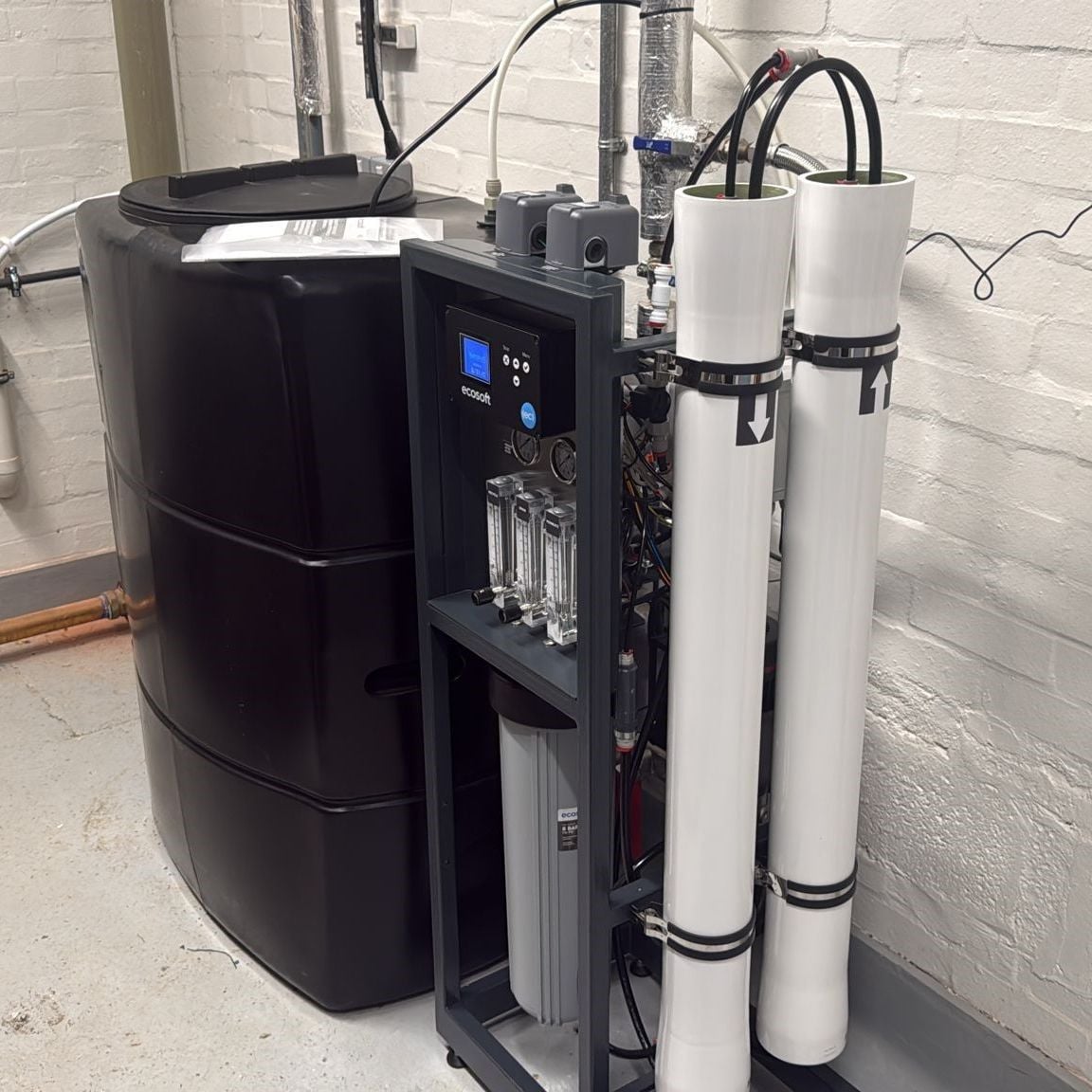
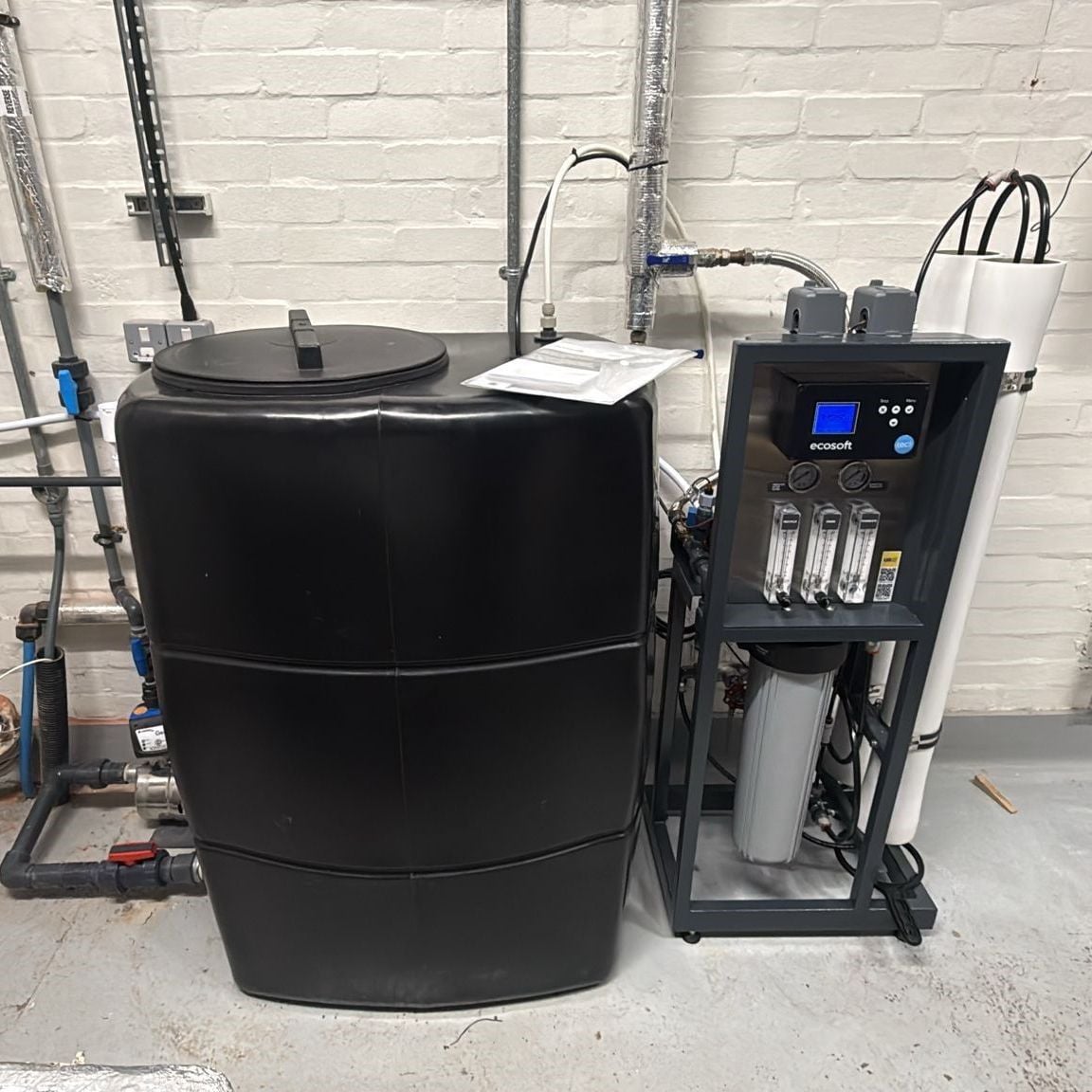
Commercial RO Upgrade for Laboratory Water Quality
Installation Site: United Kingdom
Problem Description: A research and innovation campus in the United Kingdom needed to replace an ageing reverse osmosis system that was no longer delivering stable performance in a laboratory environment. Inconsistent total dissolved solids (TDS) levels and reduced permeate flow created a risk for operations where water quality had to remain consistent. The site was upgraded with a new commercial reverse osmosis system and remote monitoring, helping secure stable purified water quality, improve permeate flow and give the facilities team real-time visibility of system performance. As a result, the installation supports more reliable day-to-day operation and reduces operational risk.
- Used Product Categories: Reverse Osmosis Systems
- Installed Products: Ecosoft Professional MO12000 4″ reverse osmosis system
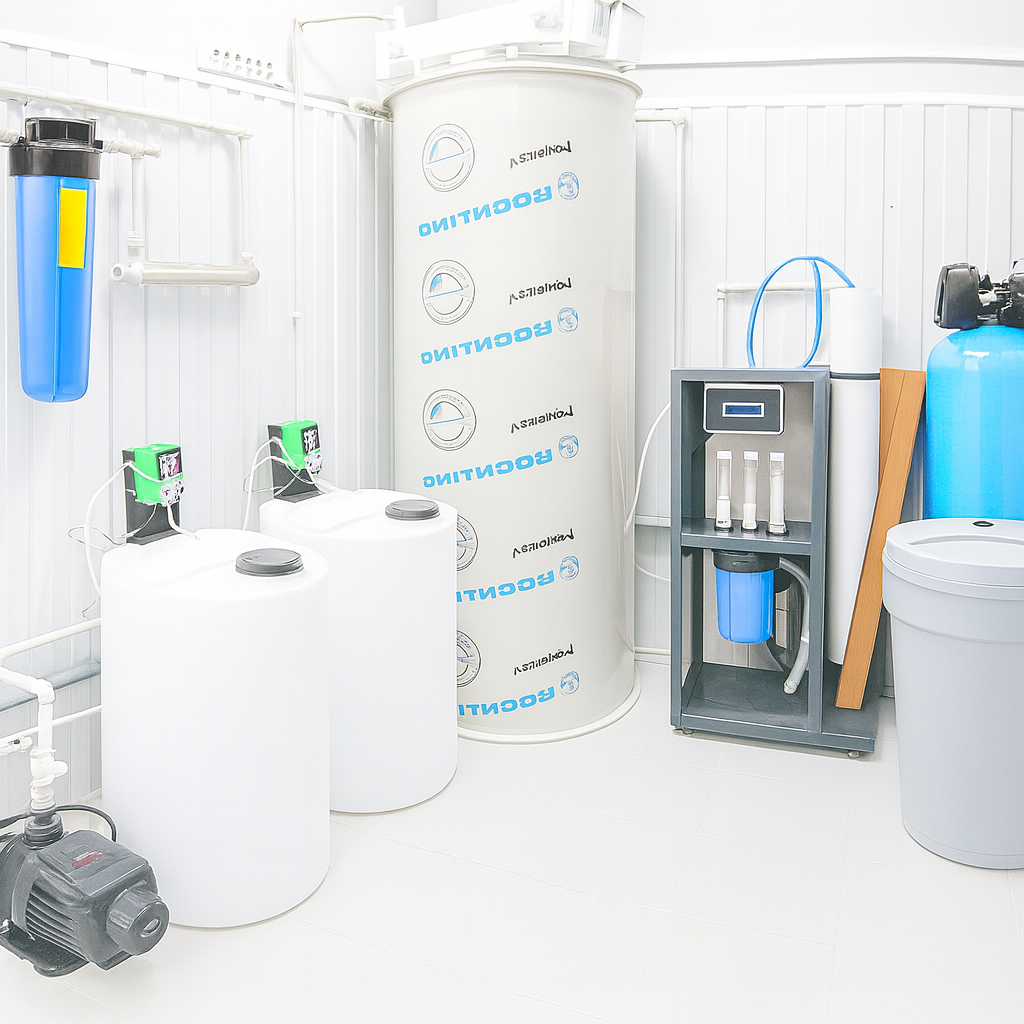
Water bottling point at ECO-VELVART office
Installation Site: Kyiv, Ukraine
Problem Description: Purification of municipal water to supply employees and guests with safe drinking water, and to cover the company’s technological needs. The system ensures water free of hardness, iron, manganese, ammonium, and organic matter, with stable mineral balance
- Used Product Categories: Reverse Osmosis Systems , Filtration systems , Water filters , Water softeners
- Installed Products: Ecosoft Inox IoT MO6500 4″ reverse osmosis system , Ecosoft ECOMIX® A filter media 25 L , Ecosoft E-720 ultraviolet water sterilizer
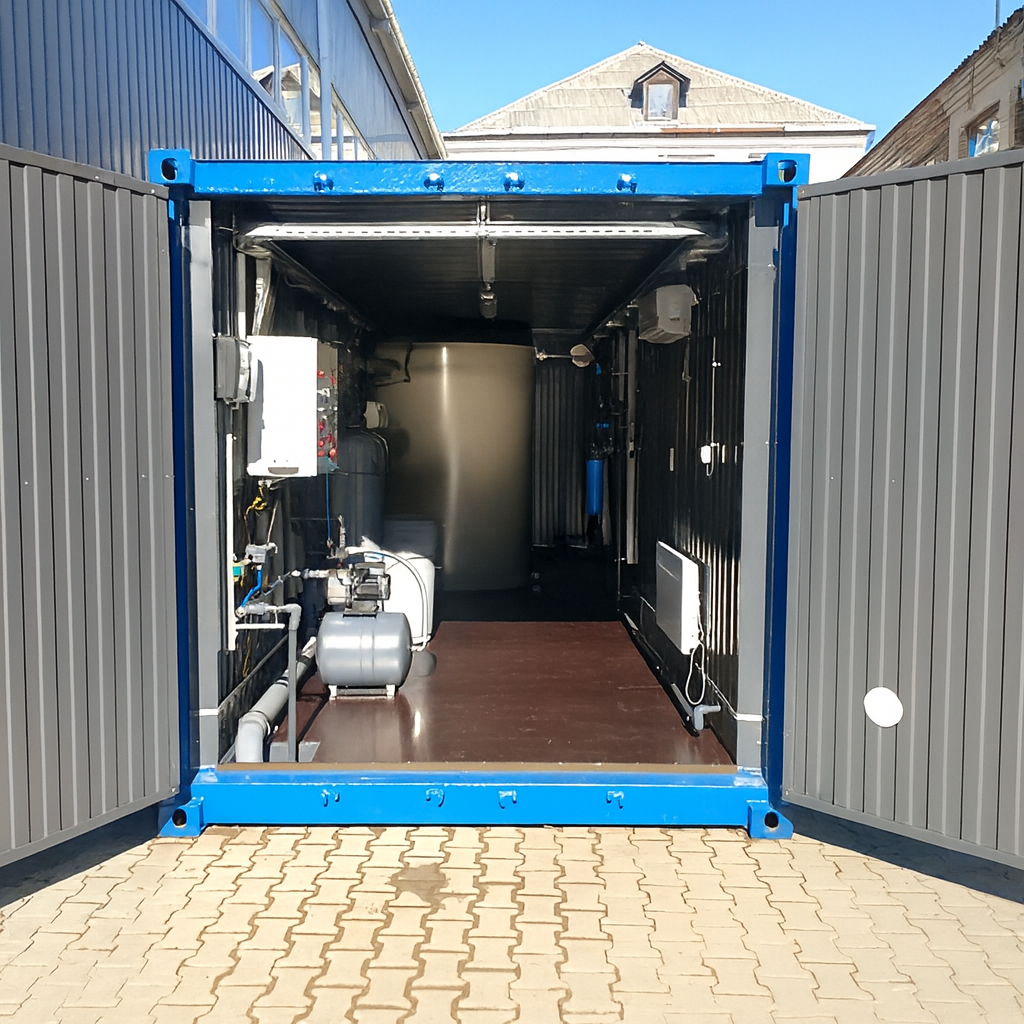
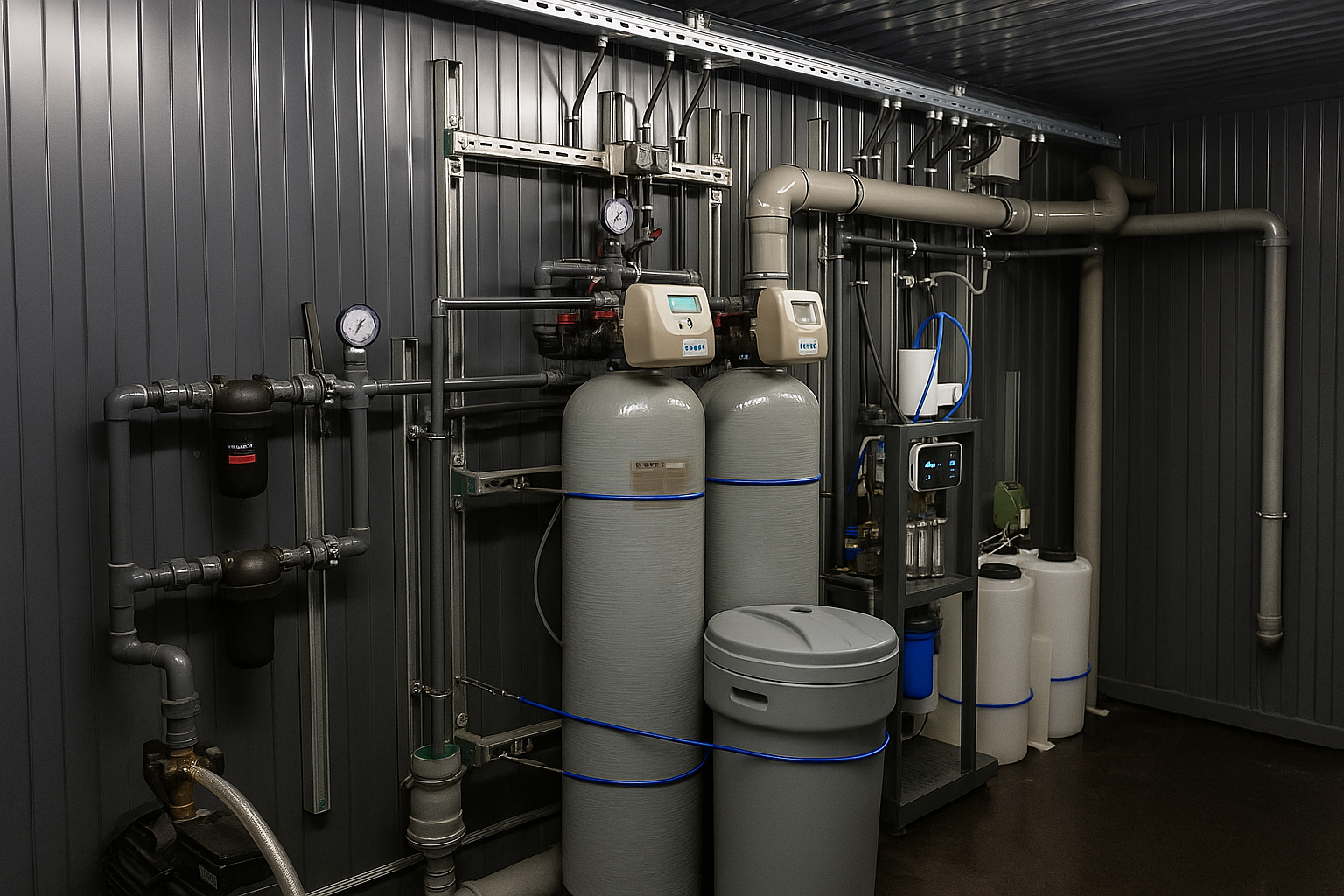
Water bottling point for Korsun-Shevchenkivskyi Vodokanal
Installation Site: Korsun-Shevchenkivskyi, Cherkasy region, Ukraine
Problem Description: The ecological condition of the Ros River, the city’s main water source, has been deteriorating, creating the need for an alternative drinking water supply. A containerised unit with a built-in bottling station was implemented to provide safe drinking water for residents, especially during seasonal declines in river water quality
- Used Product Categories: Reverse Osmosis Systems , Filtration systems , Water filters , UV Sterilizers
- Installed Products: Ecosoft Inox IoT MO6500 4″ reverse osmosis system , Ecosoft 14x65 twin softener assembly without media with 1" CE valve , Ecosoft hydrogen sulfide reduction filter, 4.5″×20″ , Ecosoft E-720 ultraviolet water sterilizer , Containerized Ro System With Pretreatment For Tap Water K20MO8T6
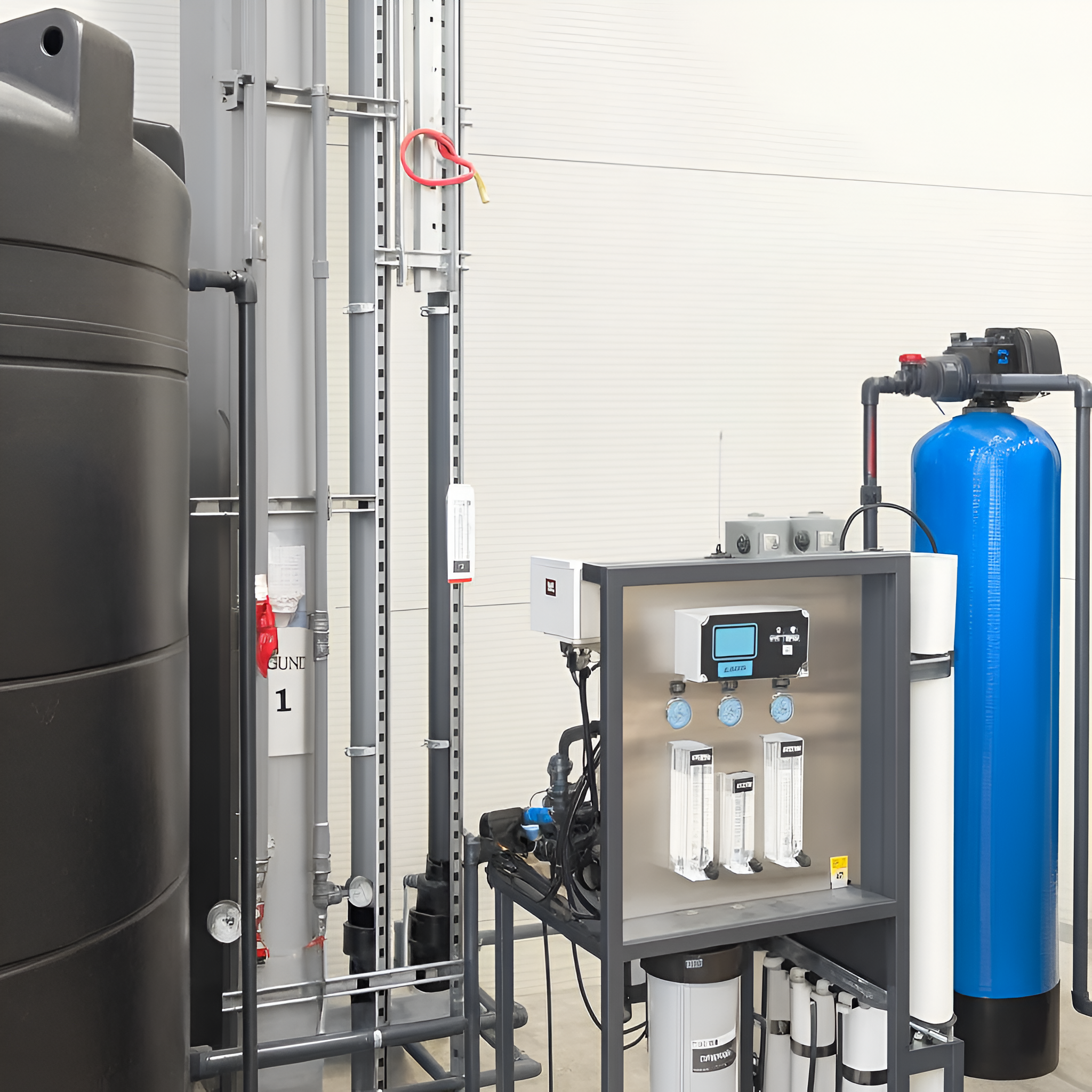
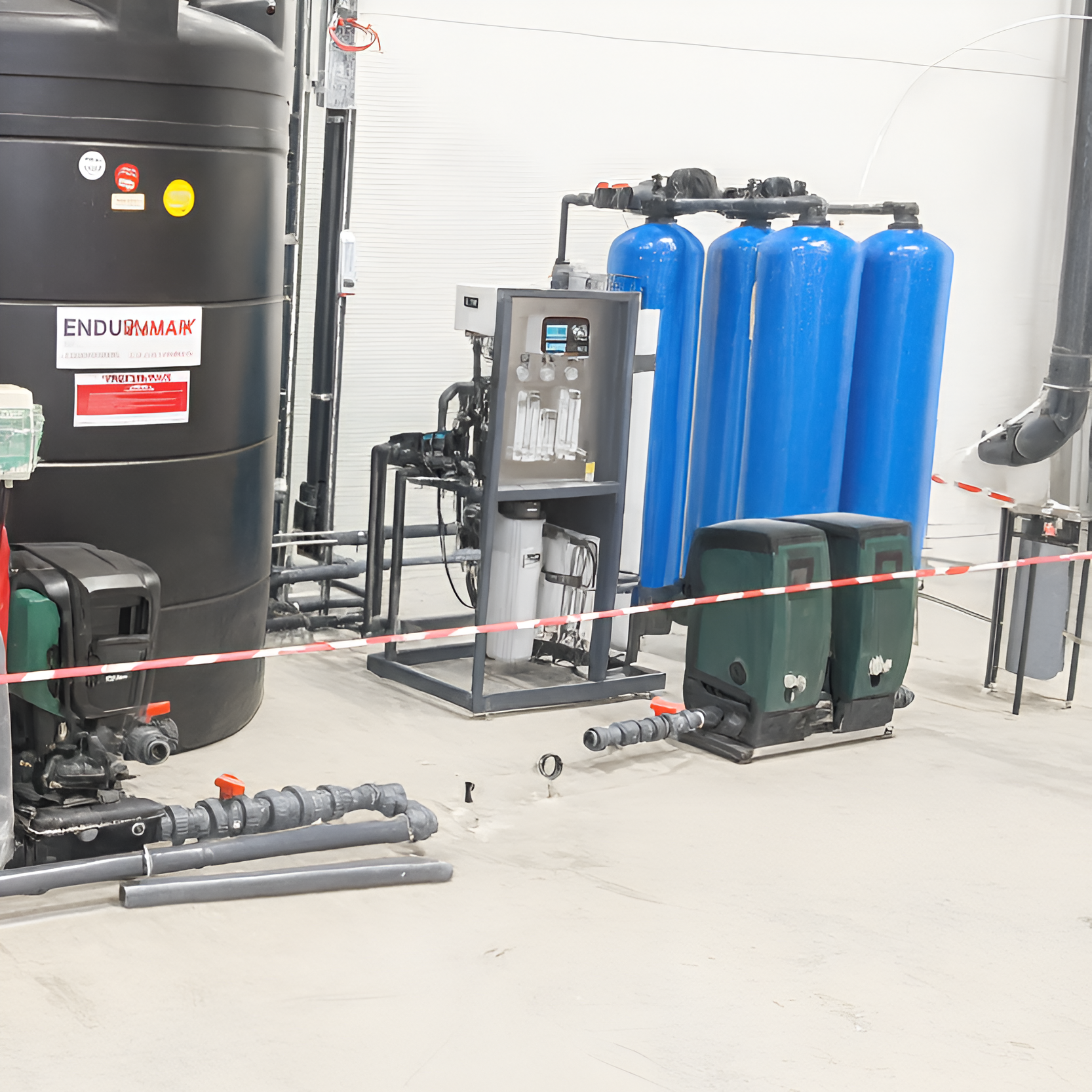
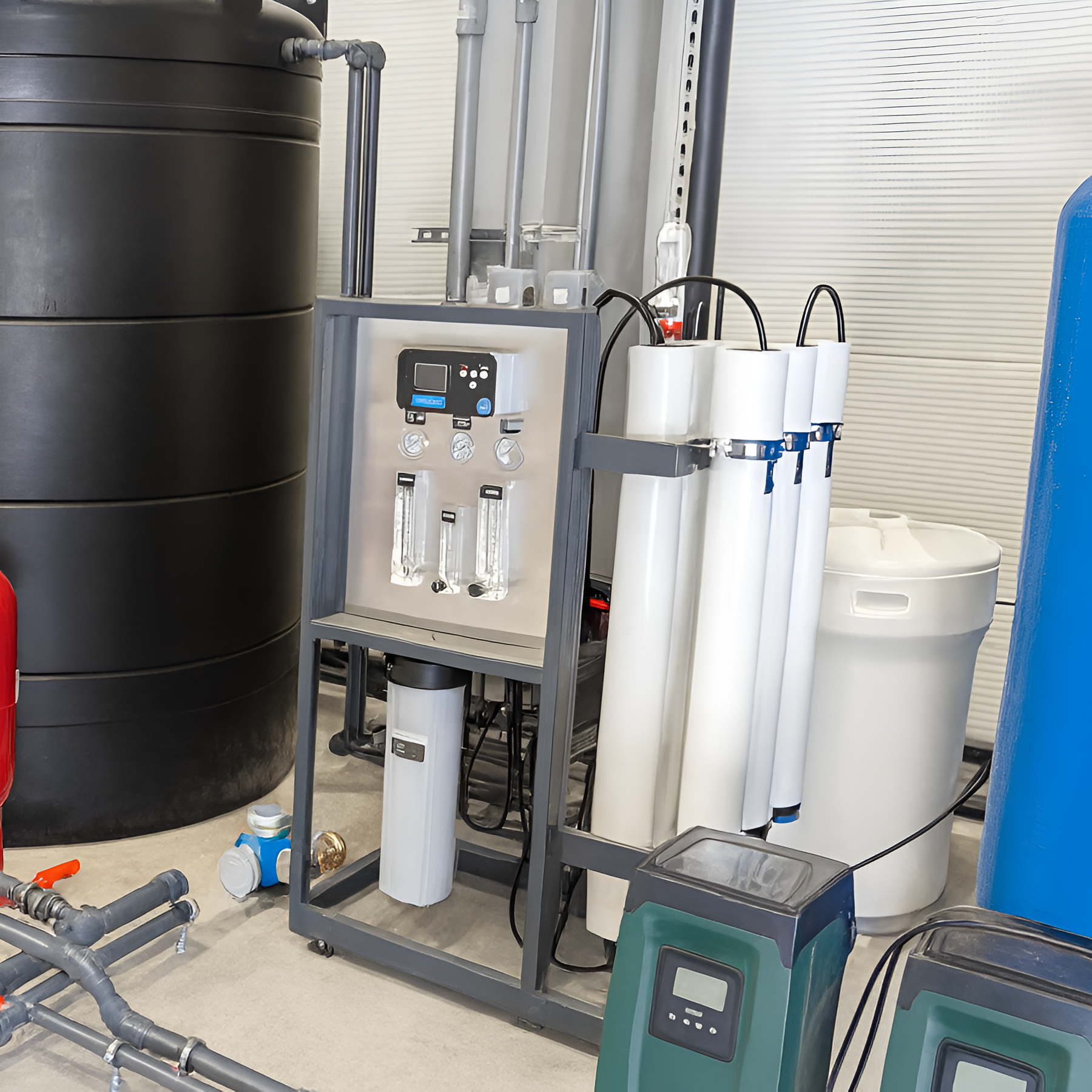
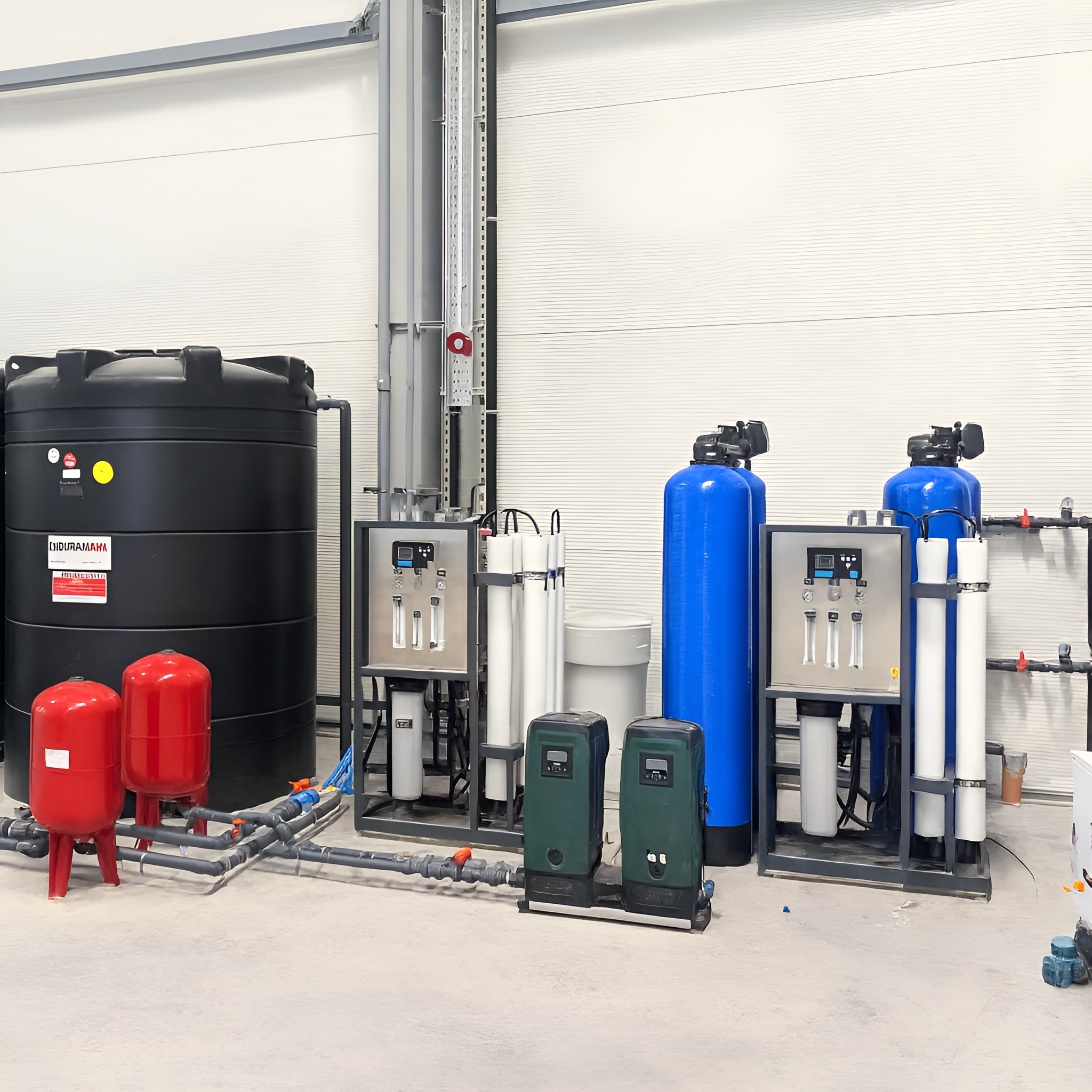
Water purification system for a glass factory
Installation site: United Kingdom
Problem description: Local water required treatment to remove hardness, iron, and organics, and to ensure a stable supply of purified water for industrial processes. The installed system provides softening, filtration, and high-capacity reverse osmosis
- Used Product Categories: Reverse Osmosis Systems , Filtration systems , Water softeners , Water filters
- Installed Products: Ecosoft Inox IoT MO36000 4″ reverse osmosis system , Two-stage multifunctional filter AQUAPOINT , Ecosoft ECOMIX® A filter media 25 L
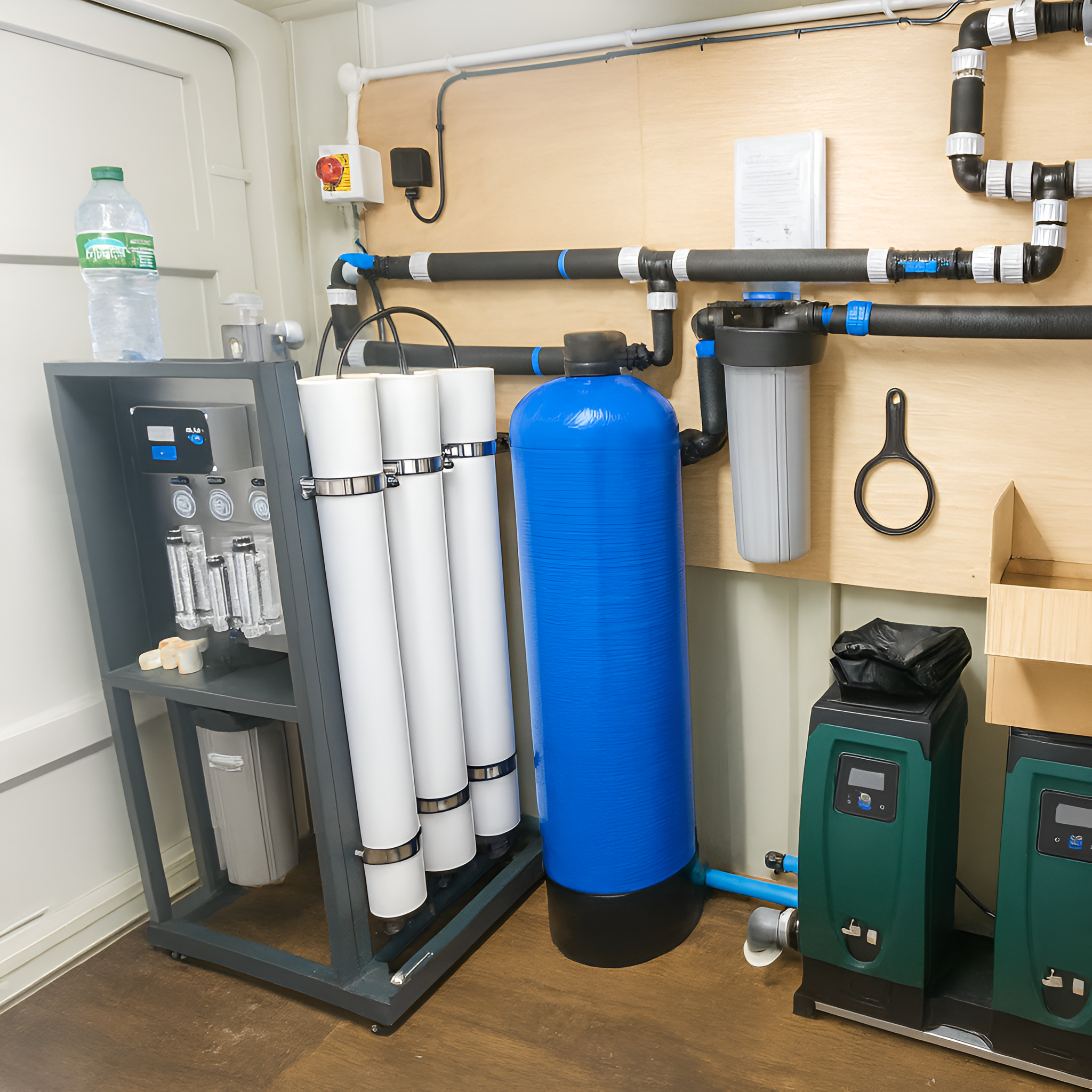
Borehole water treatment for a craft brewery
Installation site: United Kingdom
Problem description: Borehole water had high calcium, magnesium, and manganese, causing scaling, off-flavours, and microbial risks. The installed system ensures stable, safe, and consistent water quality for brewing
- Used Product Categories: Filtration systems , Water filters , Water softeners , UV Sterilizers , Reverse Osmosis Systems
- Installed Products: Ecosoft Inox IoT MO24000 4″ reverse osmosis system , Ecosoft E-480 ultraviolet water sterilizer
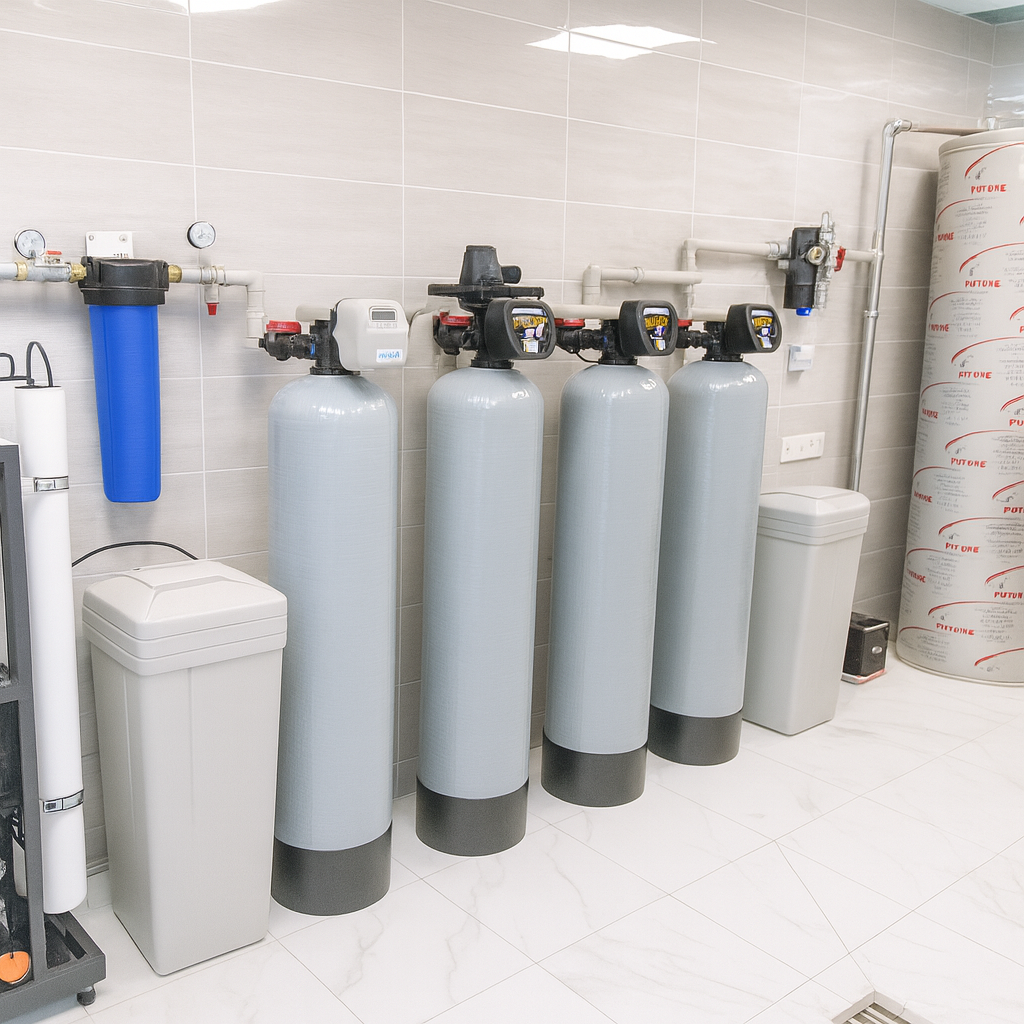
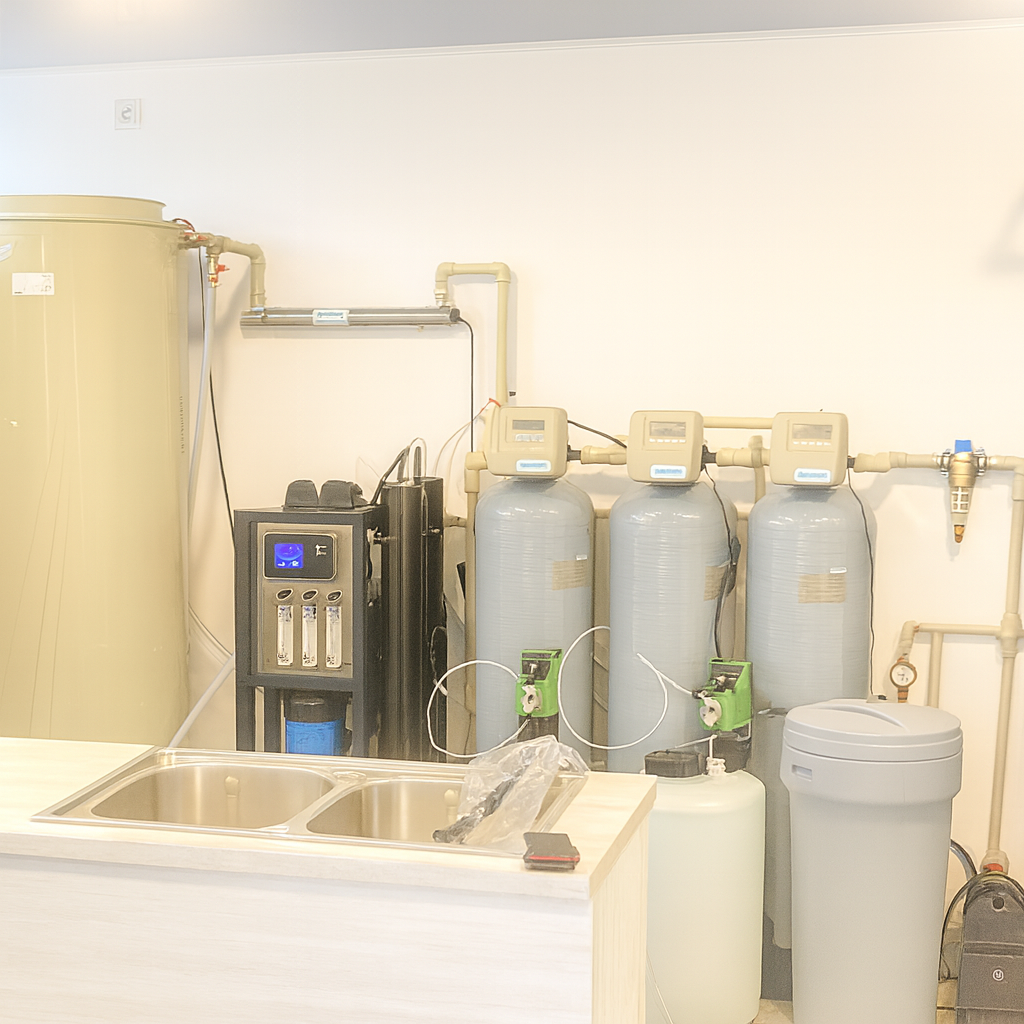
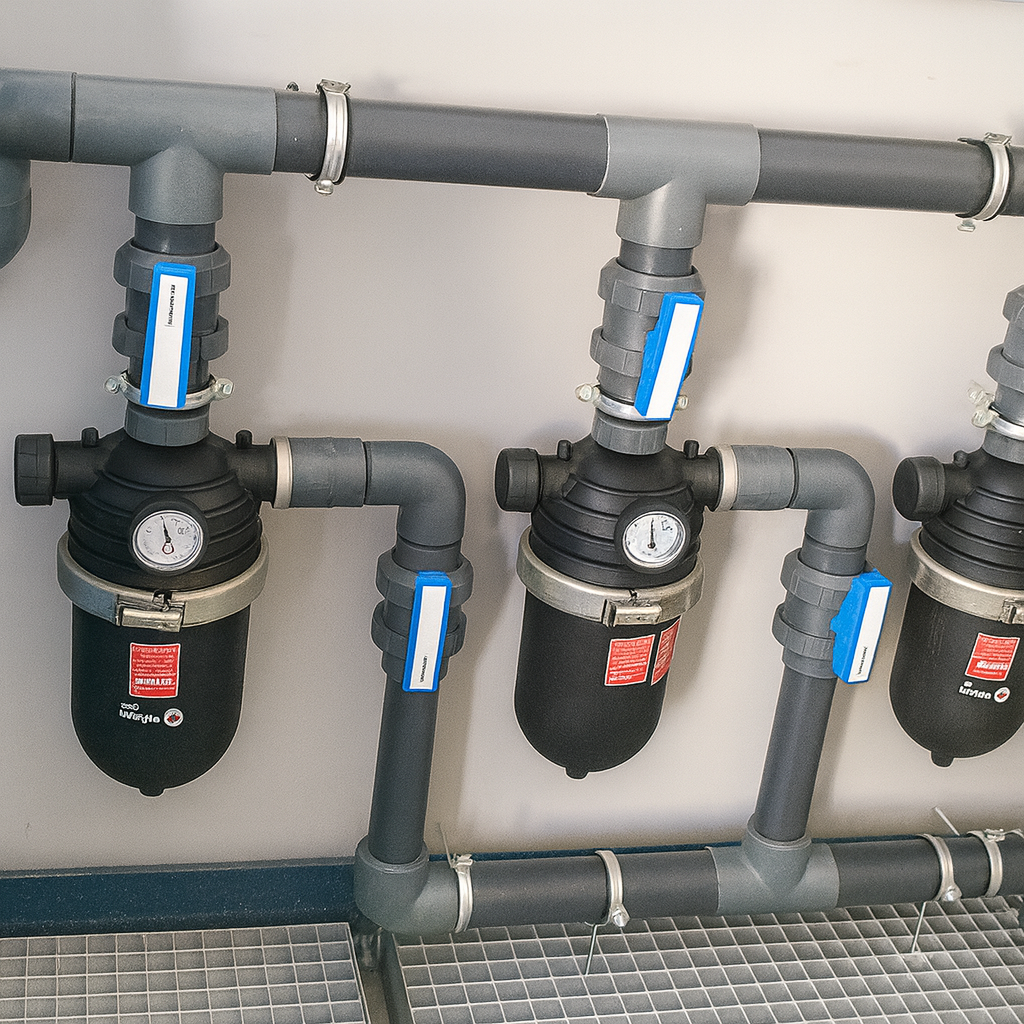
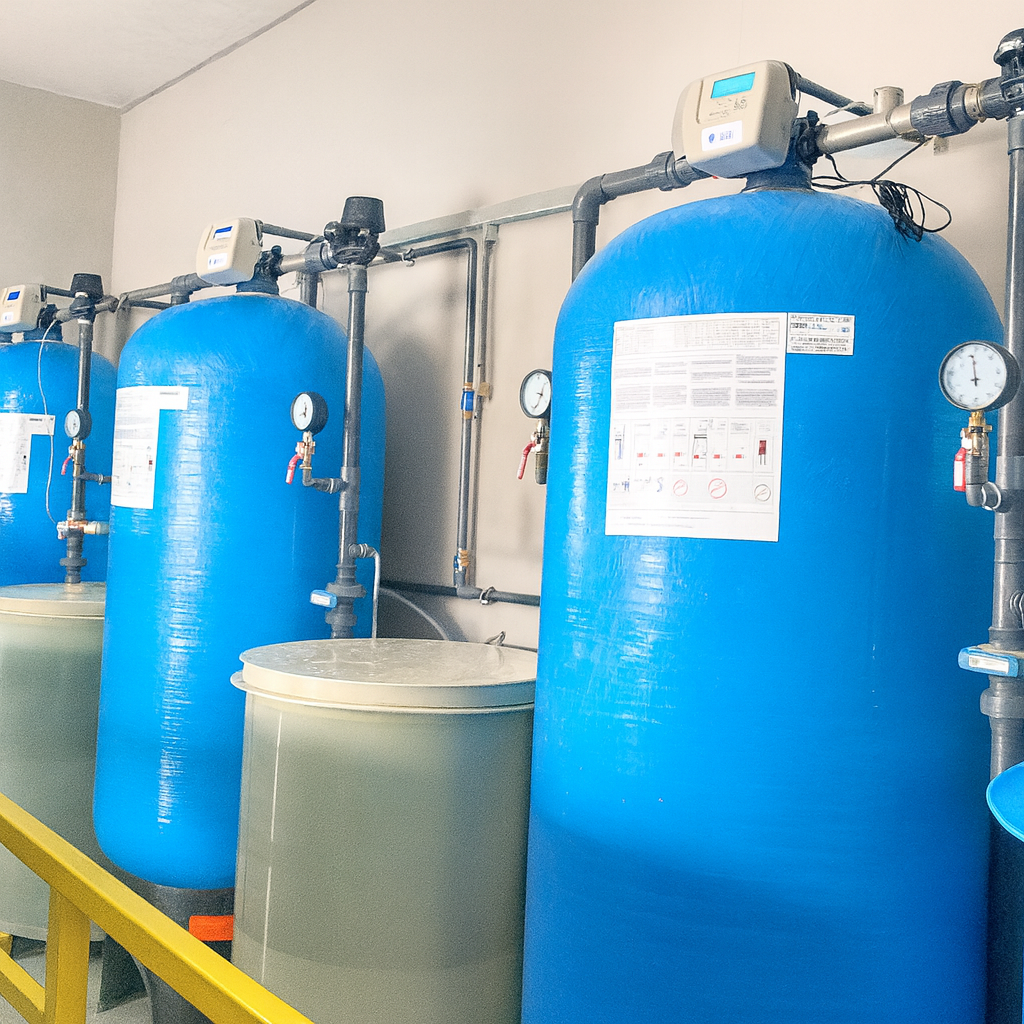
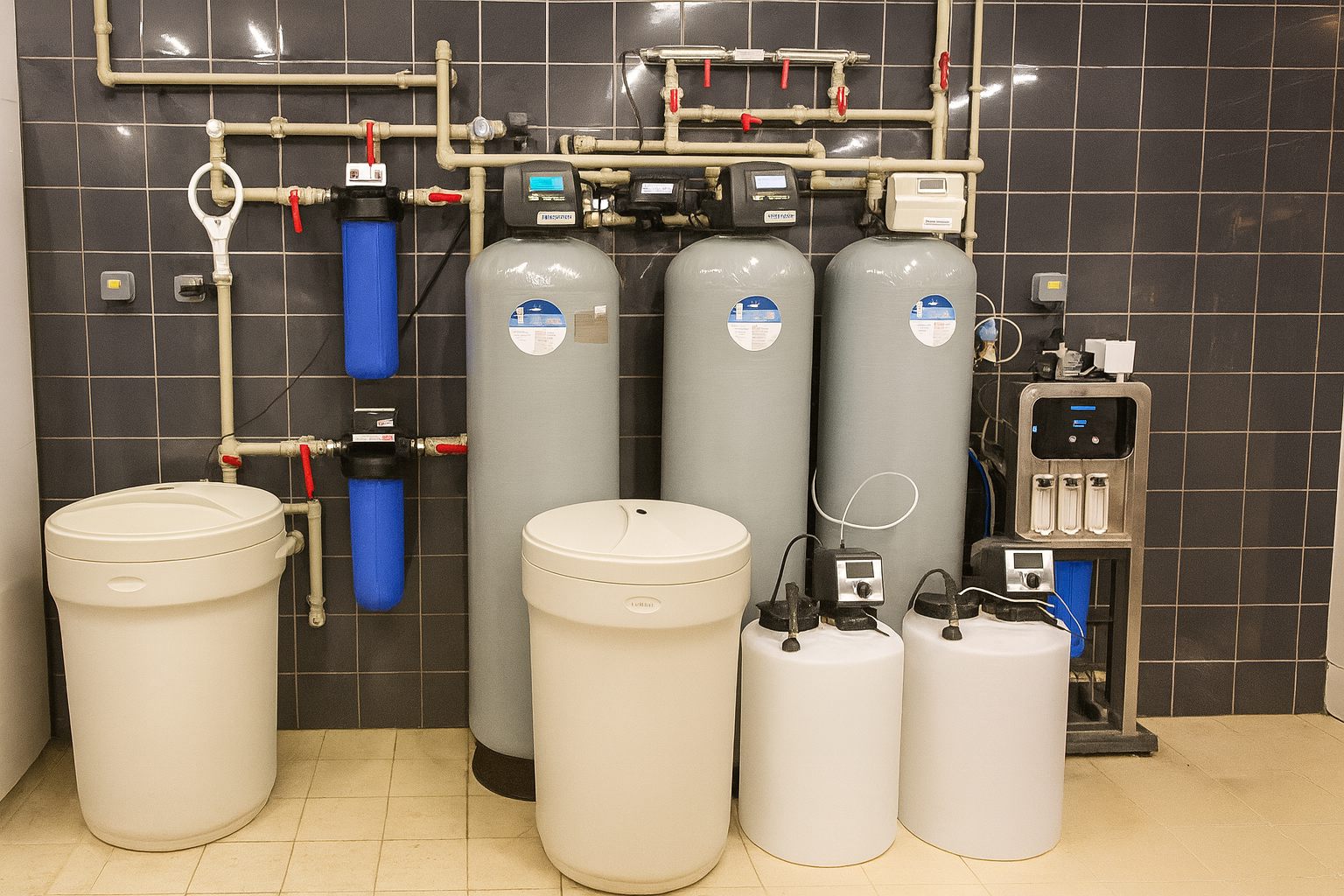
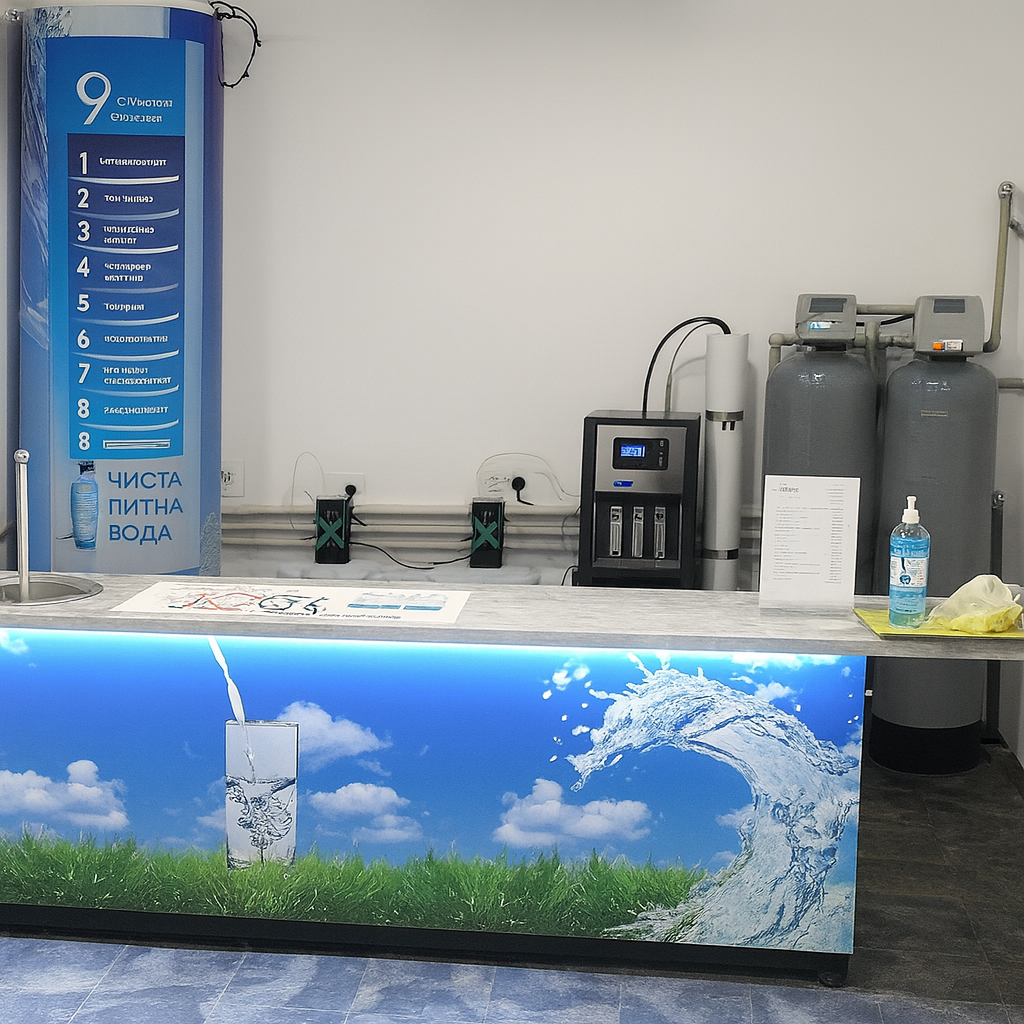
Water bottling points in Kyiv
Installation Site: Kyiv, Ukraine
Problem Description: Installation of water purification systems at public drinking water distribution points across the city to provide residents with safe and accessible drinking water
- Used Product Categories: Filtration systems , Water filters , Reverse Osmosis Systems , UV Sterilizers
- Installed Products: Ecosoft 10x54 twin softener assembly without media with 1" CE valve , Ecosoft Inox IoT MO6500 4″ reverse osmosis system , Ecosoft Bi-Block 12x52 well water softener with 1” CE valve , Ecosoft Inox IoT MO12000 4″ reverse osmosis system , Ecosoft E-480 ultraviolet water sterilizer
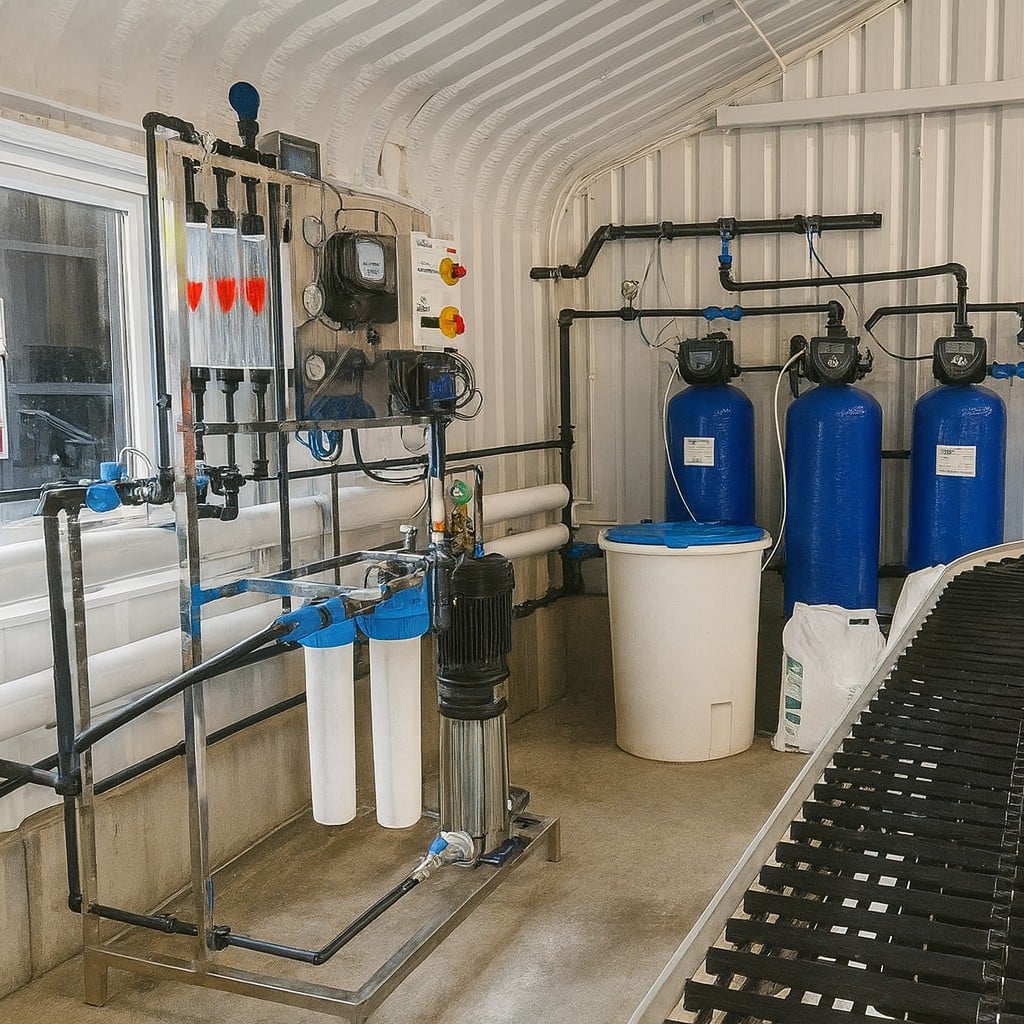
Automated borehole water treatment for a poultry site
Installation site: United Kingdom
Problem description: Borehole water at the site contained high hardness, iron, and turbidity, which posed risks for both operations and livestock. A fully automated treatment system was supplied to ensure safe, reliable, and high-quality water
- Used Product Categories: Reverse Osmosis Systems , Filtration systems , Water softeners , Water filters
- Installed Products: Ecosoft Inox IoT MO12000 4″ reverse osmosis system , Ecosoft 16x65 twin softener assembly without media with 1" CE valve
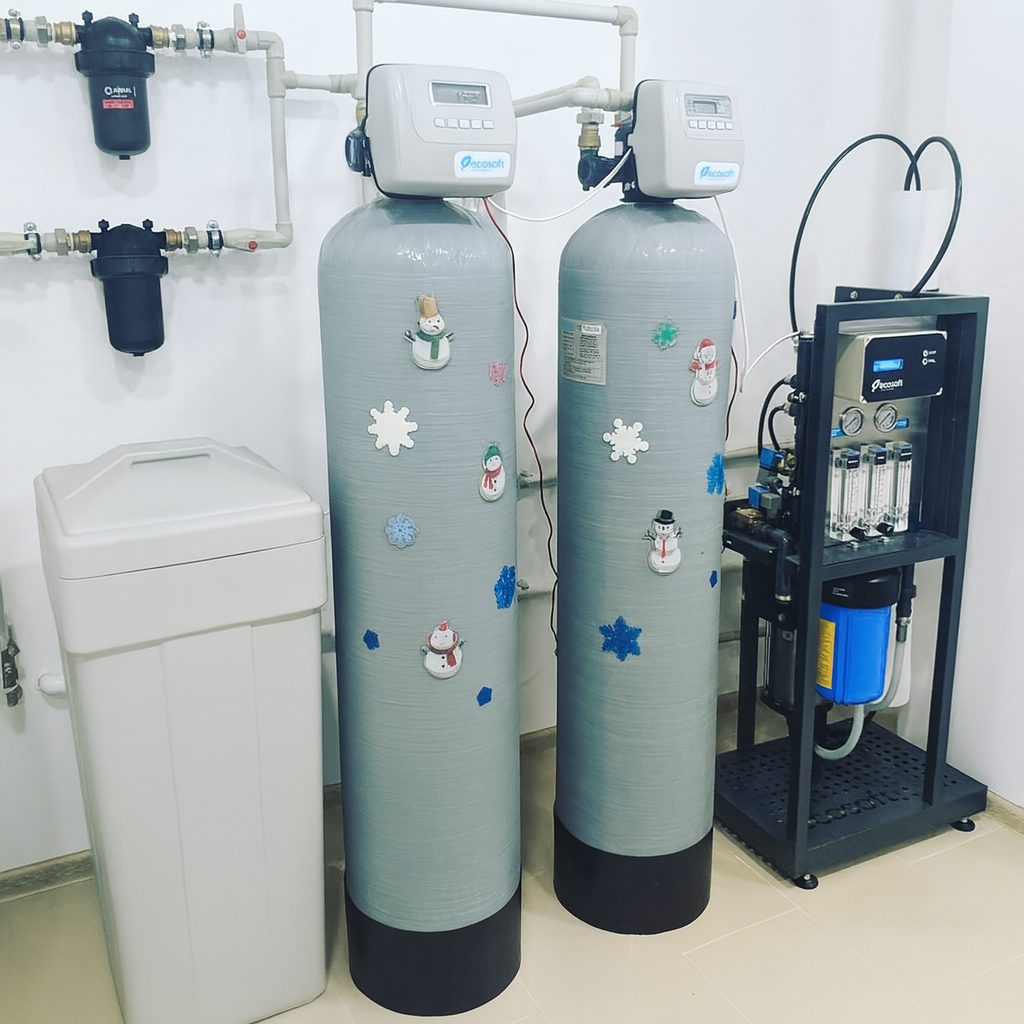
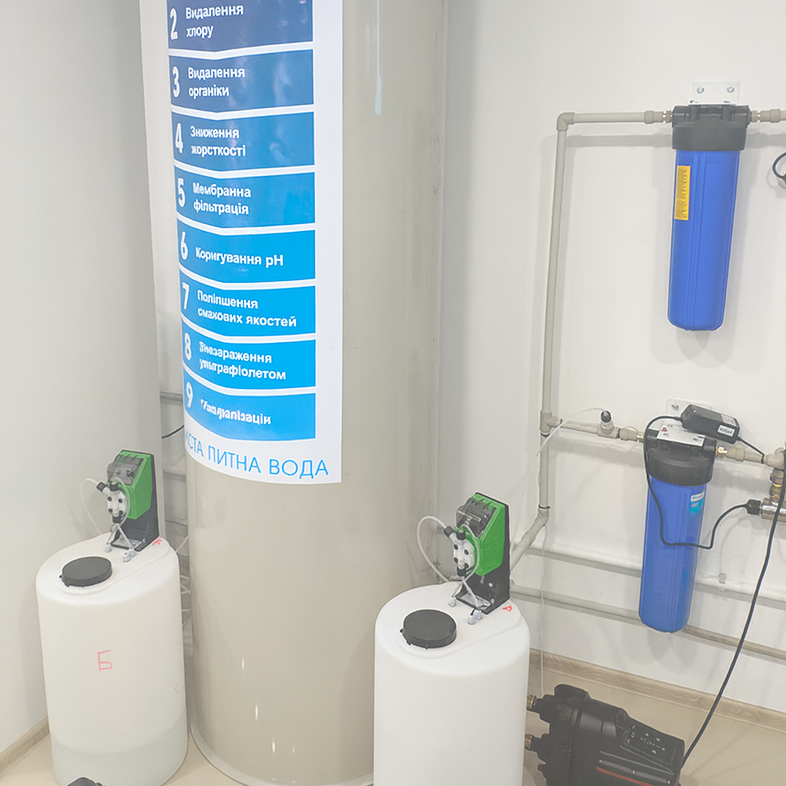
Bottling point – Limanka, Odesa oblast
Installation site: Limanka village, Odesa oblast, Ukraine
Problem description: Community filling point needed potable water; raw source showed iron, hardness and organics
- Used Product Categories: Reverse Osmosis Systems , Water filters , UV Sterilizers , Water softeners , Filtration systems
- Installed Products: Ecosoft 14x65 twin softener assembly without media with 1" CE valve , Ecosoft Professional MO6500 4″ reverse osmosis system , EMEC FACO basic dosing pump set. 60 L , Big Blue 4.5"x20" in-line water filter , Ecosoft ECOMIX® A filter media 25 L
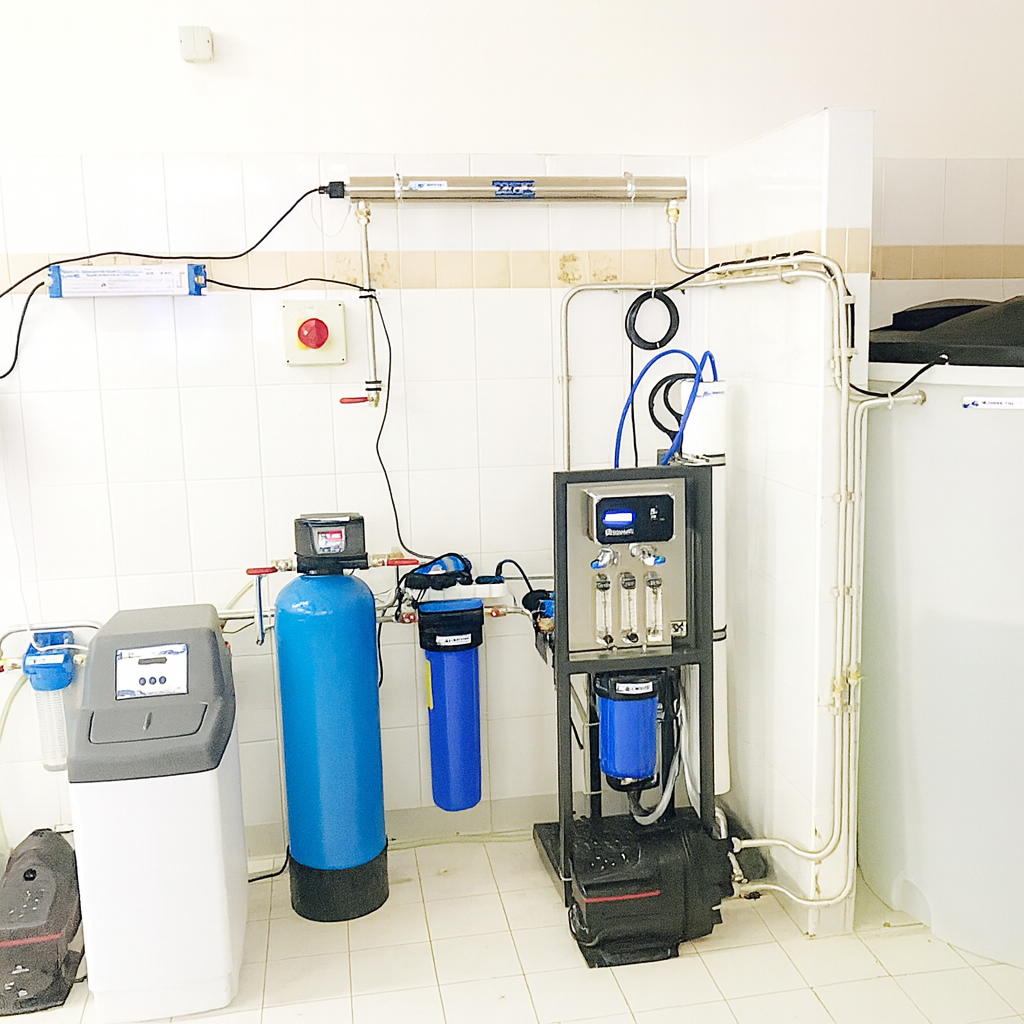
Purified water for cosmetics production
Installation site: Czechia
Problem description: Mains water needed demineralisation and removal of chlorine and organics to meet cosmetic production standards. Pre‑treatment with mechanical filtration, softening, and sorption feeds an Ecosoft MO6500 RO for high‑purity water
- Used Product Categories: Reverse Osmosis Systems , Filtration systems , Water softeners , Water filters
- Installed Products: Ecosoft Inox IoT MO6500 4″ reverse osmosis system , Ecosoft 14x65 softener assembly without media with 1" CE valve , Big Blue 4.5"x20" in-line water filter
Meet the Updated 4" RO for Home
We wanted to move away from bottled water and start drinking our well water for environmental reasons, which the MO5000 RO water filter made possible! Super easy to use and maintain, we love it!


I recently found out that we live in a region with a high PFAS contamination & solved that issue by installing a whole house RO system. I’m much more at ease now!

I installed a whole house RO system 2 years ago and couldn’t be happier! It works like a charm and I no longer have to worry about microplastics and other contaminants in our multi-generational home, which is a huge relief.

Your questions, answered
-
Is RO water safe for drinking and bathing?
Yes, reverse osmosis water is absolutely safe for drinking and bathing. In fact, water of such a high purity is often preferred for people with sensitive skin and infants.
-
What maximum salinity can Ecosoft’s RO systems handle?
Our RO systems for homes are designed for very complex water compositions and can handle TDS levels of up to 3000 mg/L.
They are ideal for households, private homes, or cottages where the TDS levels are above 1.000 mg/l. Since traditional water softening systems can’t handle such a composition, a reverse osmosis system is the ideal alternative.
-
-
How much water is wasted during the filtration?
Thankfully, our modern reverse osmosis systems are very efficient: they recover up to 75% of water, keeping waste to an absolute minimum.
Not just good for you, also good for the environment.
-
Aren’t some minerals good? Can I keep minerals in my RO water?
You are absolutely right, some minerals are actually good and healthy.
That’s why our blending options allow you to adjust the mineral content of the purified water.
-
Do these RO systems require salt to work?
No, they don’t.
One of the great things about the reverse osmosis technology is that it uses membrane filtration, meaning it doesn’t need any salts or chemicals to work.
That makes reverse osmosis such a good choice not just for you and your family, but also for the environment.
-
How noisy are these RO filters?
Thanks to the modern Grundfos Scala 2 pump, our RO units are very low-noise – perfect for residential use in your home.
-
How does a reverse osmosis water filter work?
The technology behind reverse osmosis is as simple as it is genius!
The water is pushed through a semi-permeable membrane that only lets water molecules pass through. This process is highly effective in removing hardness salts, nitrates, PFAS, heavy metals as well as other contaminants such as most viruses and bacteria.
This simple method reliably filters out 99% of contaminants.
-
How does the installation of a reverse osmosis water system work?
While installing a reverse osmosis system is really easy if you choose Ecosoft, it should still always be done by a professional. Our modular plug-and-play solutions like the MO5000 RO filter unit make installation and maintenance very easy for qualified technicians, which makes it cheaper for you.
These skid-mounted RO systems for your home or cottage are pre-assembled in the factory and arrive on a steel frame with all key components pre-configured, so your technician can easily install them.
As such, the installation of these reverse osmosis water systems is extremely easy.
-
Is the filter change in the reverse osmosis system complicated?
No – our goal is to make your life easier, so we make sure that you can change the filters in your RO system yourself without much of a hassle.
You’ll find detailed instructions about the filter change for your RO unit in your user manual, but rest assured that all Ecosoft water treatment systems have been designed with you in mind: the membrane units are easily accessible, making membrane changes and other maintenance tasks quick and painless.
-
What contaminants can RO systems remove?
RO systems remove over 99% of impurities, including hardness salts, nitrates, PFAS, heavy metals, most viruses, bacteria, and other contaminants.
-
How is RO different from standard filtration?
RO membrane differs from other filters in a high-tech, semi-permeable material that allows only small water molecules to pass through.
-
How often should RO membranes be replaced?
RO membranes are typically replaced every 1–2 years. The interval depends on source water quality and the intensity of filter usage.
-
Can reverse osmosis improve water taste?
Reverse osmosis significantly improves water taste, making it crisp and fresh. It is possible because an RO membrane removes impurities that cause unpleasant odours and tastes.
NEED SUPPORT FROM A LOCAL EXPERT?
Our partners are happy to support you with their expertise, ensuring a Professional installation and Easy Maintenance.
Just leave a short note and we will connect you with one of our local partners!
To stay hydrated and healthy when living in a well-kept, functional home, a reliable source of fresh drinking water is needed. Ecosoft offers efficient reverse osmosis systems to purify even challenging water. At our online shop, you can buy our standard water treatment units for the home at reasonable prices or order a tailored offer with customised features.
How RO Water Filtration Works
The operating principle of the reverse osmosis system is based on the use of an RO membrane that consists of three layers made of highly engineered polymer materials. One of the layers has the finest pores that separate molecules by size. Small water molecules pass through this filter, while over 99% of contaminants are repelled and sent to the drain with the wastewater.
Such fine filtration ensures excellent results and meets the strictest safety standards. Ecosoft units treat water at a high flow rate, remaining energy-efficient. Most of our stations perform multi-stage purification. First, source water is pushed through a pre-treatment filter that removes large particles. Then, an activated carbon filter removes chlorine, odours, and organic matter. Some units include a water softener that fights hardness caused by calcium and magnesium. An RO membrane filters impurities, including bacteria and viruses. Some systems feature post-filters and UV sterilisation for a final finish.
Contaminants Removed by RO Systems
RO systems remove over 99% of impurities, including hardness salts, nitrates, PFAS, heavy metals, most viruses, bacteria, and other contaminants. Additional PP sediment and carbon block filters reduce large particles, chlorine, iron, odours, and colours. The system can include a cartridge with ECOMIX media operating, as well as a highly efficient iron filter.
Benefits of Home Reverse Osmosis Systems
Home reverse osmosis filters provide safe, great-tasting water and protect home dwellers from dry skin and dull hair. Kitchen appliances and plumbing are protected from limescale. Also, beverages and meals are much tastier when made of purified water with an optimal, well-balanced blend of dissolved minerals.
Whole-House vs Under-Sink RO Systems
Our catalogue includes point-of-use and point-of-entry RO systems designed specifically to operate under particular conditions:
- a point-of-entry (whole-house) system is installed on the main water line where it enters a house to treat all water used for household purposes;
- a point-of-use (under-sink) system is installed beneath a kitchen or bathroom sink and delivers treated water only through the connected taps.
The whole-house solution treats all water before it reaches any faucet or appliance. It has a higher capacity and a higher cost. However, it protects everything in the house from scale or iron deposits and enables healthy bathing and careful washing. An under-sink option is more affordable but also more restrictive.
To find a happy medium, homeowners often select a point-of-use system among units with advanced technologies and multi-stage filtration, while preferring a budget-friendly point-of-entry station to provide just critical water purification for general use.
Maintenance Home RO Systems
The lifespan of consumables depends on the reverse osmosis filter construction. Typically, to maintain RO systems, you should replace sediment and carbon filters every 4-6 months and RO membranes every 1-2 years.
Choosing the Right RO System for Home
We offer various configurations, flow rates, and additional options of RO systems. When choosing a unit, you should know how much water you are going to treat, determine the source water characteristics, and understand your expectations. For instance, you can prefer a purification unit with:
- smart functions, like leak sensors, useful indicators, automatic flushing, etc.;
- AquaGreen technology that reduces a percentage of wastewater;
- mineralisation when treated water is enriched with beneficial minerals, including calcium, in a well-balanced amount for bone health.
If you need a professional consultation, reach out to Ecosot’s customer support team. Our experts will help you make a choice.
Why Do Homeowners Choose Ecosoft RO Systems
Homeowners prefer Ecosoft RO systems because they want to be sure of treated water quality and the durability and reliability of filtration units. The diverse assortment of reverse osmosis products ensures that everybody finds a solution that meets particular needs, like our RO units, ideally meeting coffee lovers’ requirements.
Why Buy Home Reverse Osmosis Systems from Ecosoft?
In Ecosoft, we ensure the high quality of our certified water treatment solutions that comply with international standards. We provide all the necessary chemicals, accessories, and compatible consumables and deliver on-site services by involving our local partners.