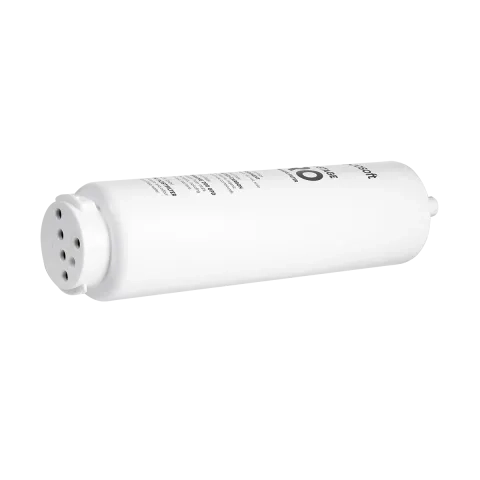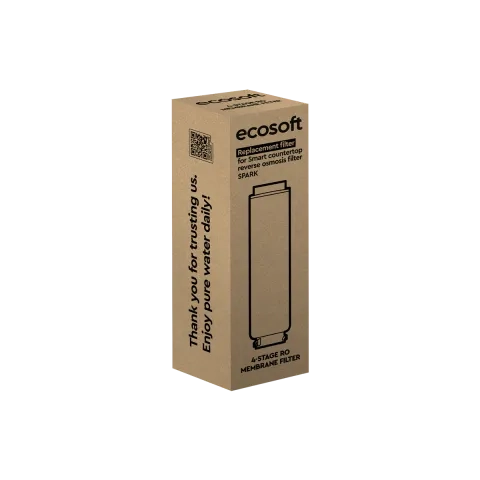


Extend the life of your system with our high-quality original spare parts: filters, membranes, pumps, and more – all compatible with standard reverse osmosis systems.
Extend the life of your system with our high-quality original spare parts: filters, membranes, pumps, and more – all compatible with standard reverse osmosis systems.
ctg
Category
Flow rate
Recovery rate
Number of membranes
Quantity of resin
Volume capacity
Connection
Control valve
Filter by use
Application
Categories
Certification
Configuration
Duration
Smart functions
Added minerals
Compatible with
Membrane capacity
Element type
Filter lineup
Filter media
Filter type
Flushing
For filter types
Mineralization level
Number of bathrooms
Pressure tank
Pure to drain ratio
Replaceable type
Removes pollutants
Pressure tank size
Volume of pressure tank
Water type



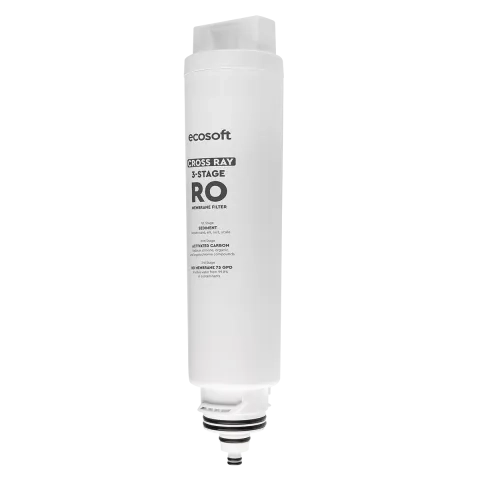
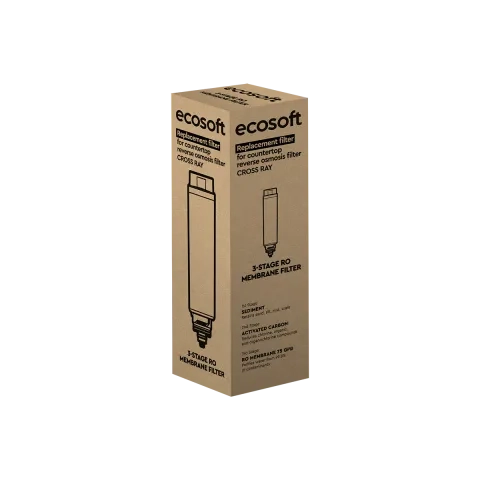
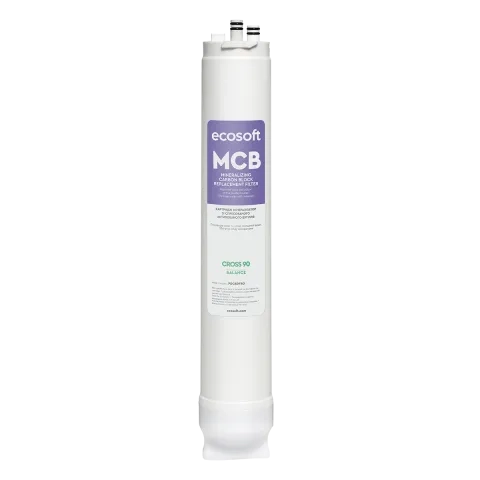
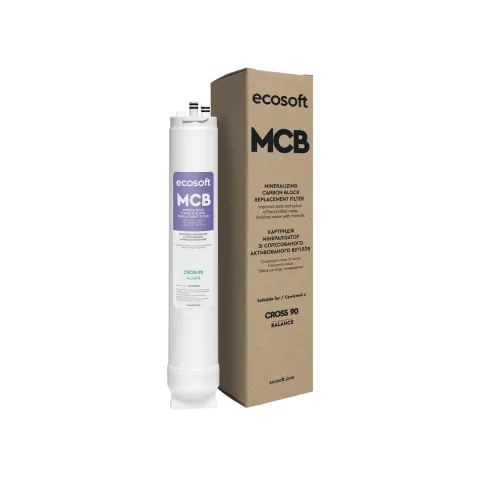
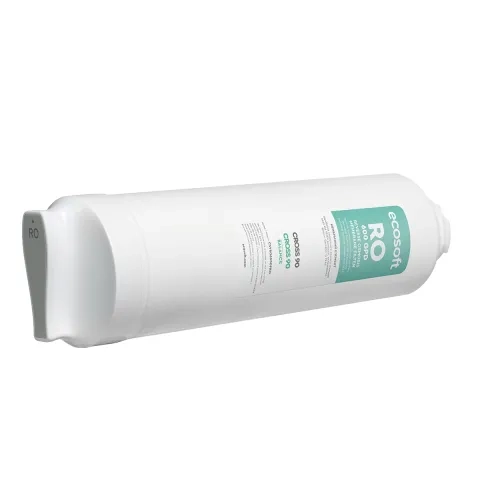
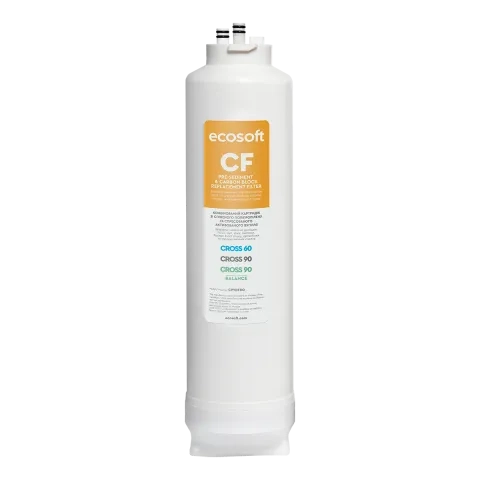
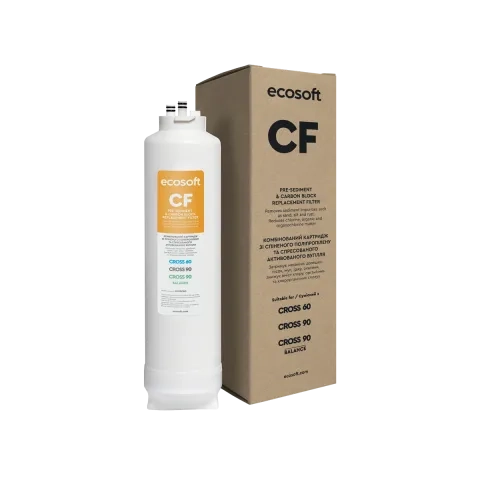
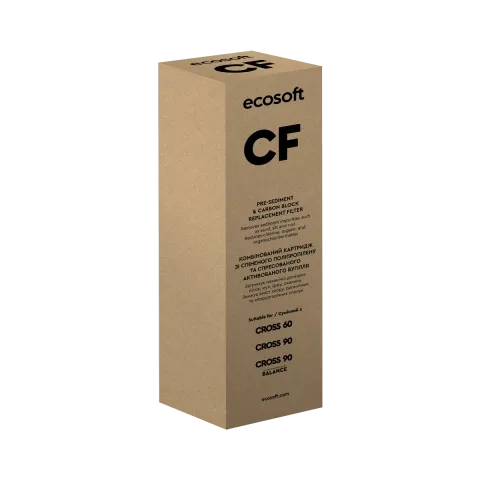
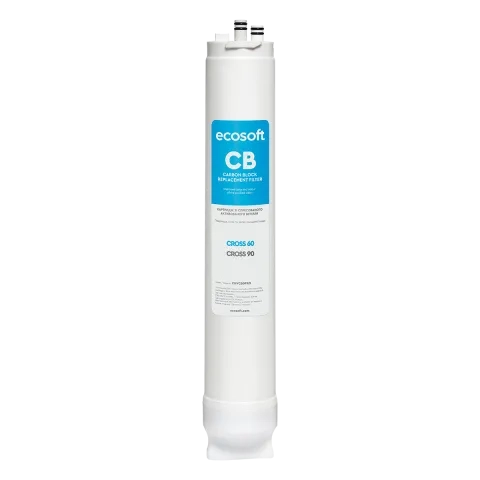
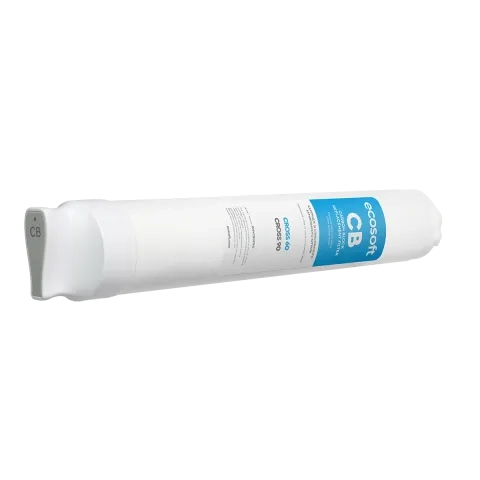
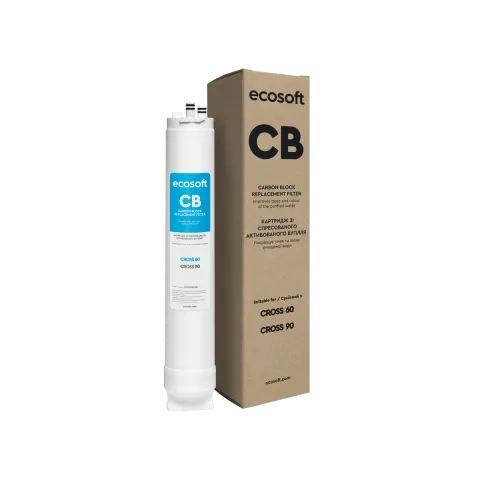
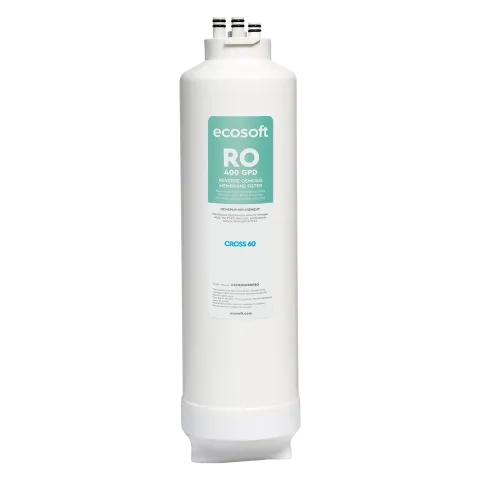
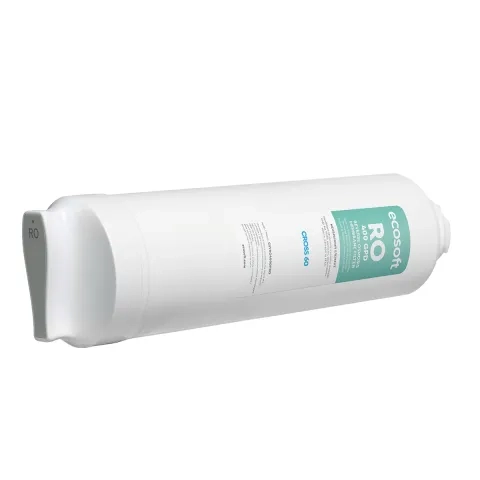
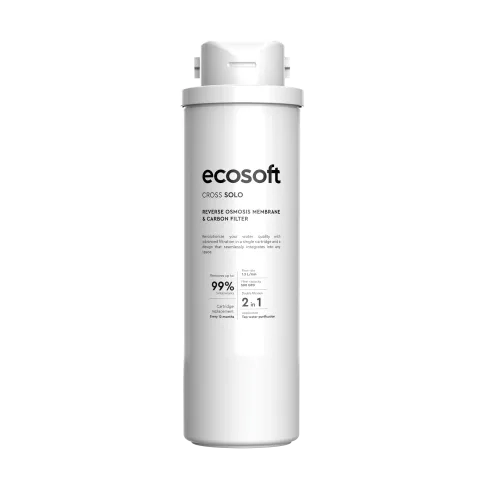
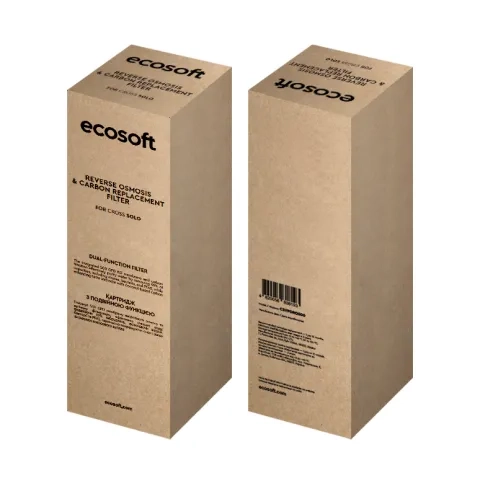
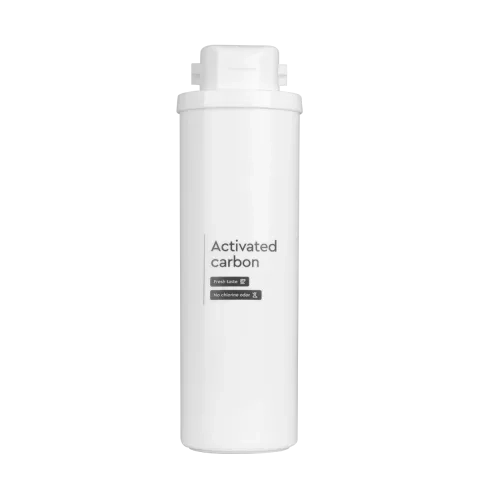
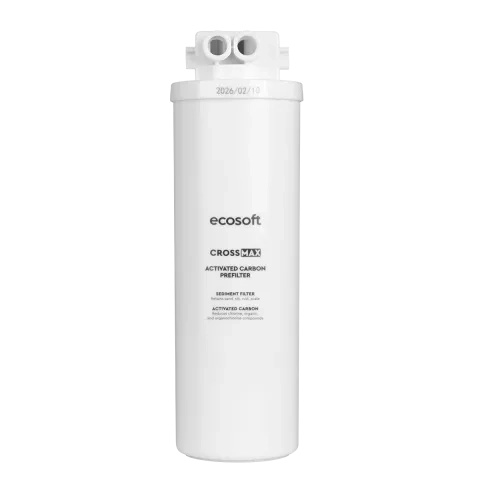
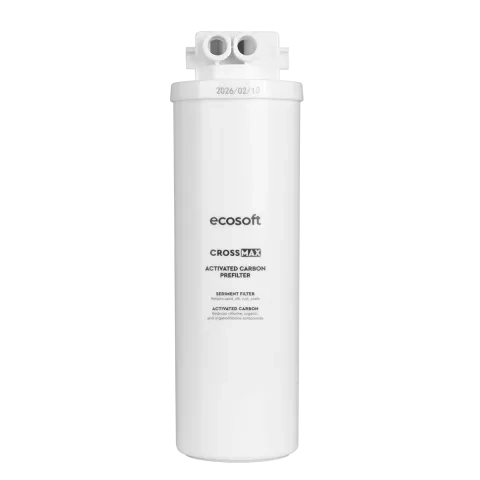
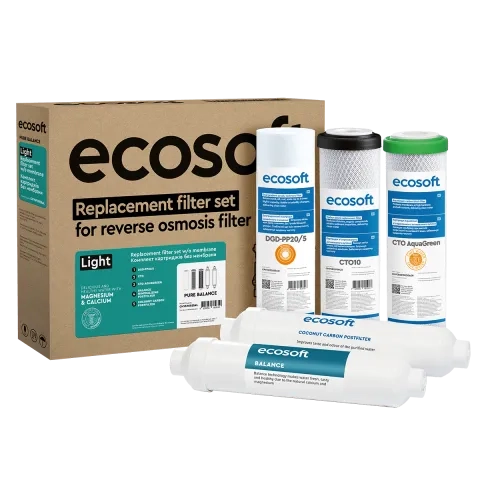
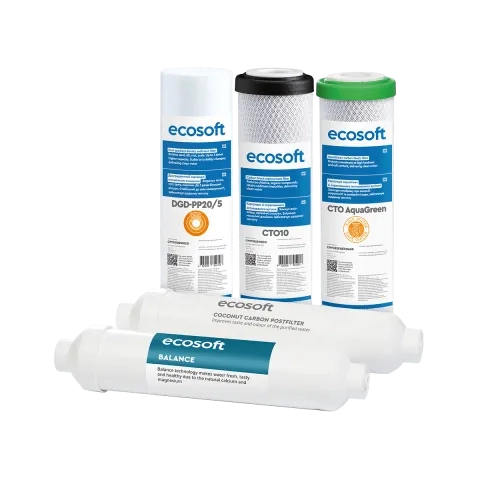
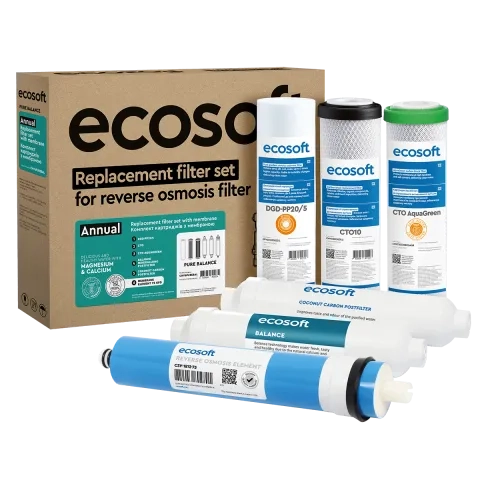
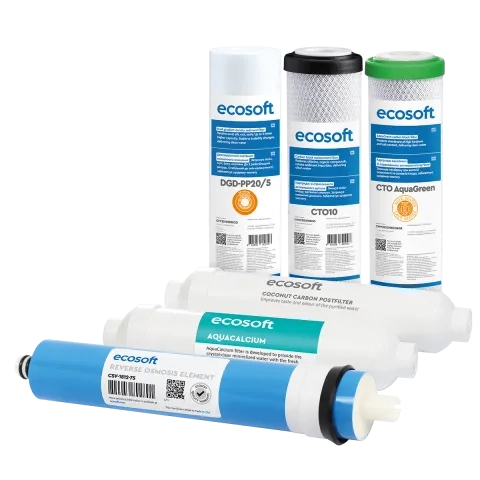
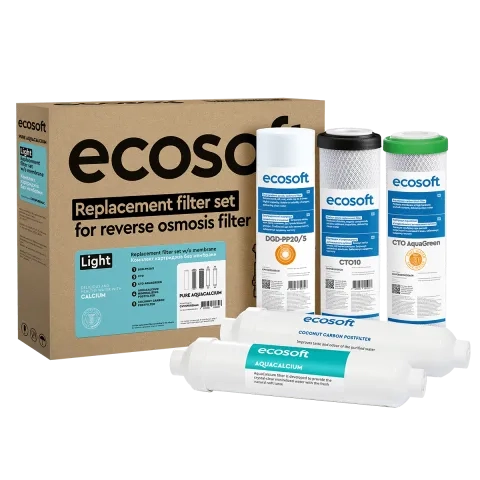
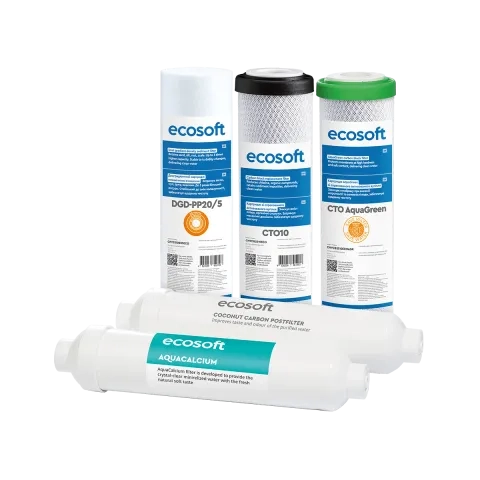
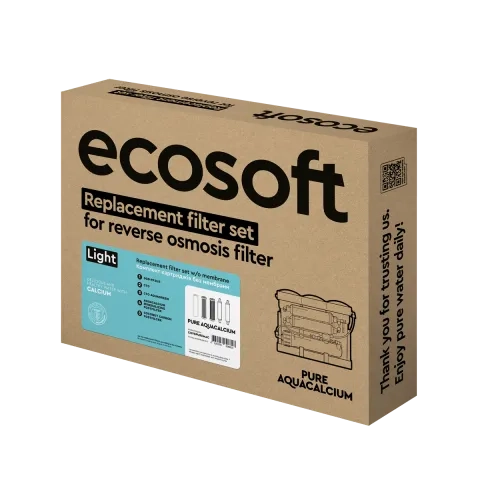
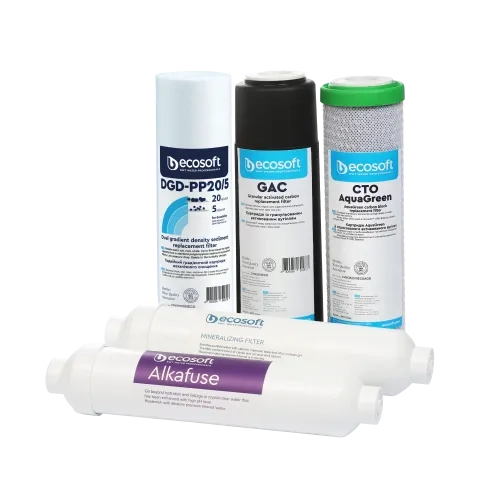
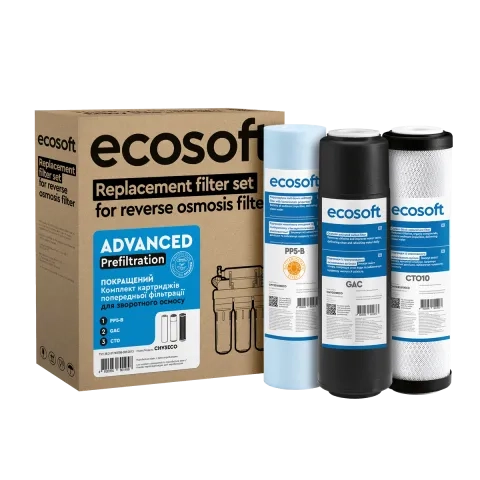
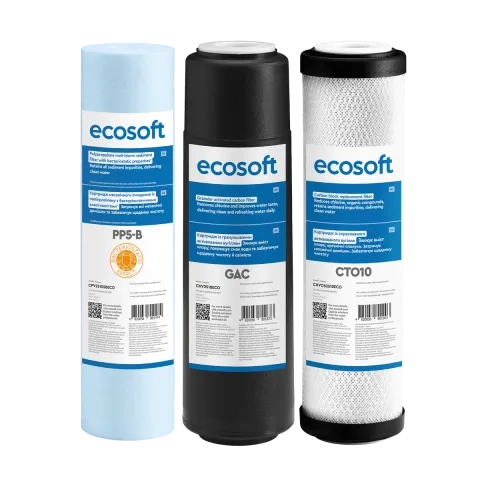
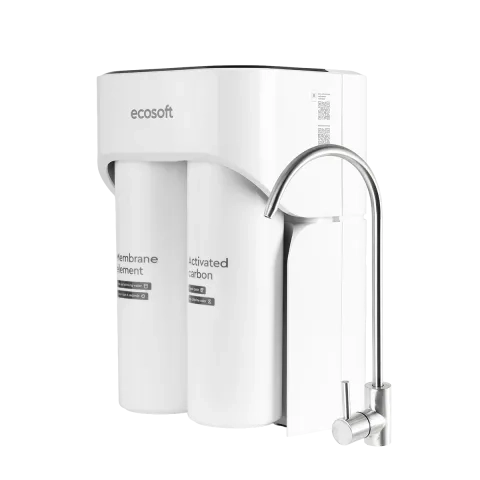
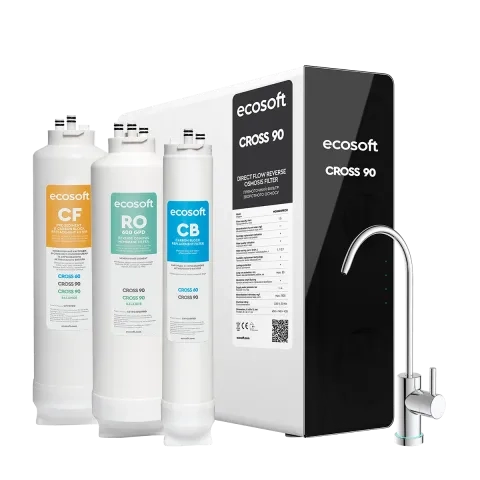
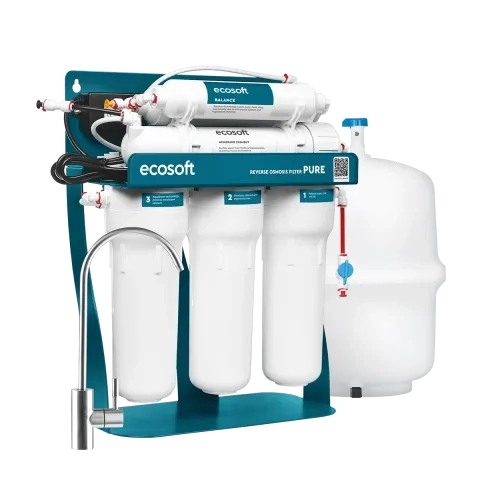
In the Ecosoft online shop, there are reverse osmosis filter consumables to replace end-of-life elements. Original spare parts come in a variety of functions to meet the users’ needs. You can order them at a reasonable price to enhance the usability of your filtration system and provide proper drinking water osmosis purification.
Commonly, the replacement time for consumables is 12 months. Following this interval, it is easy to provide high performance and guarantee quality water taste. The basic components of a reverse osmosis system are as follows:
The consumables are quickly and easily installed. You should take into account that some of them are universal, while the others comply only with specific reverse osmosis units.
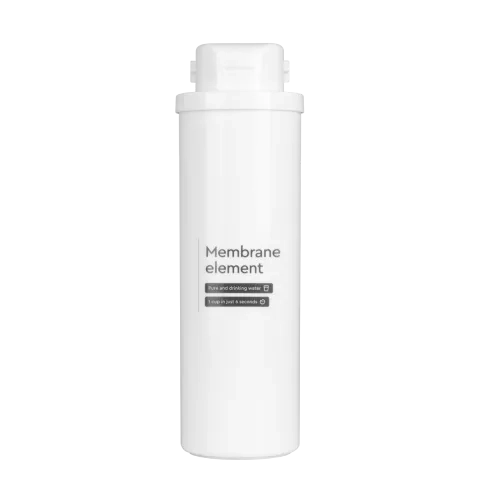
Reverse osmosis membrane elements for traditional osmosis systems have a common basic construction. They consist of a multi-layer filter, including a feed water separator, a membrane, a permeate separator, and another membrane. They have standard sizes adjusted to a particular water treatment osmosis system type (home, commercial, or industrial).
As for the rest, an element should have technical characteristics that entirely meet your needs and match the drinking water reverse osmosis system it is going to operate with. A universal element can be installed into several units that accept its width and height. If there are doubts as to compatibility, it is better to consult our expert by phone.
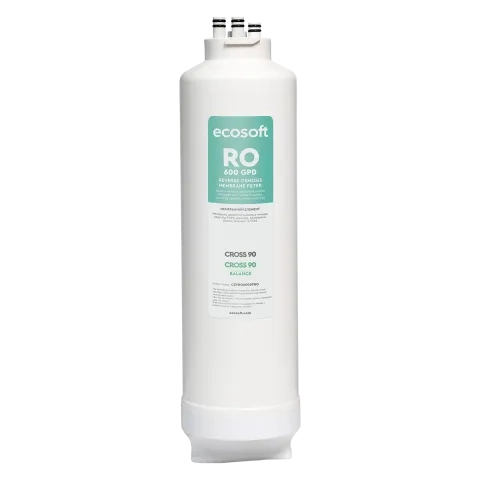
In our catalogue, there are membranes with various capacities ranging from 50 GPD to 600 GPD. All of them remove hardness salts, fluorine, lead, PFOS, chloramines, PFAS, microorganisms, and organic matter from water. We offer Ecosoft and Filmtec™ membranes. The latter has a longer lifespan, should be replaced every 24 months, and enables a tailored offer. If you want to clarify how much a FilmTec™ membrane costs, you should contact us.
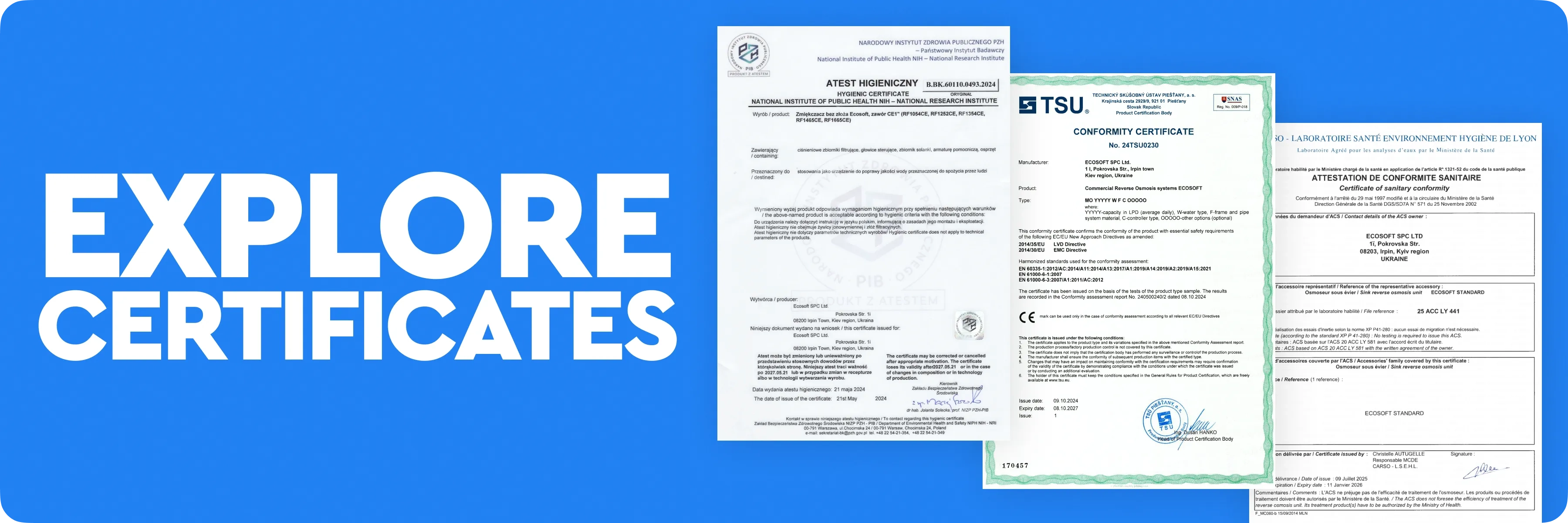
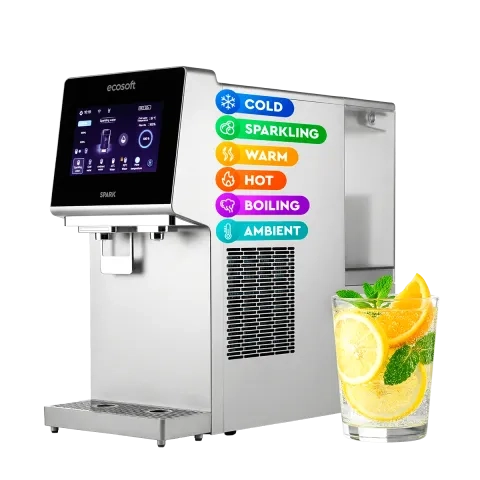
We provide a wide choice of consumables for drinking water treatment systems and other units, like water dispensers and accessories. They are supported with certificates that prove their high quality and efficiency. Everything the water treatment system needs to operate can be found on our website.
You can buy a product online and engage local experts, whom we connect you with. Professionals install and maintain the system easily. To pay for our units and spare parts, you can use a secure payment method and get goods delivered in 2–5 days. We offer a free 30-day return period.
A water softening system is designed to remove calcium and manganese from water to make it softer and prevent lime formation. A water filter removes sediments, chemicals, and other contaminants to improve the taste and make it more beneficial for health.
The best water softening systems are based on the use of ion exchange systems with resin. Units have various designs and specifications. The choice depends on applications and the volume of water to be treated.
Prices for water softening systems vary significantly depending on the flow rate, capacity, and other parameters. There are units with ion exchange resin and without media in a package.
For purposes of getting soft water, it is better to use a salt-based water softening system. This solution is required to treat extremely hard water. You will pay for the unit and for annual maintenance. But salt-free units are best for conditions with low maintenance. Though they do not remove calcium and manganese, they just protect appliances from scale formation by changing the physical or chemical state of minerals.