

Where Is seawater desalination used?
Many regions around the world suffer from a lack of freshwater. It is essential for both people and industries, yet it may not be accessible from either surface or underground sources. The recommended maximum salinity for drinking water is 500 mg/L (in some cases 1000 mg/L), while seawater can contain between 18 and 45 g/L of salts.
Desalination becomes necessary in areas where no other water sources are available, such as in the Middle East and Africa. Other niche uses include long-distance marine vessels, space or Arctic stations, and river mouths or salt marshes.
As of 2019, there were 15,906 desalination plants operating globally, producing 95 million m³ of freshwater per day.
48% of desalinated water was produced in North Africa and the Middle East
18.4% in East Asia
11.9% in North America
9.2% in Europe (including 5.7% in Spain)
Most of this water (62.3%) is used for municipal needs, while 30.2% goes to industry, 4.8% to energy, and 1.8% to agriculture.
In Ukraine, there are no large-scale desalination systems, as water shortages are not critical. However, small commercial reverse osmosis systems are used on the Black and Azov Sea coasts, as they are more economical than transporting water.
Desalination methods
The main technologies used today include:
Thermal methods (distillation)
Membrane processes
Less common methods include:
Freezing (energy-intensive)
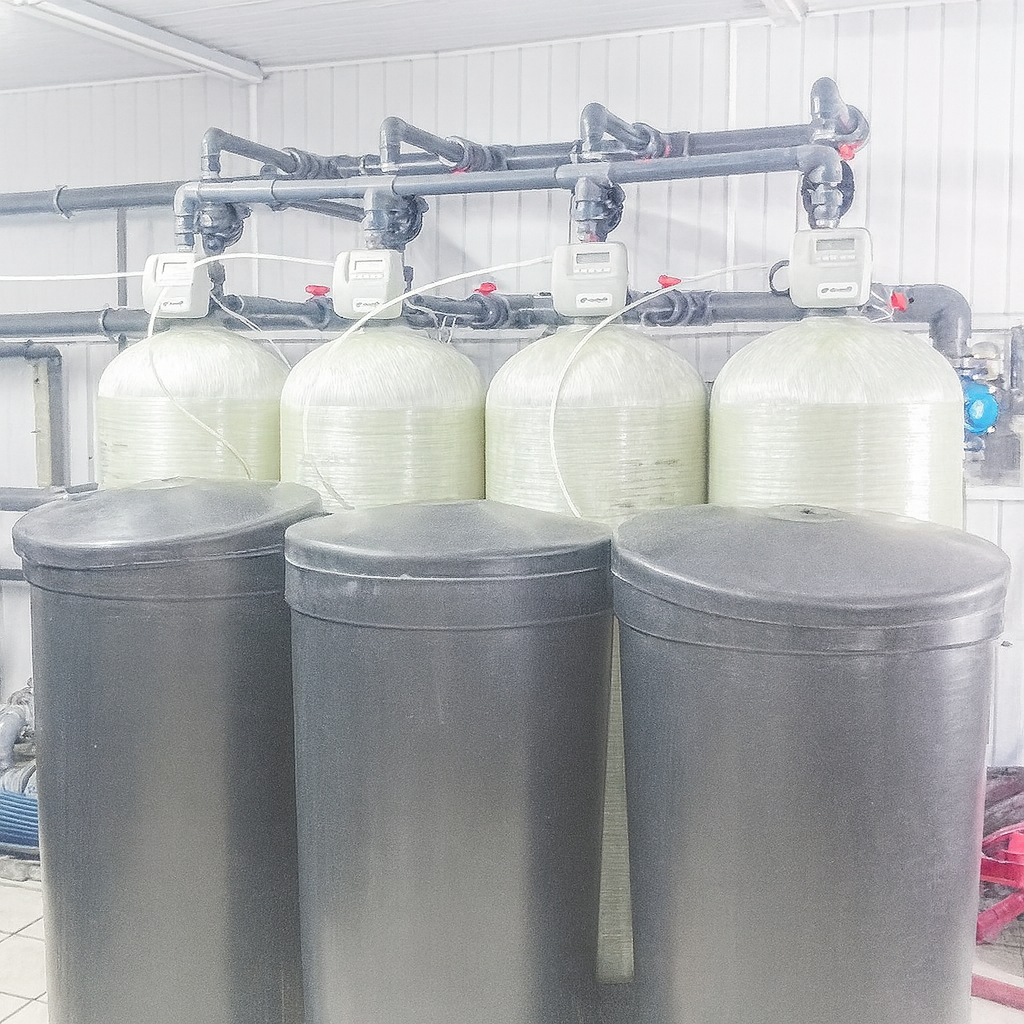
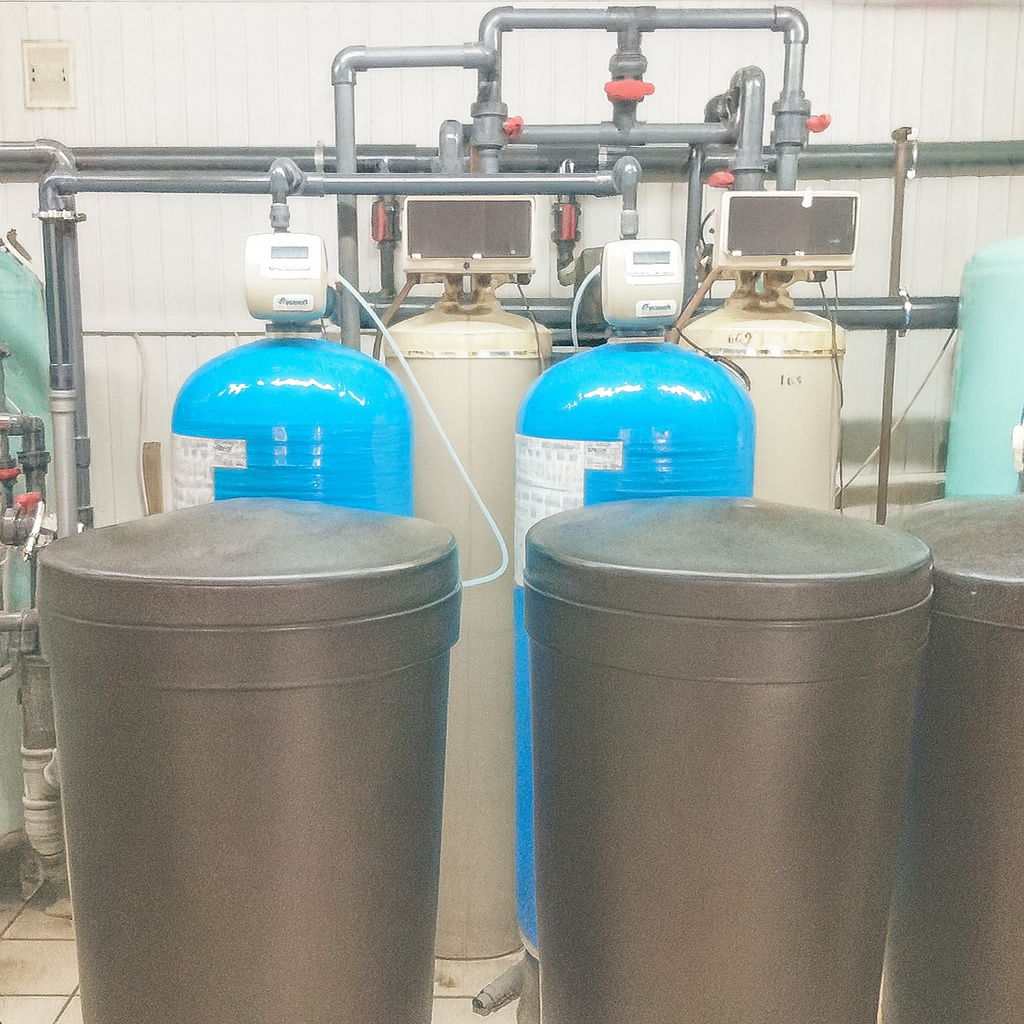
Ion exchange (limited resin capacity, requires acid/alkali regeneration)

Thermal desalination technologies rely on the principle of evaporation and condensation. Distillation is the oldest method of obtaining demineralized water.
Key thermal technologies:
Multi-stage flash distillation (MSF) – water is heated and then rapidly boiled as pressure drops in successive chambers. This method has been in use since the 1950s.
Multi-effect distillation (MED) – similar to MSF but uses condensation heat to warm water in each stage, making it more energy-efficient and less corrosive.
Vapor compression – uses compressed vapor for heating, instead of direct heat exchange.
Solar desalination – suitable for small volumes in sunny regions, where water is evaporated under glass and condensed into collection troughs.
Despite their long history, thermal methods are gradually losing ground to membrane-based processes.
Membrane desalination technologies
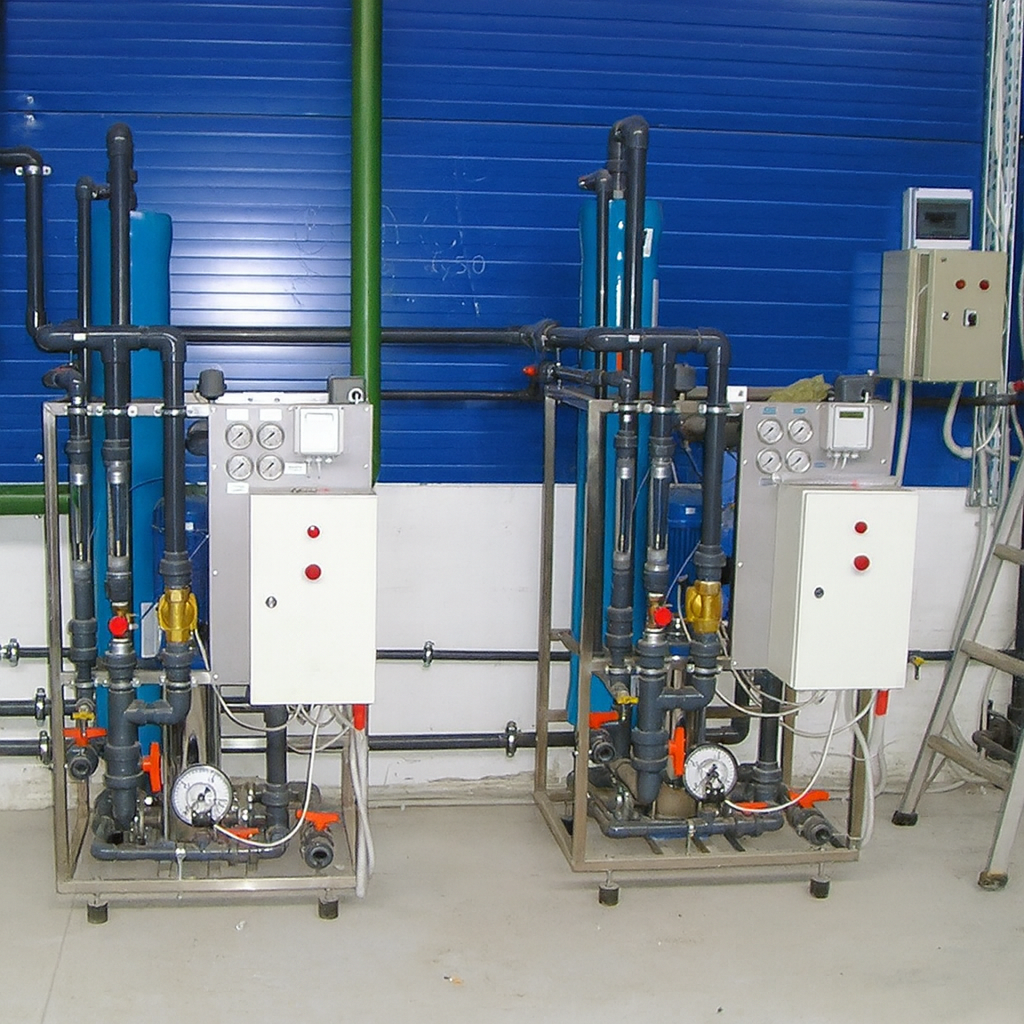
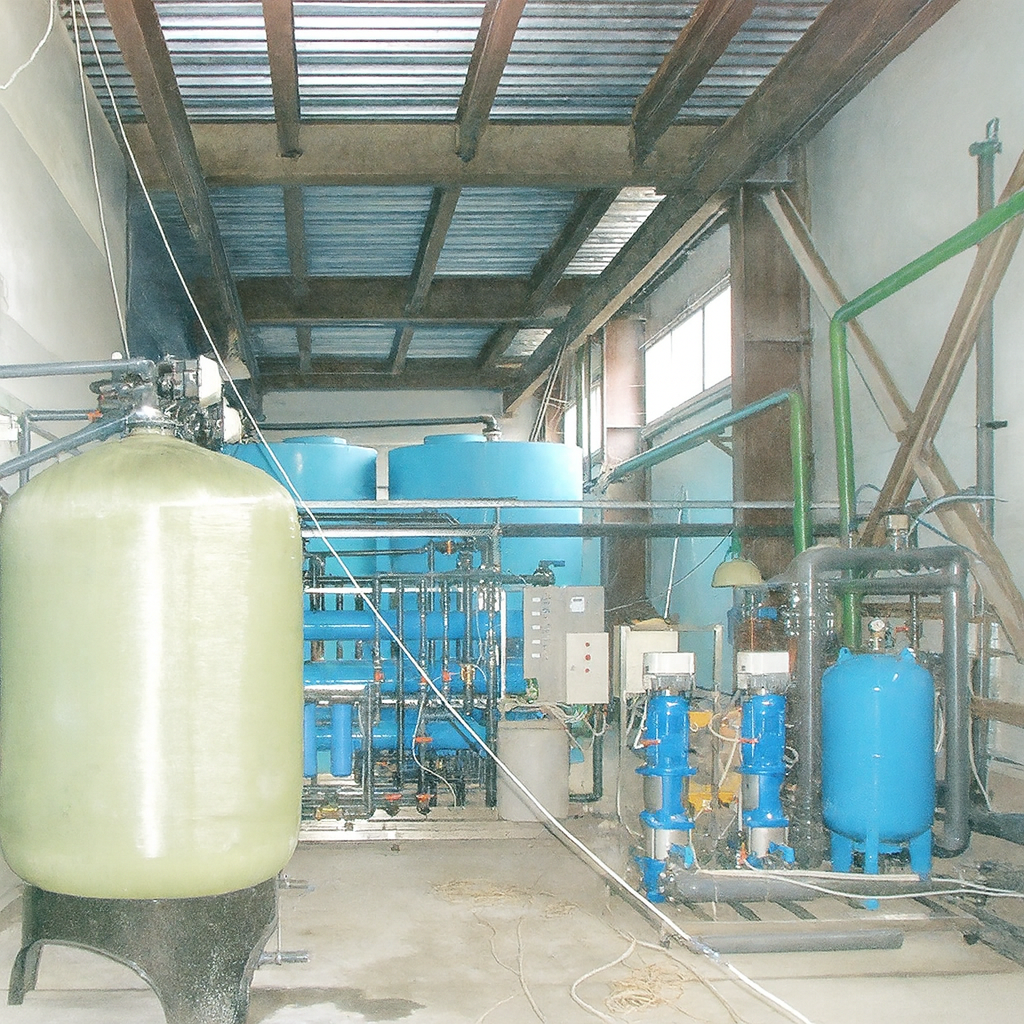
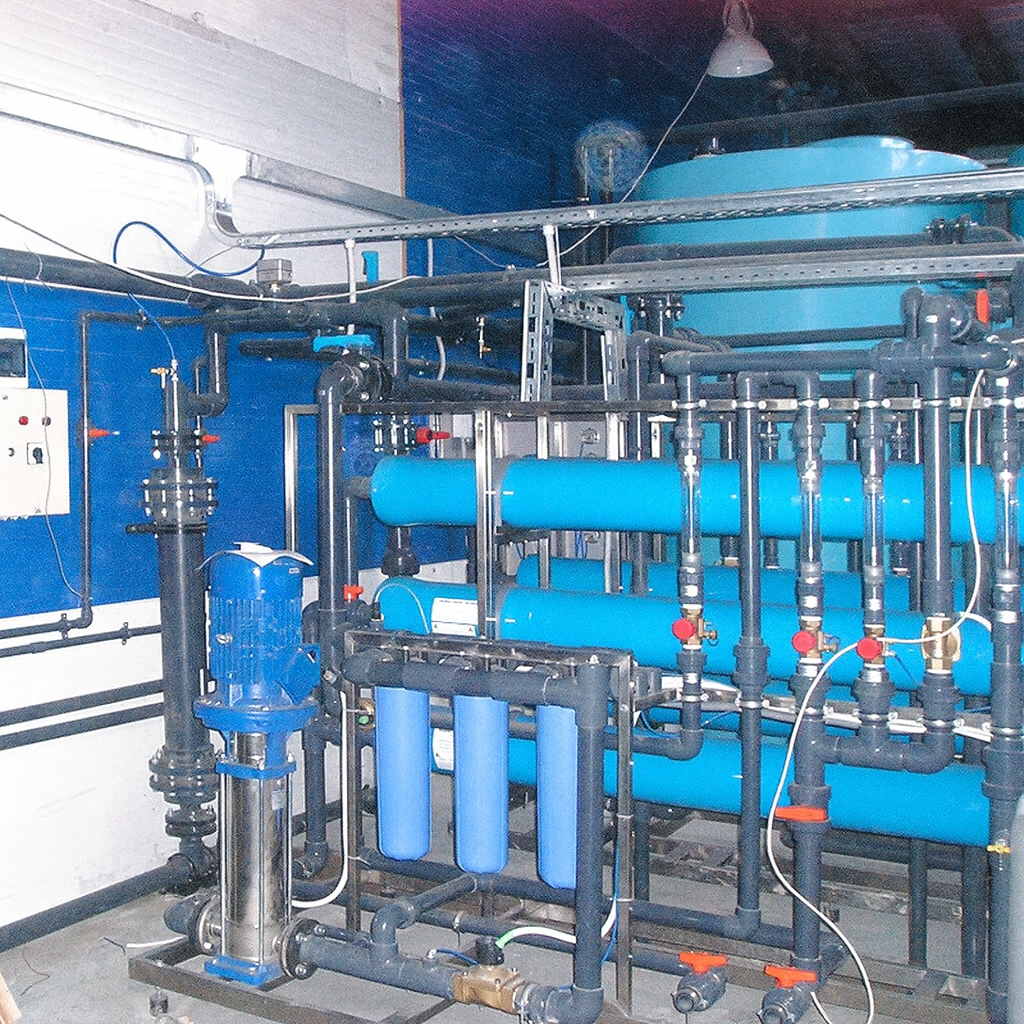
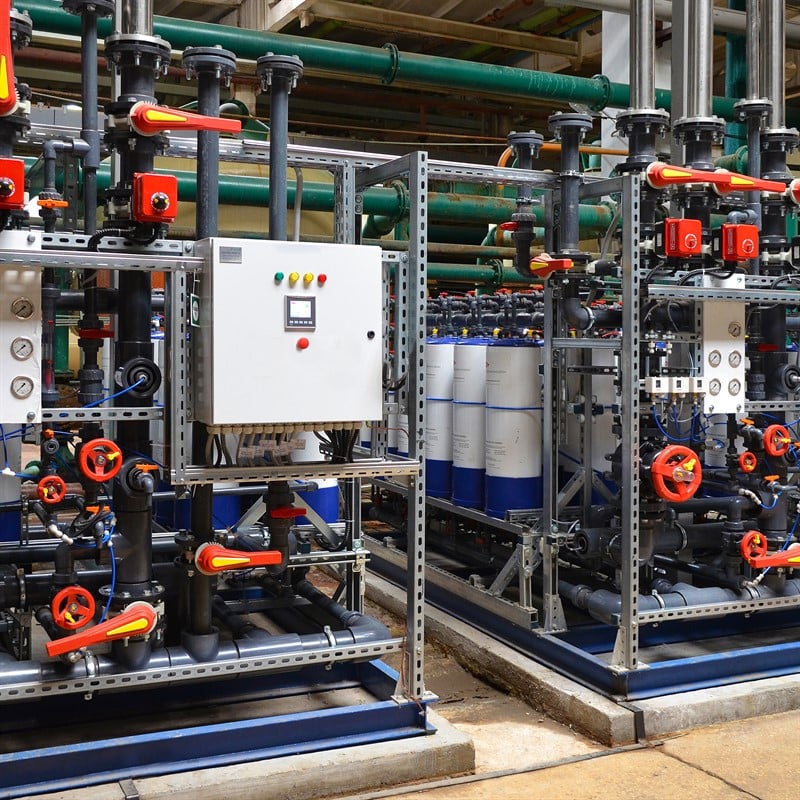
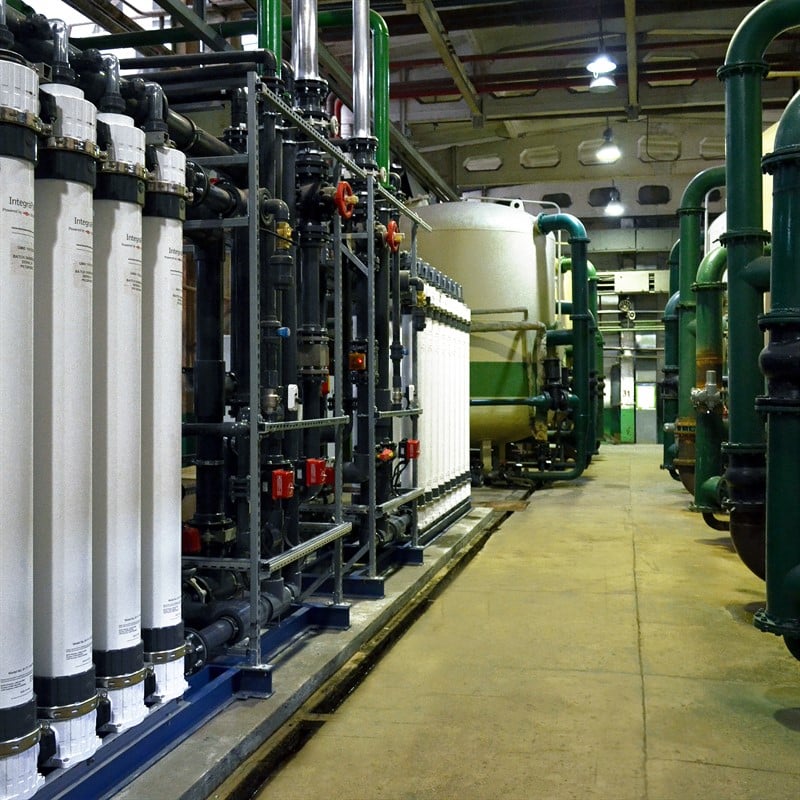
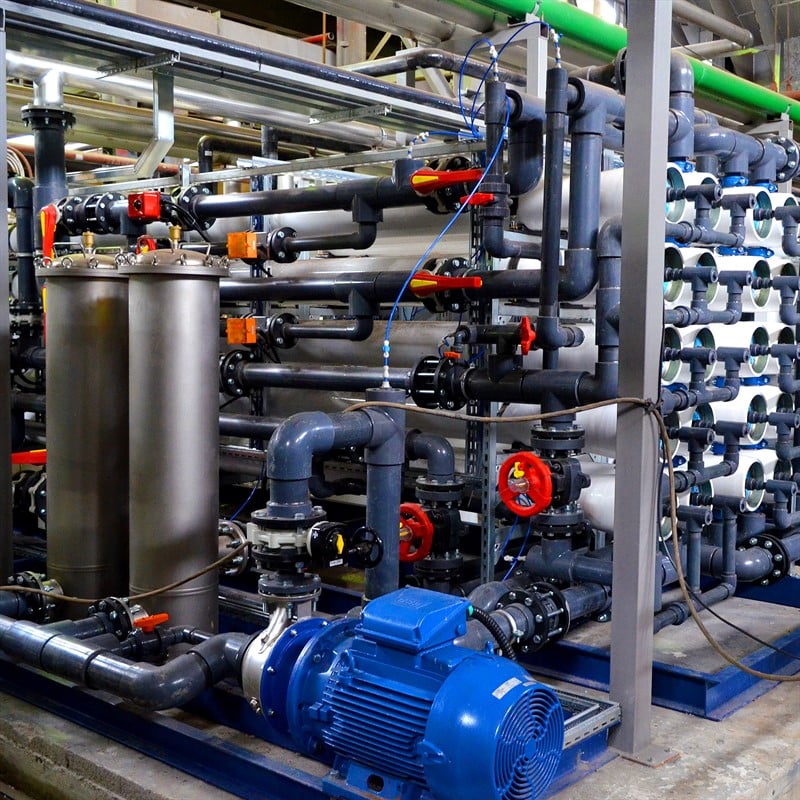
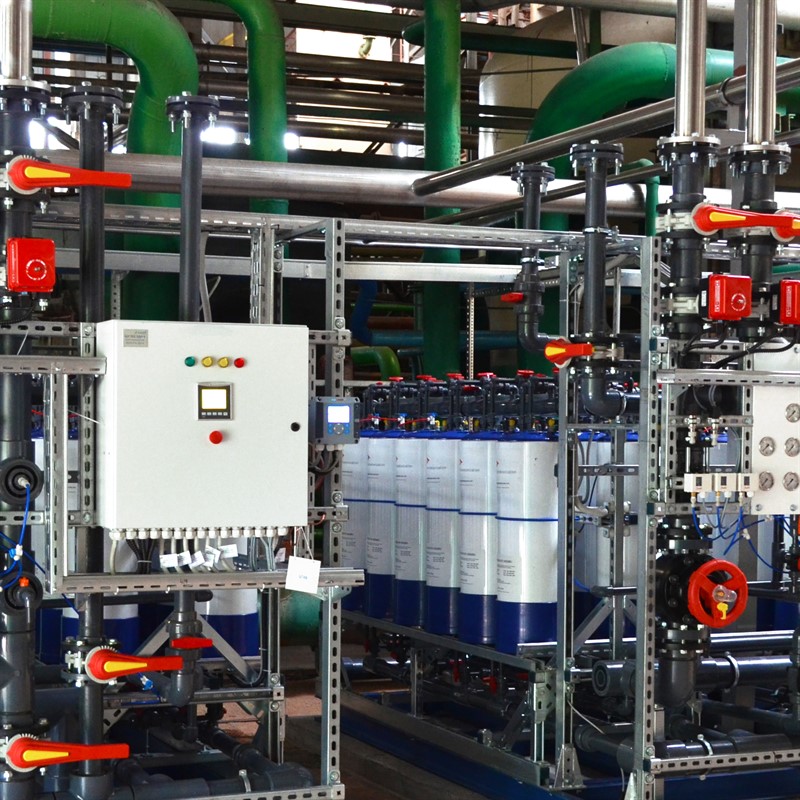
Most modern seawater desalination systems use membrane technologies, especially reverse osmosis.

Key membrane processes:
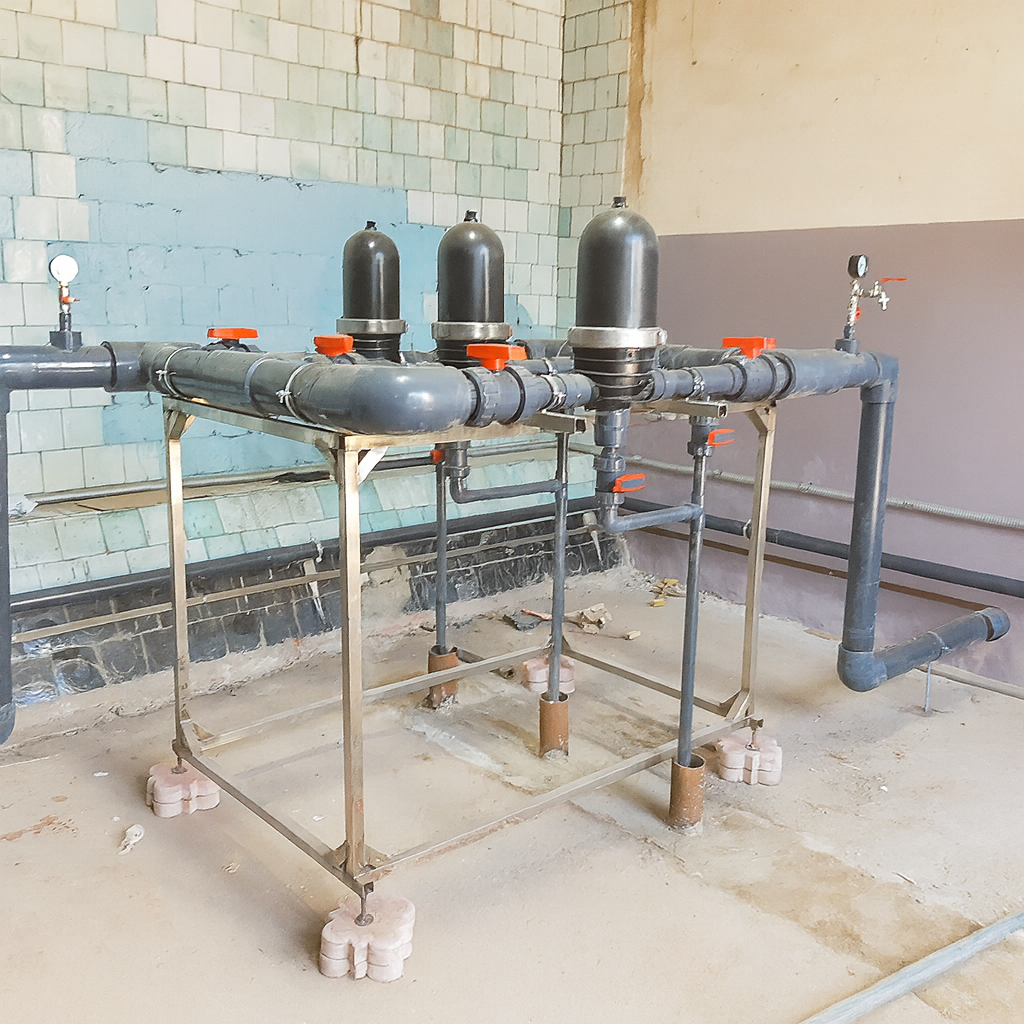
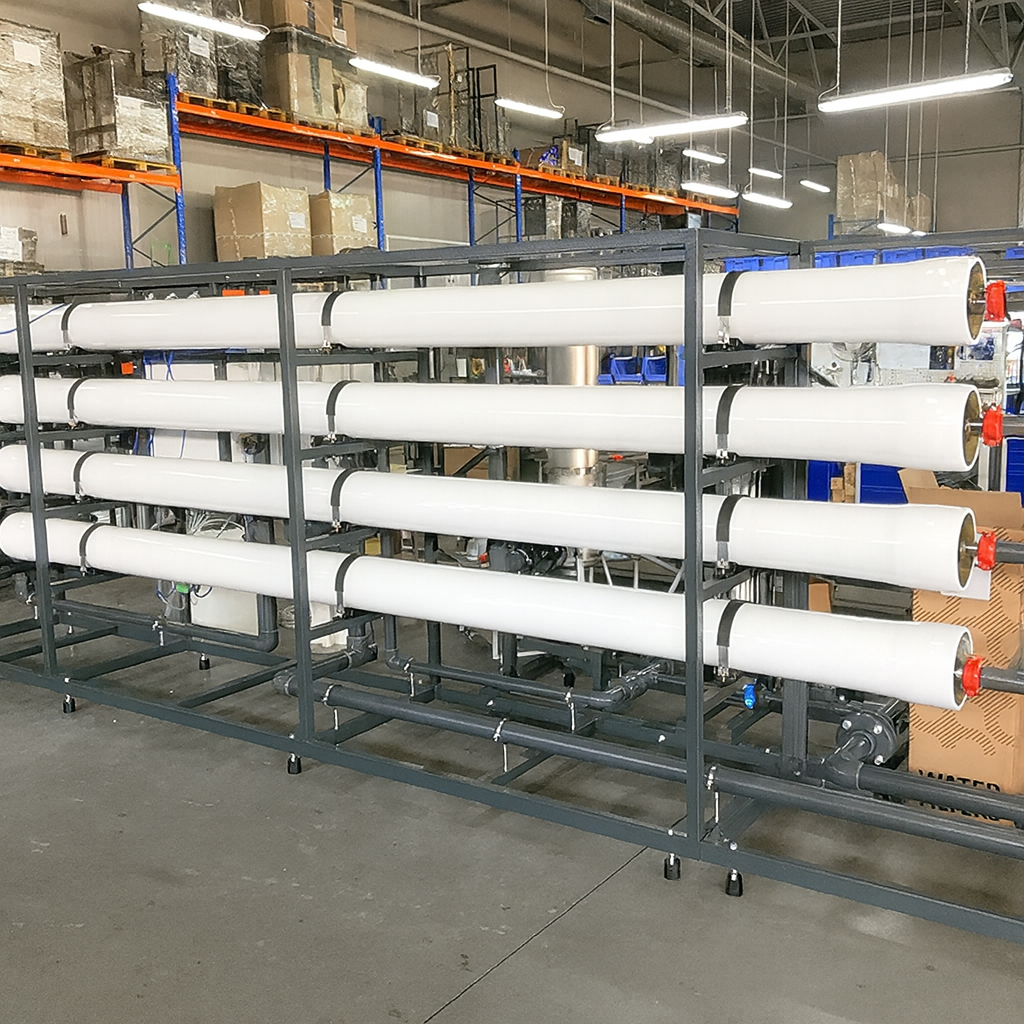
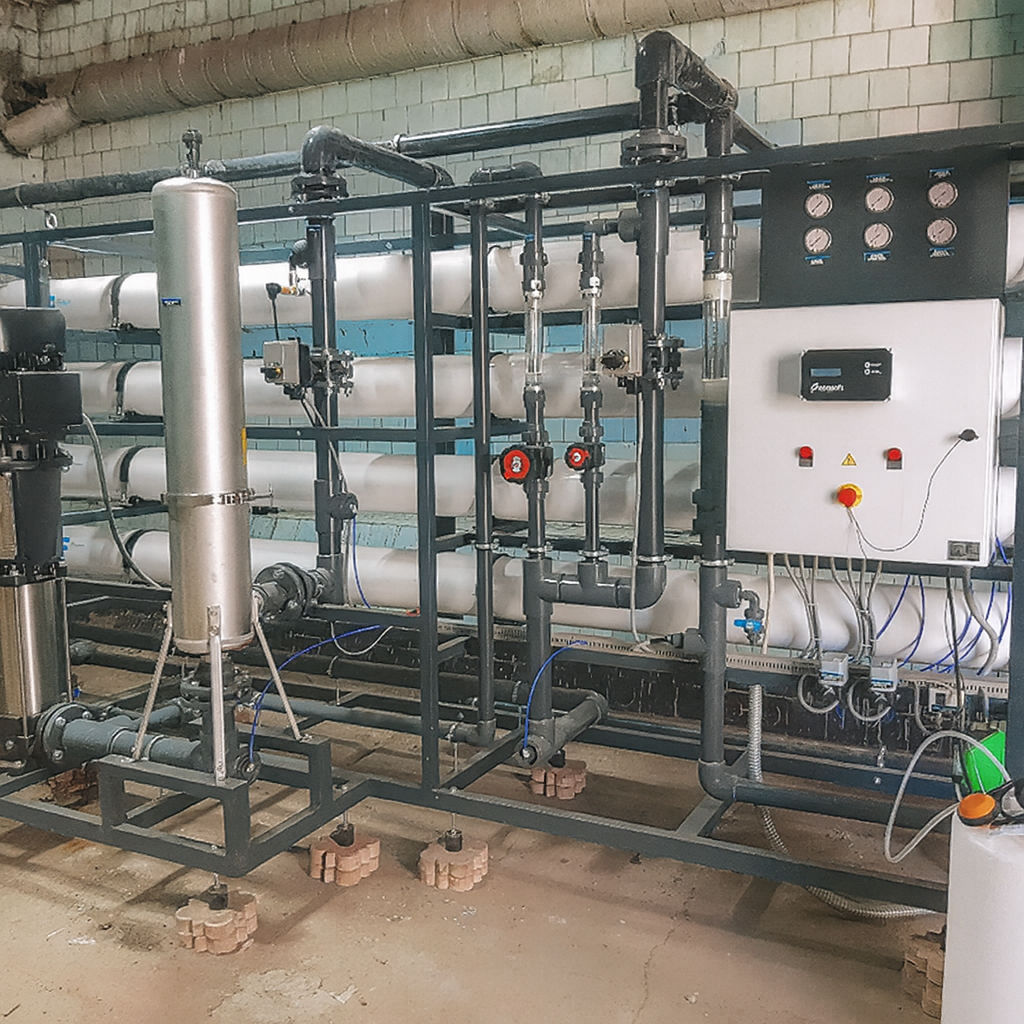
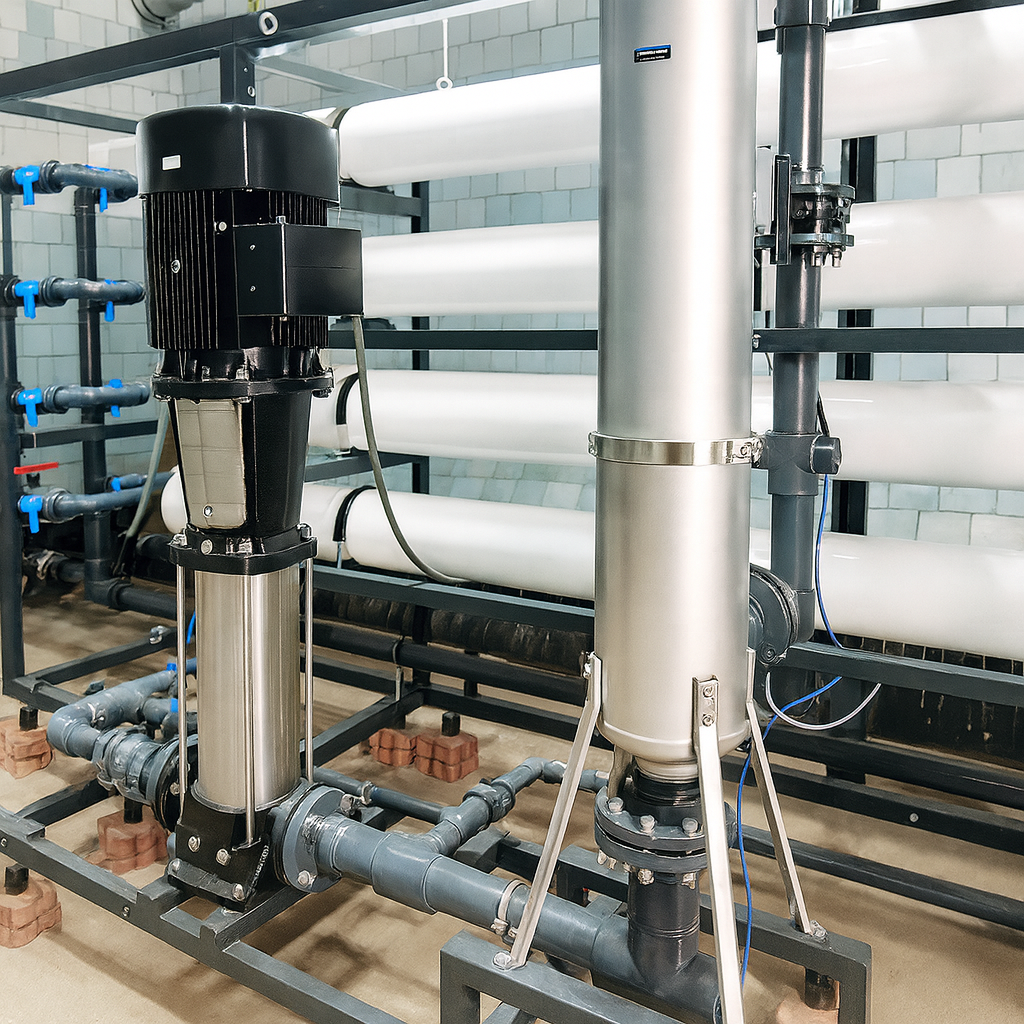
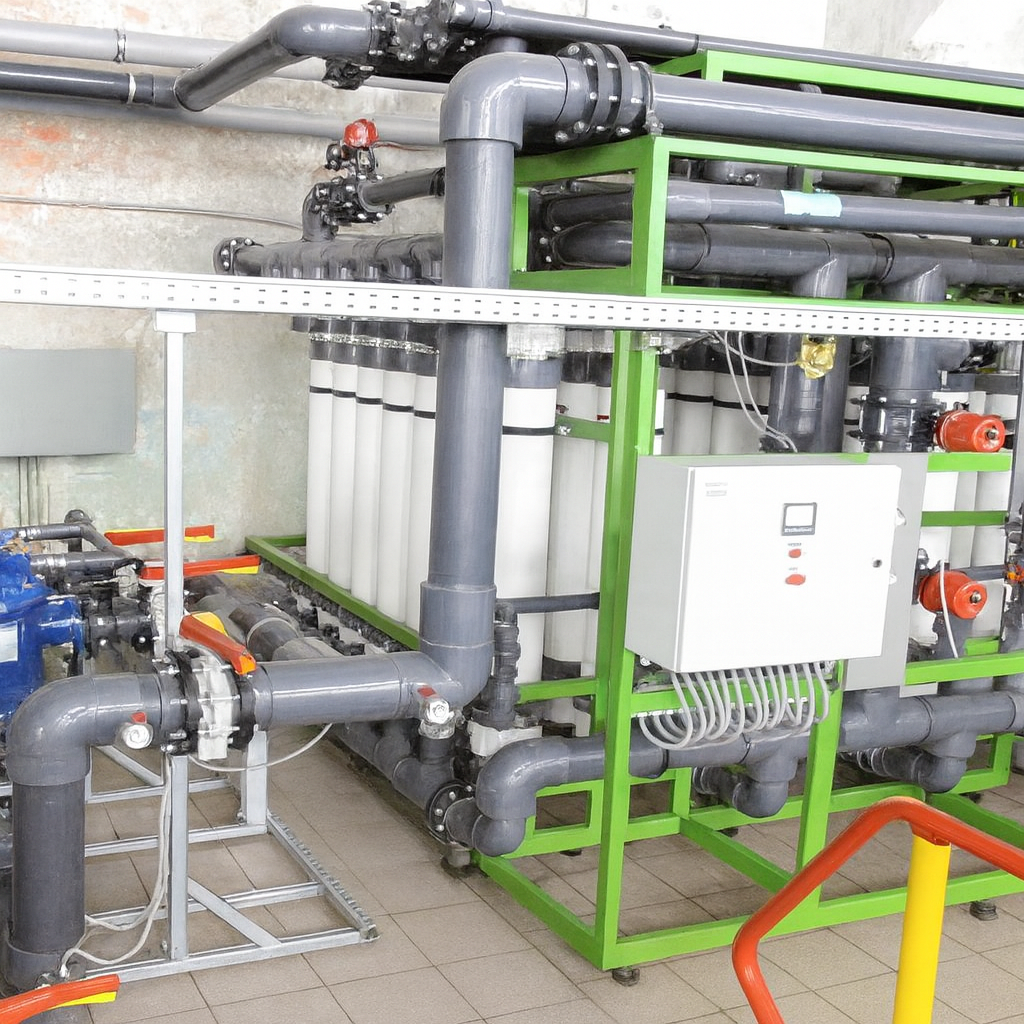
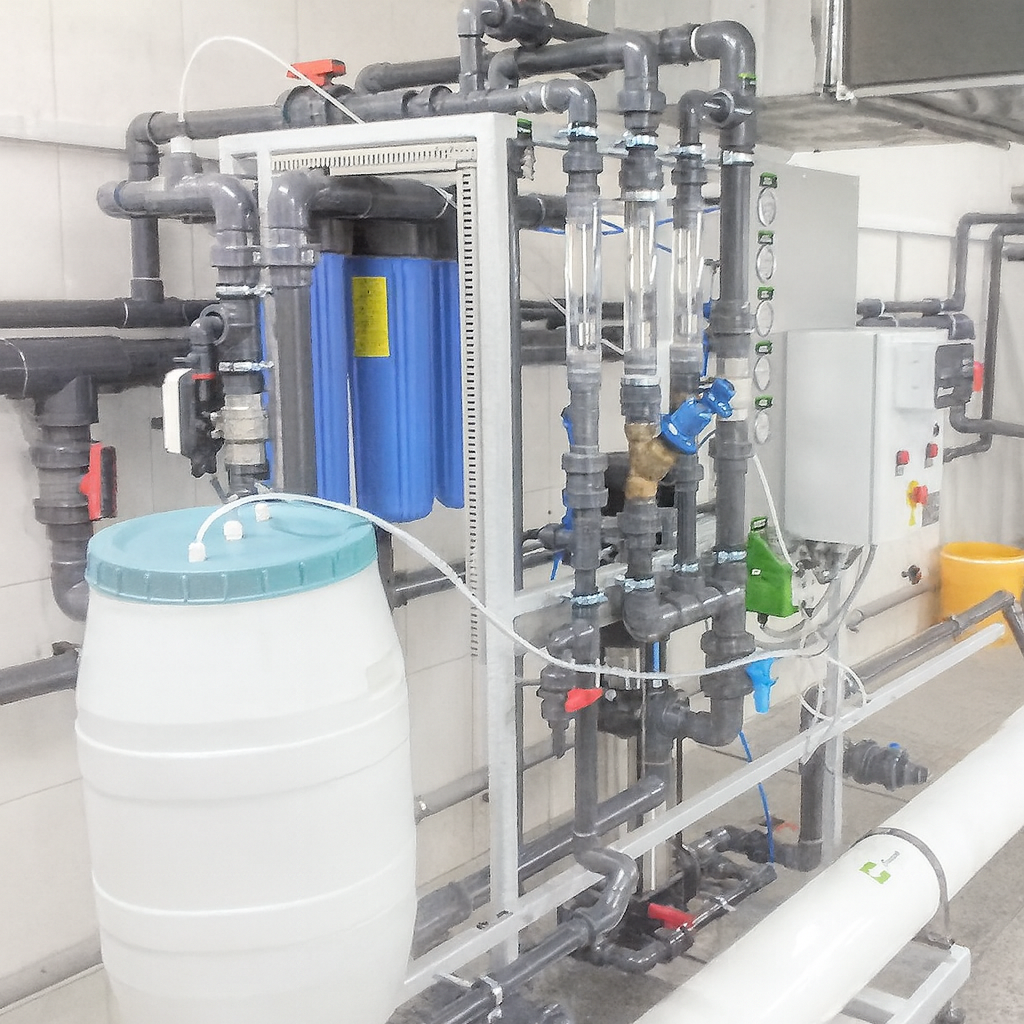
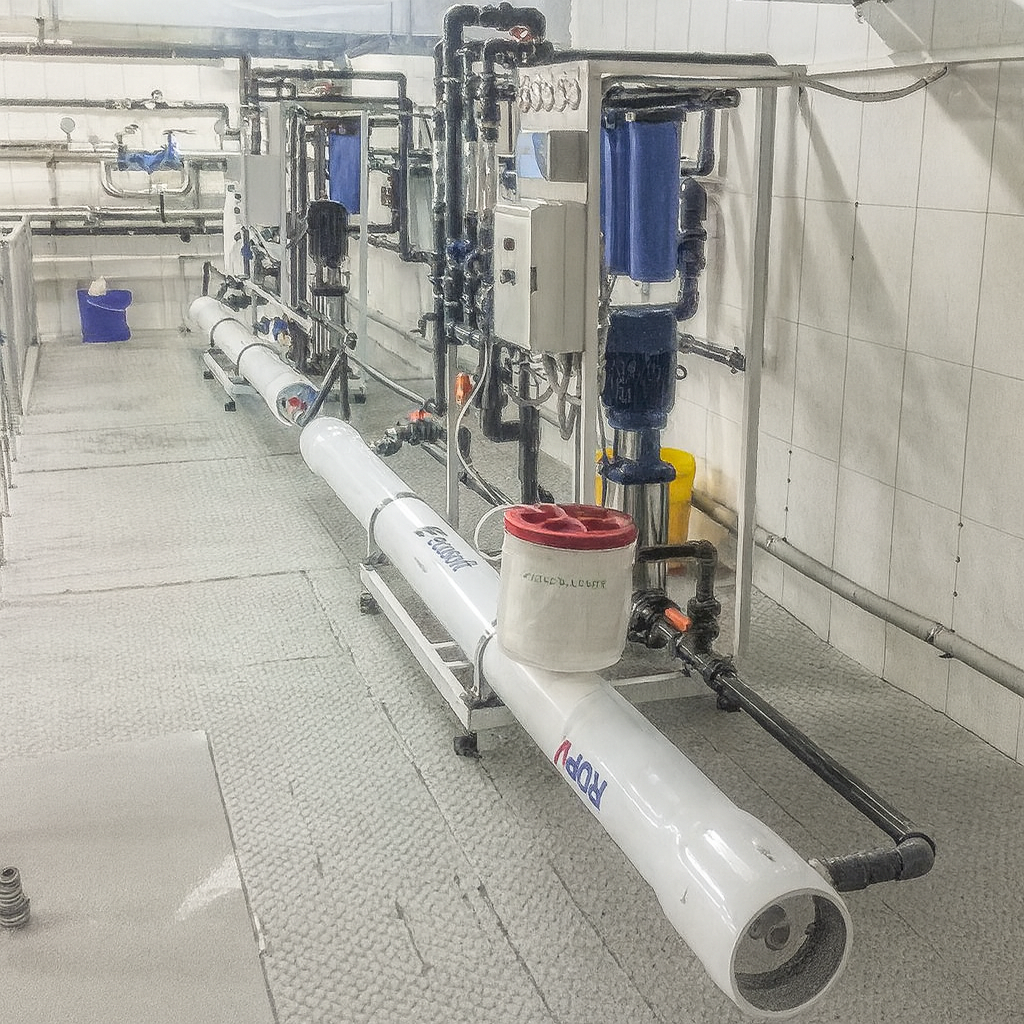
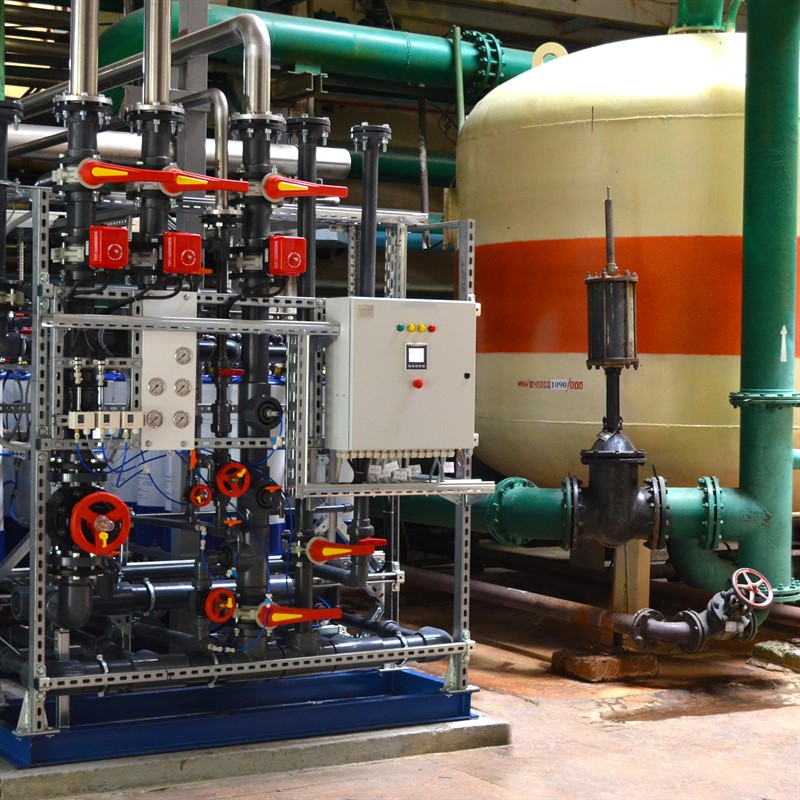
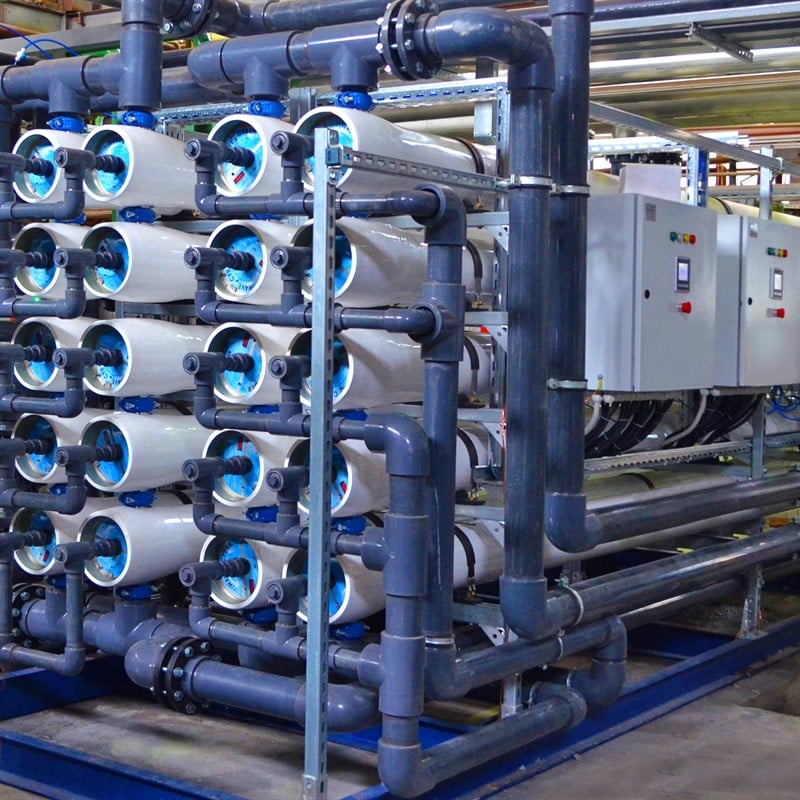
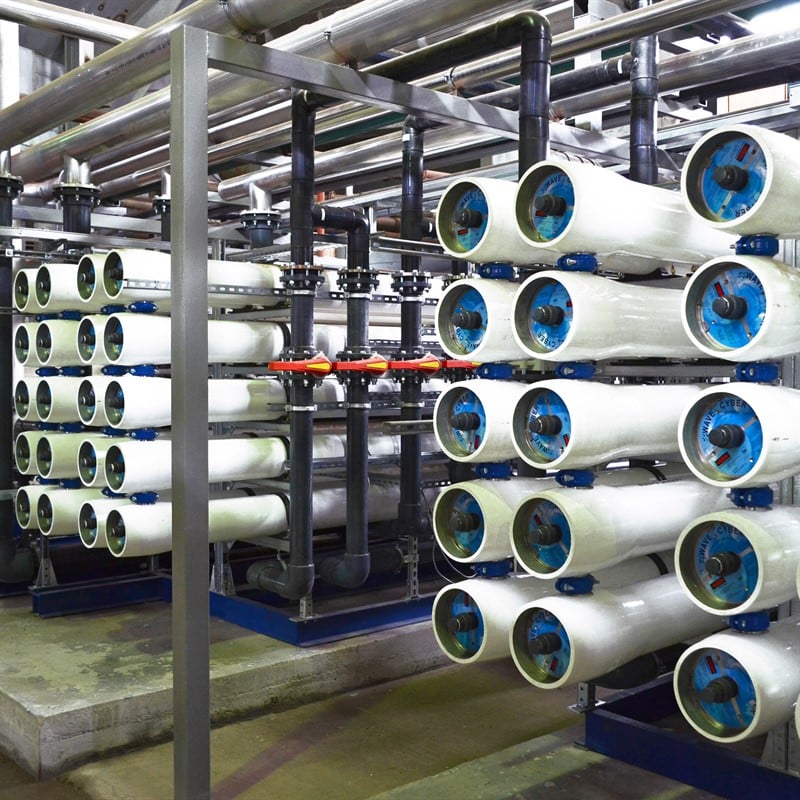
Reverse osmosis (RO) – uses a semi-permeable membrane that allows mainly water molecules to pass through while retaining salts. Specialized membranes are used for brackish and seawater with high sodium and chloride ion selectivity.
Membrane distillation – a thermally-driven process that separates vapor from a saline solution through a membrane, based on temperature gradients.
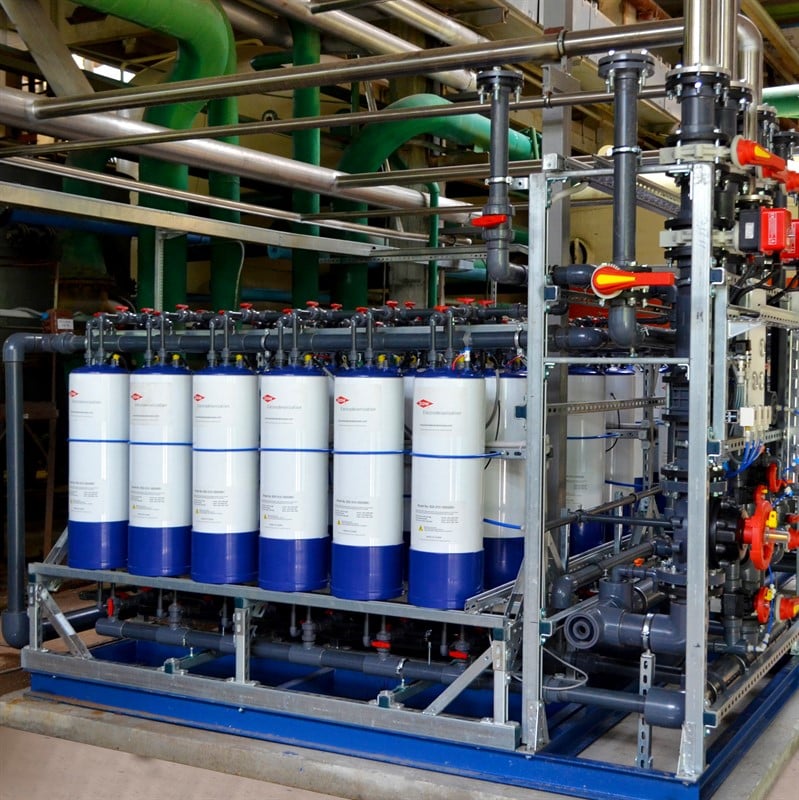
Electrodeionization (EDI) – combines ion-selective membranes and electric current to remove dissolved ions, producing ultra-pure water.
RO is by far the most common method today. Other methods are typically used for specialized industrial applications.

Current global desalination trends
Until the 1980s, 84% of all desalinated water was produced using thermal methods.
By 2000, thermal and RO methods were nearly equal (11.6 vs 11.4 million m³/day), together accounting for 93% of global desalination.
Today, reverse osmosis produces 65.5 million m³/day, or 69% of all desalinated water. Membrane-based plants now contribute 84% of global desalinated water output.
Is home desalination possible?
Desalination at home is limited and usually relevant in survival or emergency conditions. However, a few methods exist:
Distillation – using a DIY setup with a boiling container and a tube to collect condensate (or a moonshine still).
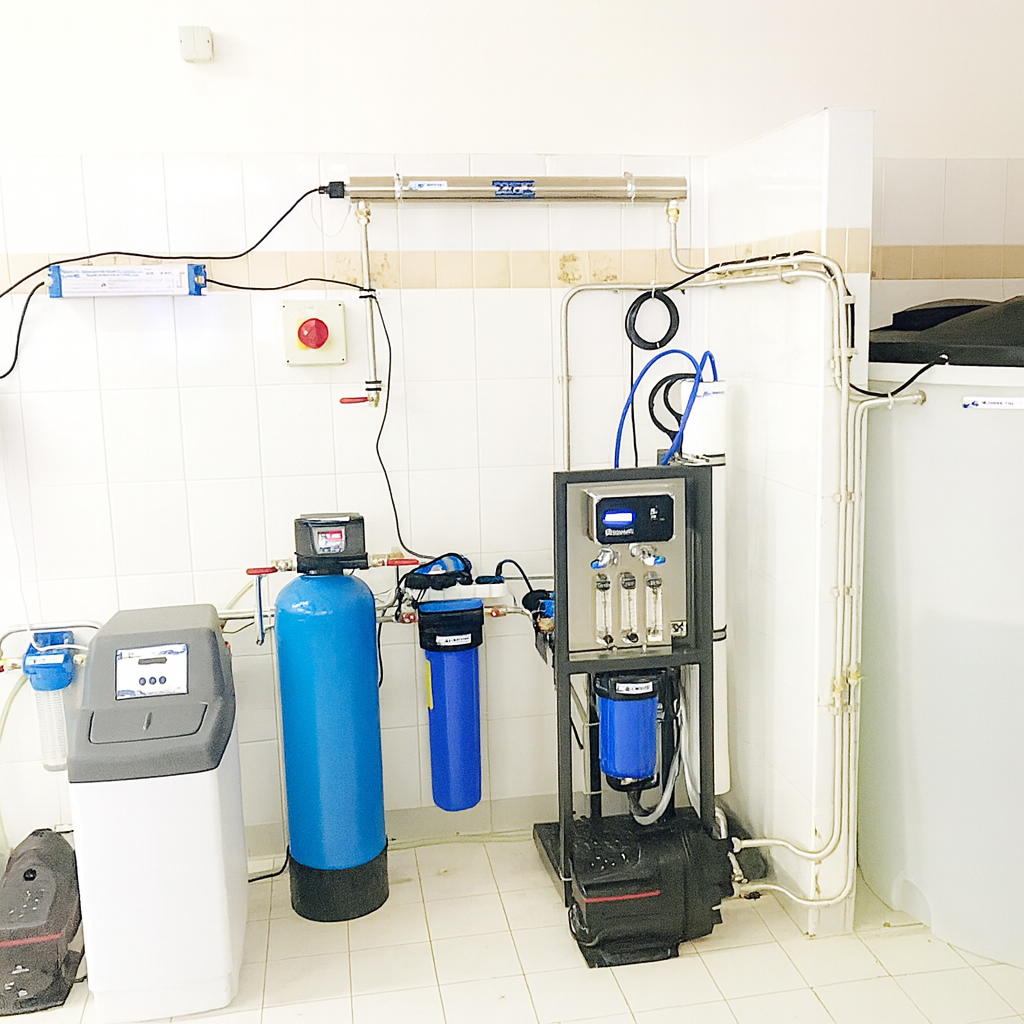
Reverse osmosis – household RO systems (though not designed for seawater) can purify it for a limited time.
Freezing – partial freezing of water in a container, where the outer frozen layer is freshwater and the inner part is concentrated brine (to be discarded).
These methods are not practical for daily use but can be helpful in emergencies.