

Putting tap water to the test
Clean water seems like a given – right? Tap water is strictly regulated and considered safe. Still, many people worry about the actual water quality at home. Because what flows from your tap isn’t always equal to true drinking water quality.
In this article, you’ll learn what defines good water quality, which risks might exist, and how you can ensure that you and your family enjoy fresh, safe water – without hauling bottles.
What does water quality actually mean?
Water quality is measured by a number of factors:
- Microorganisms such as bacteria or viruses
- Minerals like calcium and magnesium
- Pollutants such as nitrates or heavy metals
- pH level, which indicates if the water is acidic or basic
- Taste, smell, and appearance
Here’s something many don’t realise: even if water meets strict drinking water regulations, it can still become contaminated on its way to your tap. Old pipes, stagnant water, or bacteria in fittings can all influence the actual water quality in your home – and this isn’t automatically tested.

What contaminants can be found in tap water?
The list is longer than most people think – even in regions with high-quality tap water:
- Nitrates from agricultural fertilizers
- Pesticide residues from groundwater
- Heavy metals like lead or copper from old plumbing
- PFAS – so-called “forever chemicals” that barely degrade
- Microplastics from household wastewater
- Traces of chlorine used for disinfection
- Germs and biofilm from outdated pipes, allowing bacteria to multiply
Have you noticed cloudy or odd-smelling water? In some homes, the water even looks brownish – a typical sign of rust particles. You can learn more about brown water.
How is water quality regulated?
Water suppliers must comply with strict legal standards. Regular testing ensures that limits are met.
But: These tests usually stop at the main building connection. What happens inside your home’s pipes is not routinely checked. Plus, not all potential contaminants are covered – for example, microplastics or PFAS.
That’s why experts recommend you test your water quality, especially in older buildings, if you have small children, or if you’re health-conscious.

What affects water quality in your home?
Even if your water leaves the utility in perfect condition, the following can impact it before it reaches your glass:
- Old pipes (e.g., lead or copper) may release particles over time
- Stagnant water (e.g., after a vacation) can develop bacterial growth
- Faucets and fittings may collect biofilm or germs
- Temperature plays a role – in summer, heat can accelerate bacterial growth
It’s a good idea to let the tap run for a few seconds before using the first water of the day.
Why home water filtration is worth it
A good water filtration system can minimise many of these risks – and even enhance your water quality. Ecosoft filters help you:
- Remove pollutants like chlorine, nitrates, or microplastics
- Improve taste and smell – so you no longer have to drink chlorinated water
- Enrich the water with important minerals
- Act more sustainably – and avoid heavy lifting of bottled water
A high-quality filter provides peace of mind – especially if you plan to use tap water for babies.

How Ecosoft supports you
Ecosoft offers a wide range of water filtration solutions tailored to your household’s needs. Our filters are easy to install, low-maintenance, and reliable. Whether you want to improve the taste or eliminate specific contaminants – Ecosoft has the right system for you.
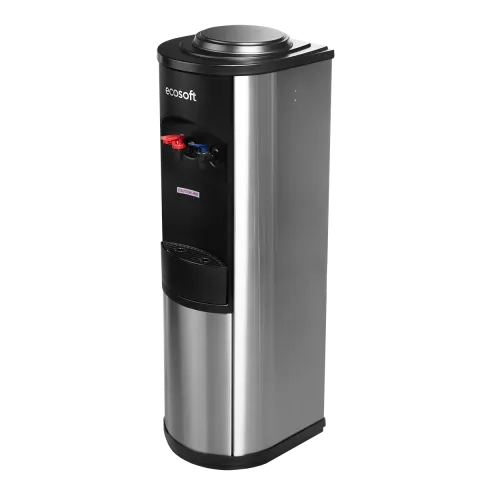
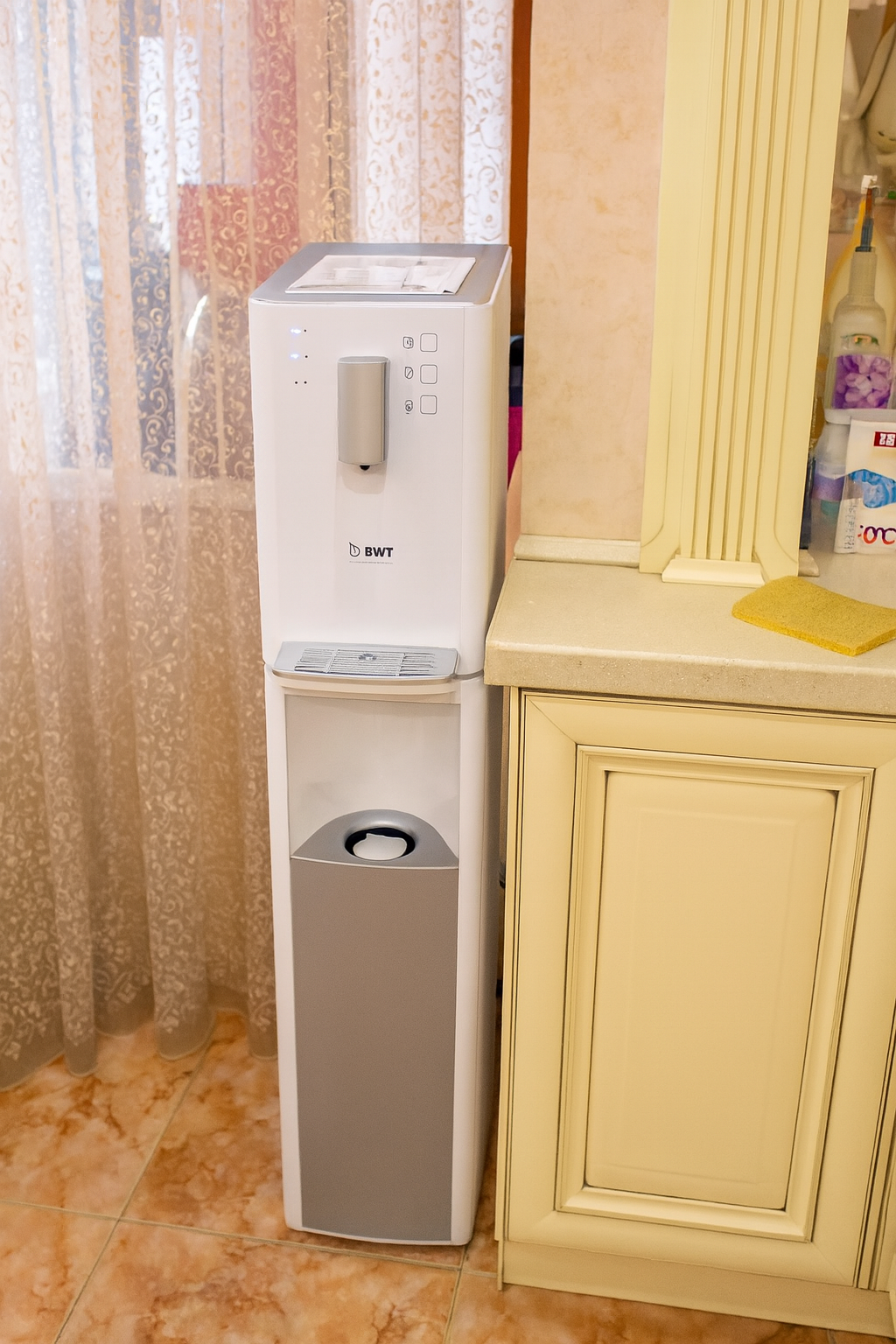
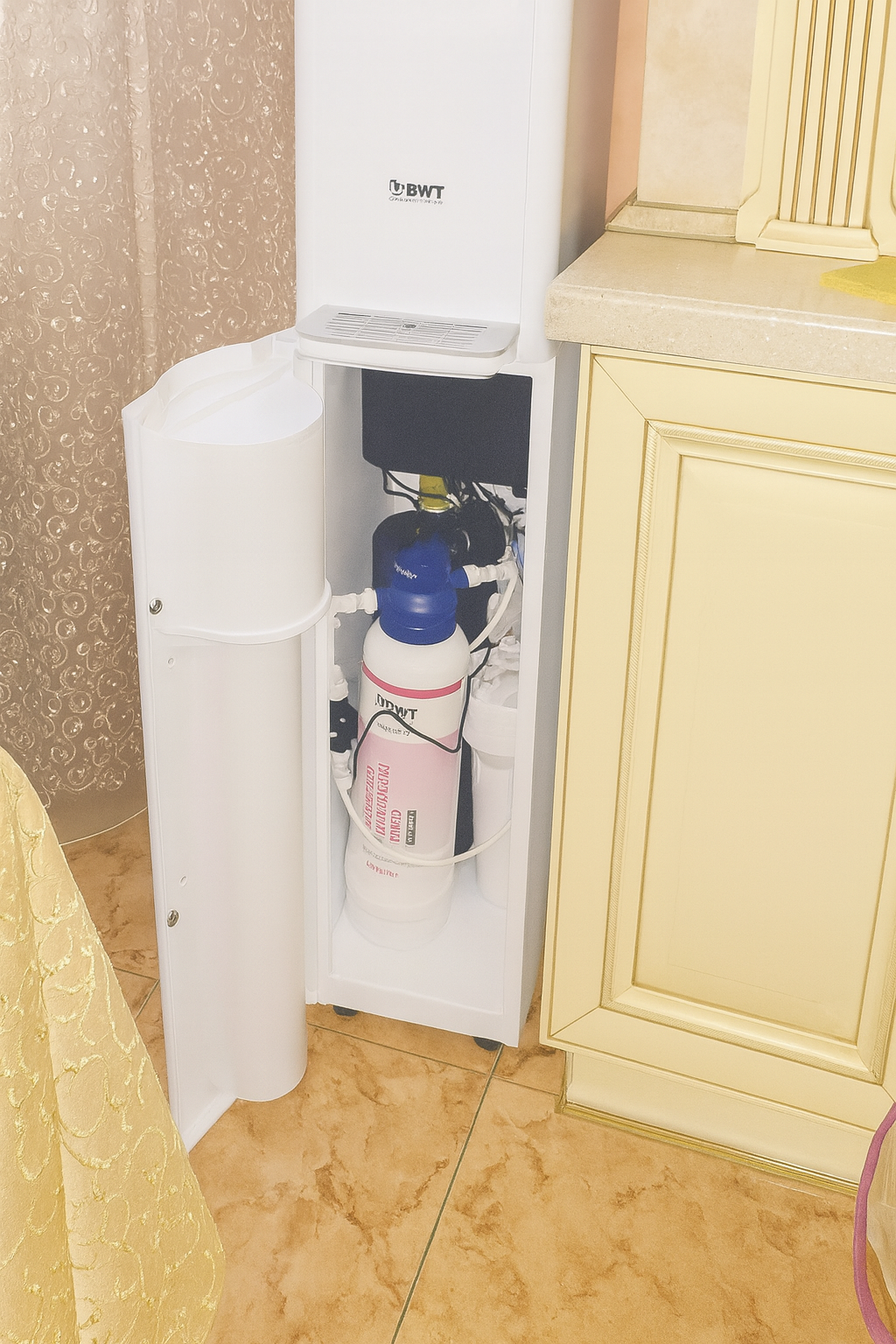
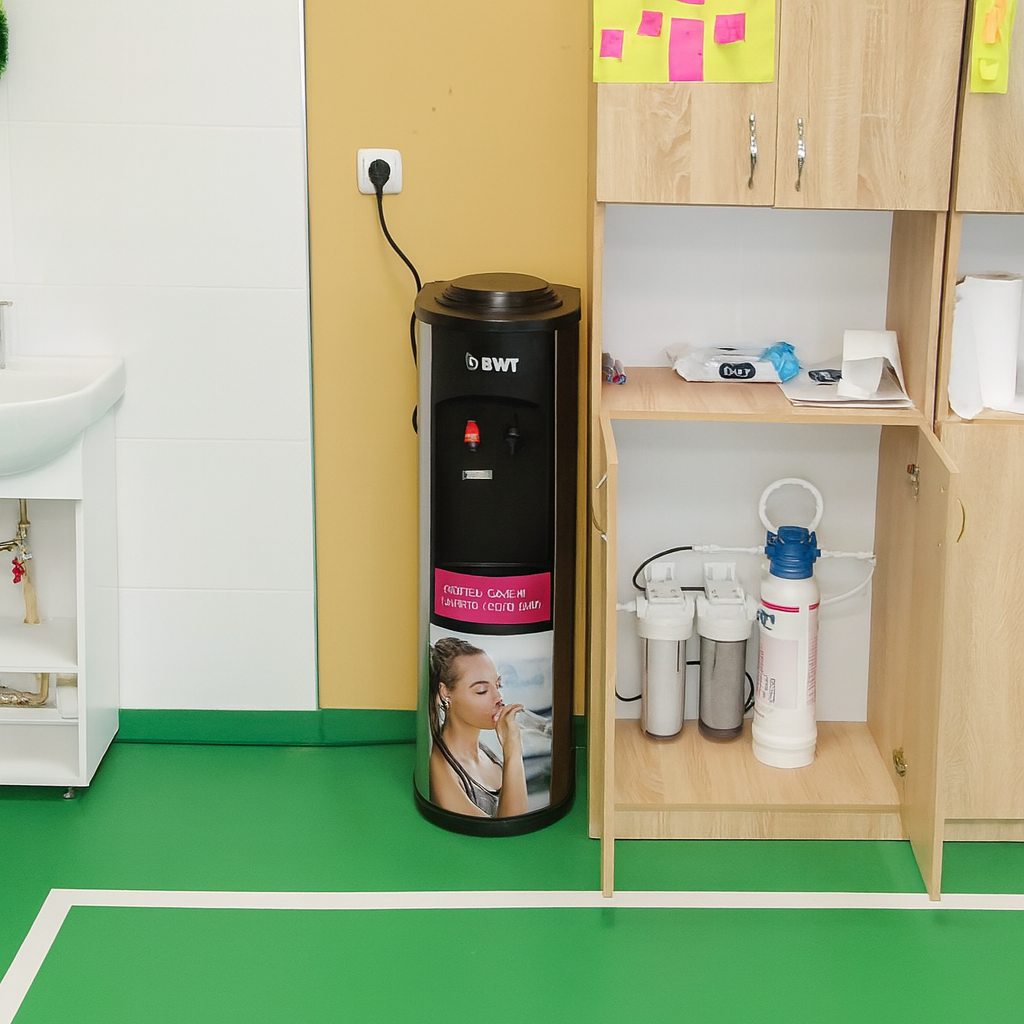
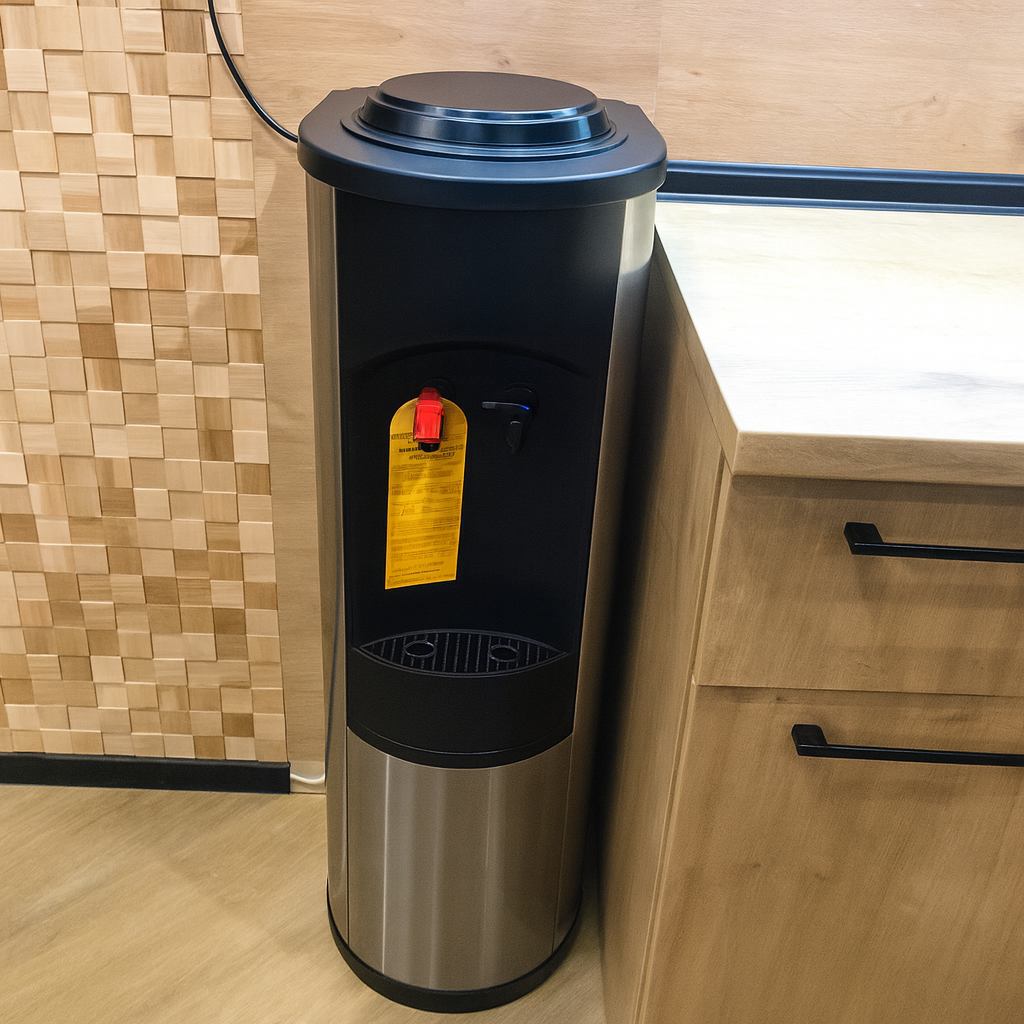
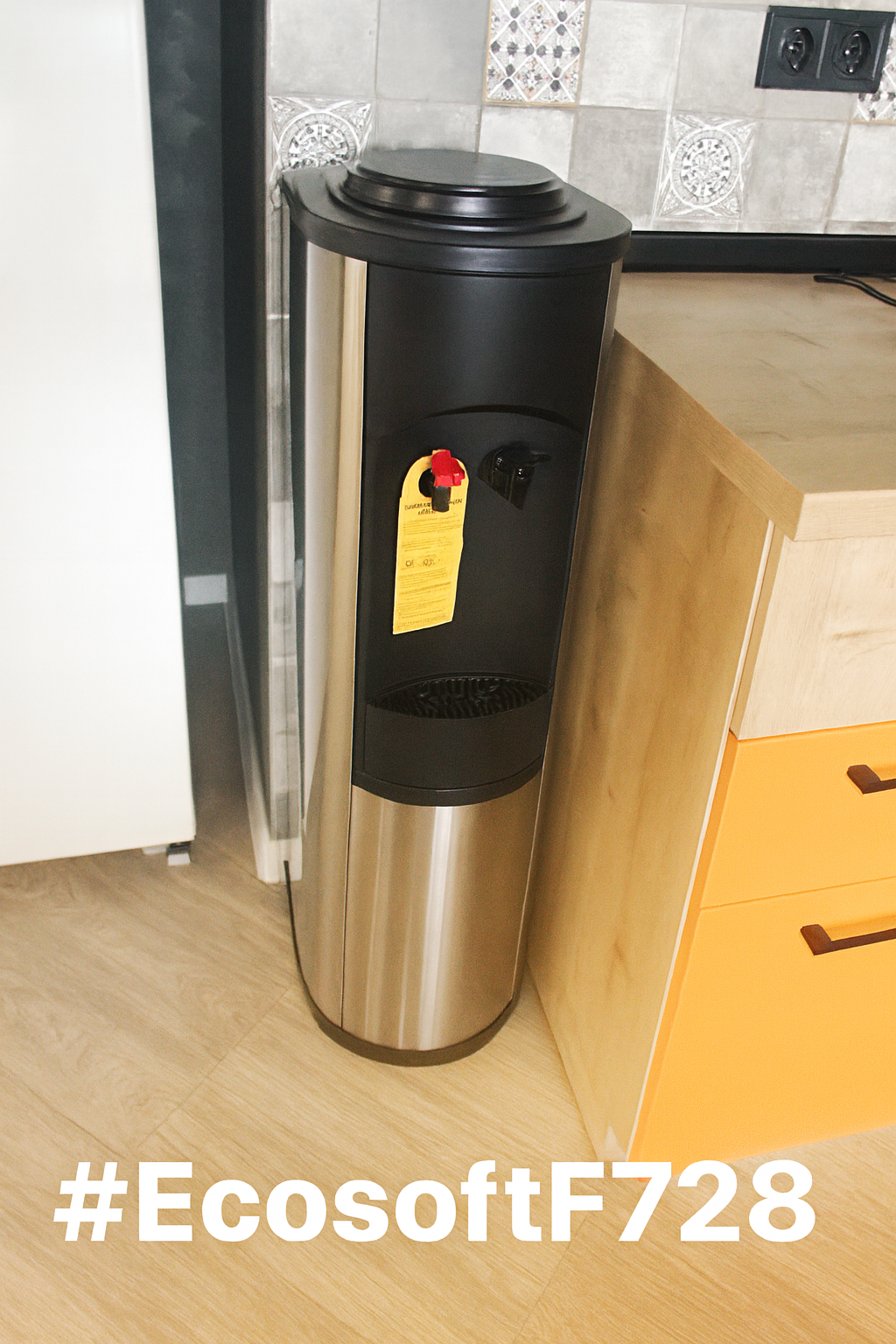
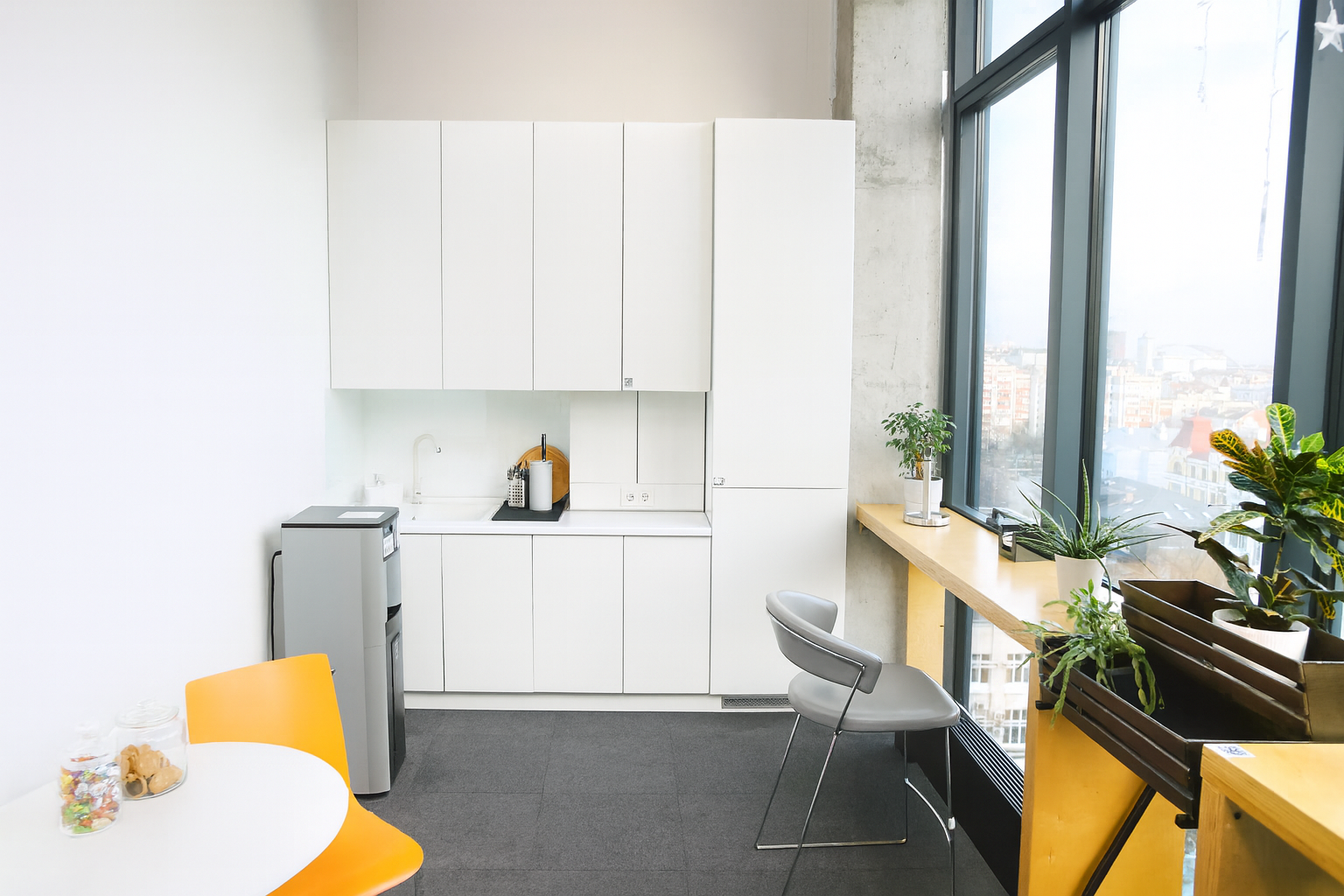
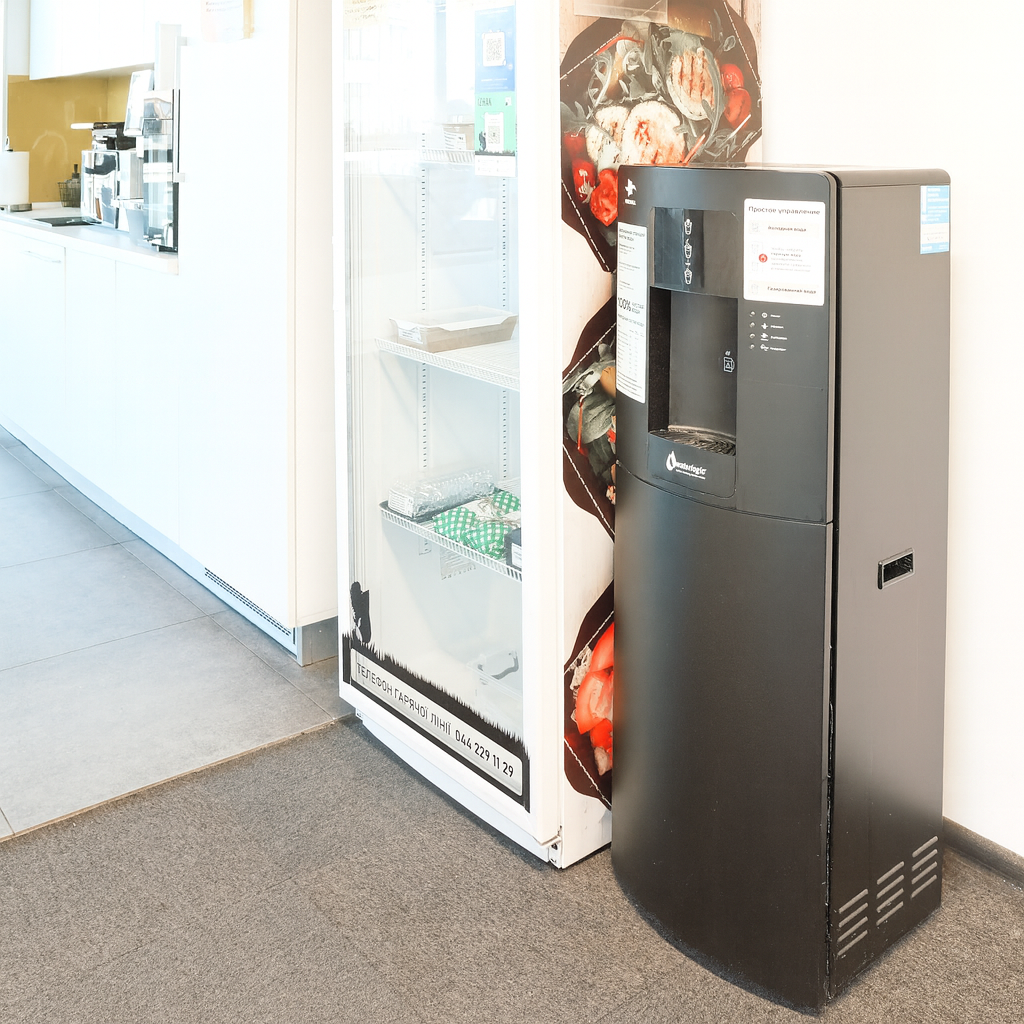
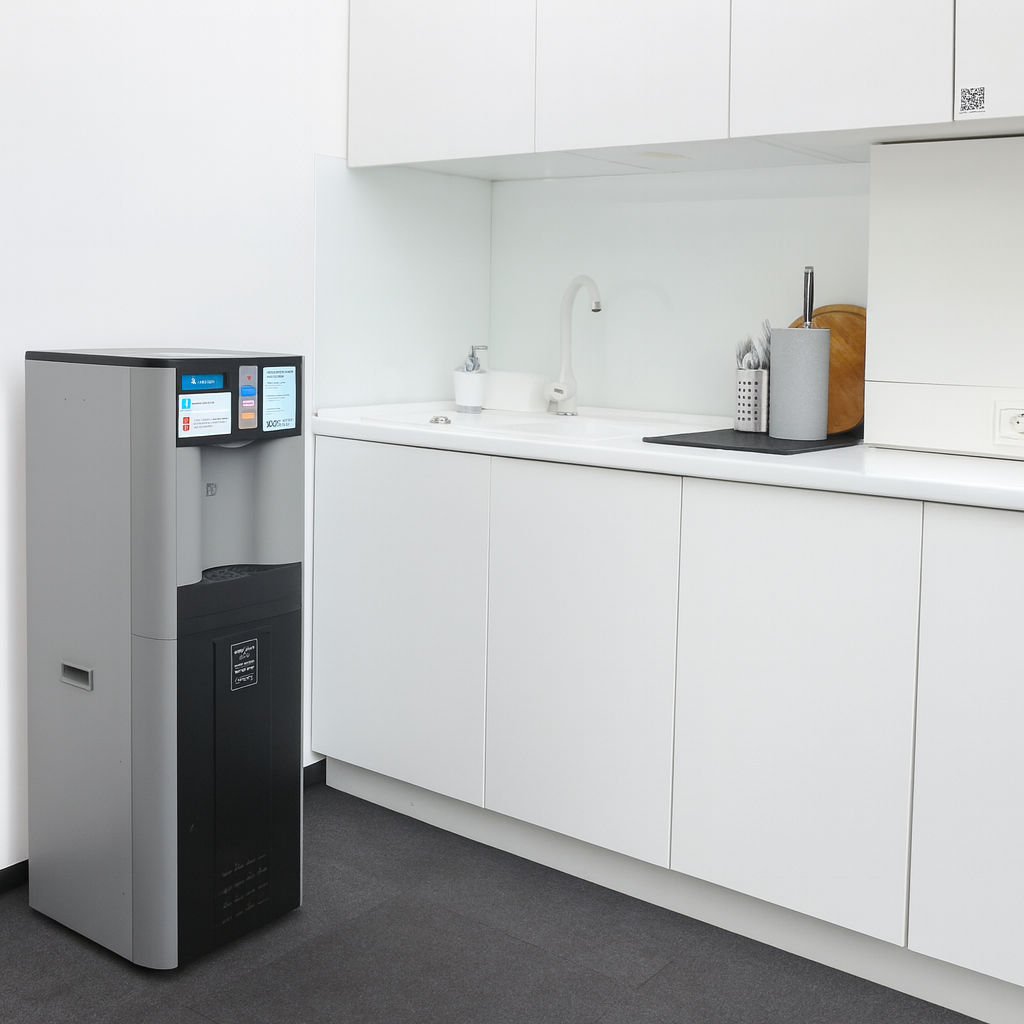
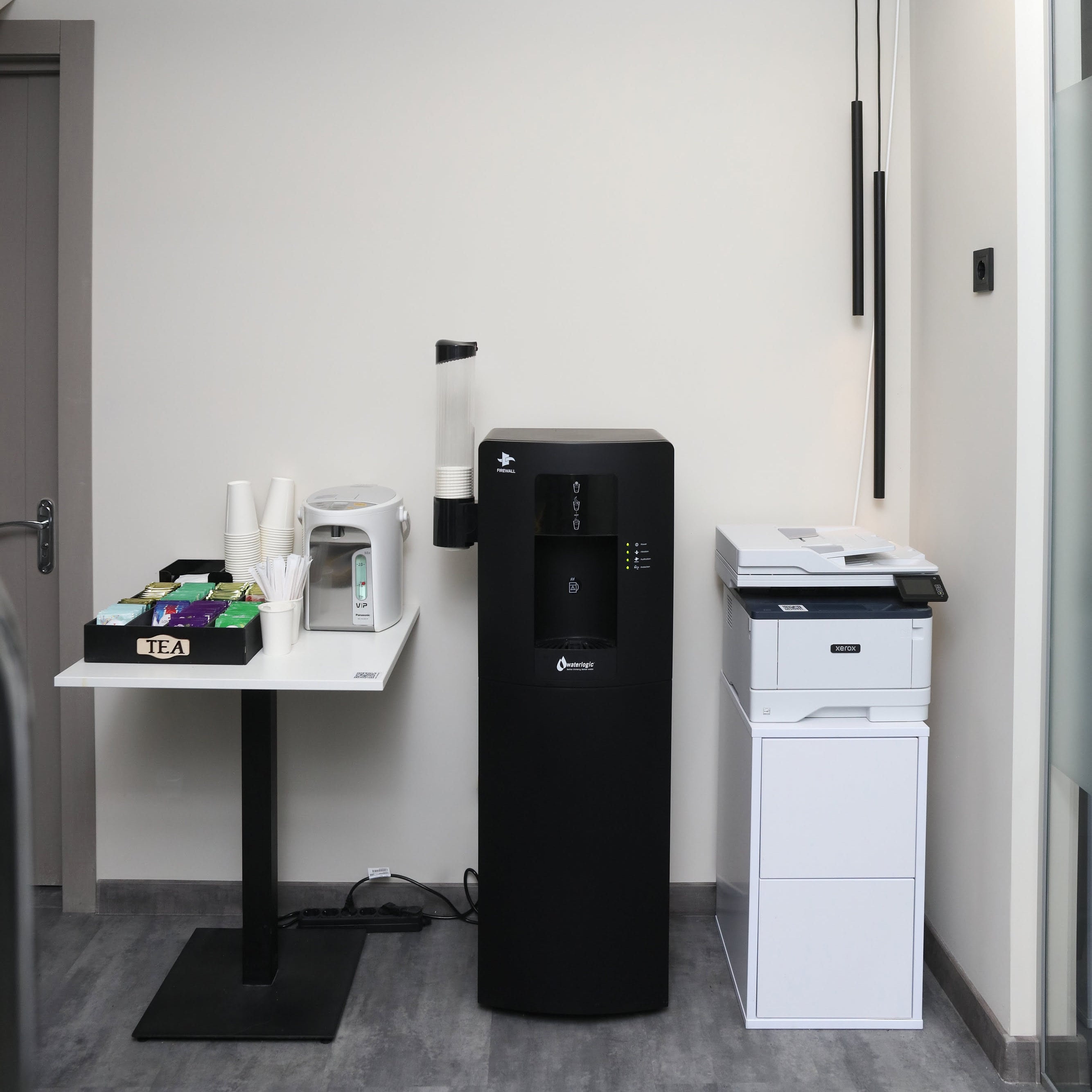
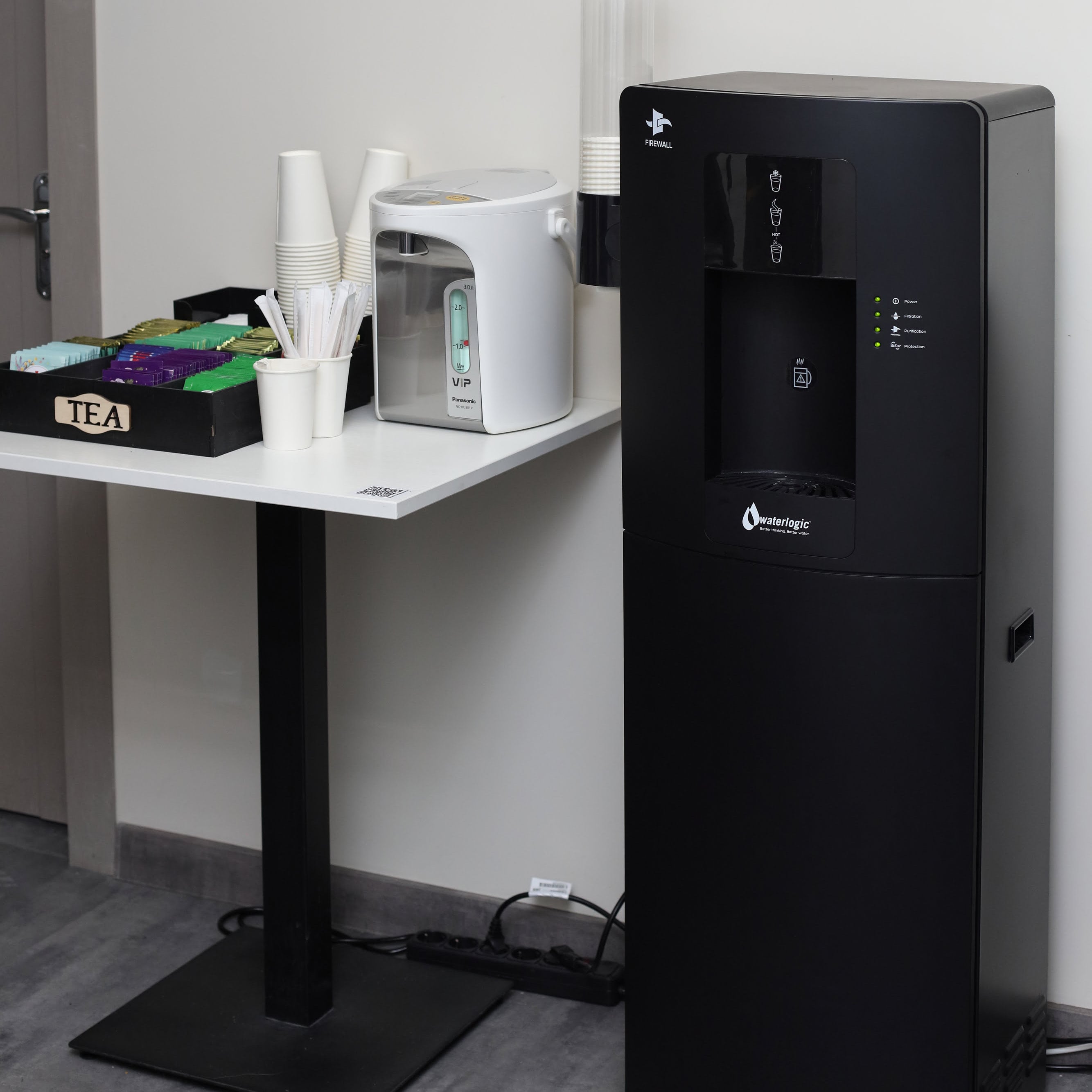
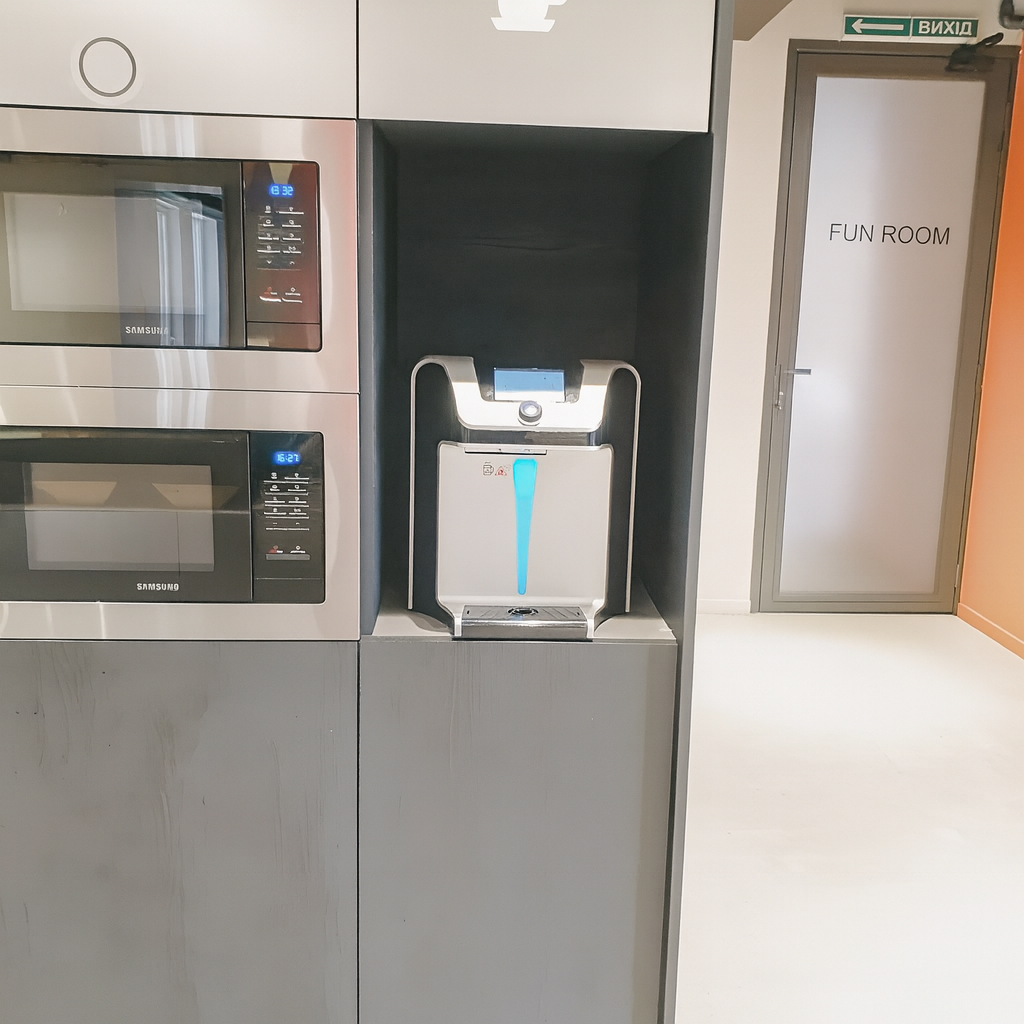
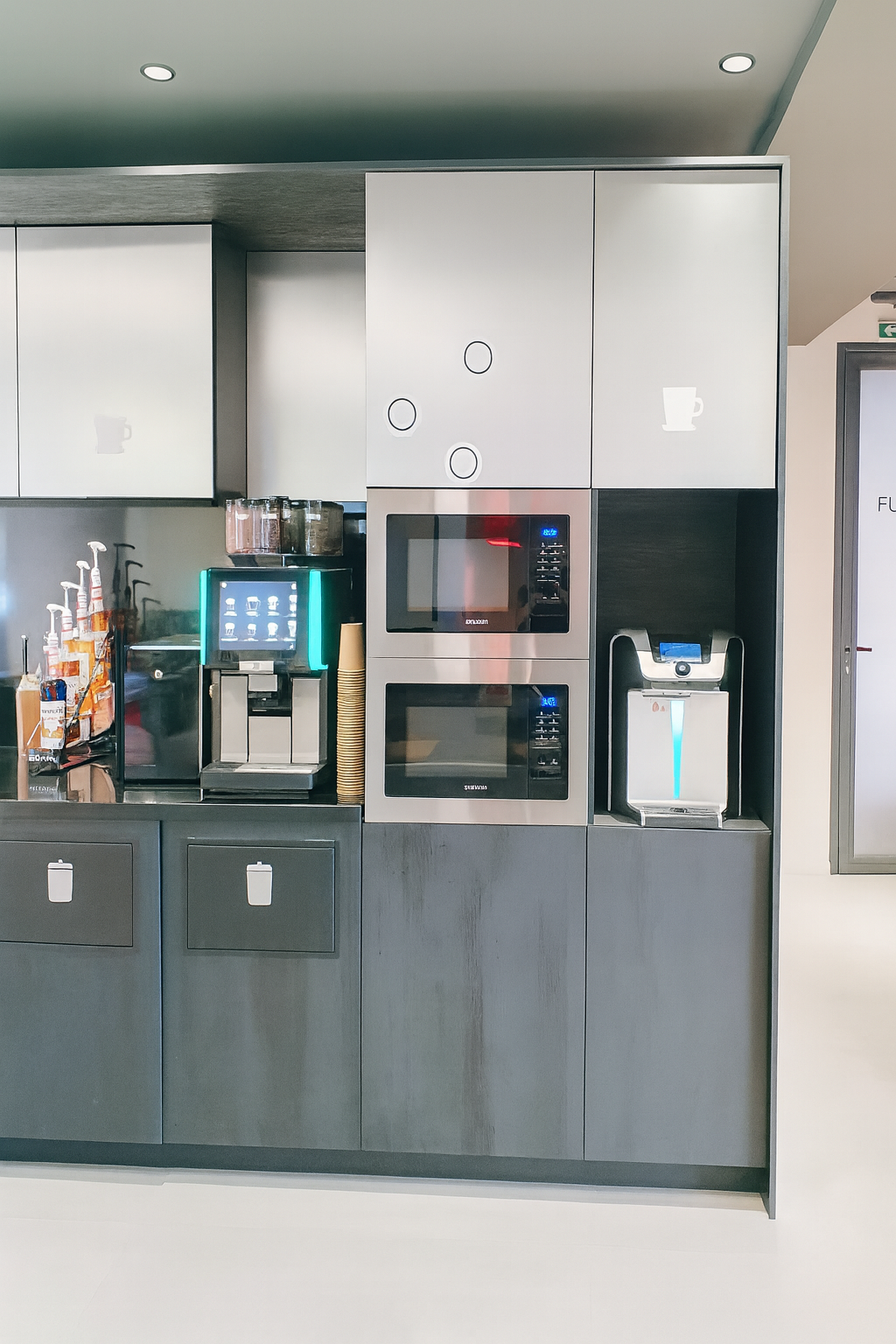
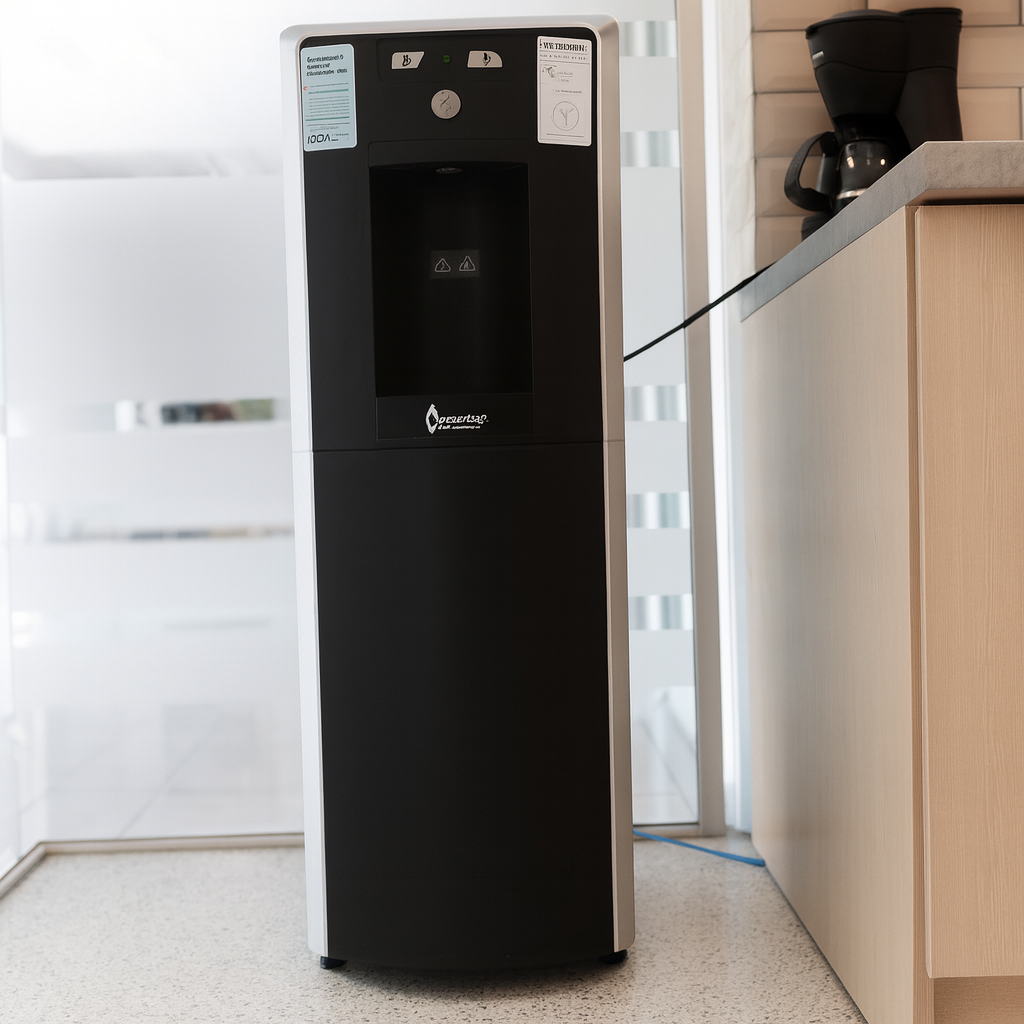
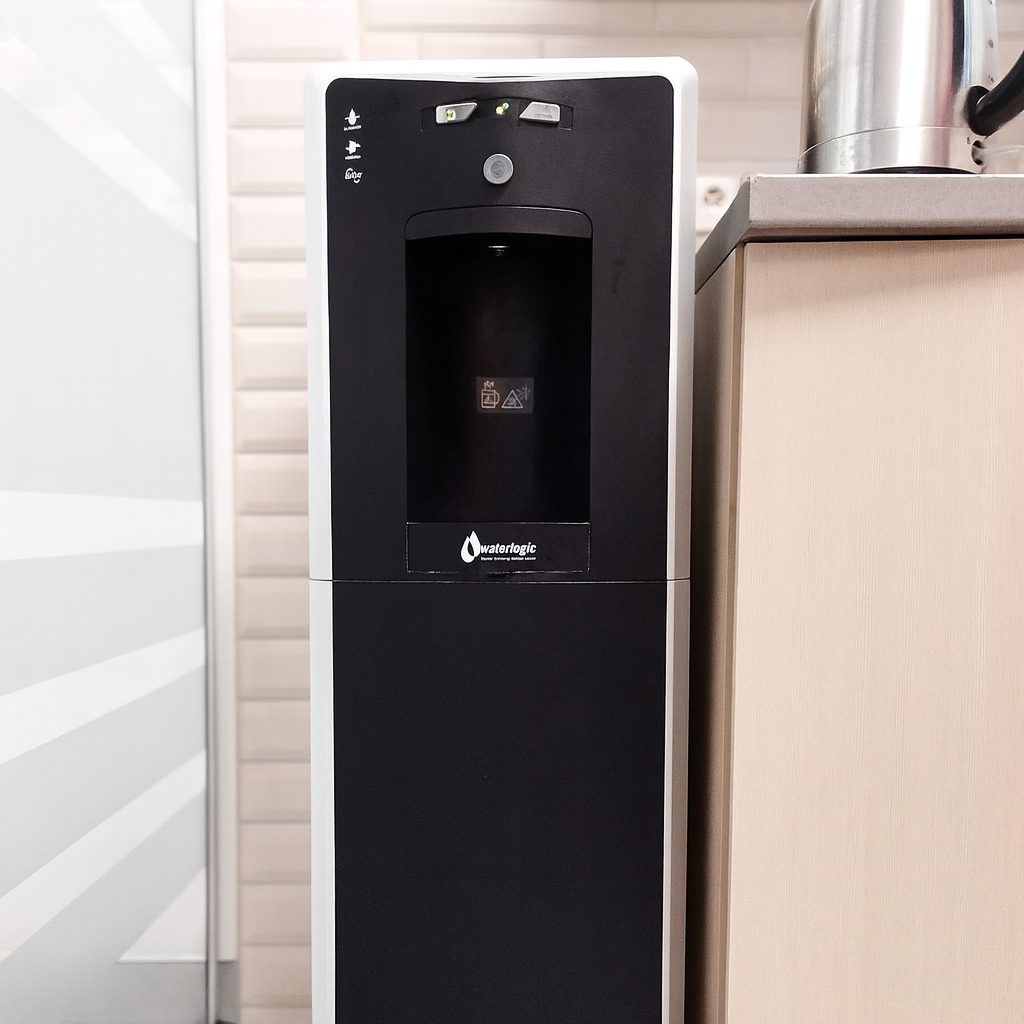
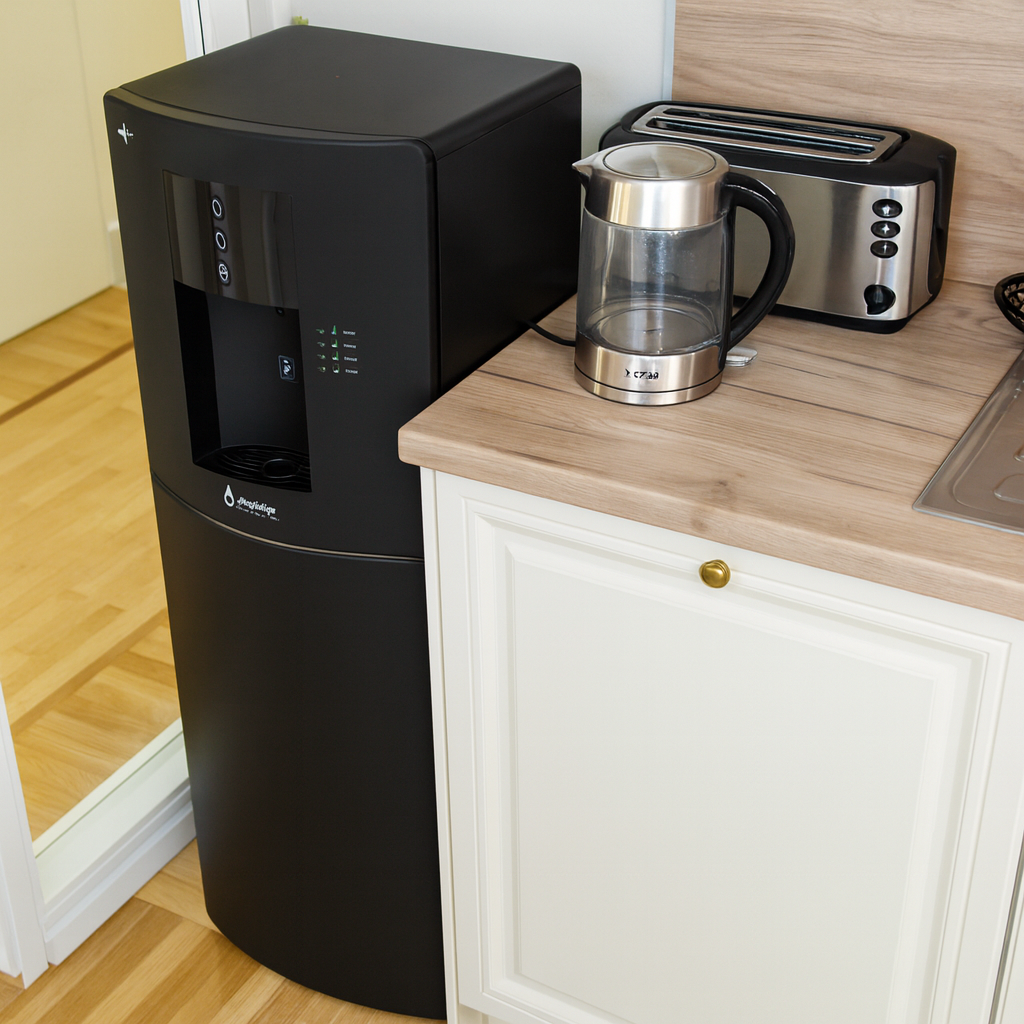
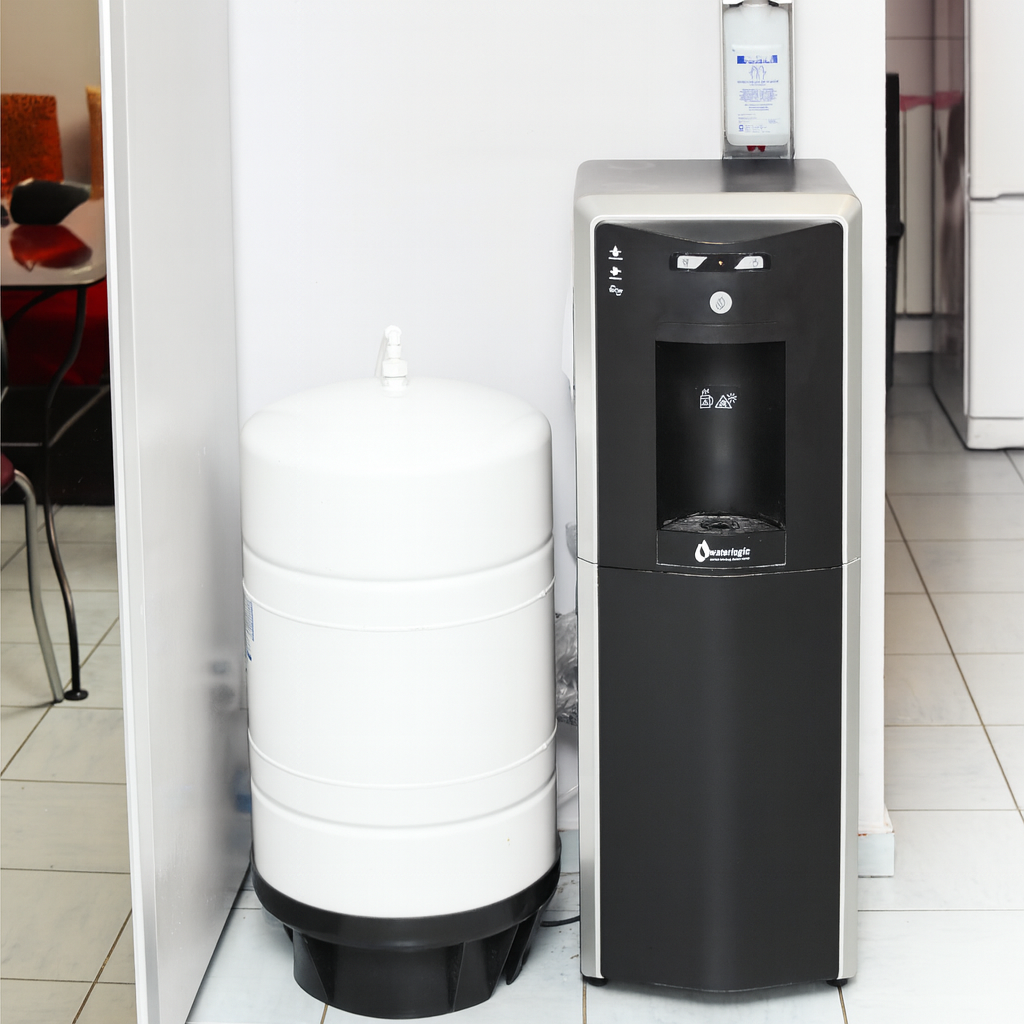
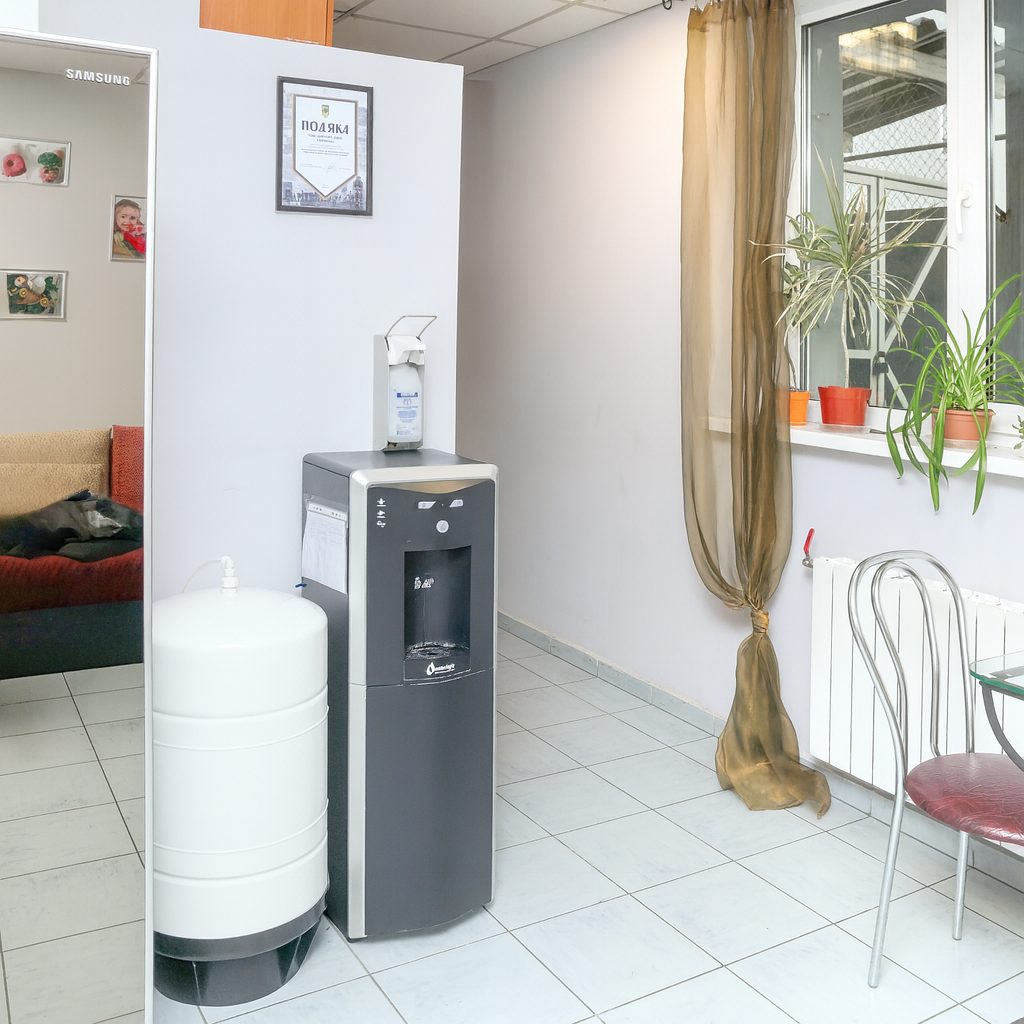
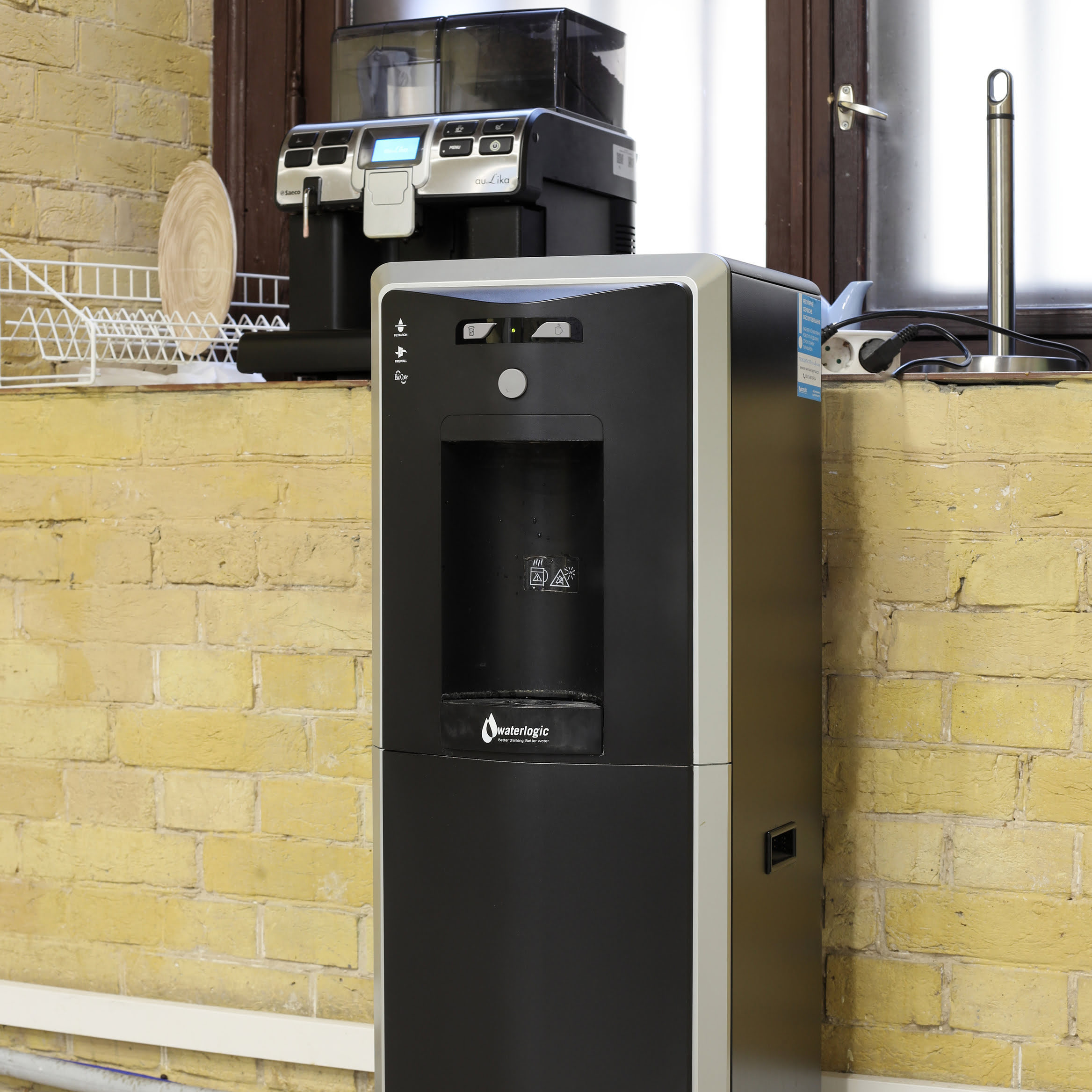
- Water Dispensers: Ecosoft’s water dispensers give you instant access to clean, great-tasting water. Thanks to their compact design, they fit perfectly into any home!
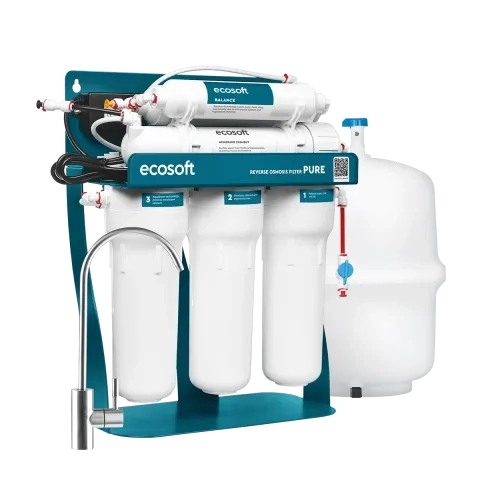
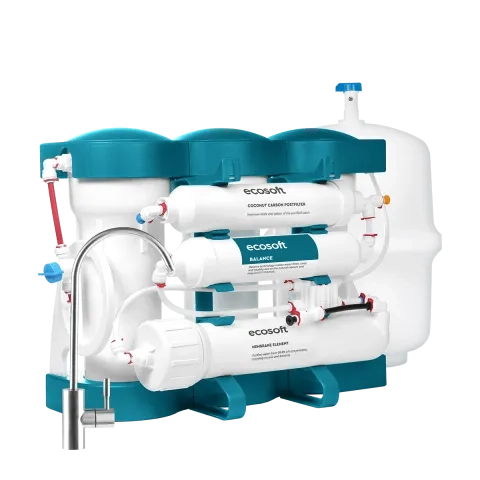
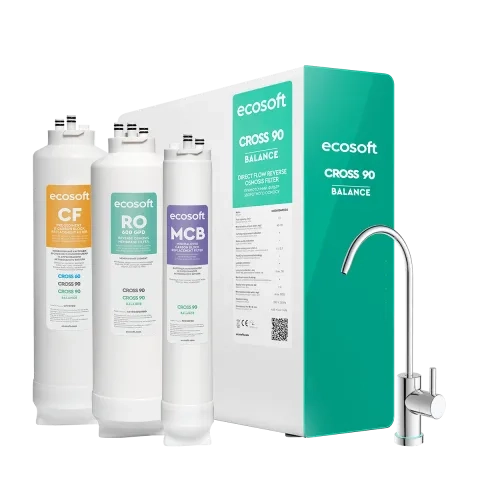
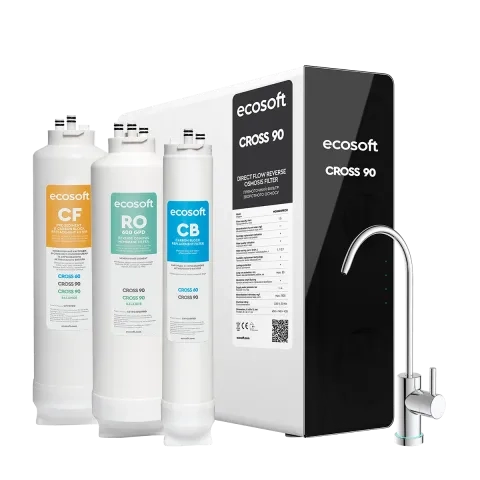
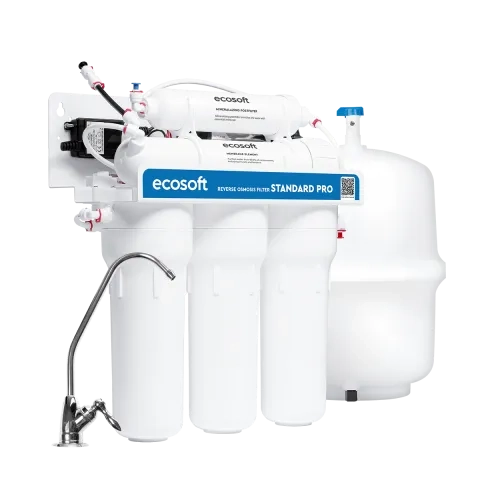
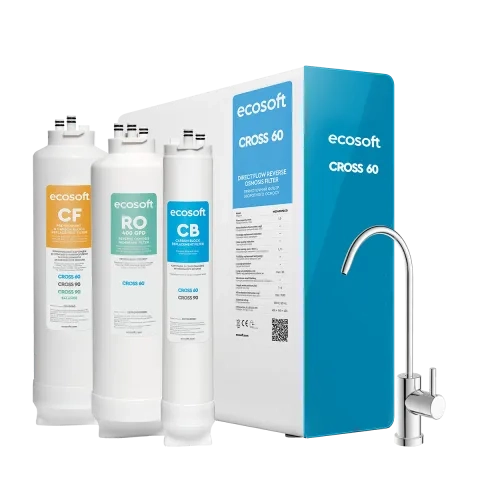
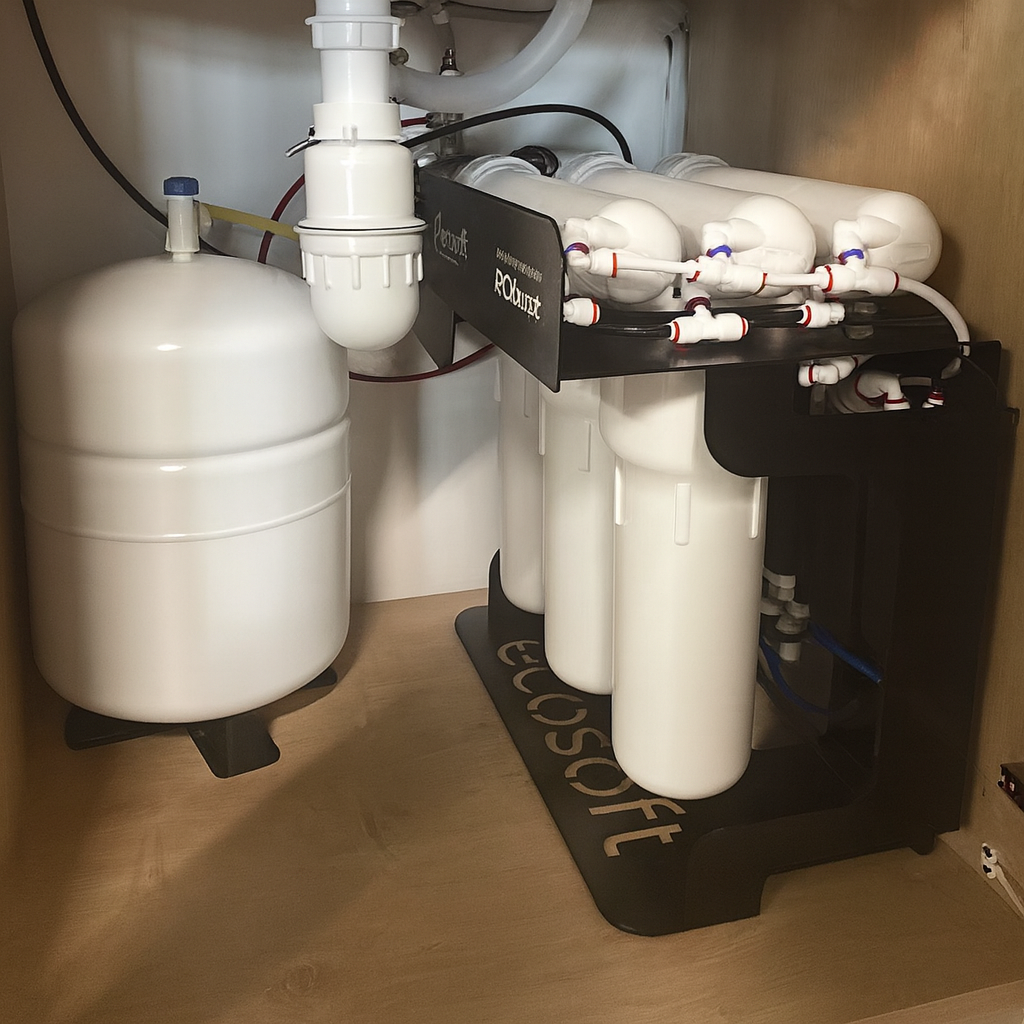
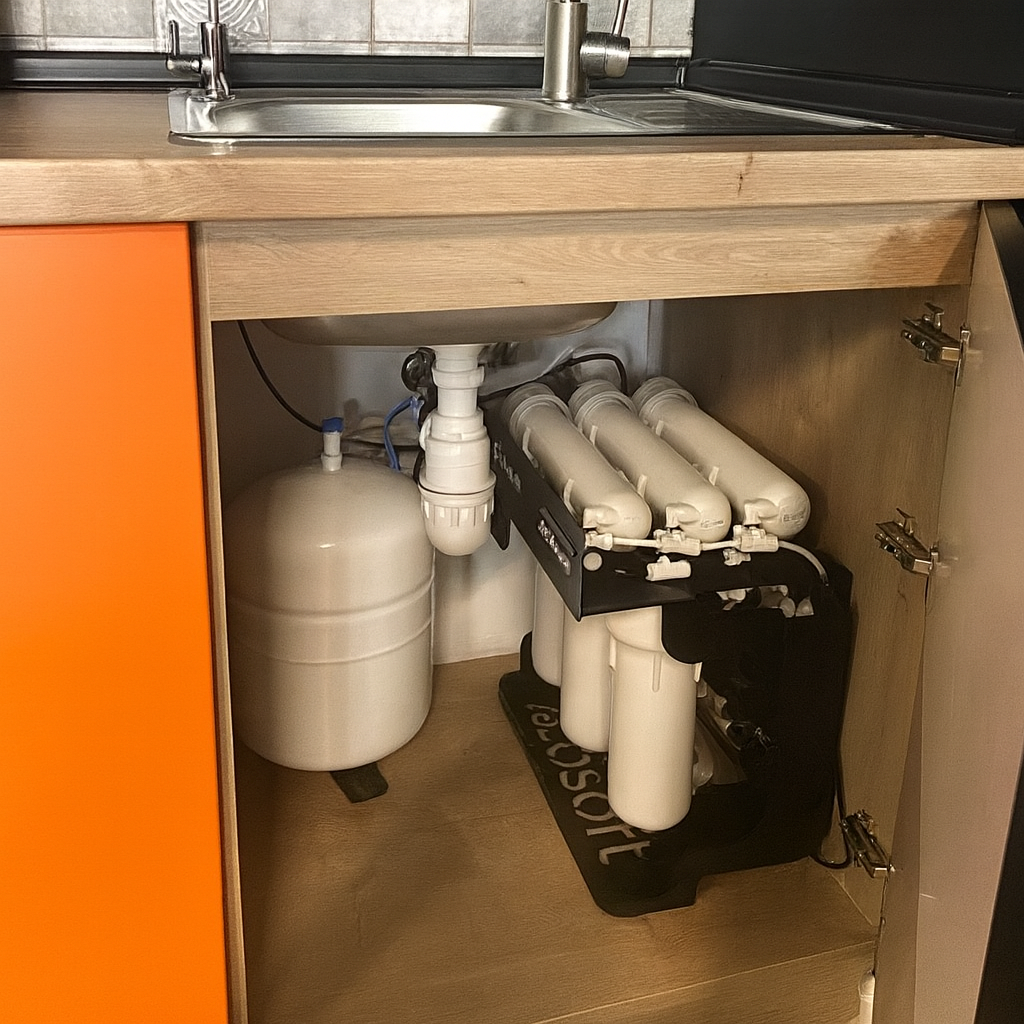
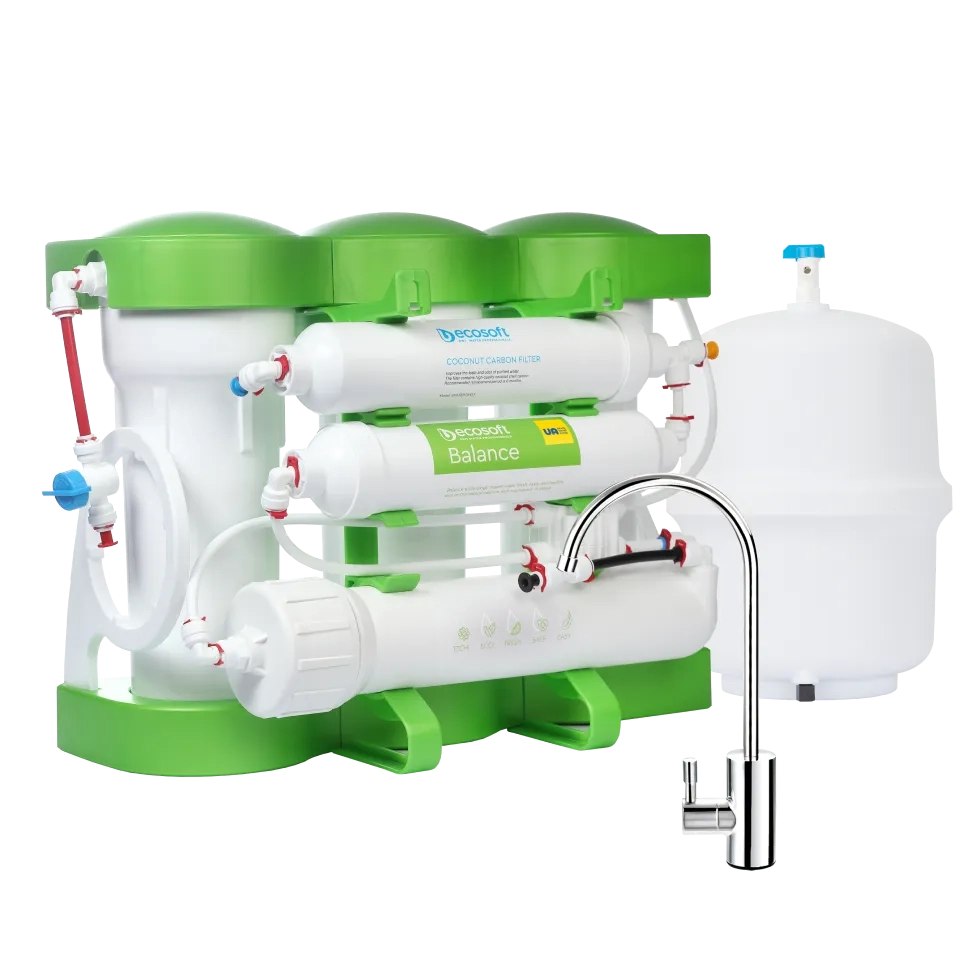
- Reverse Osmosis Systems: Ecosoft’s reverse osmosis systems remove up to 99% of all contaminants from your drinking water. They also help extend the life of your kettle, coffee maker & more – while improving taste. Check out the CROSS 90 or CROSS 90 Balance with direct flow!
Want to improve your water quality today? Check out our online shop or get in touch – we’re happy to help!