


Fight chlorine, limescale & more


Our solutions
From basic to premium – all our under-sink systems are designed to match different tastes and needs. Find the one that’s right for you.
-
€ 20.75 excl. VAT€ 24.90 incl. VAT


POLLUTANTS IN WATER – WHAT DOES THAT ACTUALLY MEAN?
Tap water is considered strictly regulated – and it is. Still, water contaminants can enter your drinking water through old pipes, local infrastructure, or everyday household activities.
Common pollutants in water include:
• Chlorine – often added to disinfect tap water
• Limescale – leads to a harsh taste and calcified appliances
• Heavy metals – such as lead, copper, or cadmium
• PFAS – also called “forever chemicals”
• Bacteria – or other microbiological residues
• Iron and manganese – can cause reddish stains and a metallic taste
If these pollutants are dissolved in your water, they may have a negative impact on the taste of the water and could negatively impact the human body depending on their concentration.
Find out in our blog post how you can disinfect and filter your water without losing essential minerals.

NOT SURE WHICH FILTER IS RIGHT FOR YOU?
The Wizard helps you find the perfect setup based on your home and water quality.

WHO SHOULD FILTER POLLUTANTS OUT OF WATER?
Even if your tap water is deemed safe, a filter often makes a noticeable difference when it comes to the taste of the water in your home. Installing a water filter is especially recommended in buildings with old plumbing or if you want to protect your appliances from limescale and other damage.
In addition to that, children, pregnant individuals and seniors shouldn’t be exposed to pollutants in drinking water. People with allergies can also benefit from cleaner water, and if you're a tea or coffee lover, a reliable filter can take your favourite hot beverage to the next level.
Enjoy clean, great-tasting water straight from the tap thanks to Ecosoft – no more lugging heavy bottles, no more worries!

Why choose Ecosoft?
The answer is simple: because we've been passionately dedicated to better water for over 30 years – combining expertise and innovation.

Designed for everyday life
Targeted filtration of various water contaminants
Sustainable and certified
Clean Water, Proven in Practice
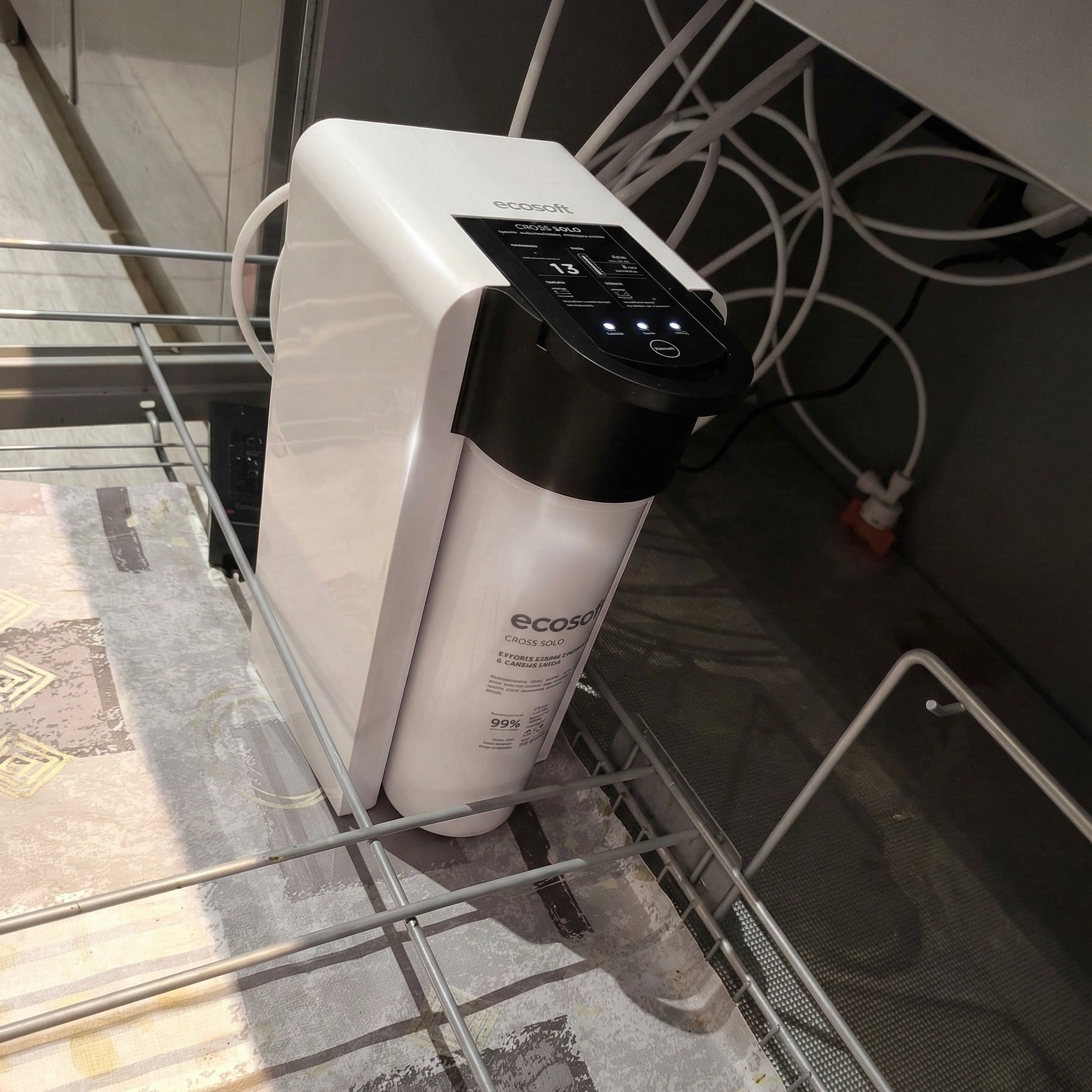
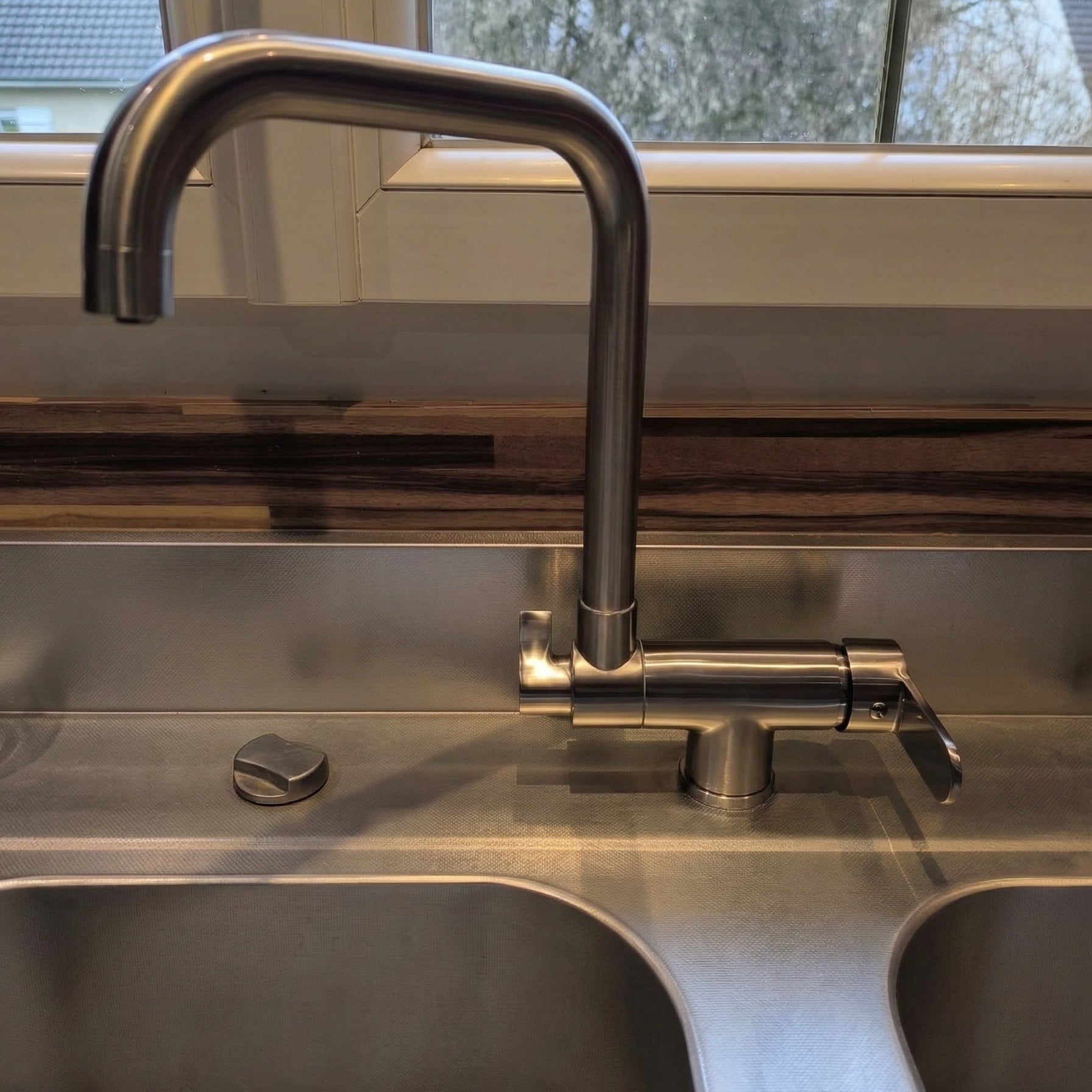
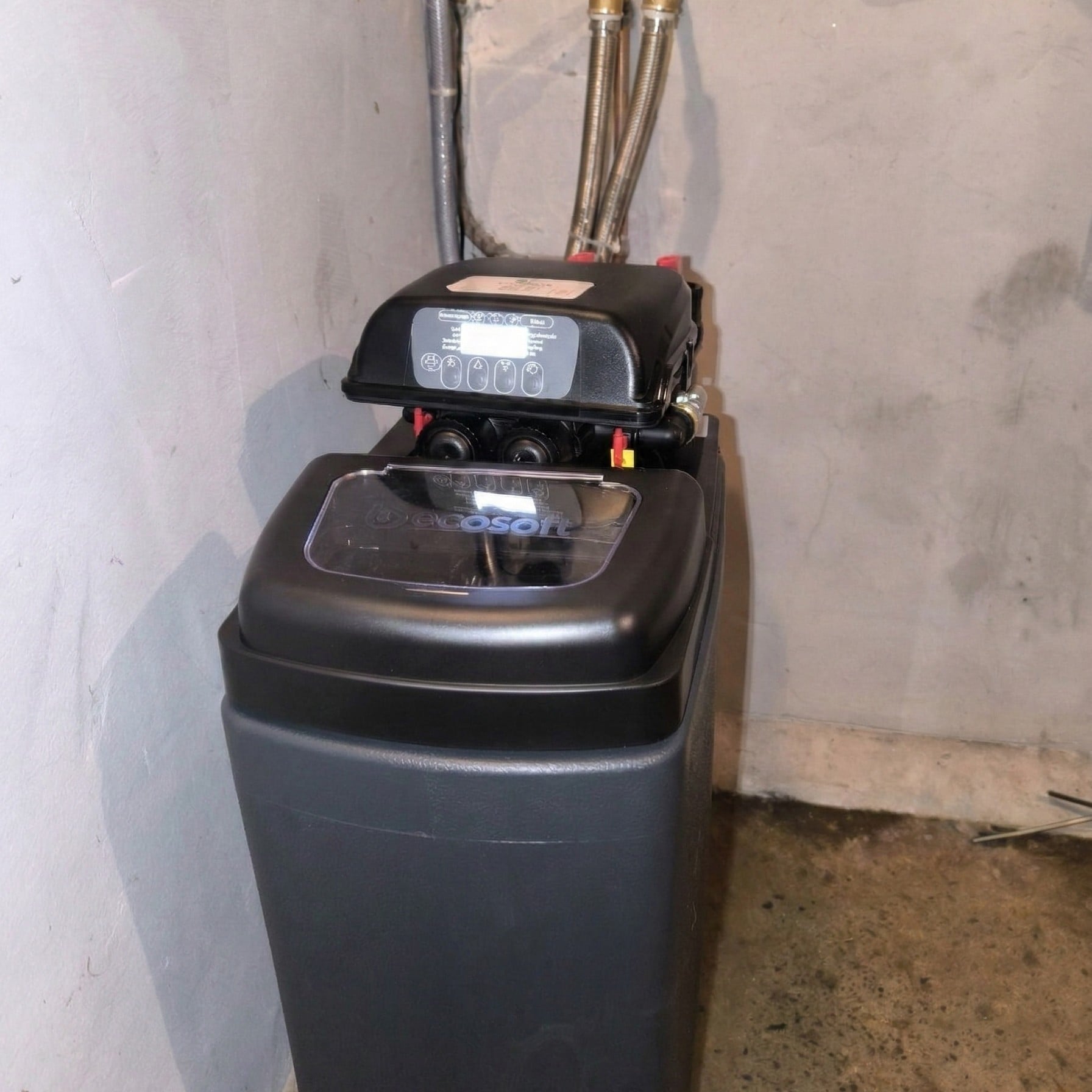
Complete home water treatment
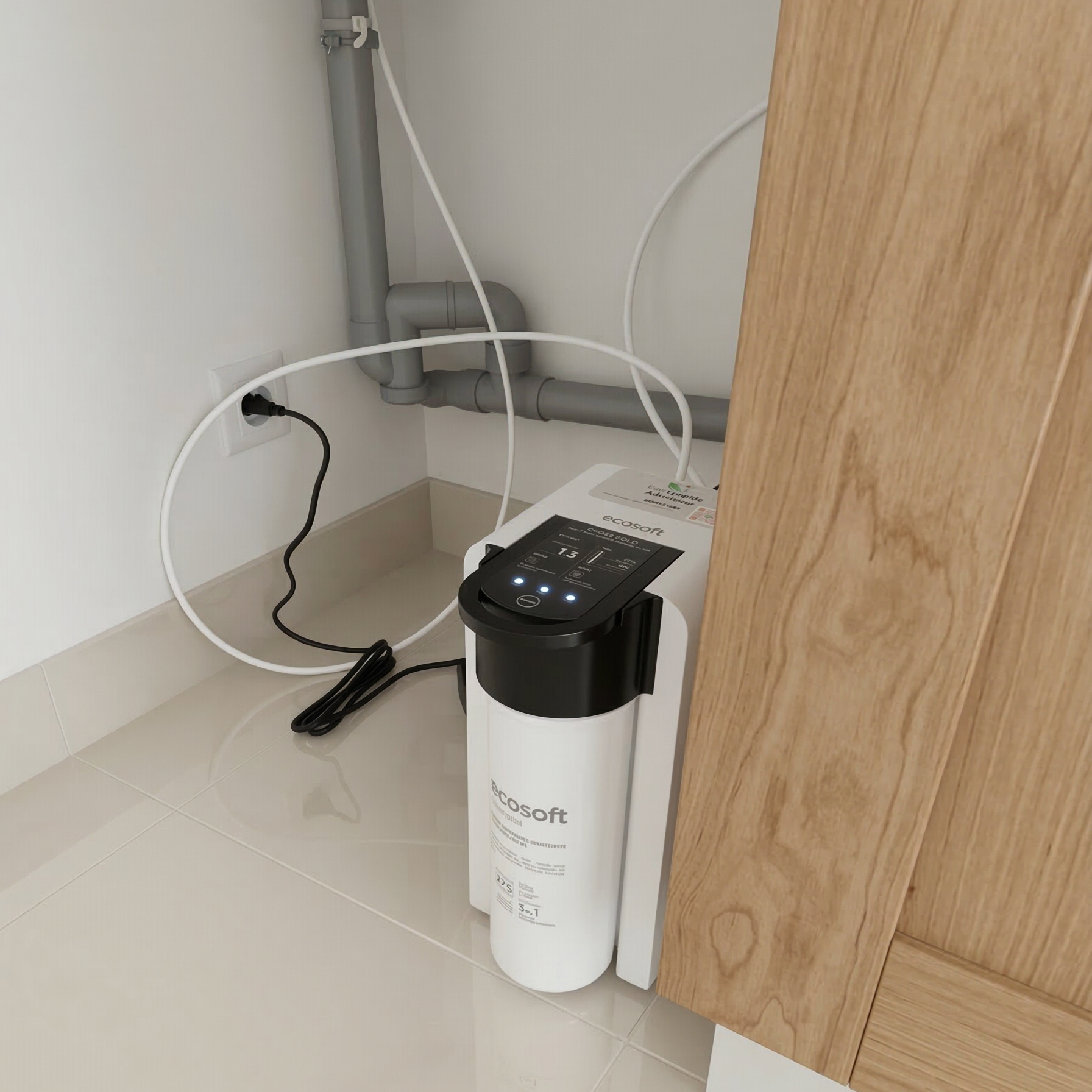
Installation site: France
Problem description: The homeowner wanted to protect household appliances from limescale and improve the quality of drinking water in the kitchen. The previous unit was replaced with a modern, high-efficiency softening system combined with a direct-flow reverse osmosis filter.
- Used Product Categories: Reverse osmosis filters , Water softeners
- Installed Products: Ecosoft CROSS Solo direct flow reverse osmosis filter , Ecosoft Core 150 water softener
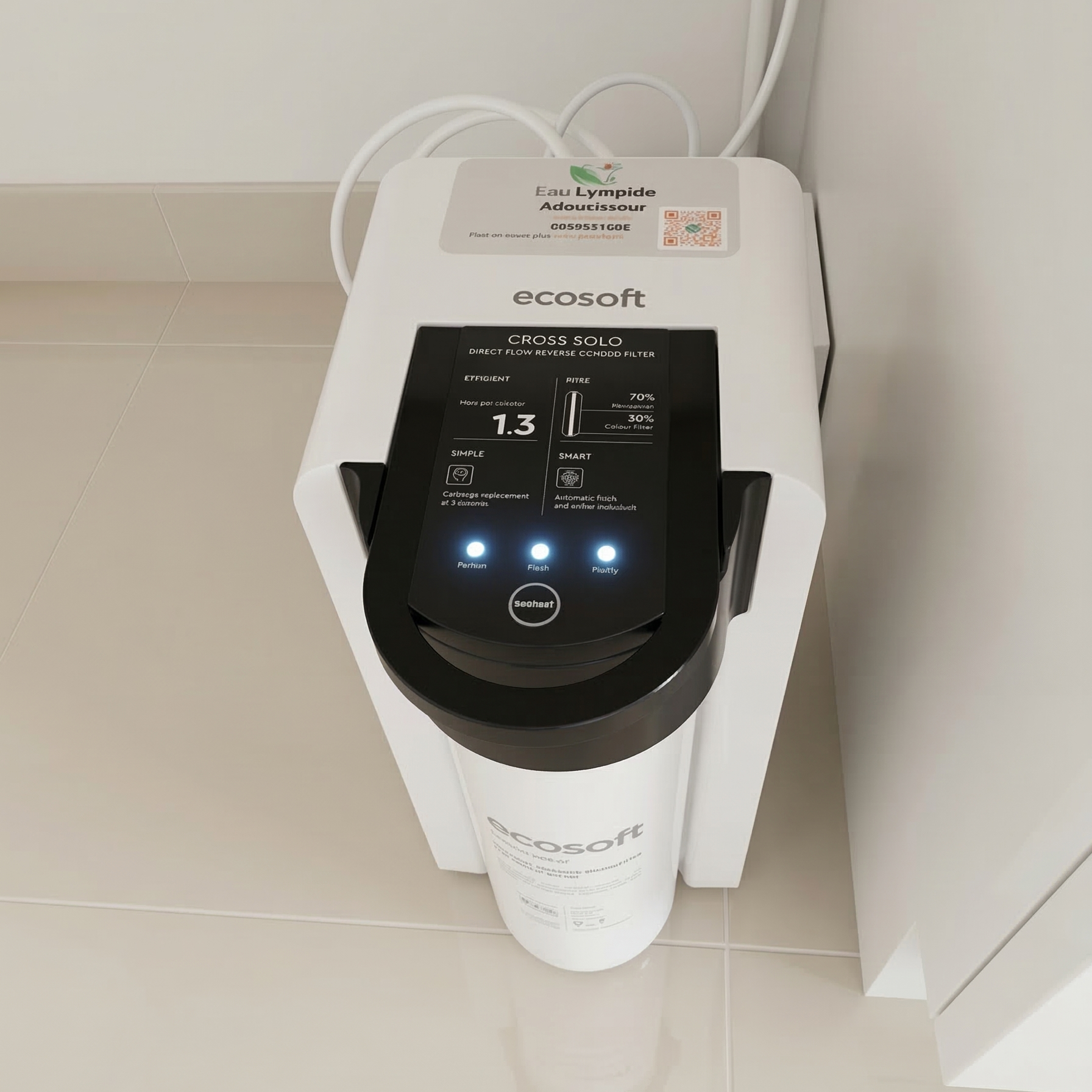
Drinking water purification for a private apartment
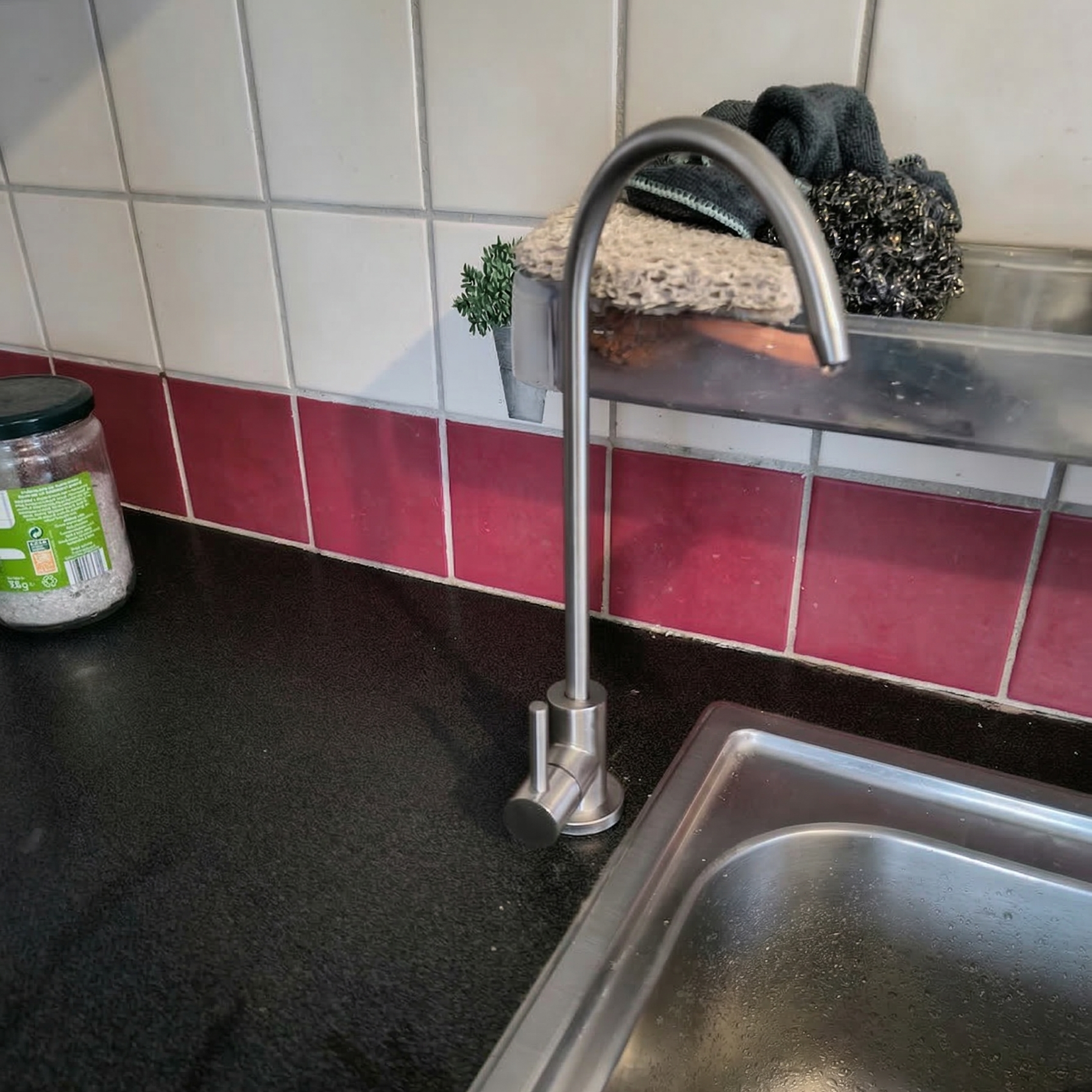
Installation site: France
Problem description: Installation of a reverse osmosis system to provide the resident with purified drinking water and reduce common tap water contaminants such as chlorine, heavy metals, and microplastics.
- Used Product Categories: Reverse osmosis filters
- Installed Products: Ecosoft CROSS Solo direct flow reverse osmosis filter , 3-Way Faucet With Electric Keyboard
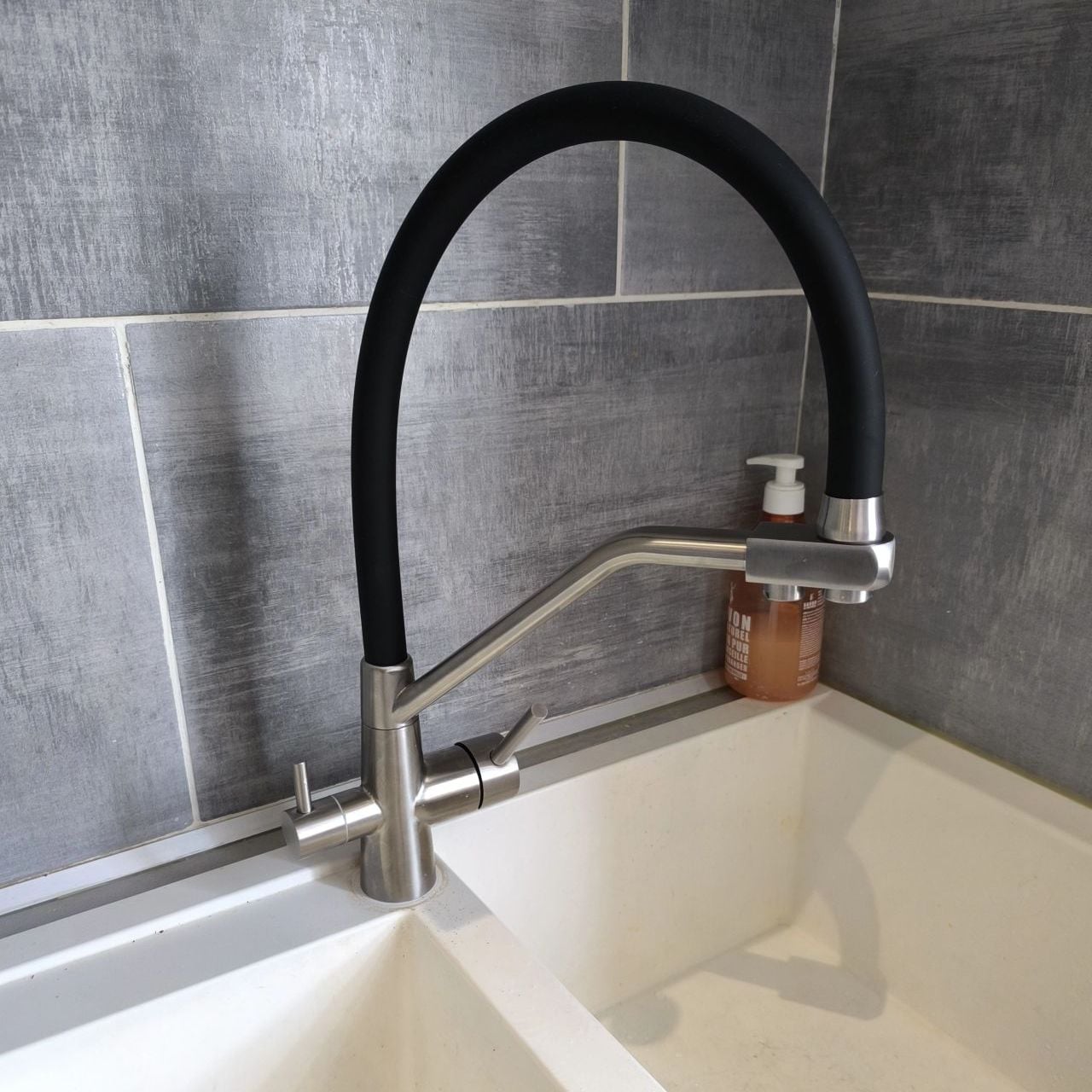
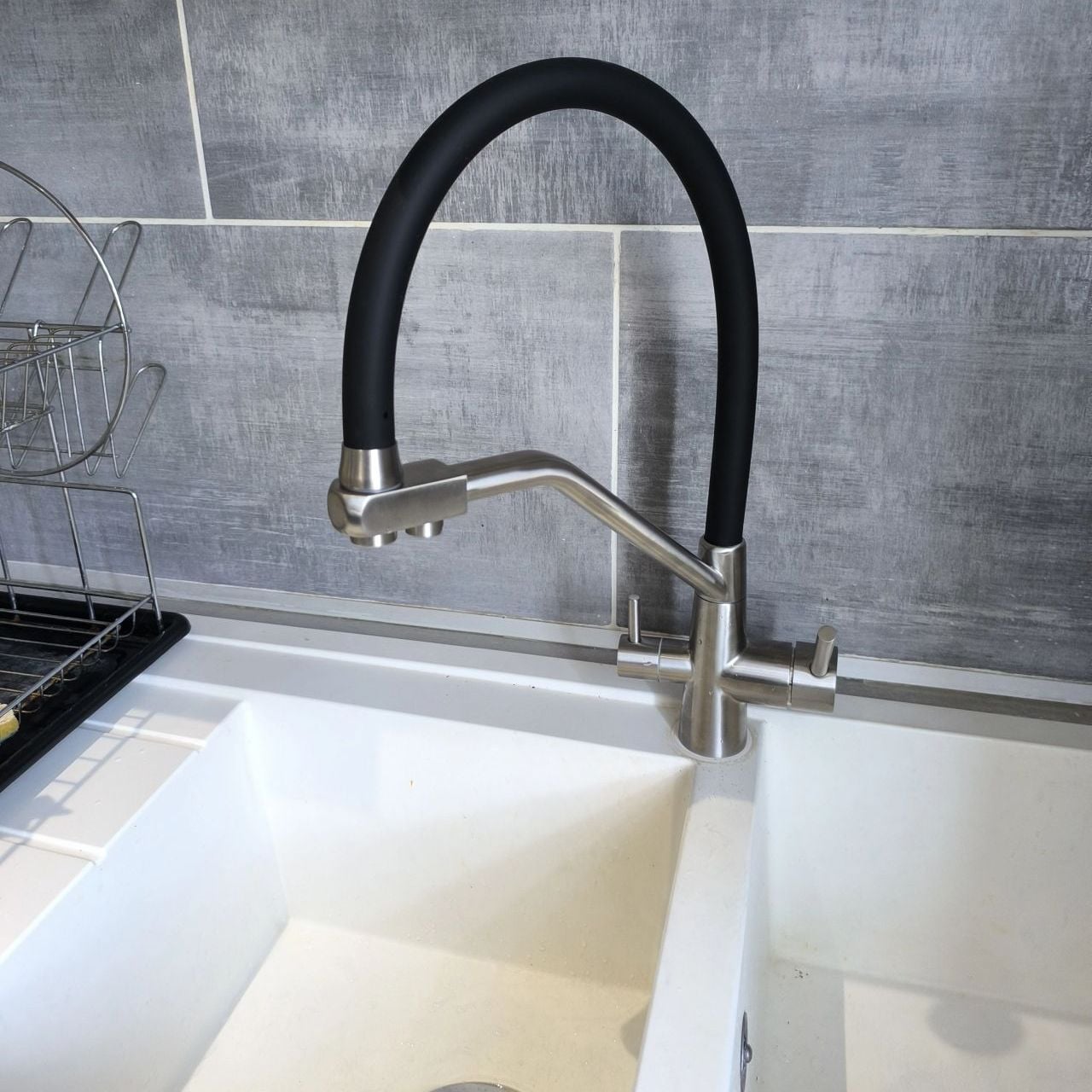
Compact Reverse Osmosis System for a Minimalist Kitchen
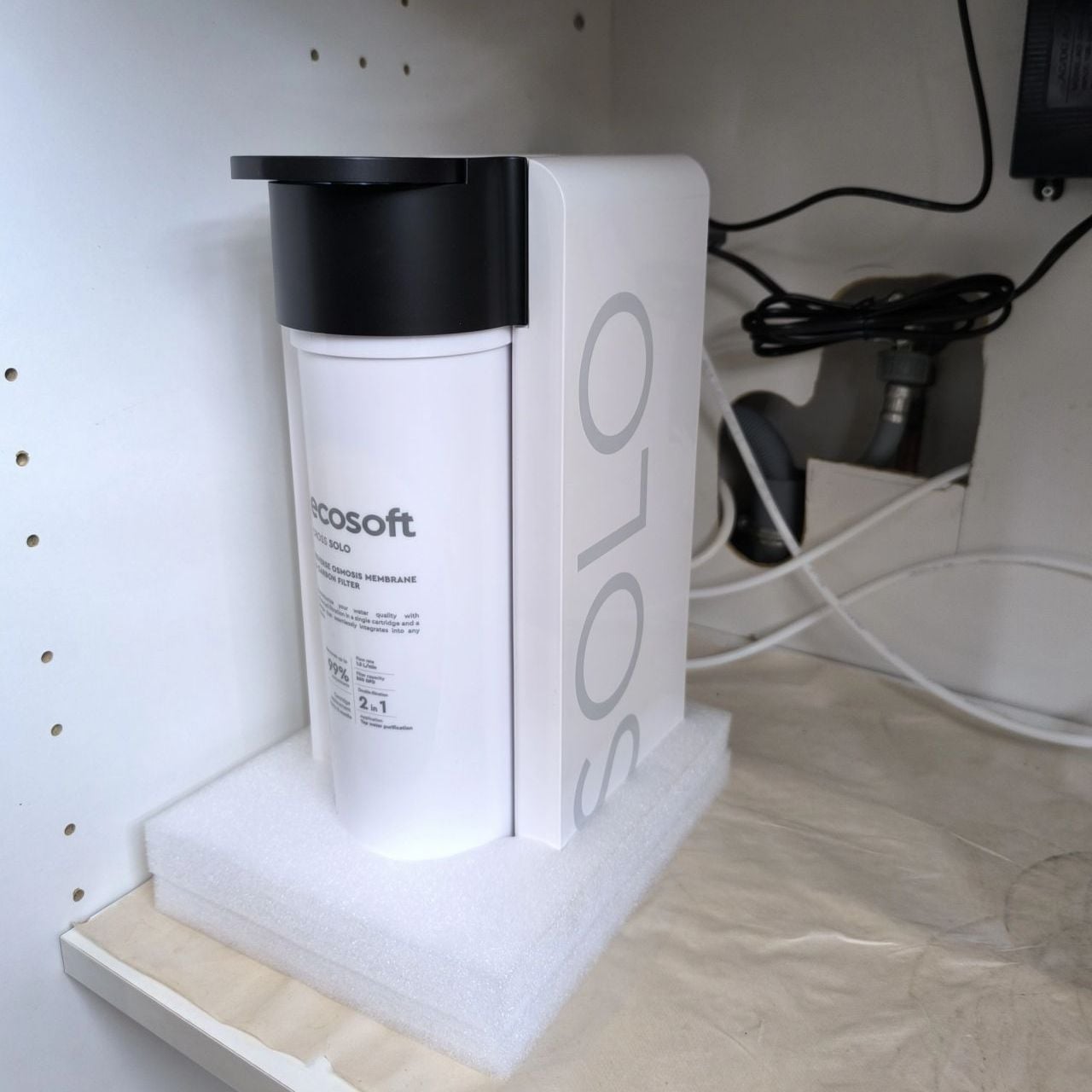
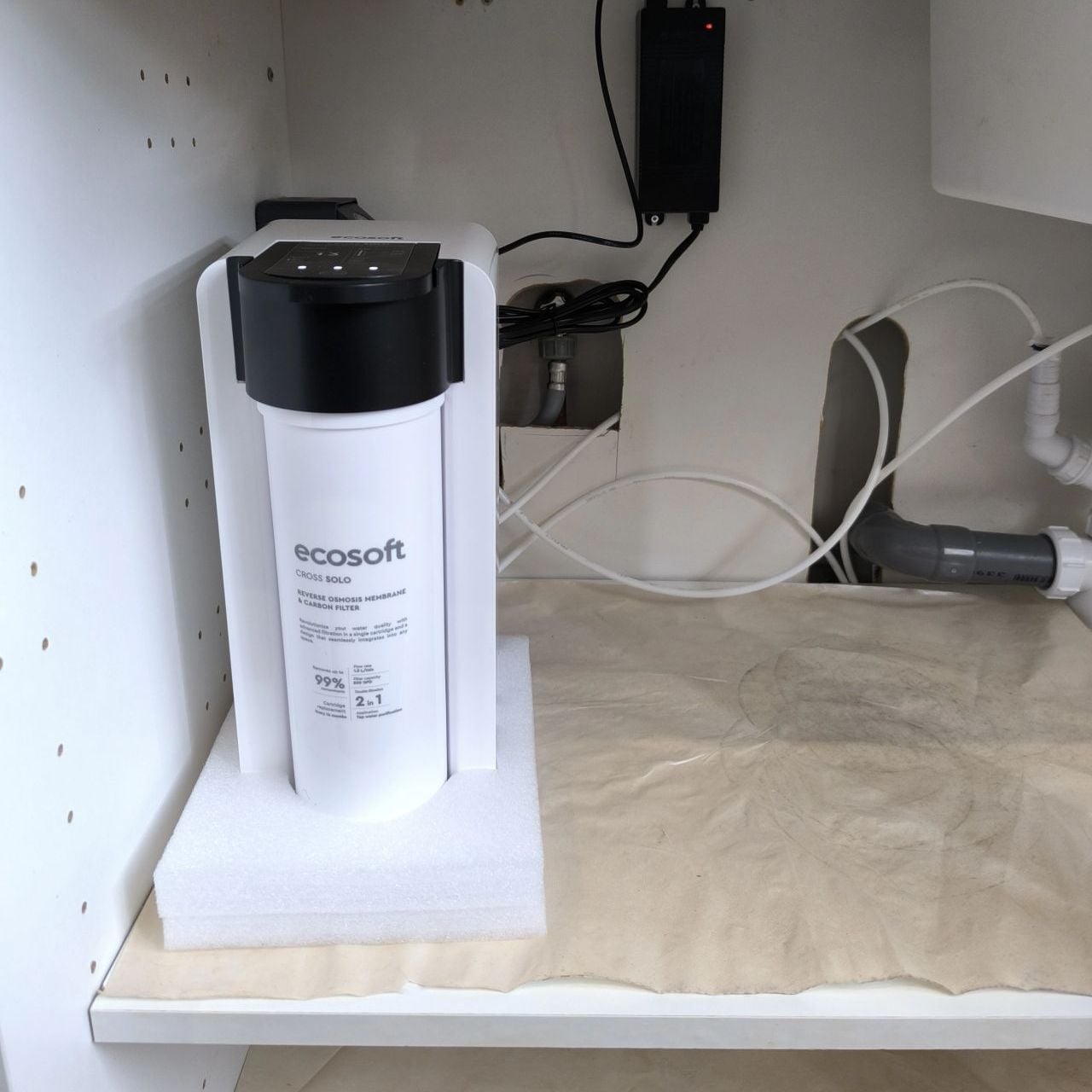
Installation Site: France
Problem Description: The installation was completed in a minimalist kitchen where space efficiency was essential. After a water softener had been installed two years earlier, the household decided to further improve drinking water quality at home and reduce dependence on bottled water. Another priority was to address concerns about contaminants, including PFAS. The solution was the installation of an Ecosoft CROSS Solo reverse osmosis filter. Its compact design made it well suited to the available space, while providing convenient access to filtered drinking water and supporting a more cost-effective everyday routine.
- Used Product Categories: Reverse osmosis filters
- Installed Products: Ecosoft CROSS Solo direct flow reverse osmosis filter
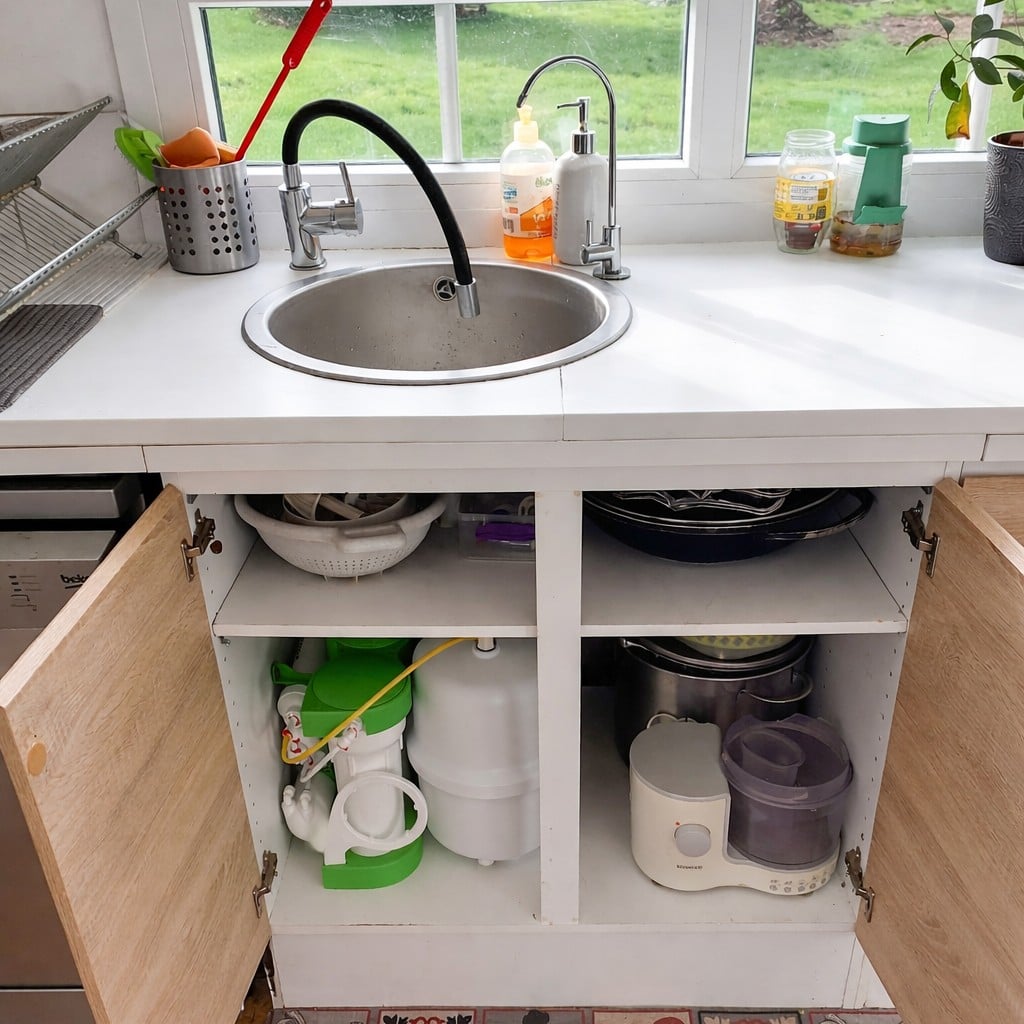
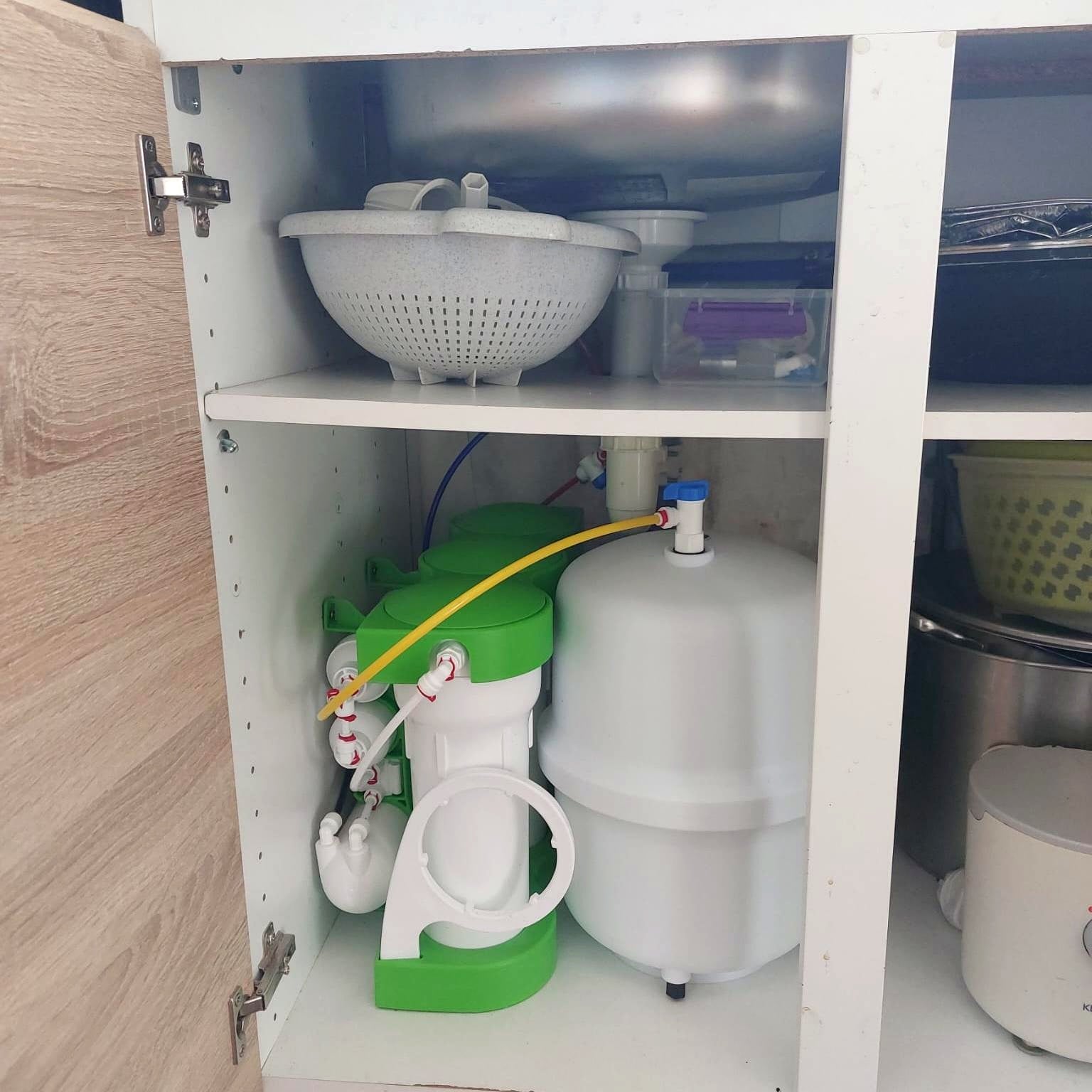
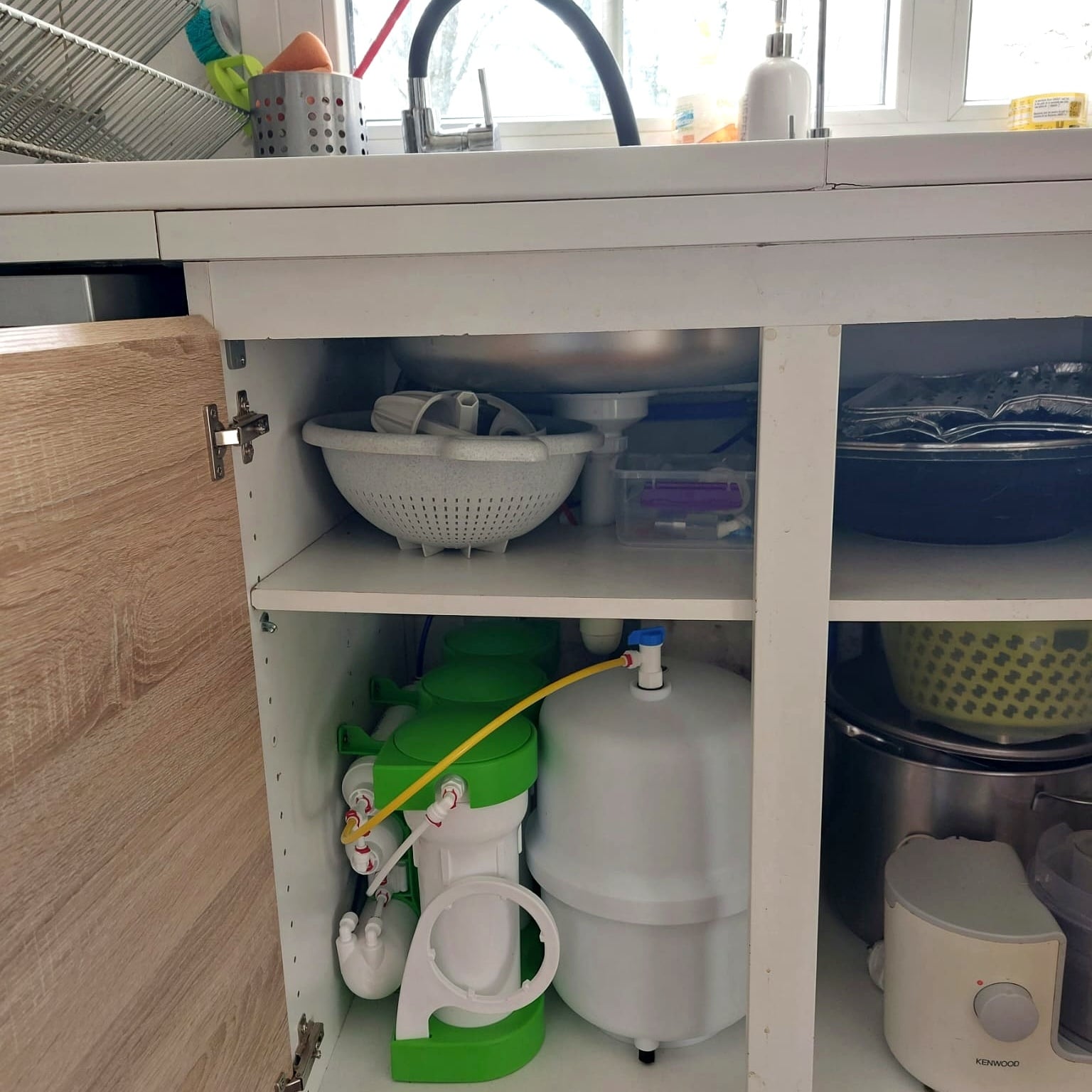
Mineralised drinking water for a house in the French countryside
Installation site: Touraine region, France
Problem description: The municipal water needed to be filtered and enriched with minerals in order to eliminate the high levels of limescale and chlorine taste for everyday use. The installed system provides clean, pleasant-tasting water enriched with calcium and magnesium.
- Used Product Categories: Reverse osmosis filters
- Installed Products: Ecosoft PURE Balance reverse osmosis filter
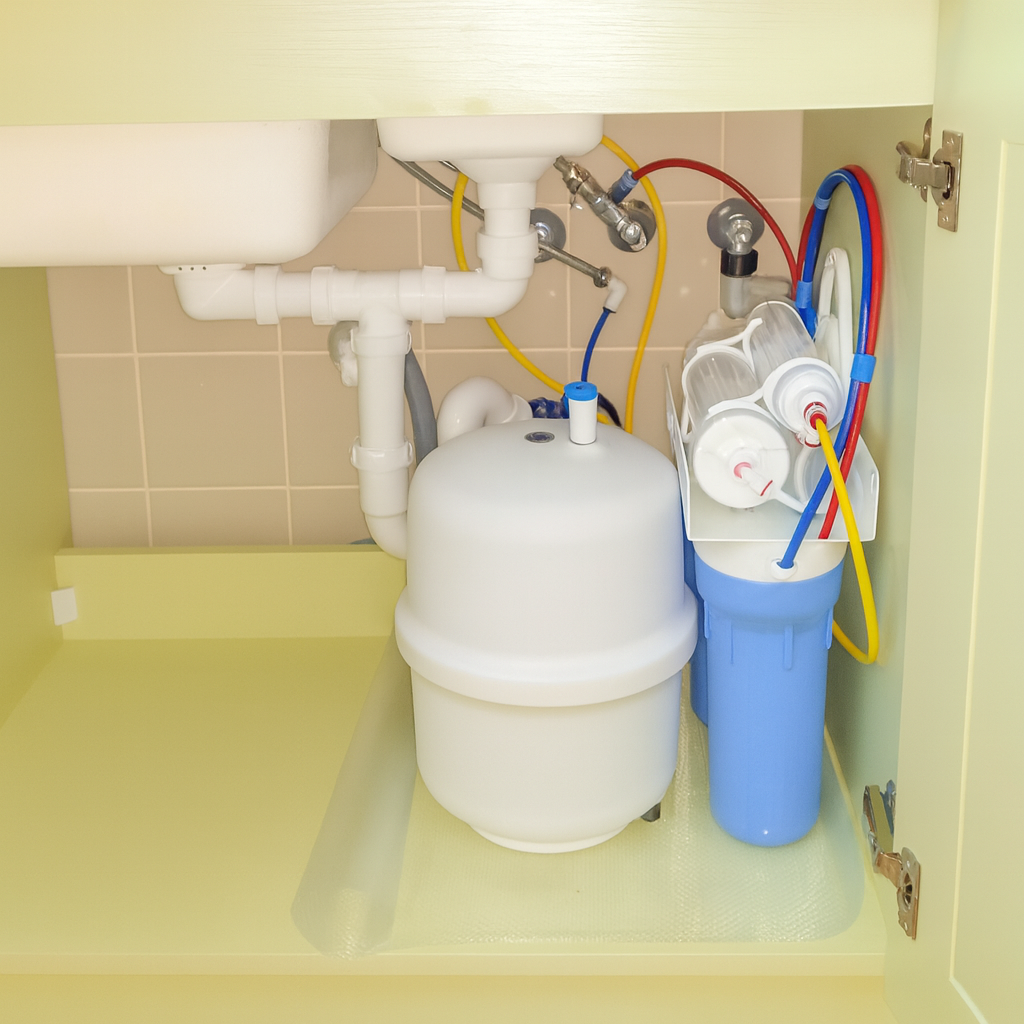
Drinking water solution for an apartment
Installation site: Obolonskyi district, Kyiv, Ukraine
Problem description: Tap water required purification to provide safe and tasty drinking water for daily use and cooking
- Used Product Categories: Reverse Osmosis Systems
- Installed Products: Ecosoft Absolute RO with pump
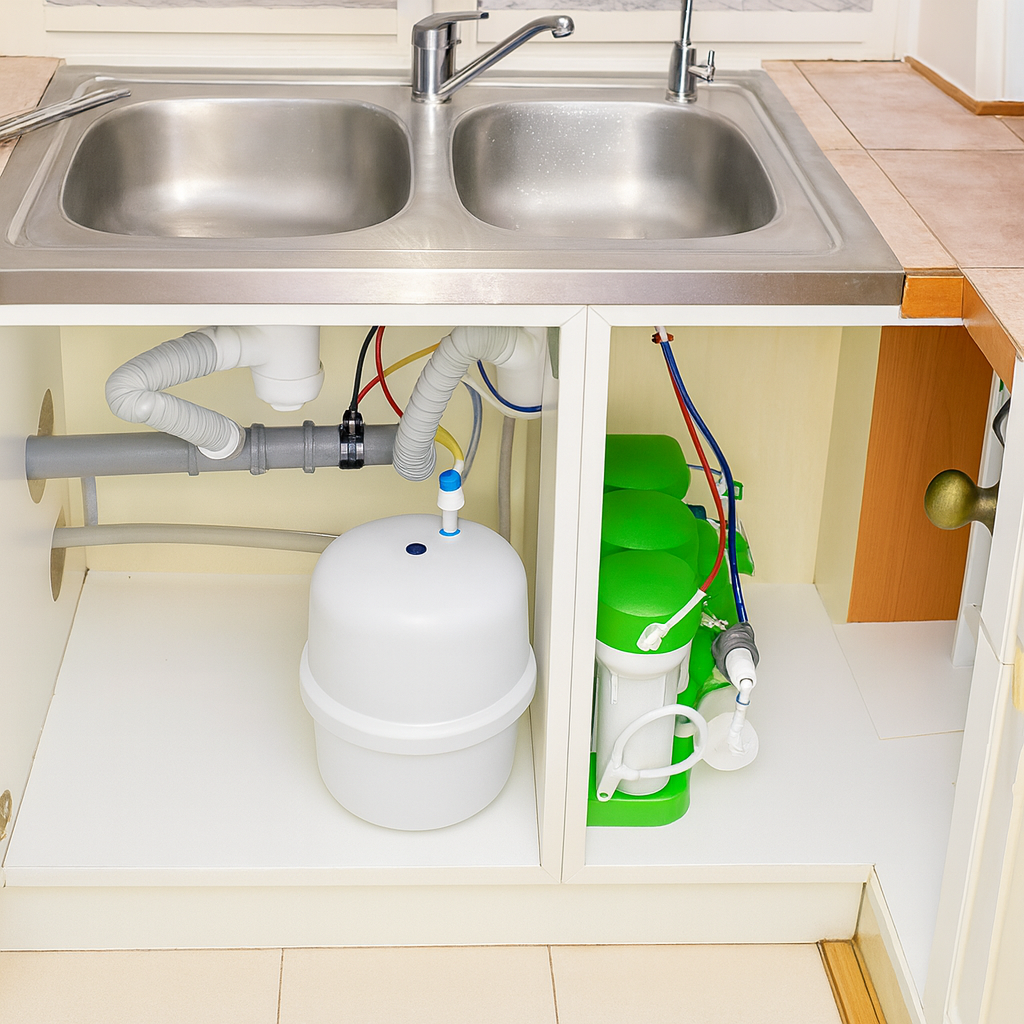
Balanced drinking water solution for a Kyiv apartment
Installation site: Preobrazhenska Street, Kyiv, Ukraine
Problem description: The residents needed a reliable supply of clean and tasty drinking water for daily consumption and cooking. An RO reverse osmosis system was chosen to ensure high purification and provide optimal mineral balance.
- Used Product Categories: Reverse Osmosis Systems
- Installed Products: Ecosoft PURE Balance reverse osmosis filter
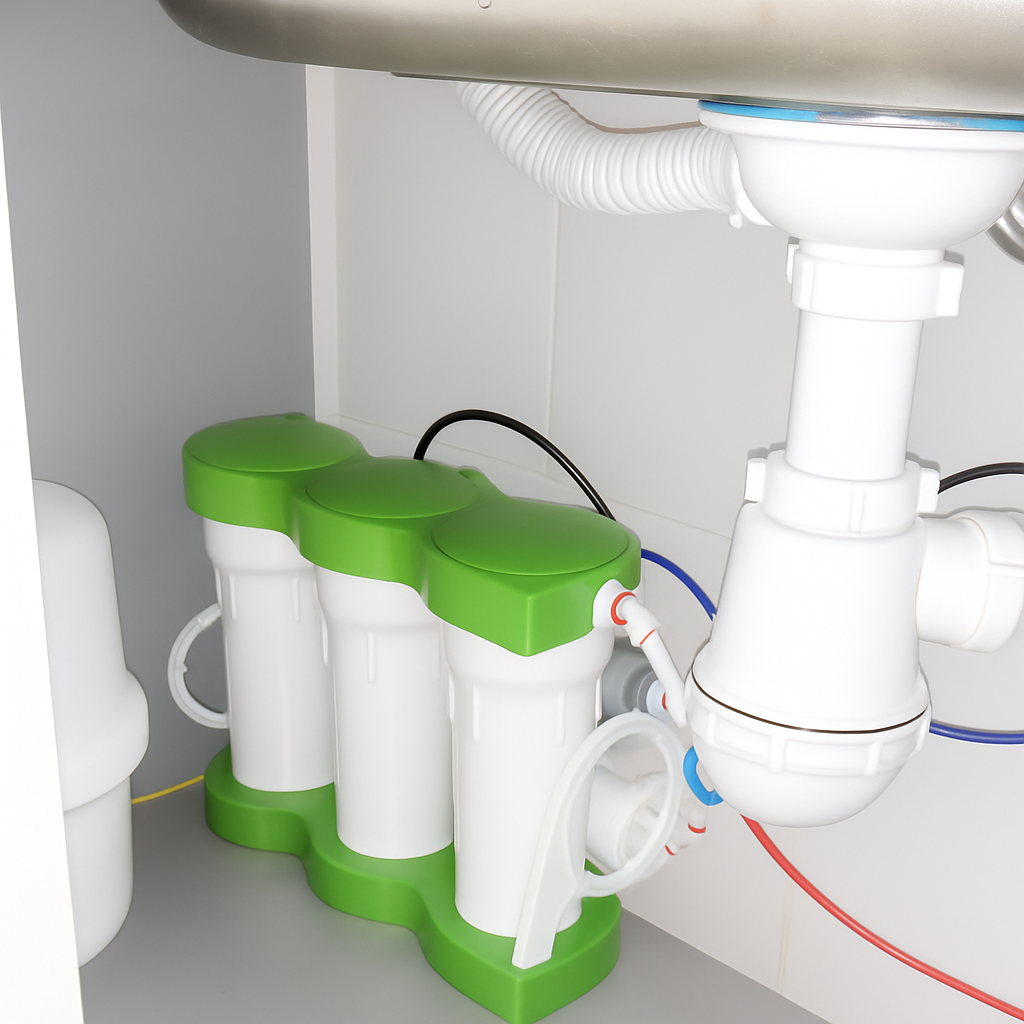
Healthy drinking water for a Kyiv apartment
Installation site: Solomianskyi district, Kyiv, Ukraine
Problem description: The residents required a stable source of clean, tasty, and healthy drinking water in their apartment. A RO system with mineralization was chosen to ensure high-quality purification and enrichment with essential minerals
- Used Product Categories: Reverse Osmosis Systems
- Installed Products: Ecosoft PURE Balance reverse osmosis filter
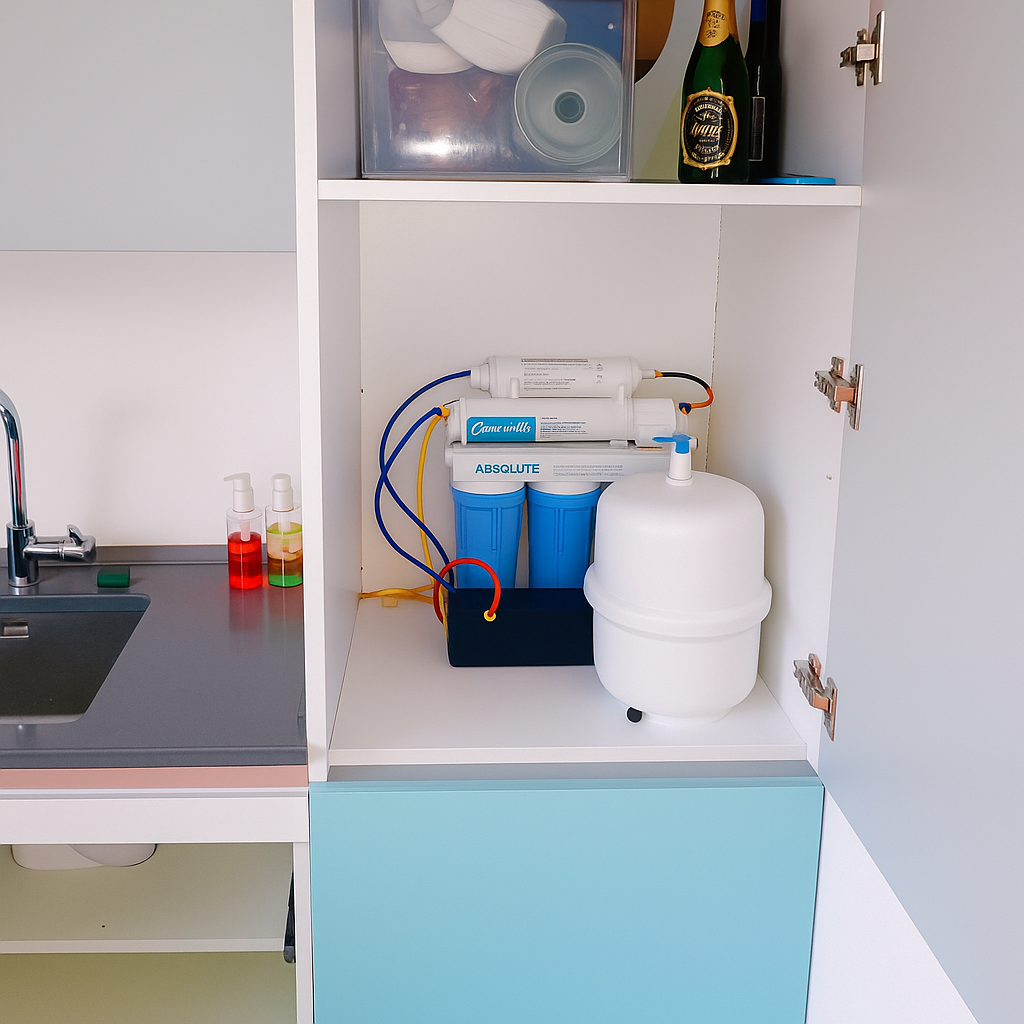
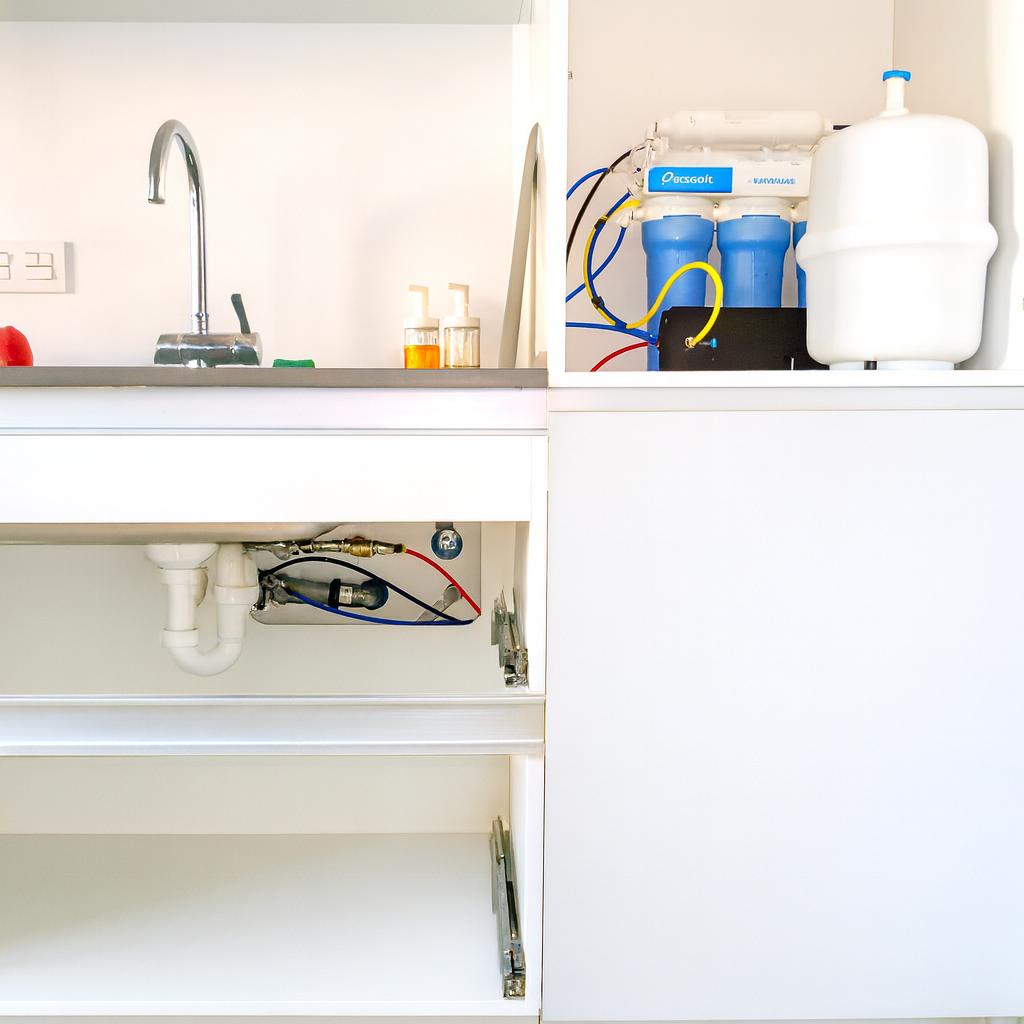
Drinking water for an apartment
Installation Site: Kyiv, Ukraine
Problem Description: Municipal water treatment for drinking needs under low inlet pressure (2 atm), which complicated the choice of filtration system
- Used Product Categories: Reverse Osmosis Systems
- Installed Products: Ecosoft Absolute RO with pump
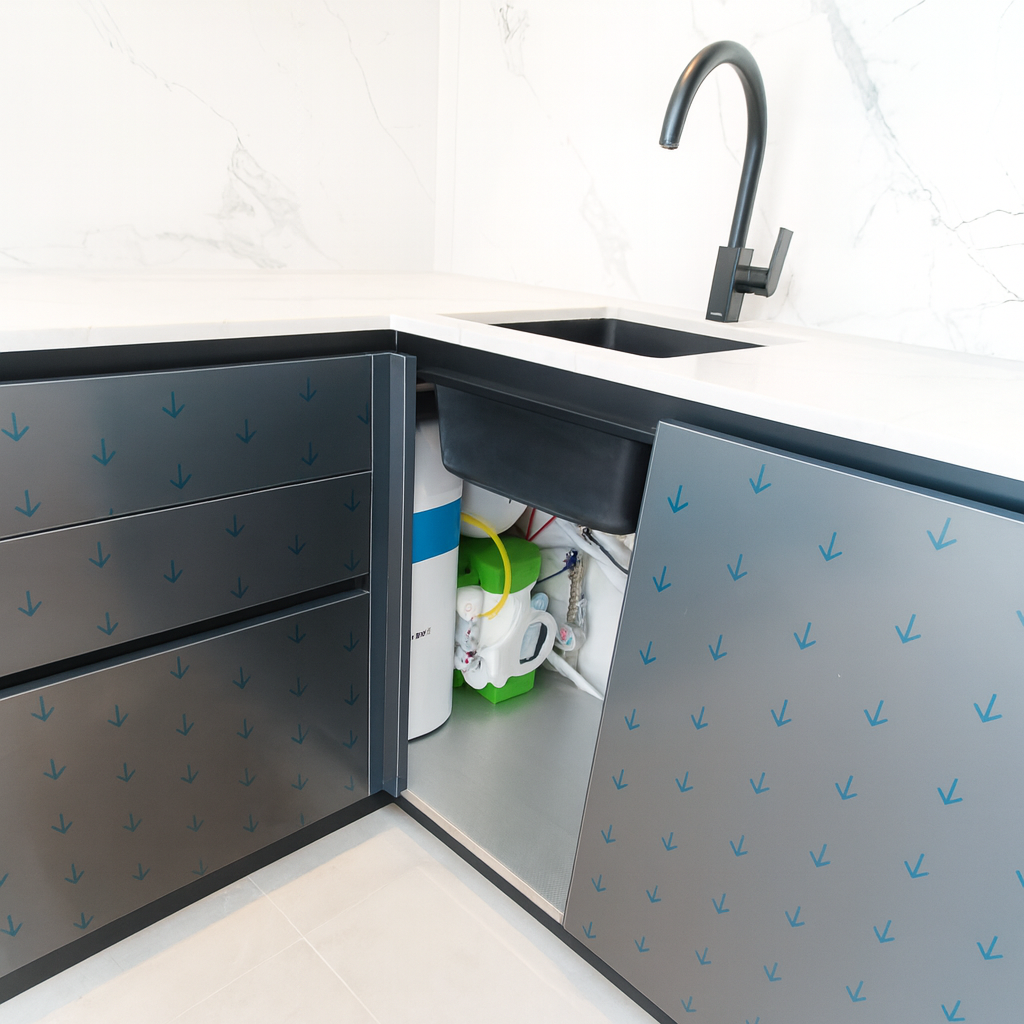
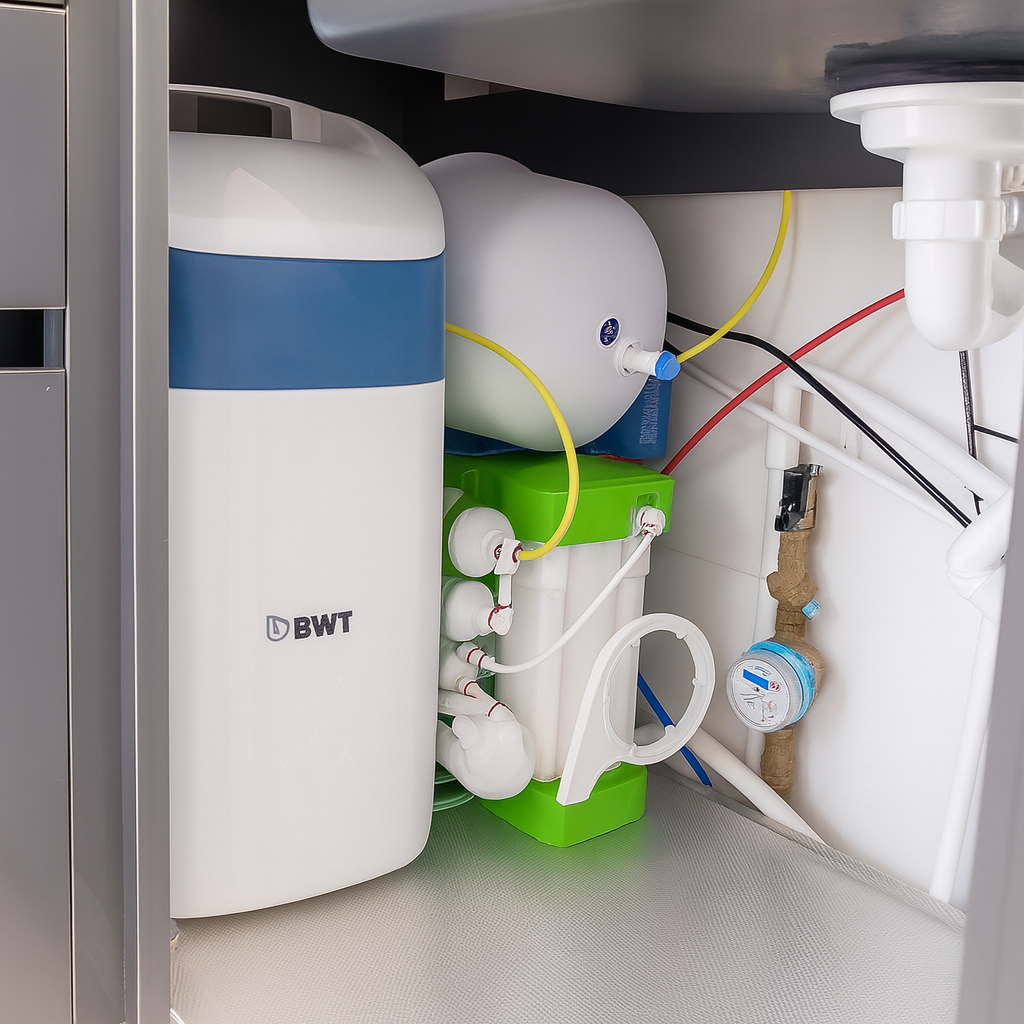
Drinking water for an apartment in Lviv
Installation Site: Lviv, Ukraine
Problem Description: Treatment of municipal water to solve hardness problems and improve drinking water quality
- Used Product Categories: Water softeners , Portable Reverse Osmosis Systems
- Installed Products: Ecosoft PURE Balance reverse osmosis filter , Arctic Blue
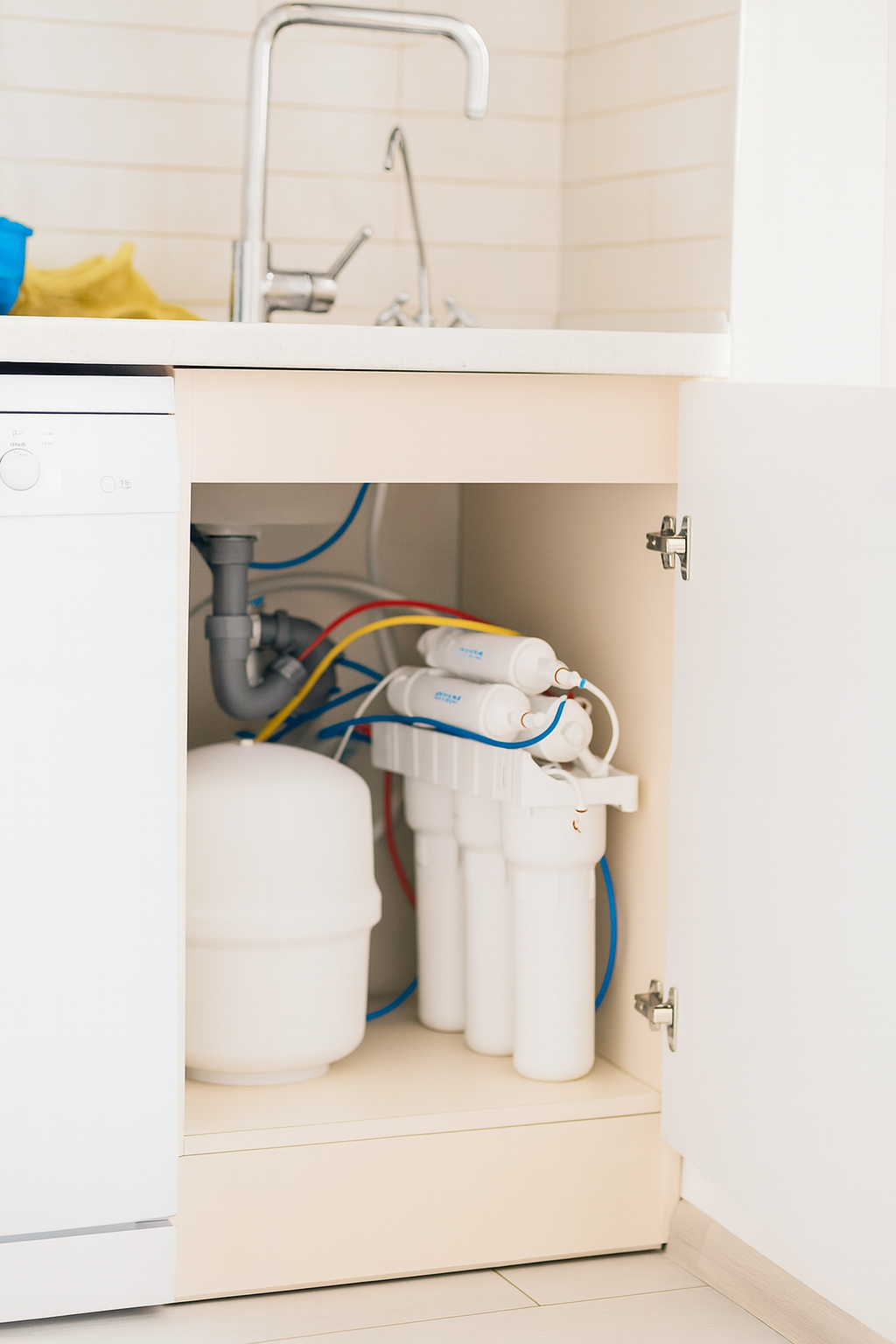
Drinking water for an apartment in Kyiv
Installation site: Berezniaky region Kyiv, Ukraine
Problem description: Tap water required additional purification to provide clean and safe drinking water for a family of three
- Used Product Categories: Reverse Osmosis Systems
- Installed Products: Ecosoft Standard PRO reverse osmosis filter with mineralization
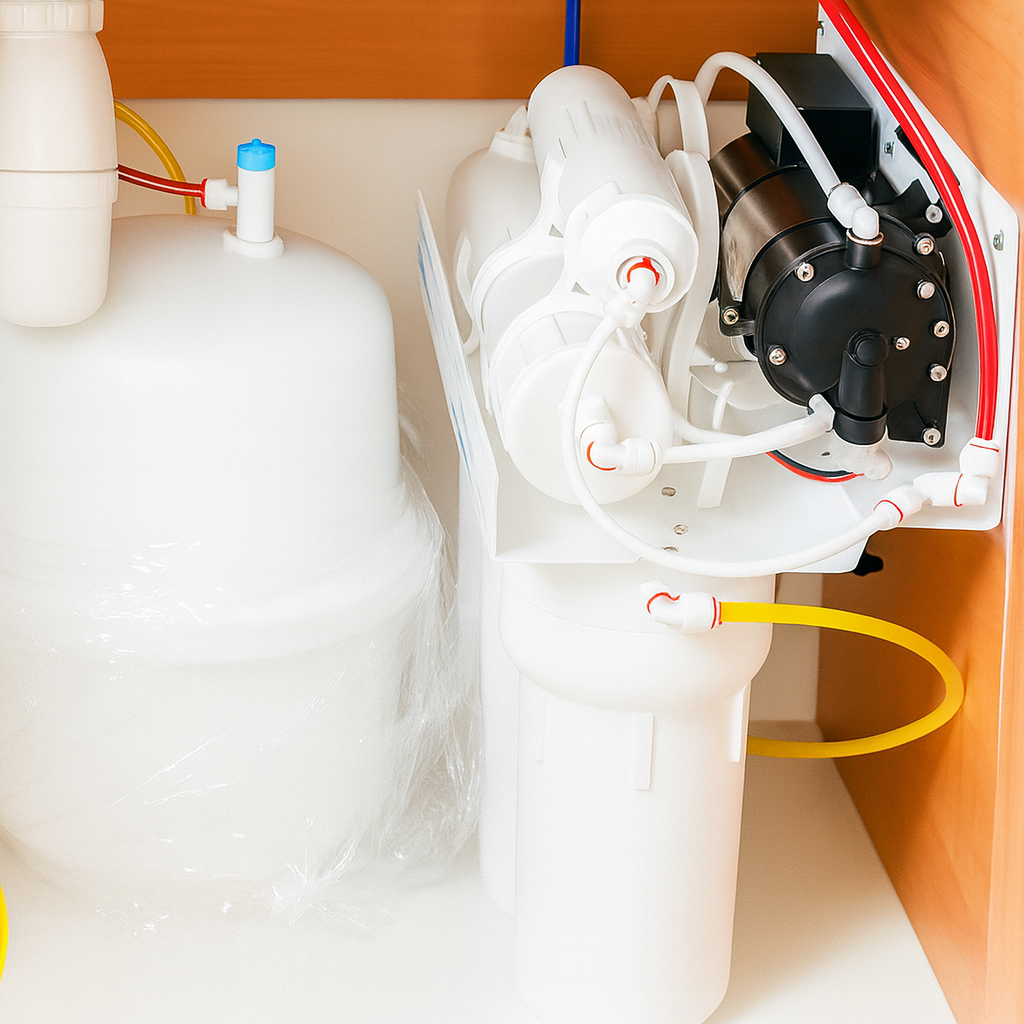
Clean drinking water for an apartment in Kaniv
Installation site: Kaniv, Ukraine
Problem description: The residents needed a reliable source of clean and safe drinking water at home. An RO system with mineralization was chosen to provide tasty water for everyday use
- Used Product Categories: Reverse Osmosis Systems
- Installed Products: Ecosoft Standard PRO reverse osmosis filter with mineralization
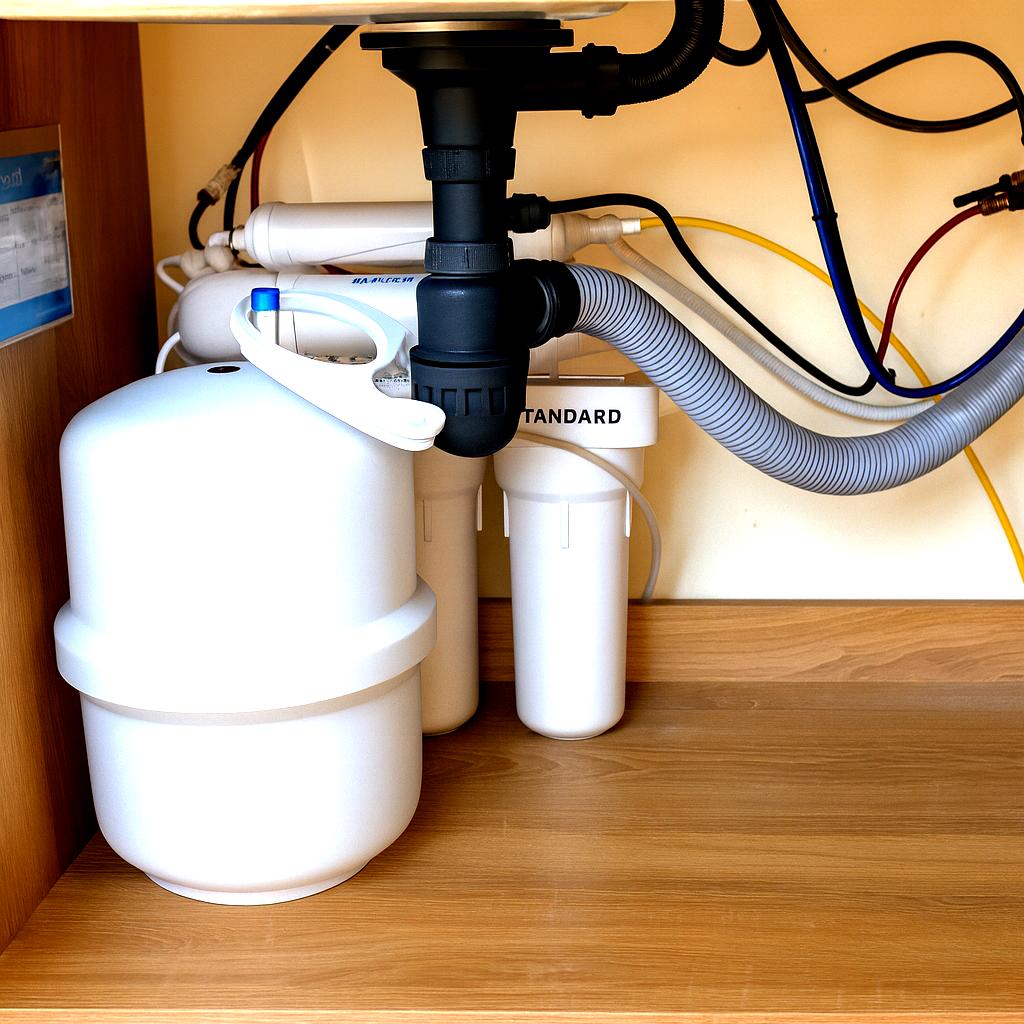
Affordable drinking water solution for a Kyiv region apartment
Installation site: Petropavlivska Borshchahivka, Kyiv region, Ukraine
Problem description: A small family required a budget-friendly system to provide clean drinking water for daily use and cooking. With sufficient pipeline pressure, RO was chosen as a reliable solution
- Used Product Categories: Reverse Osmosis Systems
- Installed Products: Ecosoft Standard PRO reverse osmosis filter with mineralization
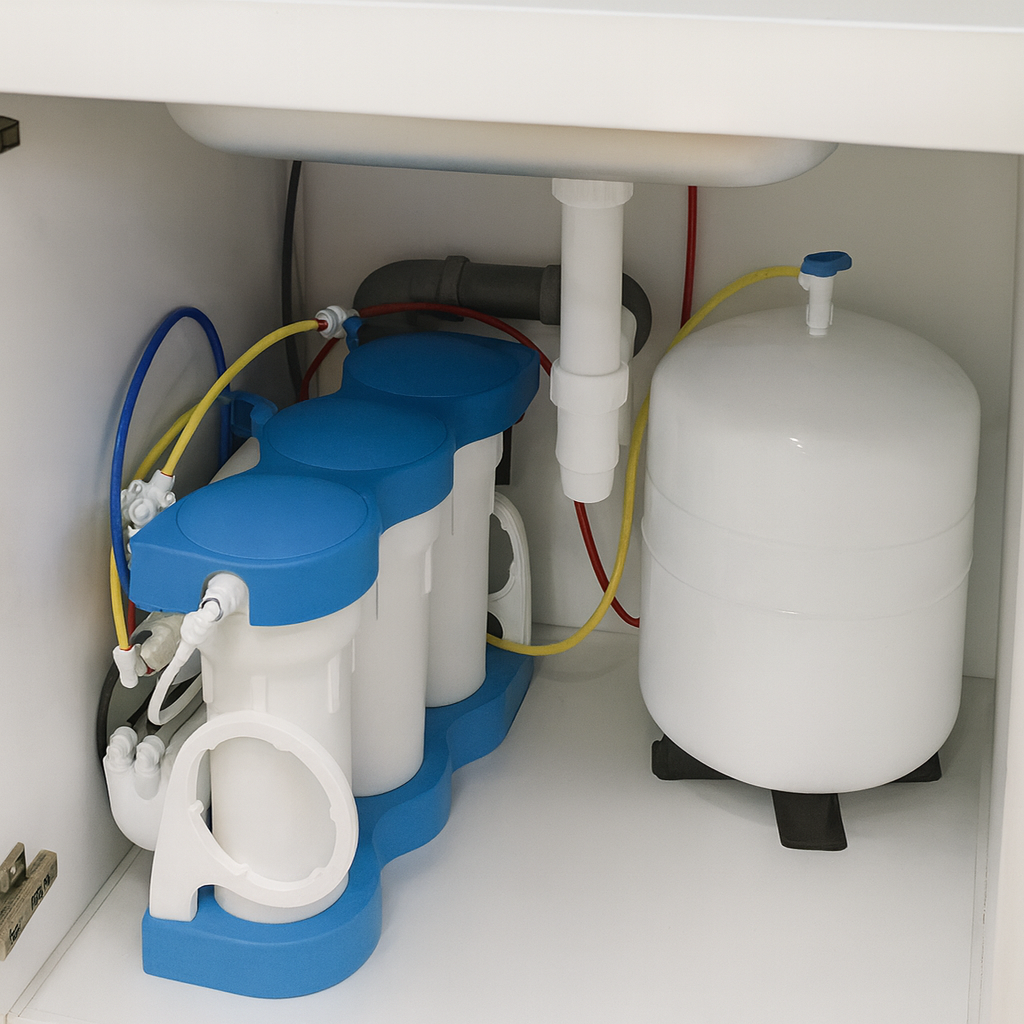
Safe drinking water with calcium for a Kyiv apartment
Installation site: Kudriashova Street, Kyiv, Ukraine
Problem description: The family needed a safe and reliable source of drinking water for their child. Buying bottled water daily was inconvenient, so an RO system with mineralization was chosen to provide a constant supply of clean, healthy water
- Used Product Categories: Reverse Osmosis Systems
- Installed Products: Ecosoft PURE AquaCalcium Mint reverse osmosis filter
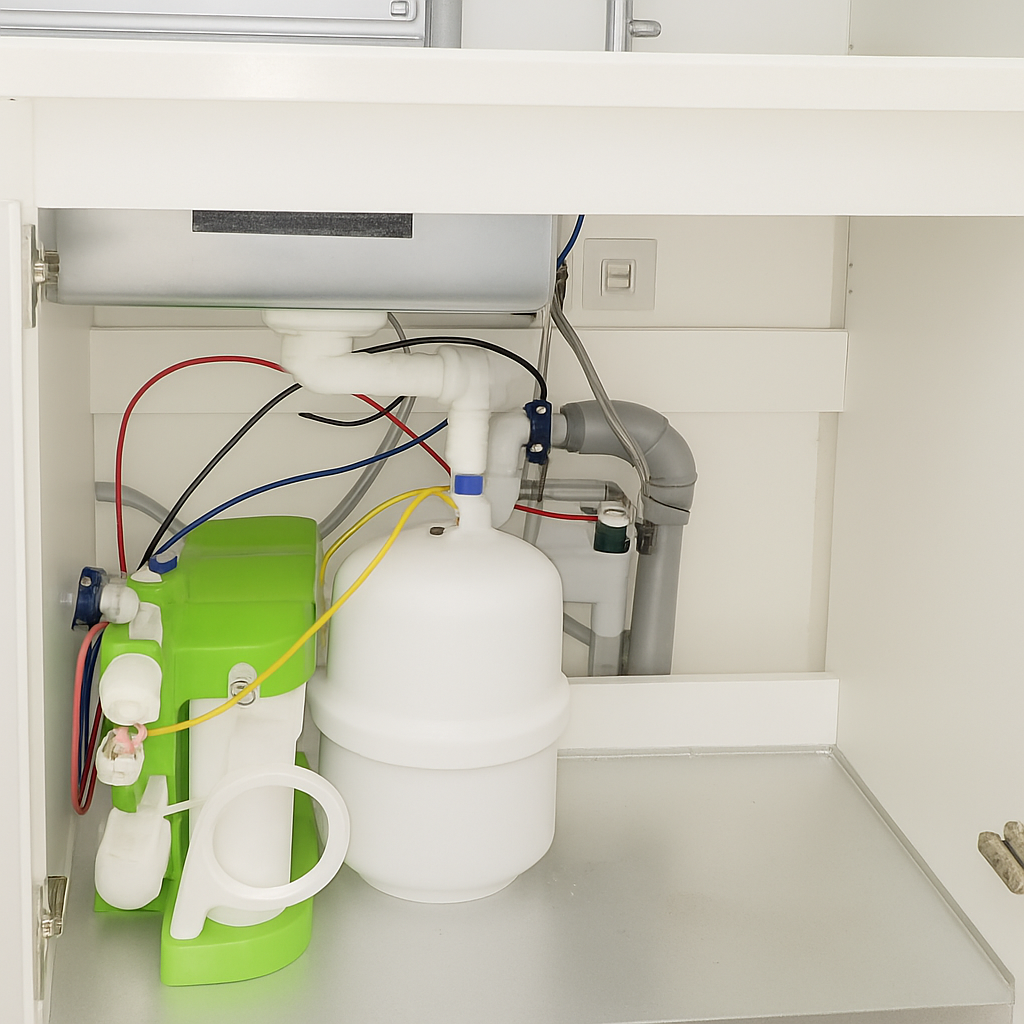
Safe daily drinking water with minerals for a Kyiv apartment
Installation site: Polovetska Street, Kyiv, Ukraine
Problem description: The residents needed safe and tasty drinking water directly from the tap. An RO system with mineralization was chosen to ensure complete purification and enrich the water with calcium and magnesium
- Used Product Categories: Reverse Osmosis Systems
- Installed Products: Ecosoft PURE Balance reverse osmosis filter
Explore CROSS Solo: Inside the Filter, Removed Impurities, Quick Swap Guide
FAQ: Pollutants in water – your questions answered
-
What are common pollutants in drinking water?
Common pollutants in water include chlorine, limescale, heavy metals like lead and copper, PFAS, iron, manganese, and microorganisms. Depending on your region and plumbing, levels may vary.
-
How do these substances get into tap water?
Some come from outdated pipes or home installations, others from environmental sources – such as fertilisers, industrial waste or water treatment processes.
-
How do Ecosoft water filters remove these pollutants?
Our filters use sorption with activated carbon, membrane technology, and ion exchange. This effectively removes harmful water contaminants while retaining essential minerals.
-
Are pollutants in drinking water harmful to health?
Generally, amounts are below legal limits. However, substances like heavy metals, PFAS, or microbes can accumulate in the body over time. Sensitive individuals – such as children or pregnant people – should prioritise very clean water.
-
How can I find out if my water is contaminated?
Taste and smell can give you clues – maybe you notice chlorine or metallic notes? If you want to be certain, a professional water test is essential.
-
How often should I change the filter cartridges?
Reverse osmosis systems can go 6 to 24 months between changes. The CROSS 90 system even has a smart LED indicator that tells you exactly when to replace the filter – easy and convenient.
-
Do I need to filter all the water in my home?
Not necessarily. Most pollutants are relevant for drinking and cooking. A filter under the kitchen sink is a great starting point – and fully suitable even in rented homes.
-
Why Does Tap Water Smell Like Chlorine?
Tap water in most countries in the world can smell like chlorine because it is disinfected with this chemical element, which efficiently kills bacteria, parasites, and viruses.
-
Can Chlorine Affect Skin and Hair?
Chlorine irritates skin, making it dry due to the breakdown of the body's natural protective oil barrier. Repeated contact with water rich in chlorine causes fine lines, premature skin ageing, and leaves hair weak and brittle.
-
What Causes Limescale in Appliances?
Limescale builds up in appliances, causing clogging, increased energy consumption, and eventual failures.
-
Which Filter Removes Chlorine Best?
Carbon filters remove chlorine best. For the most comprehensive water treatment, we recommend choosing an RO system with several purification stages, including a cartridge with activated carbon media.
-
How Can I Reduce Limescale at Home?
To reduce limescale at home, install our filtration system with a water softener. Ion-exchange resin perfectly traps calcium and magnesium. You can use a point-of-entry system to serve the whole house, including plumbing, or prefer a point-of-use filter connected to a tap in the kitchen, for instance. To decide, you should compare whole-house vs kitchen-tap options.
NEED SUPPORT FROM A LOCAL EXPERT?
Our partners are happy to support you with their expertise, ensuring a Professional installation and Easy Maintenance.
Just leave a short note and we will connect you with one of our local partners!
We constantly had limescale stains and an odd taste in the water. Since switching to the Ecosoft Slim Jug, not only does the water taste better – even our kettle looks clean again.

The PURE Balance system was a game-changer for us. We live in an old house and wanted to be sure our water is as pure as possible. It was quick to install and the water tastes incredibly fresh.

I love the tech in the CROSS 90. The filter change indicator is super handy – and the design fits perfectly in our kitchen. Best part: no more carrying around plastic bottles.

Related products
-
€ 20.75 excl. VAT€ 24.90 incl. VAT
-
€ 20.75 excl. VAT€ 24.90 incl. VAT
-
€ 20.75 excl. VAT€ 24.90 incl. VAT


Impurities in drinking water change its taste, can be harmful to health, and damage appliances over time. By using Ecosoft filters, you can consume fresh, tasty water with a well-balanced composition. At our online shop, we offer a diverse assortment of water treatment solutions at reasonable prices. Make your choice and place an order!
What Chlorine Does to Water
Chlorine is a chemical element which is widely used for disinfecting purposes. Most countries in the world add it to water for residual disinfection at concentrations that are not dangerous to humans. It is true that chlorine efficiently kills harmful parasites, viruses, and bacteria. Even though there are other disinfectors, like a UV steriliser, the chemical remains a popular, cost-effective solution.
However, even a non-toxic amount of chlorine causes adverse health effects when it is constantly penetrating into a human organism or even contacting the skin. Not to mention that such water has a specific odour and taste. Thus, disinfected tap water can be treated to use fresh, safe, chlorine-free water every time you need it.
Understanding Limescale Problems
Another problem with tap water is a high concentration of hard minerals, such as calcium and magnesium. Hardness results in limescale deposits on anything water comes through. This buildup causes failures of kitchen appliances and other equipment and clogs plumbing.
Hard water drastically reduces the efficiency of soaps and detergents by binding with surfactants in household cleaning products. Consequently, consumption of energy and water is increased. It reduces the softness of any fabric after washing and accelerates its wear. Hard minerals irritate the skin and change meals. To solve so many issues, just a limescale filter is needed.
Water Filtration Solutions for Chlorine and Scale
The Ecosoft catalogue includes water filtration solutions that remove chlorine and scale from tap or well water. The key product categories are as follows:
- reverse osmosis units with carbon filters;
- reverse osmosis systems with mineralisation;
- water softeners with ECOMIX media.
The above systems are designed to treat 8, 12, or 90 litres per hour. Various flow rates meet various capacity needs. Also, we have a slim ivory water filter jug equipped with a replaceable cartridge with our patented ECOMIX media. It reduces hardness, chlorine, and heavy metals, purifying 7 glasses of water at a time. It can be taken on a journey for reliable and easy removal of hardness, iron, manganese, ammonia, and tannins from local water.
How to Choose the Right Water Chlorine Filter
Chlorine is mostly removed from water by an activated carbon filter, which is typically one of the filtration stages in reverse osmosis systems. When selecting a purifier, you should know:
- your source water parameters, as filters are intended for particular levels of TDS, TMS, chemicals, and minerals;
- water consumption to define a proper flow capacity;
- recovery rate showing how much water is wasted as a percentage;
- filtration stages and options to ensure that the unit removes chlorine.
Also, ECOMIX media can adsorb minor levels of chlorine, but originally, it is not designed for this purpose. That is why for challenging water, it is better to prefer RO systems with activated carbon filters.
Why Buy Water Filter Chlorine from Ecosoft?
Ecosoft has developed water purification systems for over 30 years. Our water treatment solutions based on cutting-edge technologies are certified and used all over the world. You can buy a standard multi-stage station or order a tailored offer, easily install and maintain the unit by yourself or rely on our local support. We are available for communication 24/7, answering questions, consulting, and assisting with order placement.