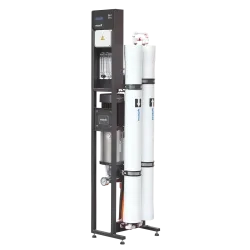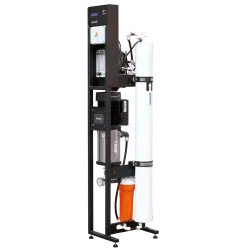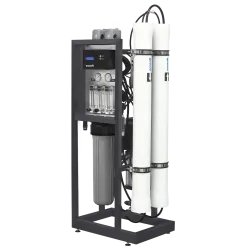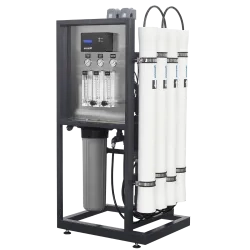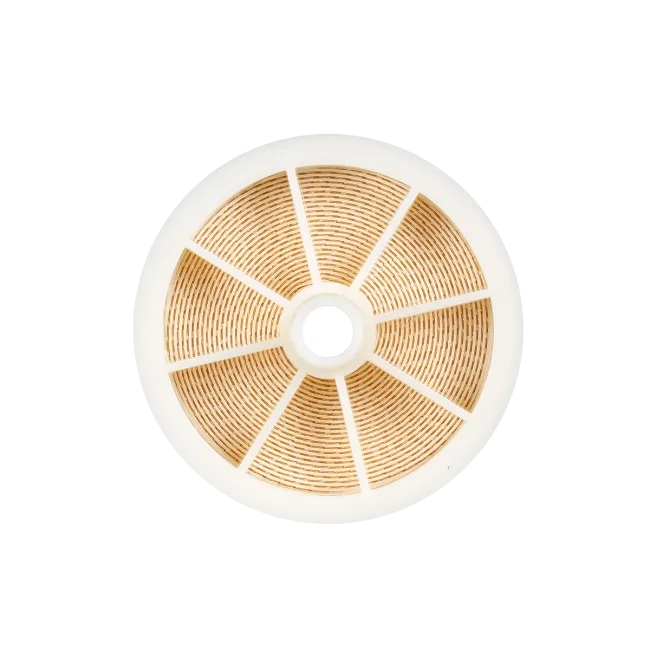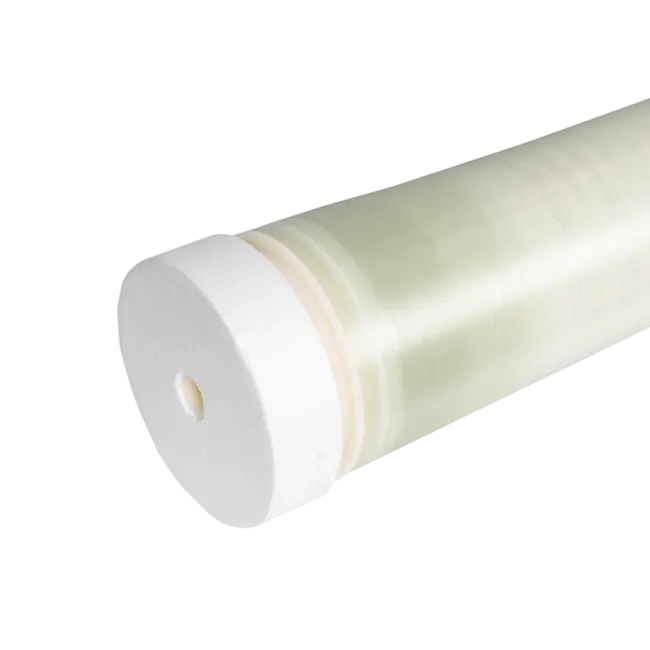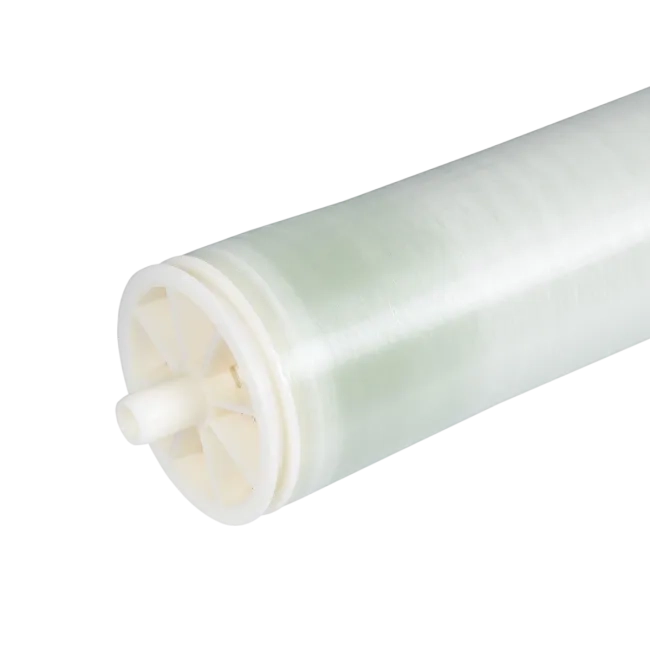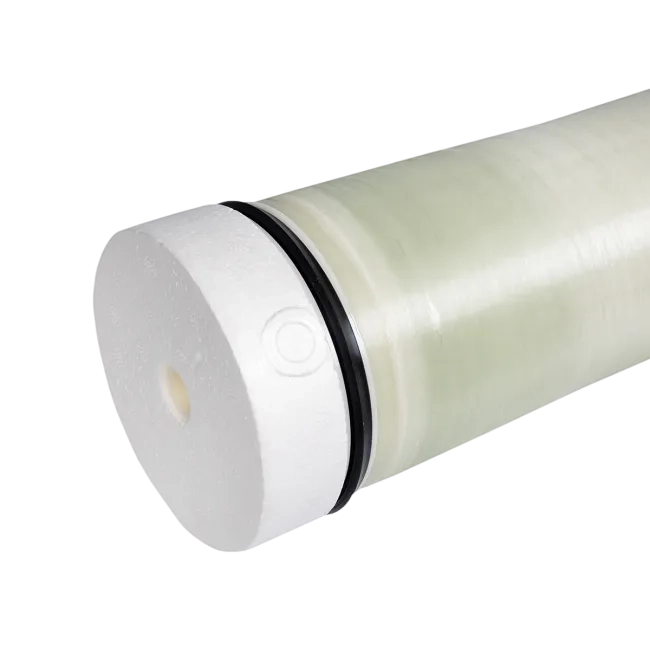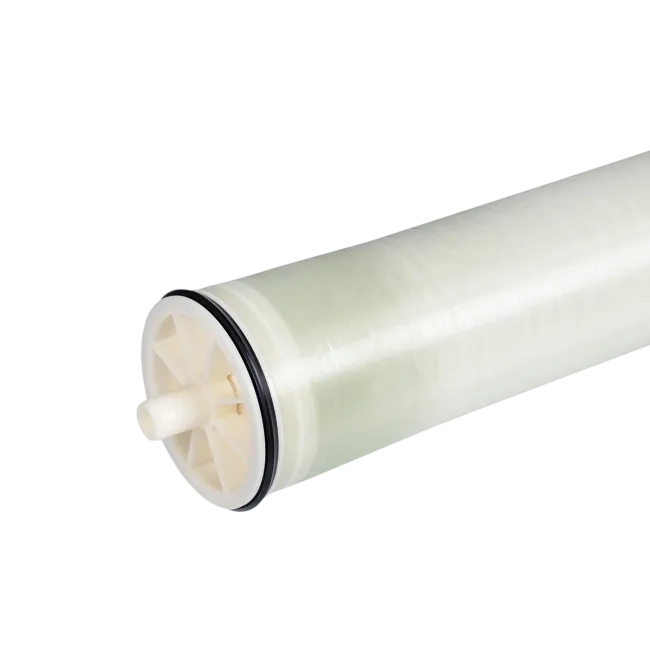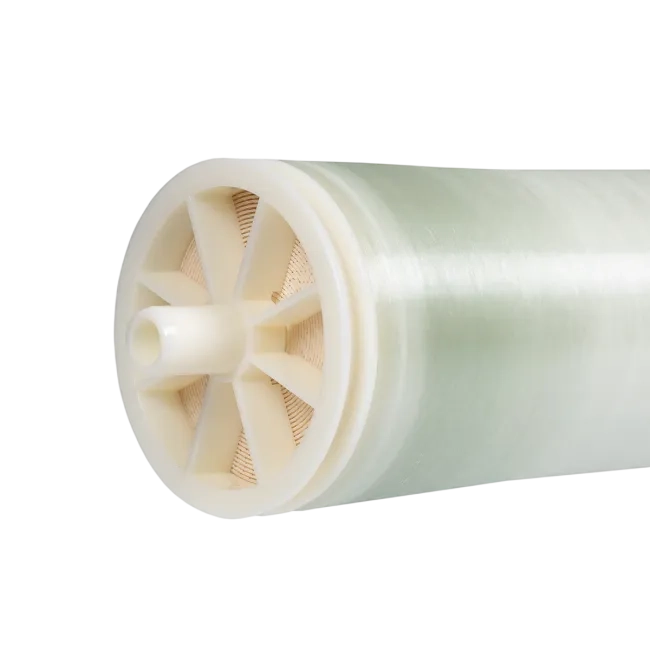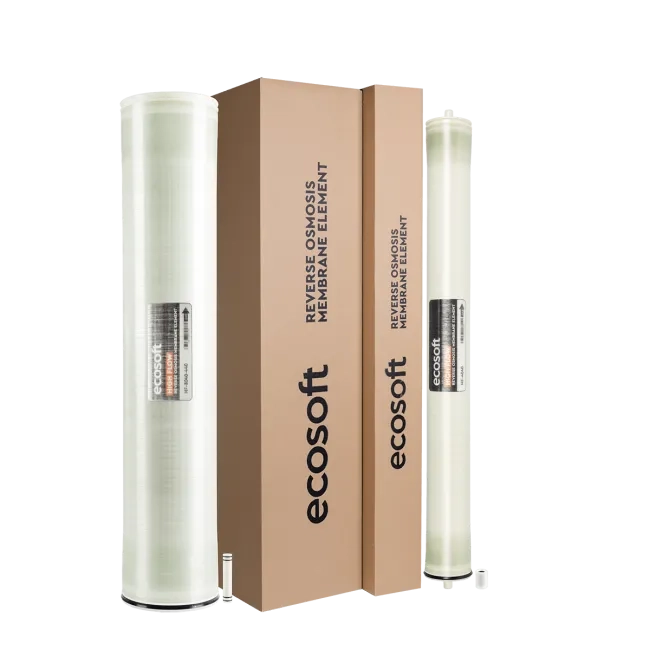


High flow reverse osmosis membrane element Ecosoft HF-4040

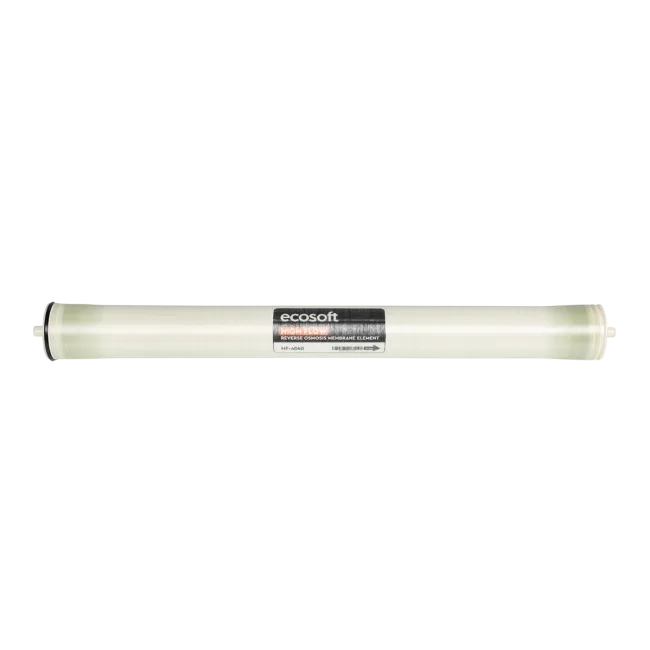
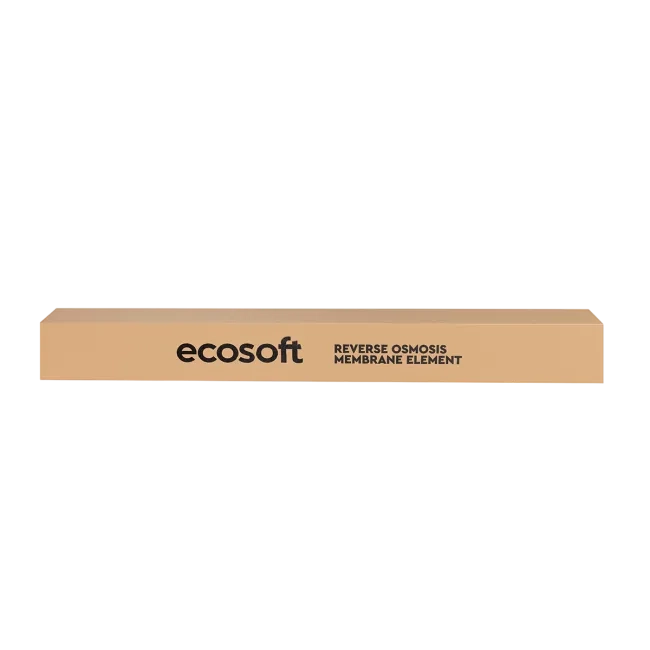
High flow reverse osmosis membrane element Ecosoft HF-4040
- Permeate flow rate up to 10.2 m³/day
- High permeate flow at extra-low operating pressure
- Efficient performance with reduced operating costs
- Recommended for feed water TDS up to 1500 mg/L
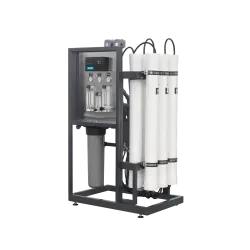
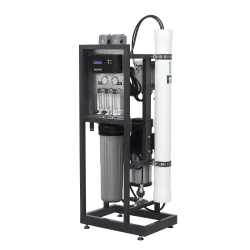
- Designed for commercial reverse osmosis systems
- Suitable for drinking water, food industry, farms, and greenhouses


Product information
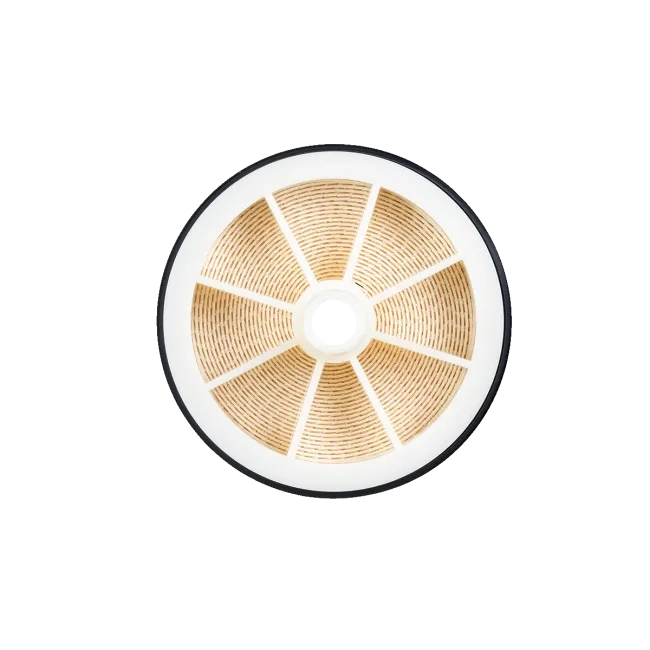
High flow reverse osmosis membrane element Ecosoft HF-4040 is designed for 4″ commercial reverse osmosis systems that require high permeate flow with efficient operation at extra-low pressure. It delivers permeate flow up to 10.2 m³/day and supports efficient system performance with reduced operating costs. The membrane is recommended for feed water with TDS up to 1500 mg/L*.
Ecosoft HF membranes are manufactured using technology that supports long-term and reliable system operation. This membrane is suited for commercial applications including water purification in private homes, drinking water production, beverages, breweries, livestock and poultry farms, aquaculture, greenhouses, mist humidification systems, laundries, and the food industry.
* For Ecosoft RO systems operating at 75% recovery and feed water temperature of 12°C, feed water TDS of 1500 mg/L typically corresponds to permeate TDS of approximately 100 mg/L.



Technical information
* Permeate flow for a single element may vary by ±15% from the stated value.
** Permeate flow and salt rejection are based on standard test conditions: 500 mg/L NaCl, 25°C, 15% permeate yield, and 6.9 bar applied pressure.
Product specifications may be subject to minor changes due to product improvements.
Before start-up, make sure the membrane is properly prepared for operation. Check membrane pretreatment, membrane element installation, instrument calibration, and overall system condition.
Avoid major pressure surges and flow fluctuations inside the spiral-wound elements during start-up, shutdown, cleaning, and other service procedures, as they may damage the membrane.
During launch, it is recommended to gradually switch the system from standstill to operational mode by following these steps:
- Gradually increase feed water pressure during 30–60 seconds,
- Bring the system to operating flow gradually during 15–20 seconds,
- Permeate produced during the first hour of operation should be discharged.
Keep the membrane wet after initial wetting.
To prevent biofouling during extended shutdowns, store the membrane elements in a preservative solution. The pressure drop across the full length of the housing must not exceed 3.4 bar.
FAQ
-
What are the applications of this membrane?
This membrane is suited for commercial applications including water purification in private homes, drinking water production, beverages, breweries, livestock and poultry farms, aquaculture, greenhouses, mist humidification systems, laundries, and the food industry.
-
When should you choose the high flow (HF) membrane?
The HF membrane is a good choice when the priority is maximum energy savings or operation with low-power pumps capable of delivering only 6–7 bar. It is suitable for purification of relatively clean tap water with low salt content, where extremely high salt rejection is not required. At the same time, it should be used with high-quality pretreatment to protect the membrane from rapid fouling.
-
What is the nominal flow rate of one Ecosoft HF-4040 element?
The nominal permeate flow rate of one Ecosoft HF-4040 element is 10.2 m³/day, or approximately 2400 GPD.
-
What kind of water is the Ecosoft HF-4040 membrane designed for?
Ecosoft HF-4040 membranes are designed for purification of low-mineralized feed water, such as tap or well water, with TDS up to 1500 mg/L. In Ecosoft RO systems operating at 75% recovery and feed water temperature of 12°C, feed water TDS of 1500 mg/L typically corresponds to permeate TDS of approximately 100 mg/L.
-
What is the operating pH range of this membrane?
The operating pH range is 3–10 in operational mode and 2–12 in chemical cleaning mode. This allows effective chemical cleaning under controlled conditions.
-
What is the maximum feed water temperature?
The maximum operating water temperature is 45°C. Standard performance calculations are based on test conditions at 25°C.
-
Is Ecosoft HF-4040 suitable for highly mineralized water?
No, Ecosoft HF-4040 is best suited for low-mineralized feed water such as tap or well water, with TDS up to 1500 mg/L. For water with higher salinity, a membrane with higher salt rejection is generally a better choice.
-
What is the stabilized salt rejection of this membrane?
Ecosoft HF-4040 membranes offer stabilized salt rejection up to 98.0%, which is slightly lower than the high rejection series, but sufficient for most commercial applications.
-
Can this membrane be used if the feed water contains high iron levels?
It is not recommended to use reverse osmosis without proper pretreatment. Reverse osmosis membranes are highly sensitive to iron, even more than to hardness salts. If iron content exceeds 0.1 mg/L, it can oxidize on the membrane surface and form a layer that is difficult to remove by standard chemical cleaning. If the feed water has a high iron content, pretreatment with iron removal or Ecomix systems is recommended.
-
What flushing flow rate is recommended for this membrane?
A flushing flow rate of around 30–40 liters per minute at low pressure up to 2 bar is usually recommended to remove accumulated contaminants without forcing them deeper into the membrane structure.
-
What happens if the system experiences backpressure from the permeate side?
If pressure in the permeate line exceeds pressure in the feed line even by 0.3–0.5 bar, the membrane selective layer may separate from the substrate. In such cases, the membrane usually has to be replaced.
-
How does hydrogen sulfide in feed water affect the membrane?
In the presence of even trace amounts of oxidants or certain bacteria, hydrogen sulfide can be converted into elemental sulfur, which deposits inside the membrane as a sticky coating that is extremely difficult to remove.
-
Why does permeate have high electrical conductivity after initial start-up?
This is normal during the first 15 minutes of operation. A new membrane contains a preservative solution that must be flushed out, and the membrane needs time to reach stable operating conditions. The first portion of permeate after start-up should always be discharged.
-
How do high manganese levels affect membrane performance?
Like iron, manganese can oxidize and form a black deposit on the membrane surface. The problem is that manganese oxide acts as a catalyst, increasing the oxidizing effect of even trace amounts of chlorine and accelerating damage to the polyamide layer. The manganese level should be below 0.05 mg/L.
-
Can membranes be cleaned with regular tap water?
For full CIP cleaning, only permeate or highly demineralized water should be used. Salts from tap water can react with cleaning chemicals and precipitate inside the membrane structure.
-
What is the difference between Ecosoft HR-4040 and Ecosoft HF-4040 membranes?
Ecosoft HR-4040 membranes offer higher salt rejection than HF-4040 membranes and can remove nitrates and silicates from water more efficiently. Ecosoft HF-4040 membranes have lower salt rejection, but provide higher permeate flow at extra-low operating pressure and are recommended for feed water with TDS up to 1500 mg/L.
Related products