


What is hydrogen sulfide in water?
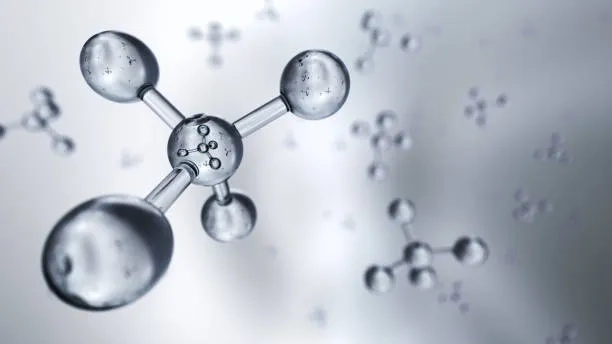
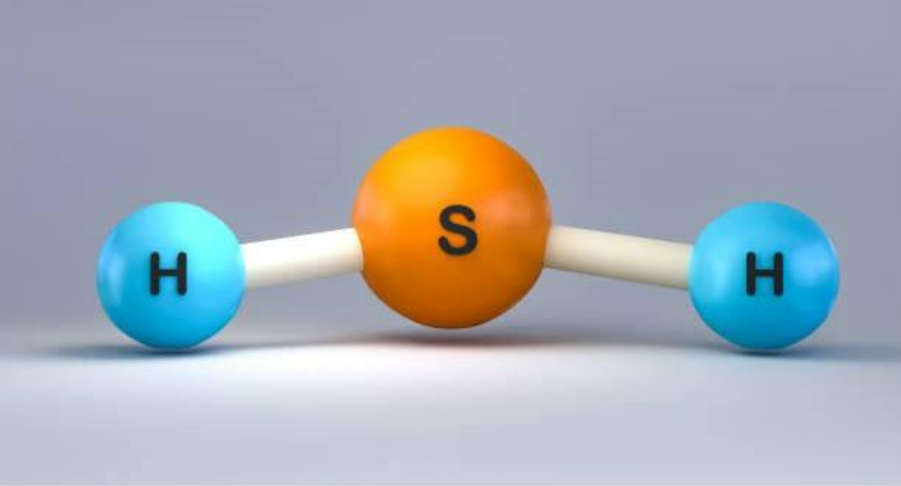
If your water smells like rotten eggs, you’re likely dealing with hydrogen sulfide (H₂S). It’s a gas that dissolves in water and occurs naturally, especially in groundwater with low oxygen levels. While trace amounts aren’t necessarily harmful, higher concentrations can affect your health, water taste, and even your plumbing system.
Where does hydrogen sulfide in water come from?
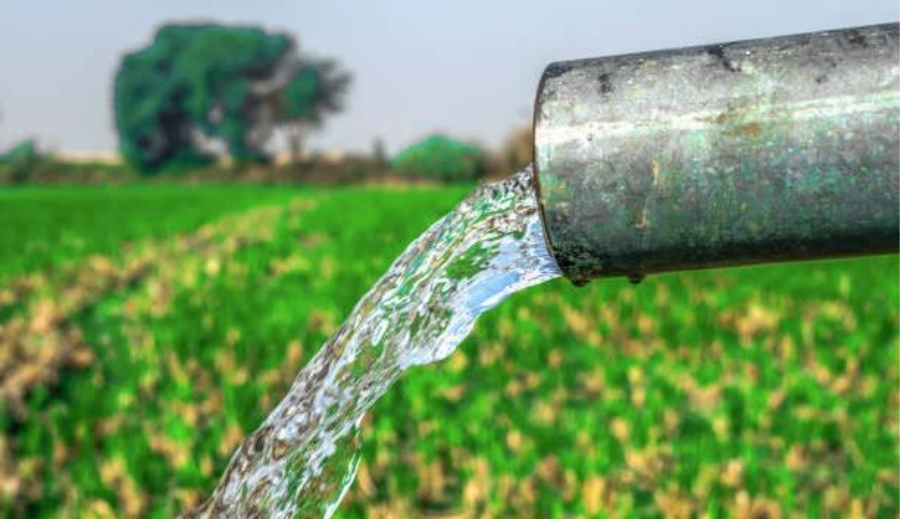
This gas doesn’t just appear out of nowhere. It usually forms underground, in deep wells where oxygen is scarce. Sulfate-reducing bacteria thrive in such environments, breaking down organic matter and releasing hydrogen sulfide as a by-product.
The other major contributor? The geology around your water source. If the water in your well flows through rocks rich in sulfur, there’s a good chance you’ll encounter H₂S. And in some cases, the problem starts at home - inside your water heater. Magnesium anode rods can react with naturally occurring bacteria and produce the same rotten-egg odour, but only when the hot water is running.
How to recognize hydrogen sulfide in water
Hydrogen sulfide leaves a distinct trail, even when it’s invisible. Besides the smell, you might notice:
- A sour, metallic or unpleasant taste in your drinking water
- Yellow or grey discoloration in bathtubs and sinks
- Black stains or slime on fixtures
- Signs of corrosion on plumbing and appliances
- Smell intensifying when hot water is used
Learn more about how to interpret these signs and what they say about your water quality in our blog post “What do the smell and taste of water indicate?”.
Hydrogen sulfide in water dangerous?
In low concentrations, hydrogen sulfide usually doesn’t pose serious health risks - but that doesn’t mean it’s safe to ignore. Breathing in vapours from contaminated water (especially during showers) can cause:
- Headaches and nausea
- Irritation of the eyes, nose, or throat
- Difficulty concentrating in extreme cases
Beyond health, the gas is highly corrosive. It accelerates damage to metal pipes, shortens the lifespan of appliances like dishwashers and washing machines, and can even make other filtration systems less effective. Over time, this leads to unnecessary repair costs - and the bad habit of constantly buying bottled water instead of fixing the root cause.
How to remove hydrogen sulfide from water
There’s no one-size-fits-all solution - but there are highly effective ones. The best method depends on your water source and how much hydrogen sulfide is present.
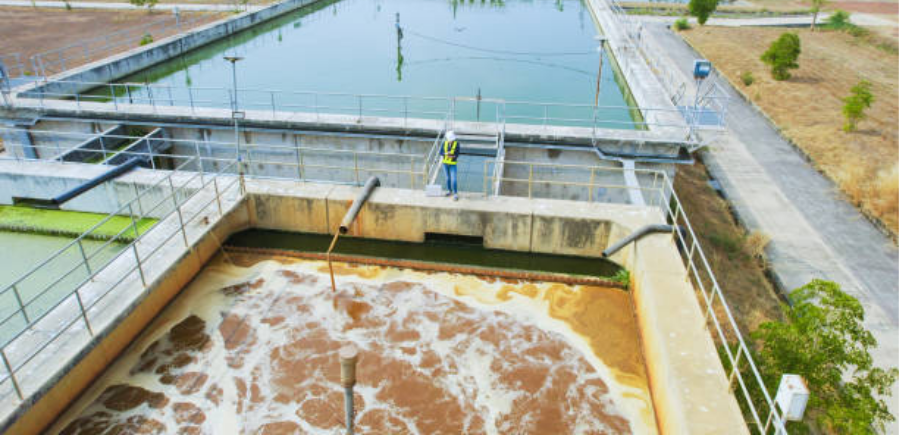
Aeration is a natural way to treat low levels. It involves exposing water to air, allowing the gas to escape. While effective, it usually requires follow-up filtration to remove residual particles and odours.
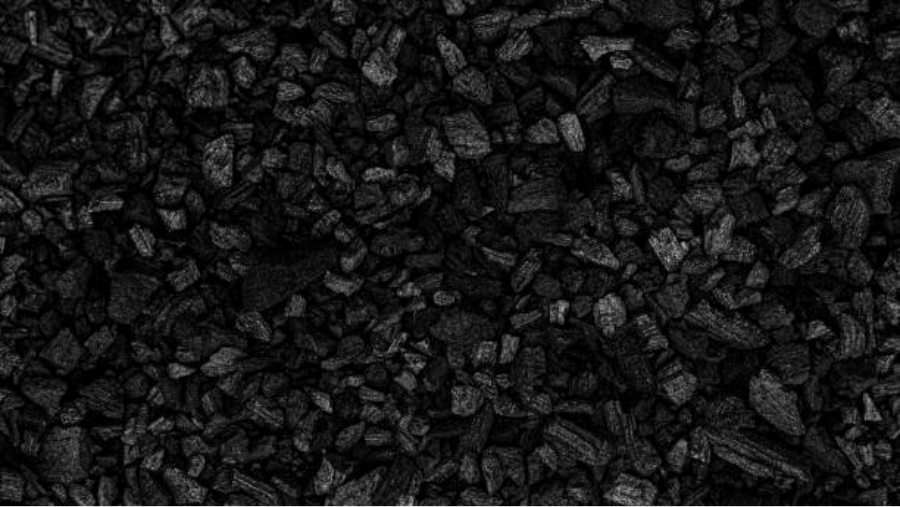
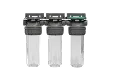
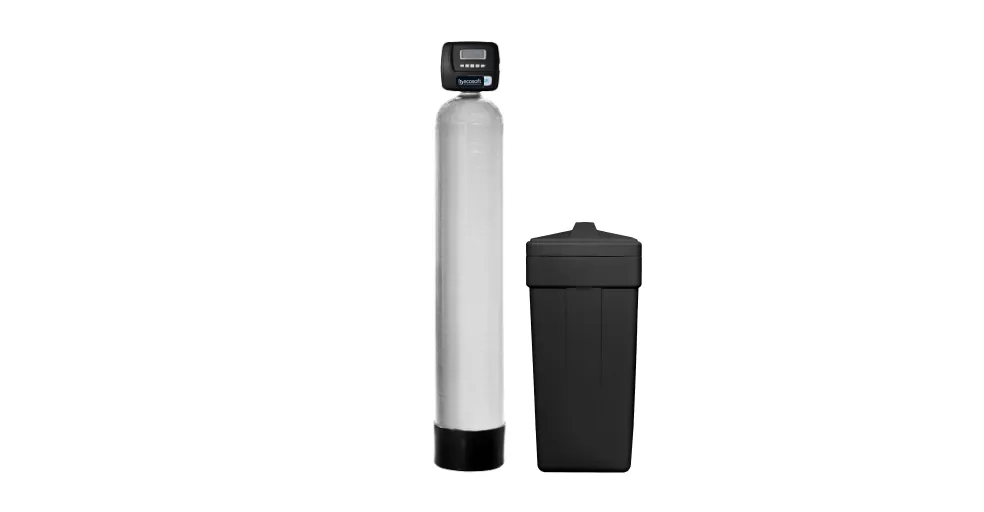
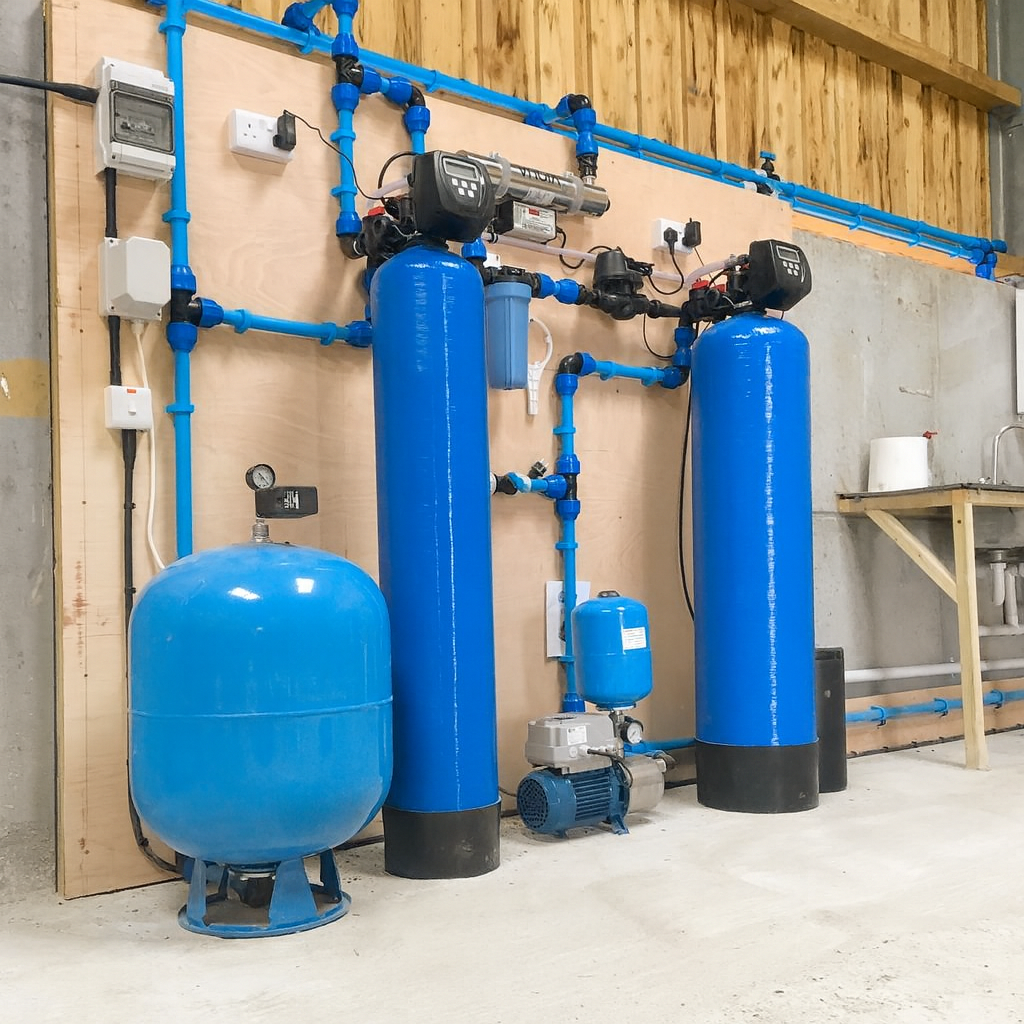
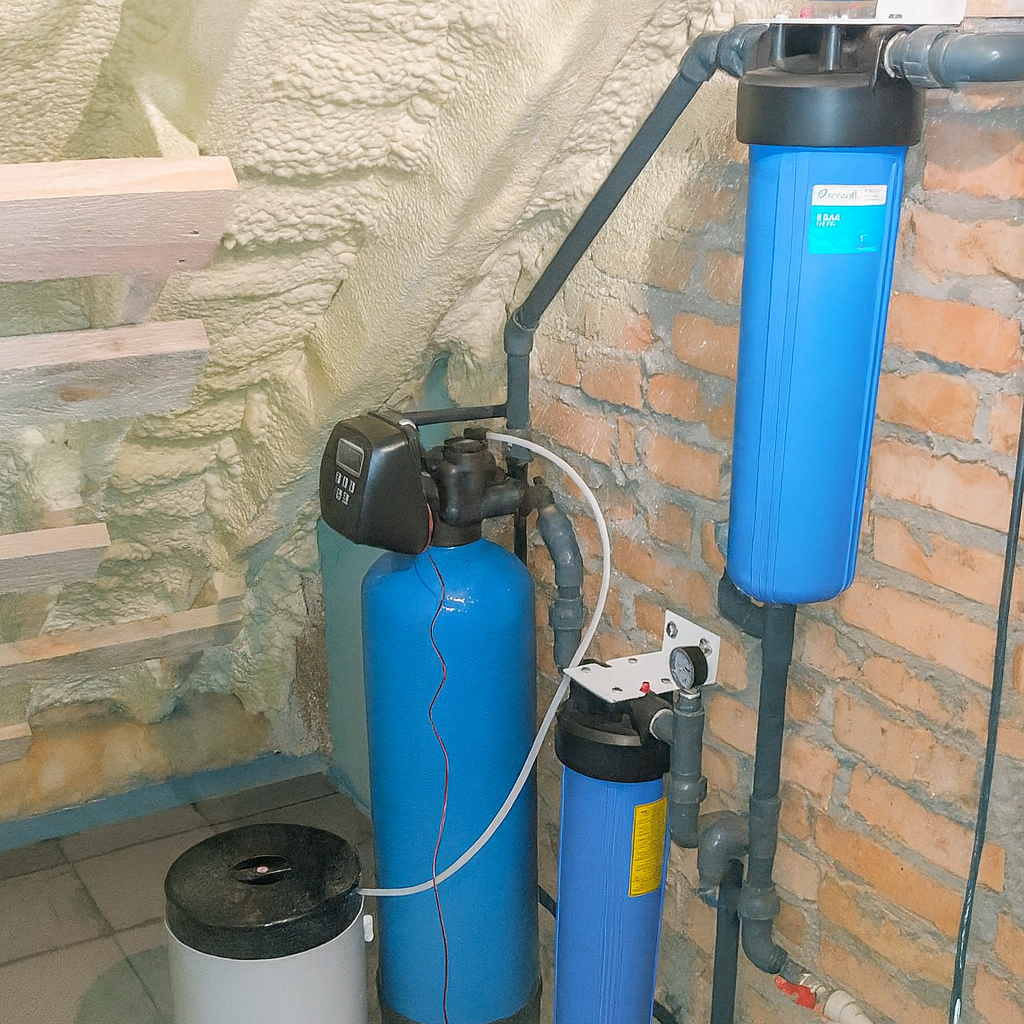
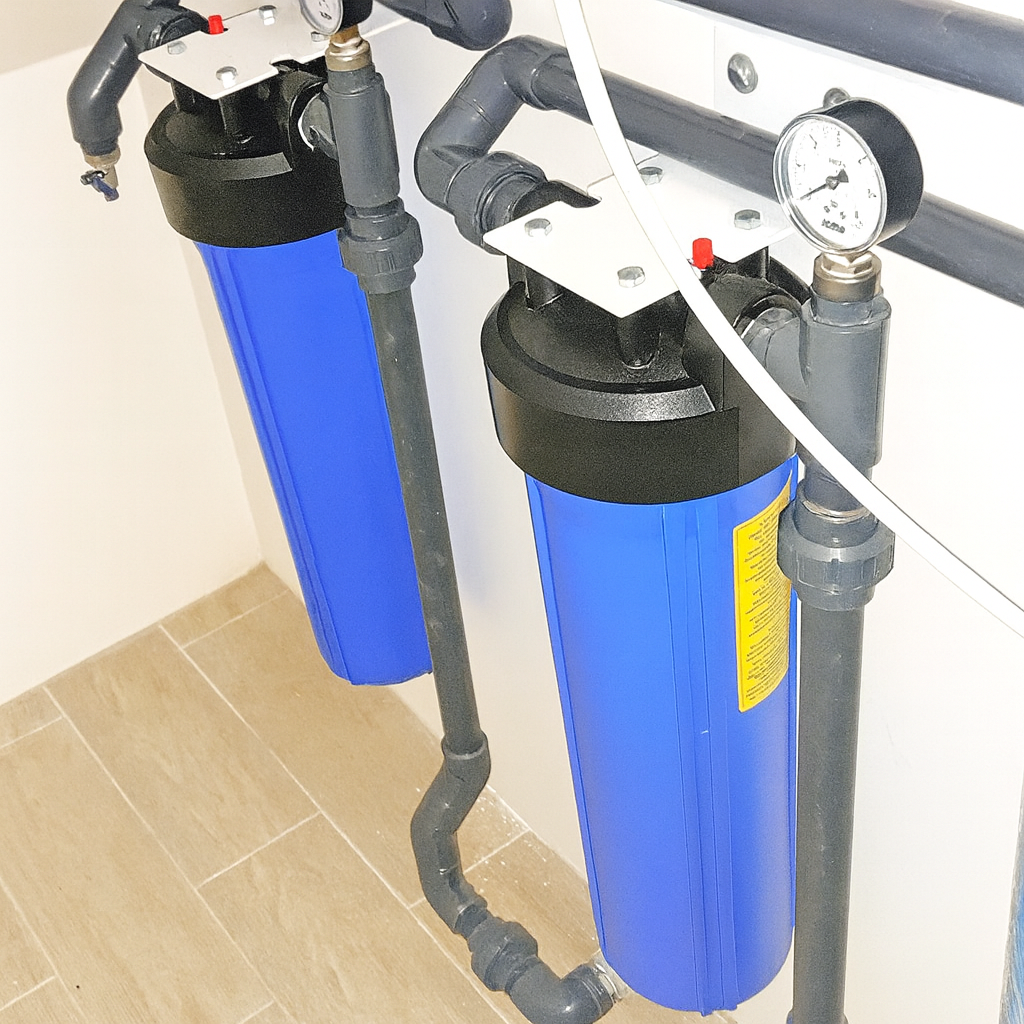
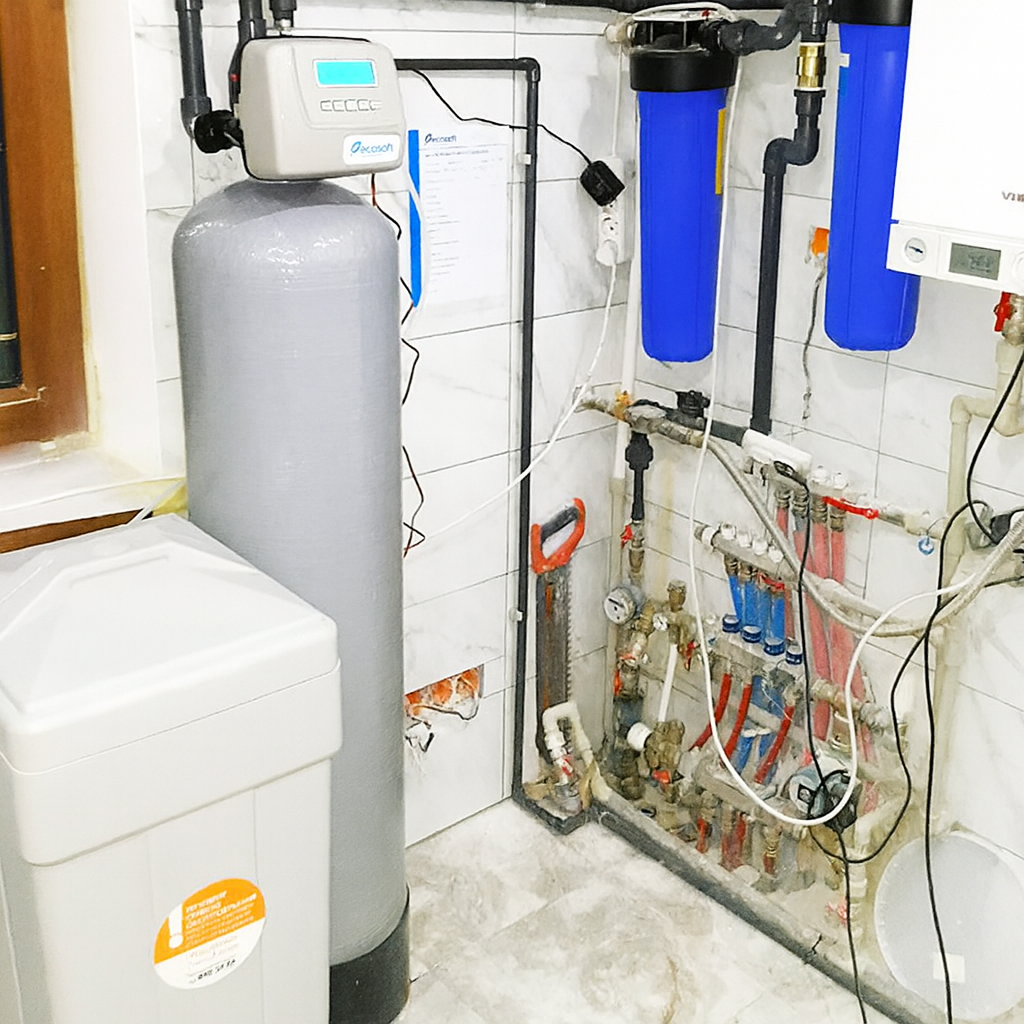
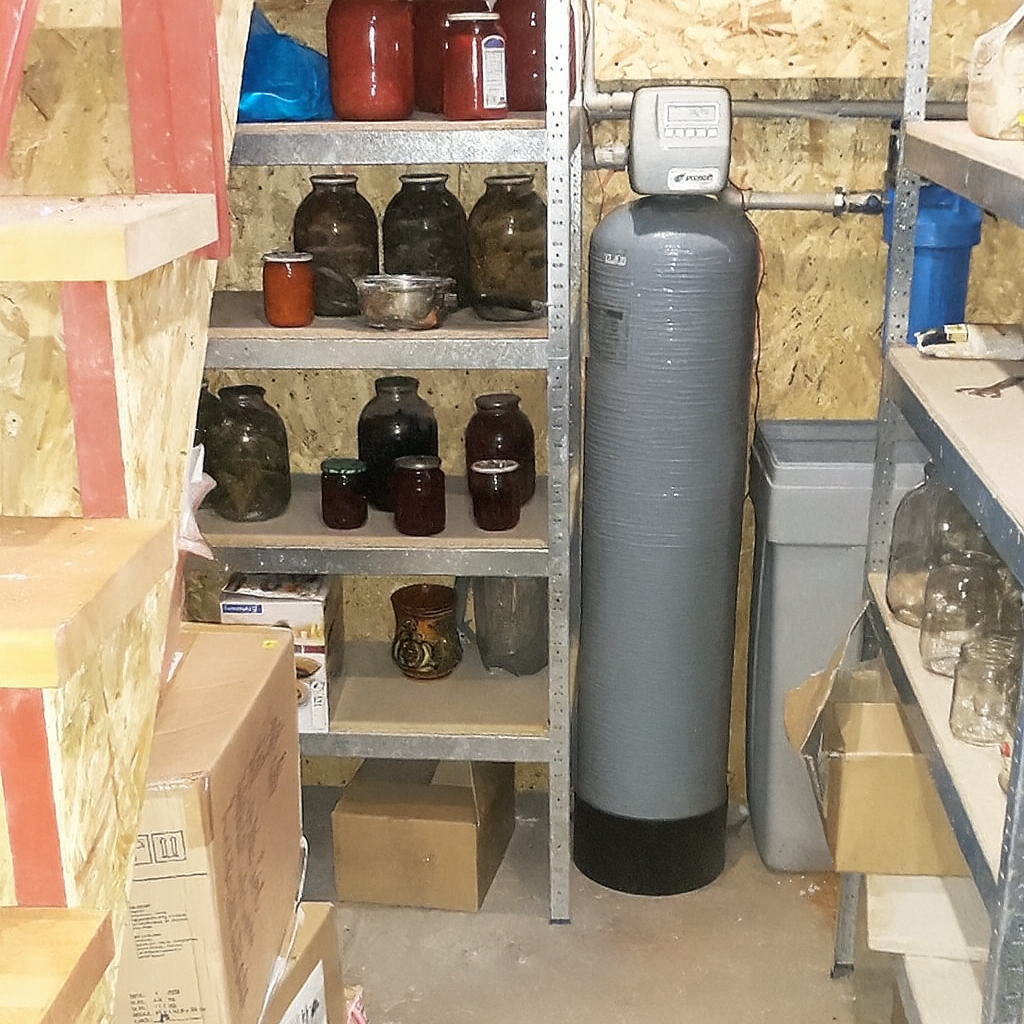
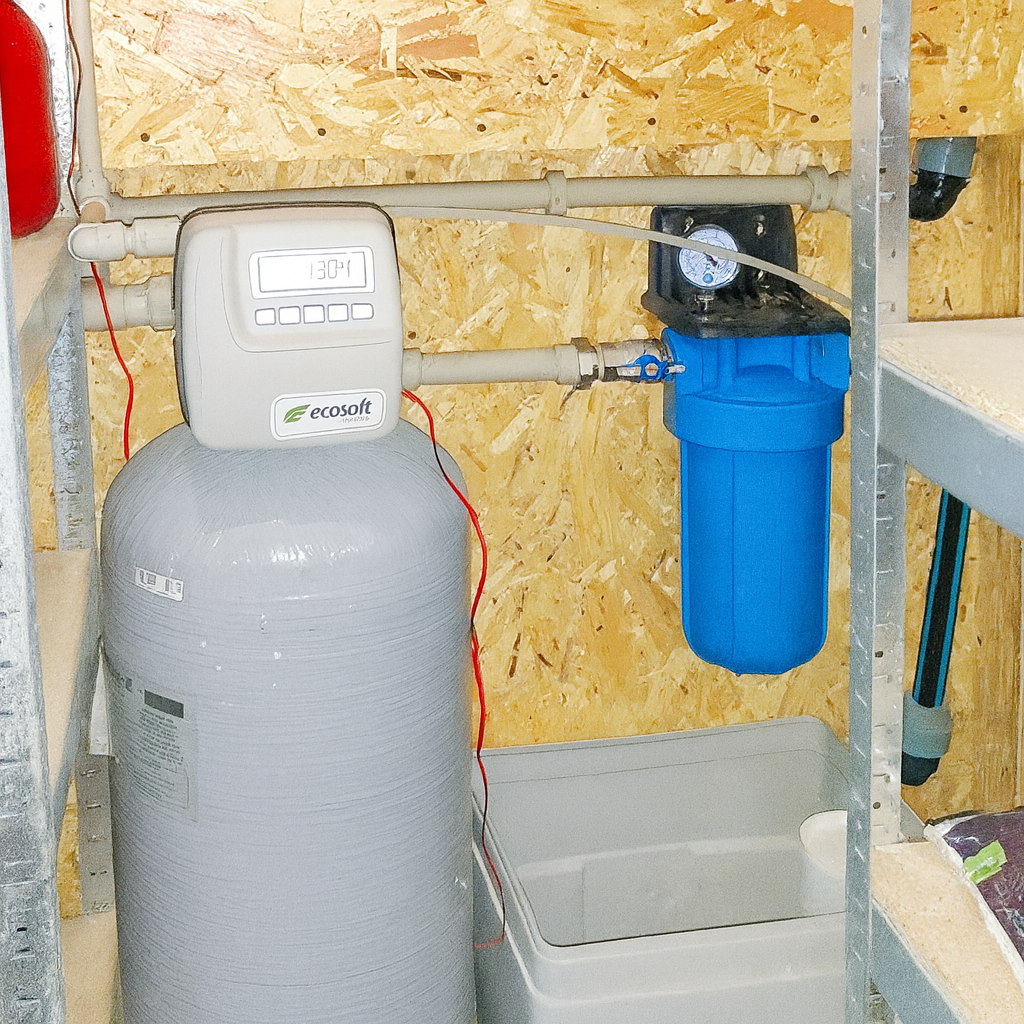
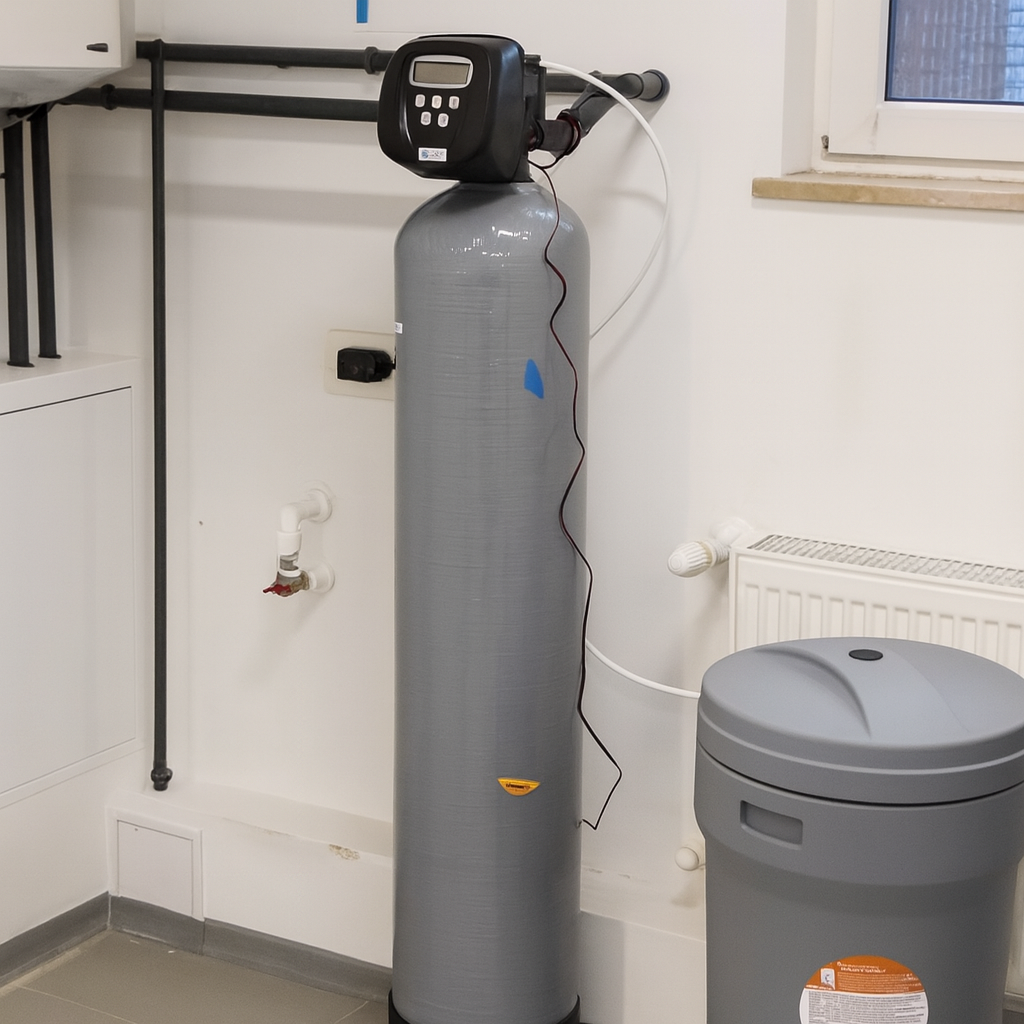
Catalytic filtration is ideal for moderate hydrogen sulfide levels. Filters with Centaur catalytic carbon or Filtrasorb® 300 chemically react with the gas, converting it into solid sulfur, which is then filtered out. These systems are compact, efficient, and widely used in residential settings.
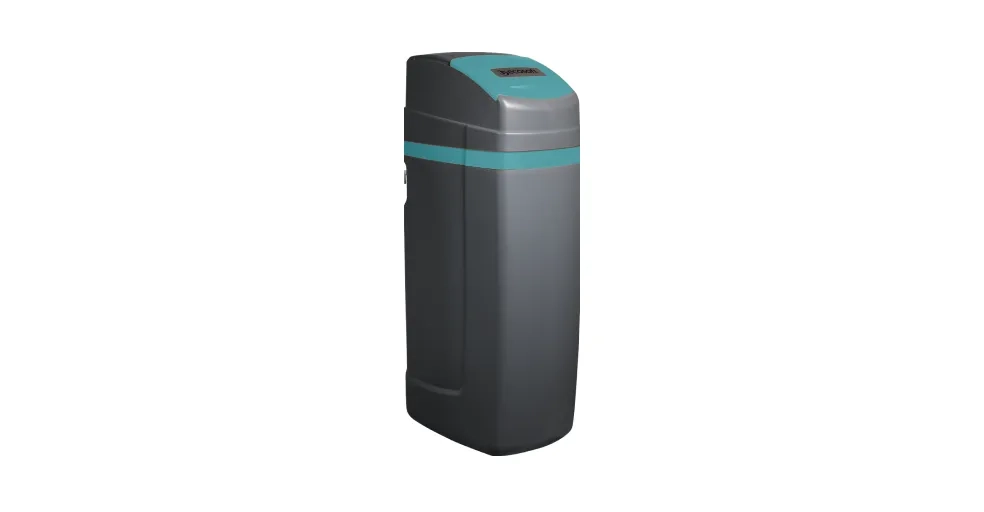
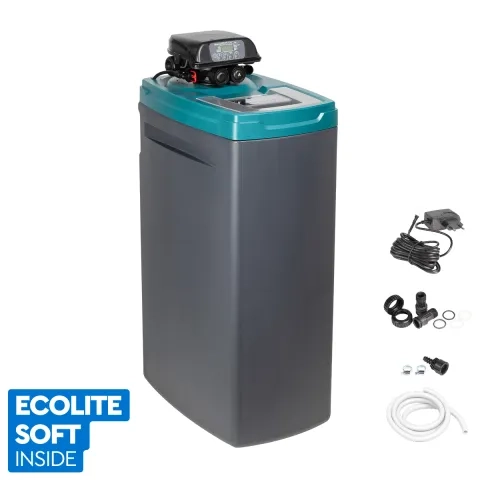
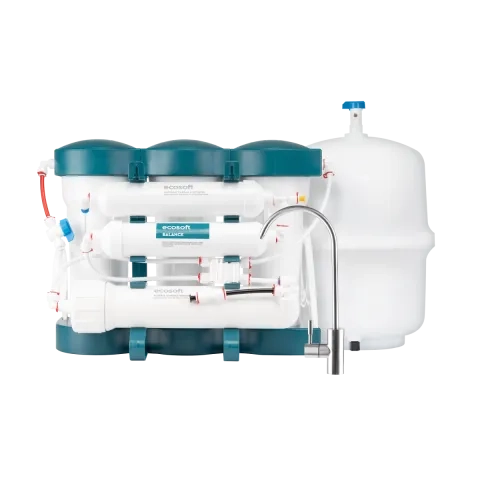
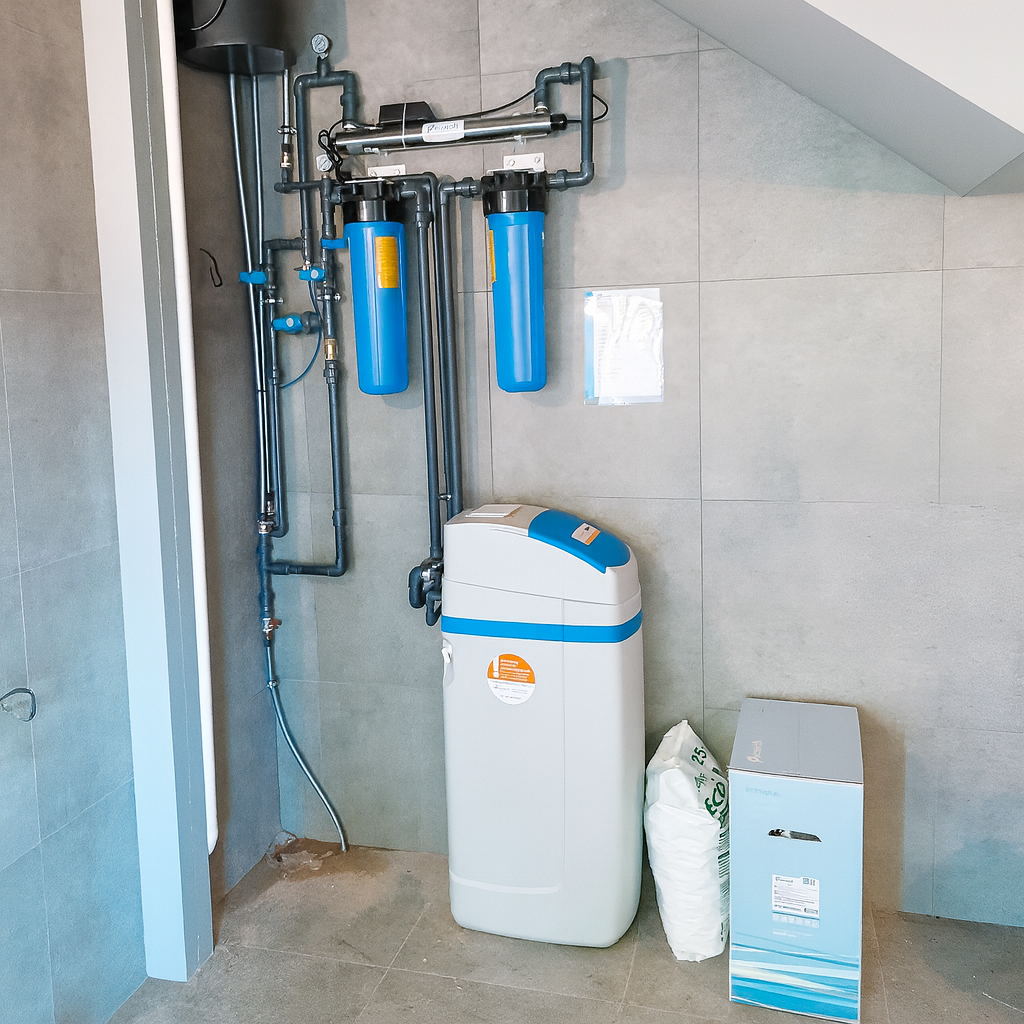
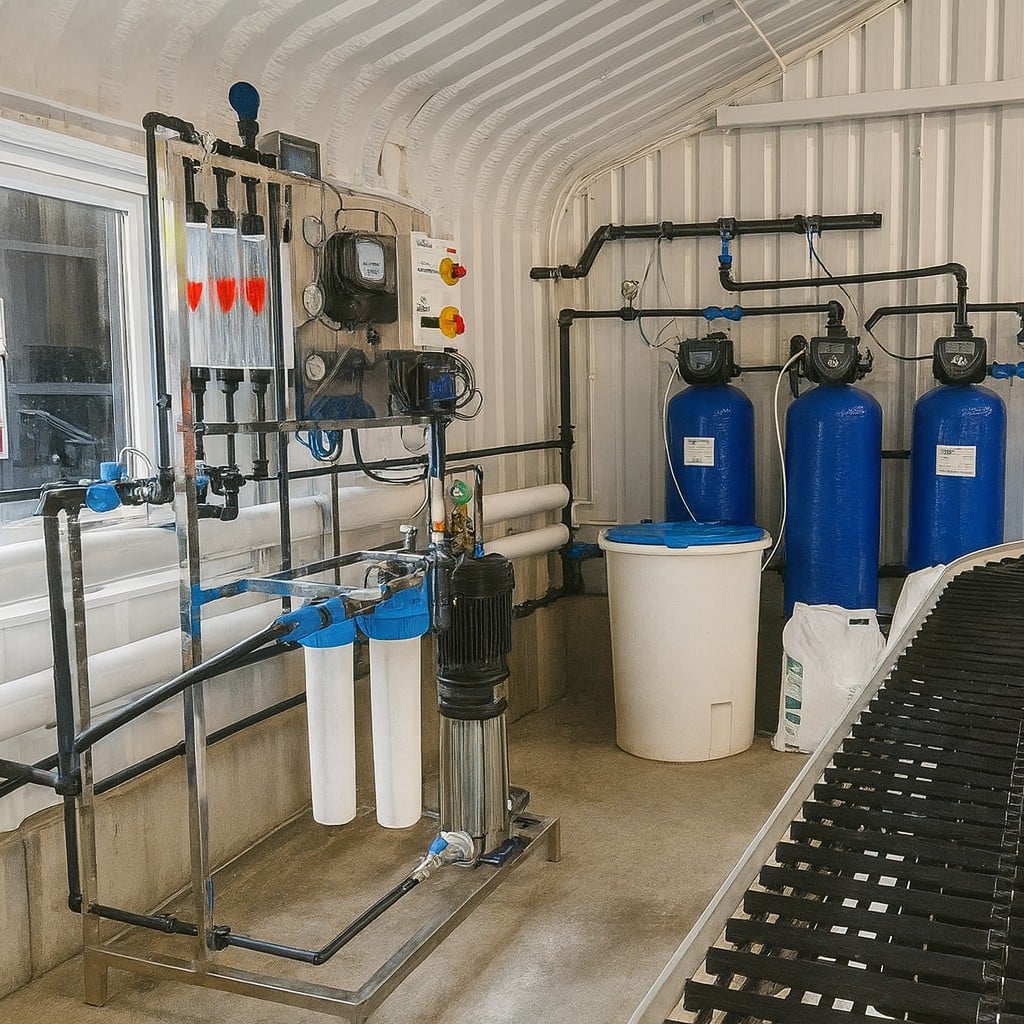
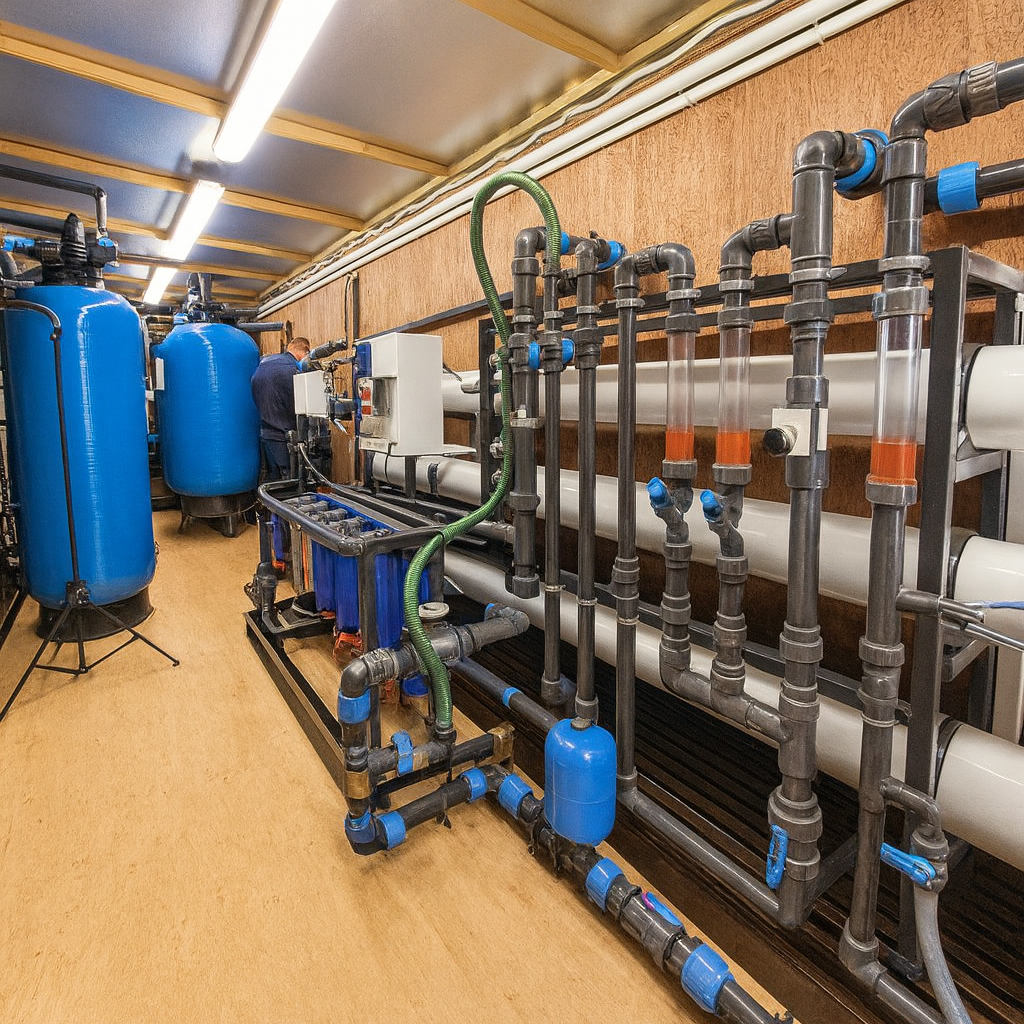
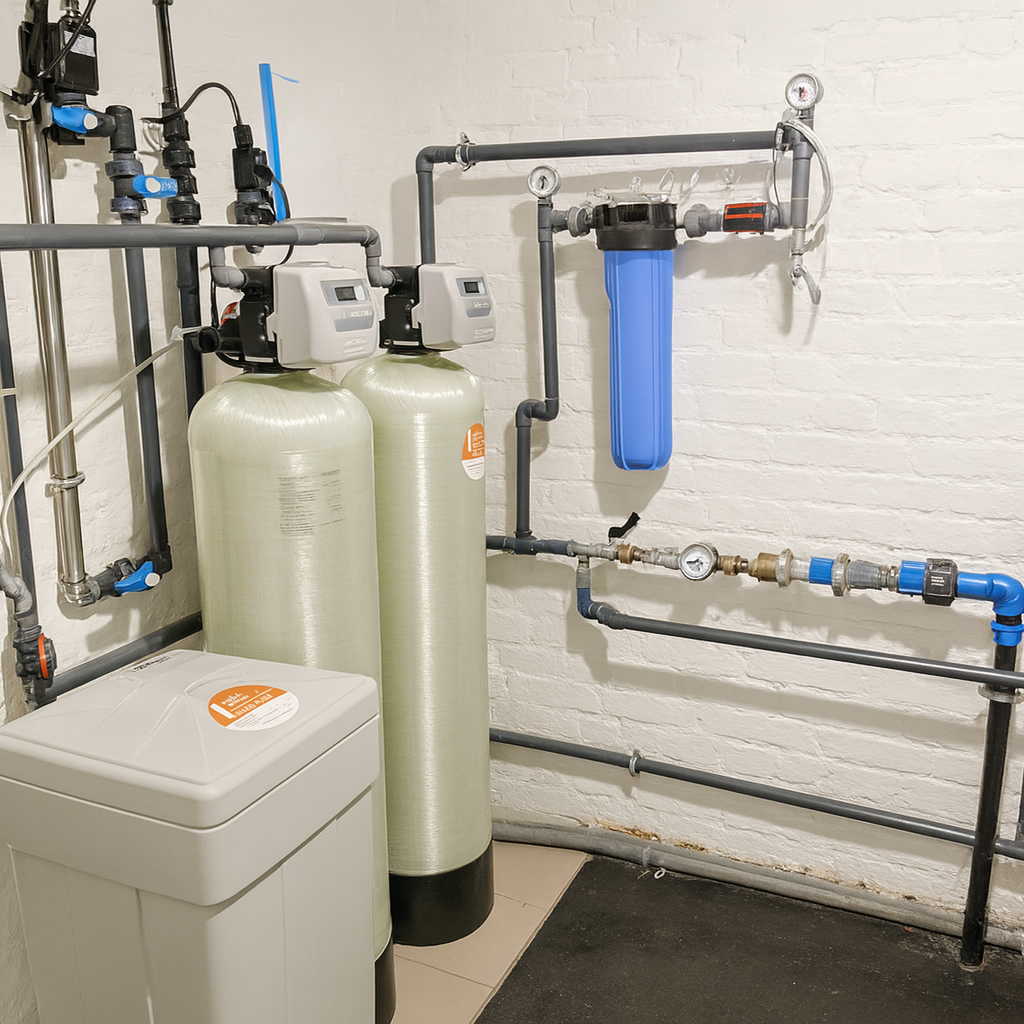
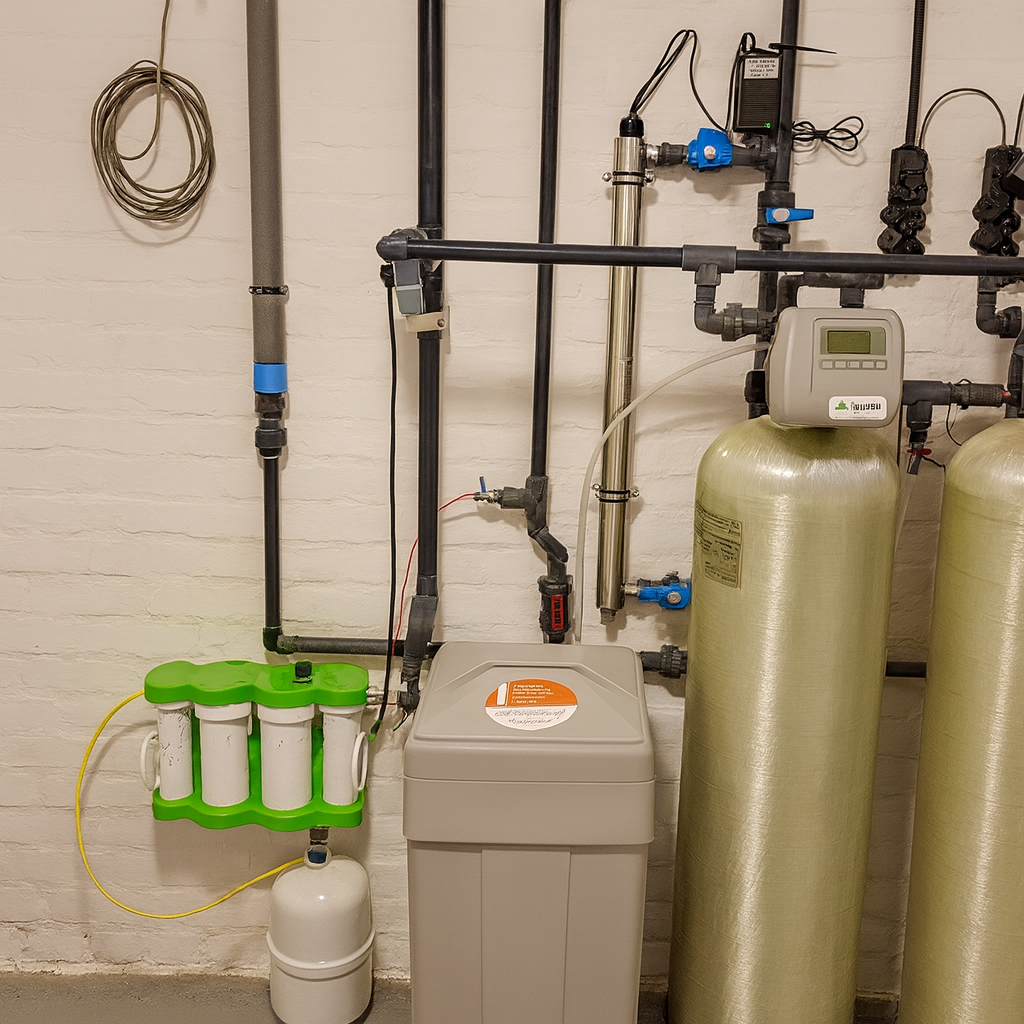
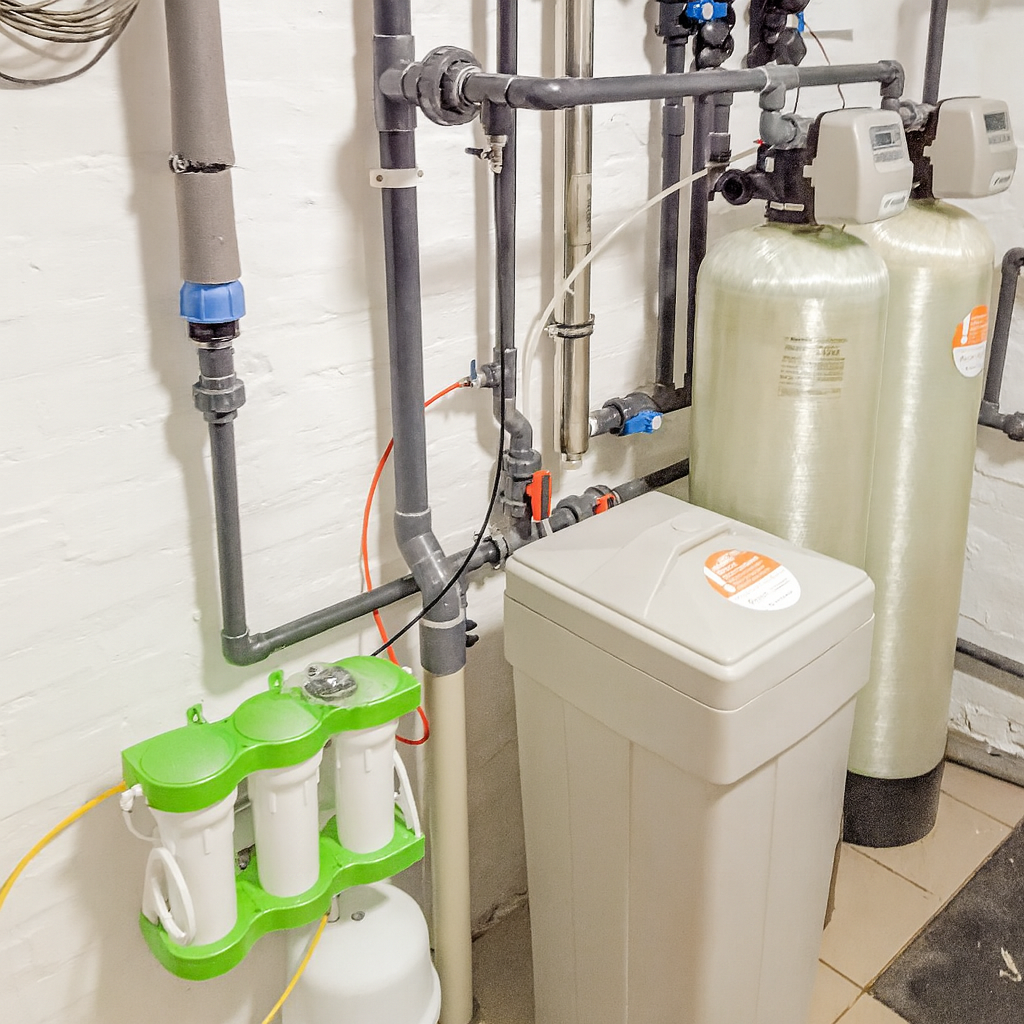
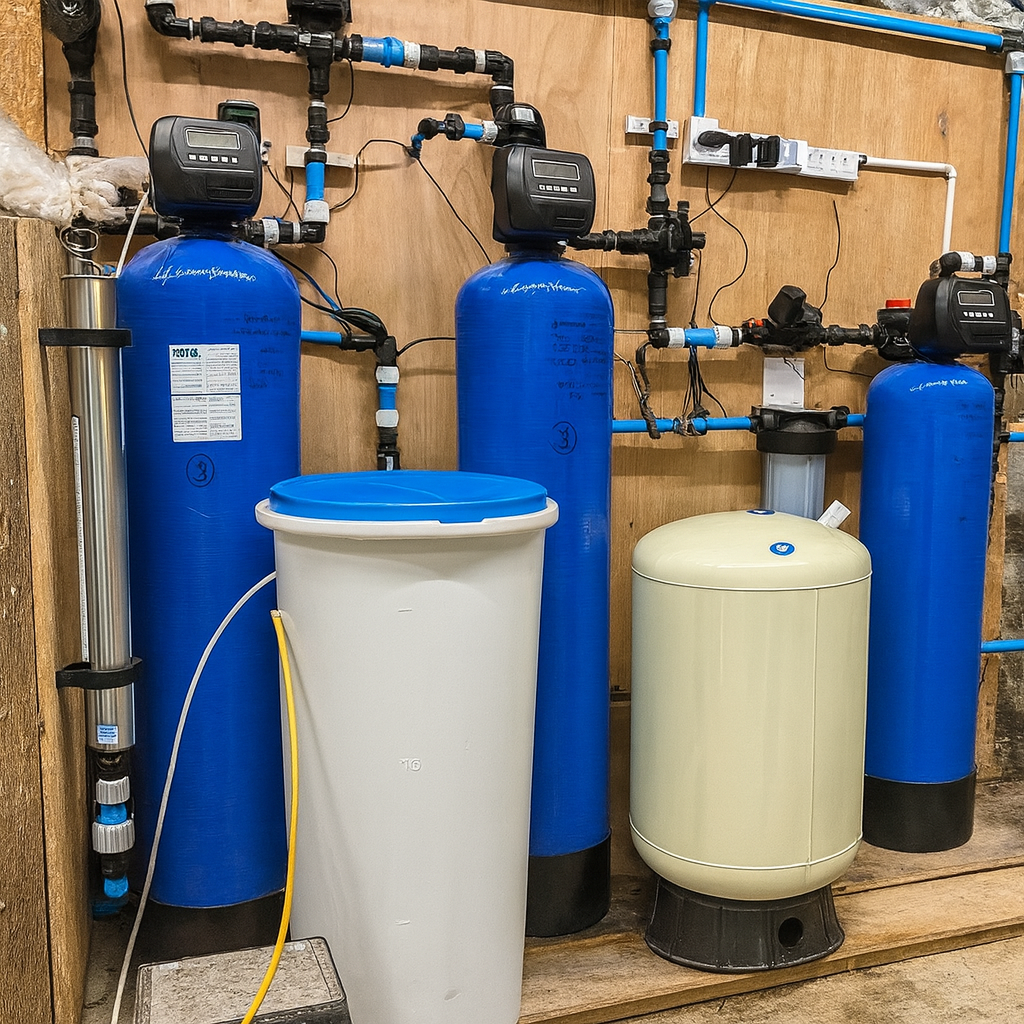
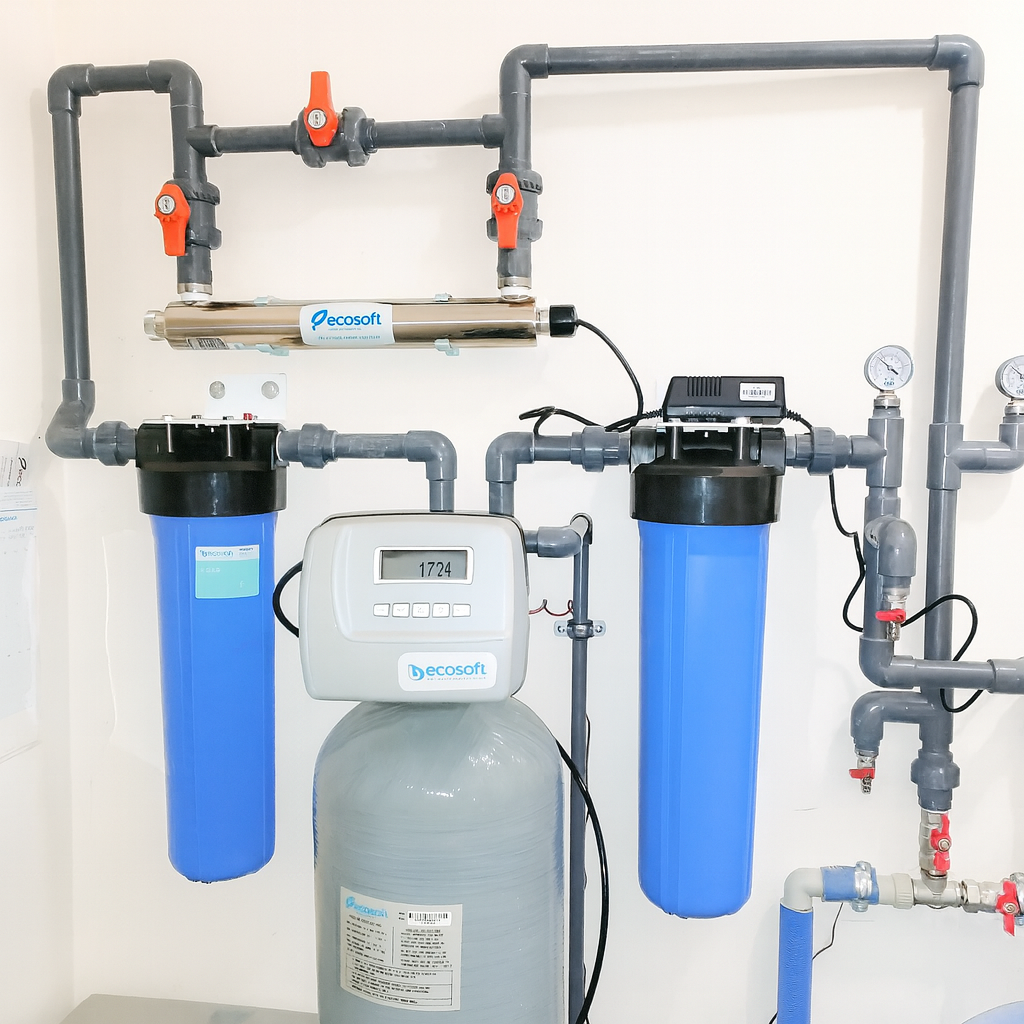
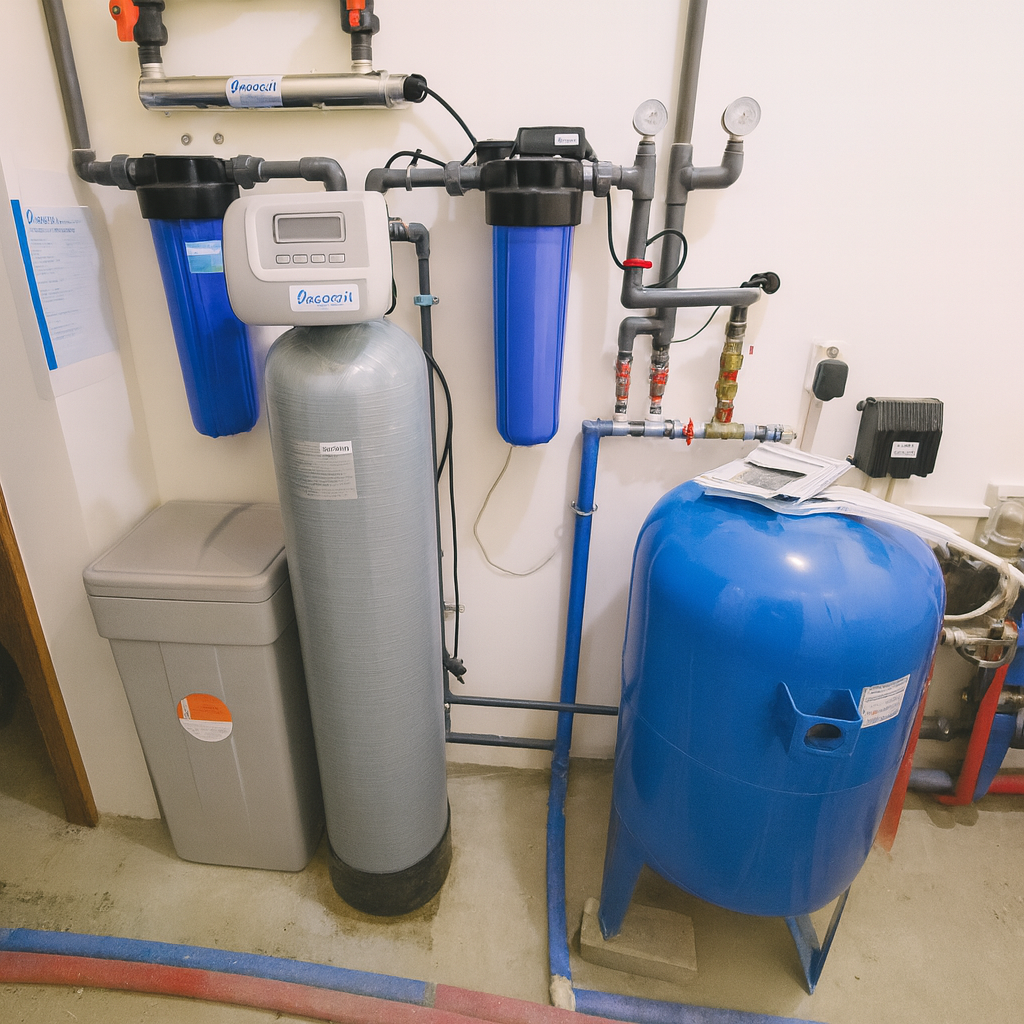
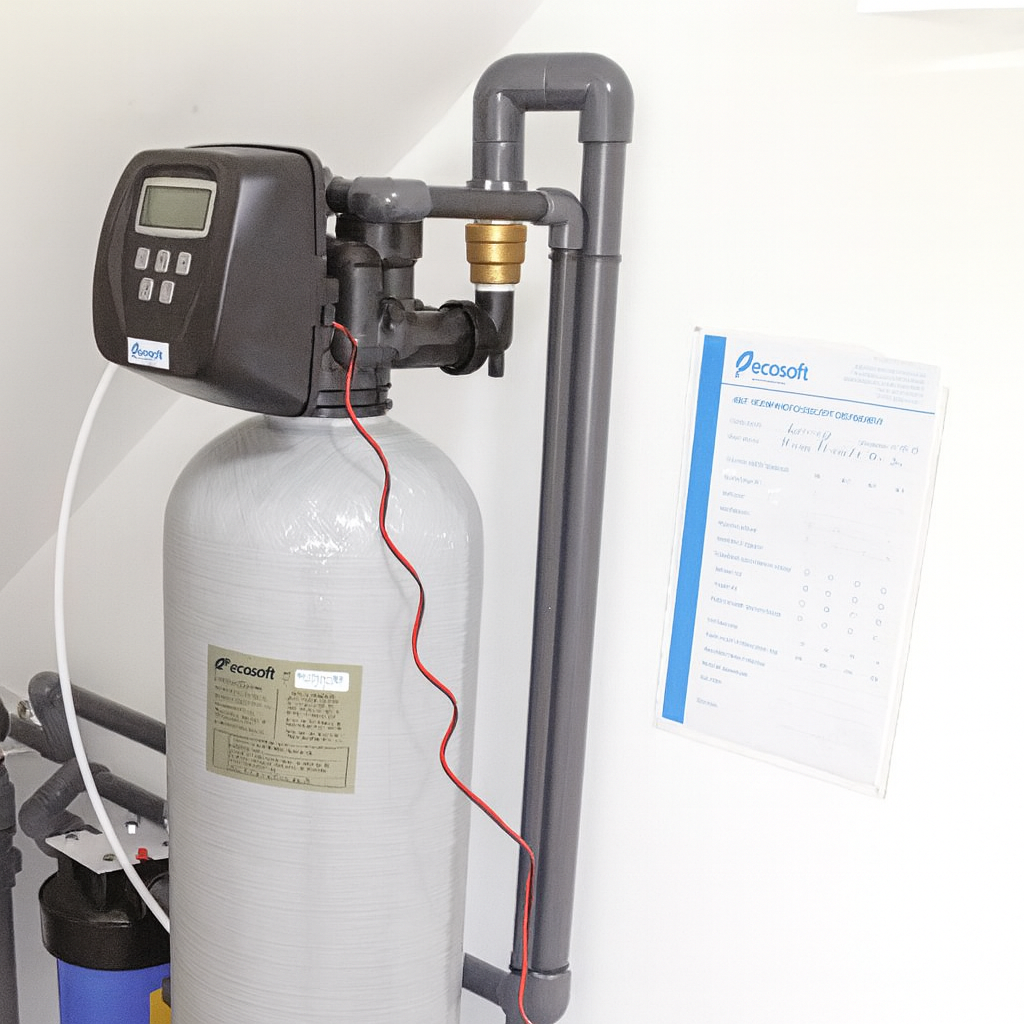
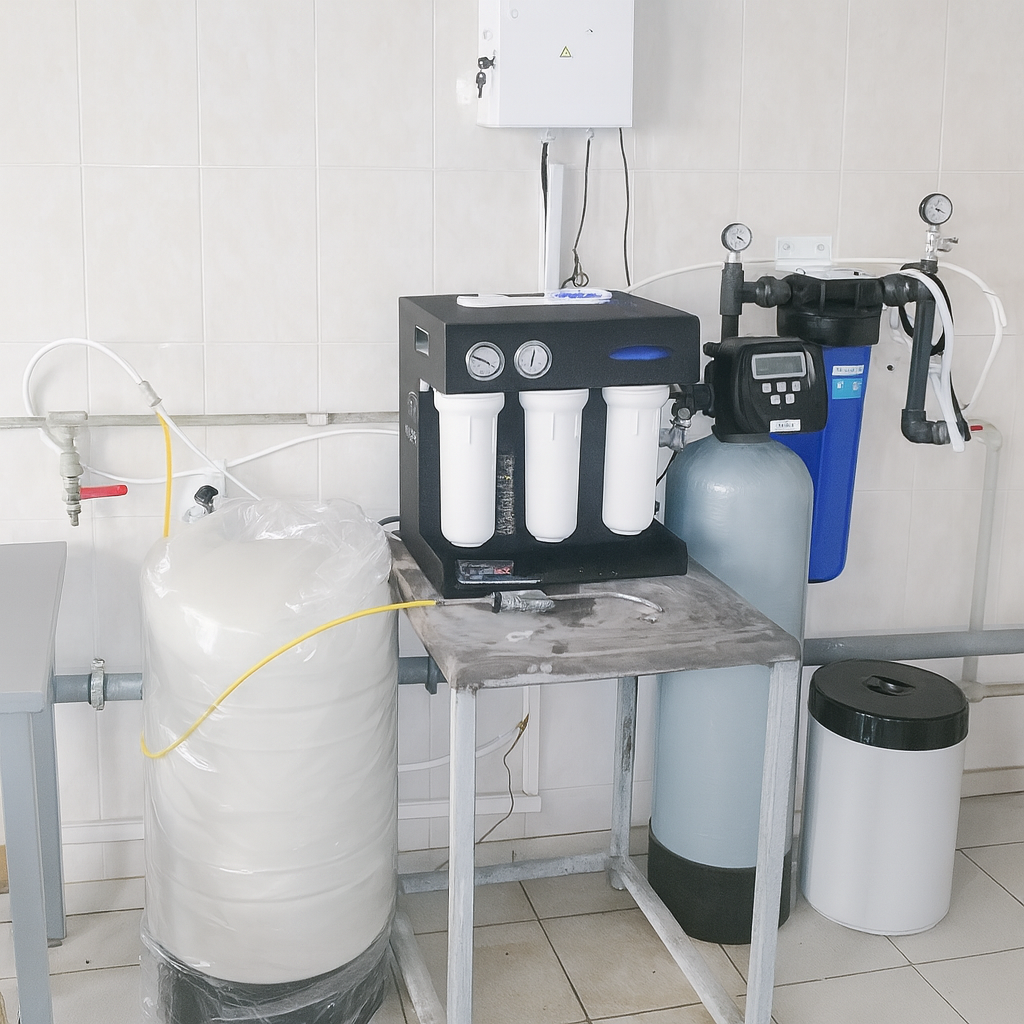
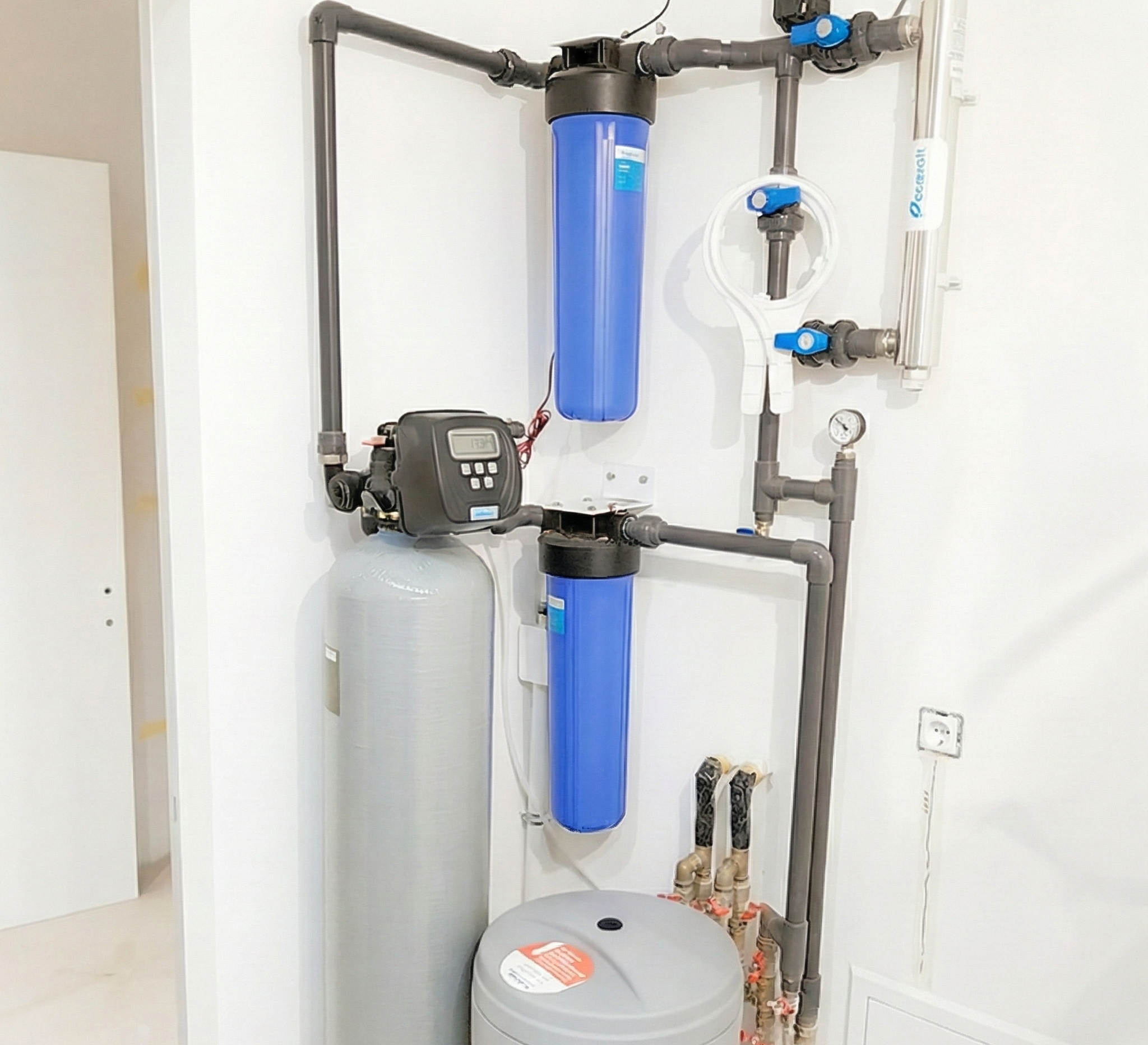
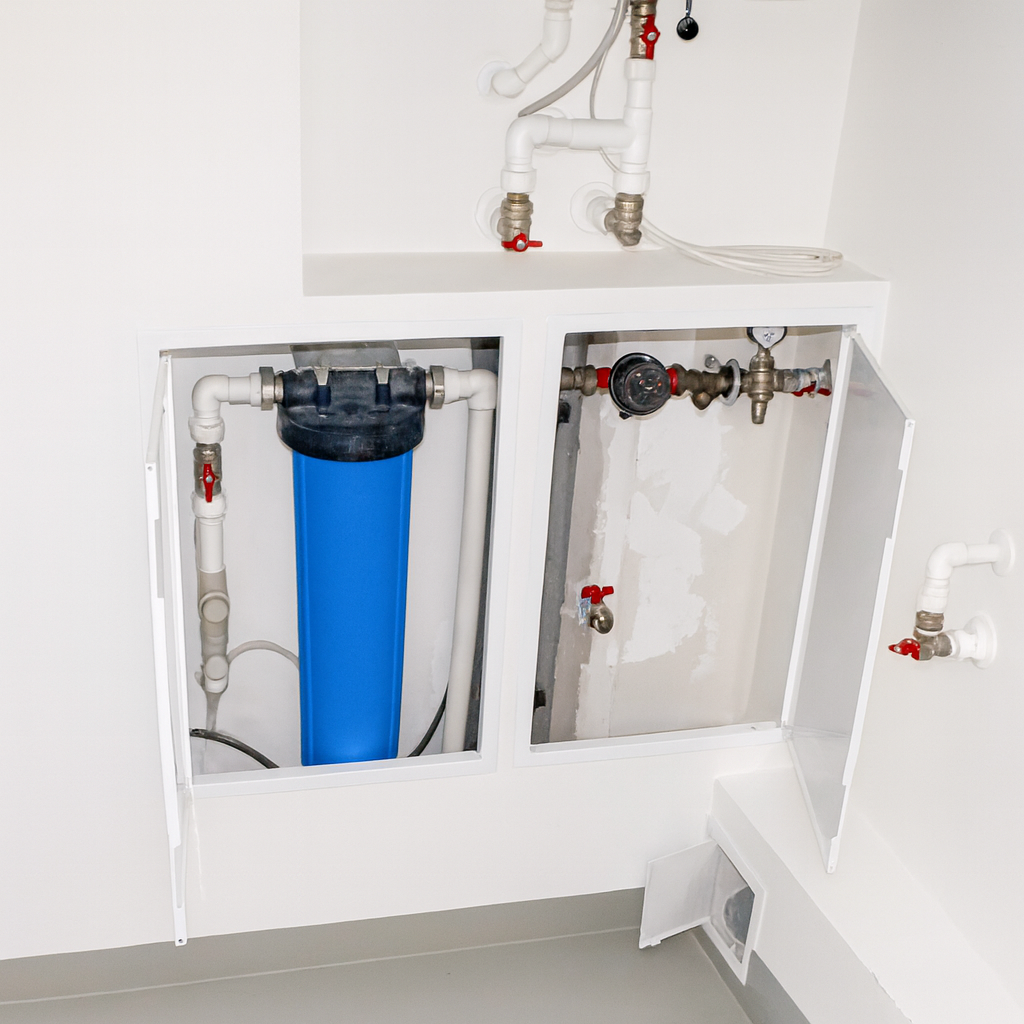
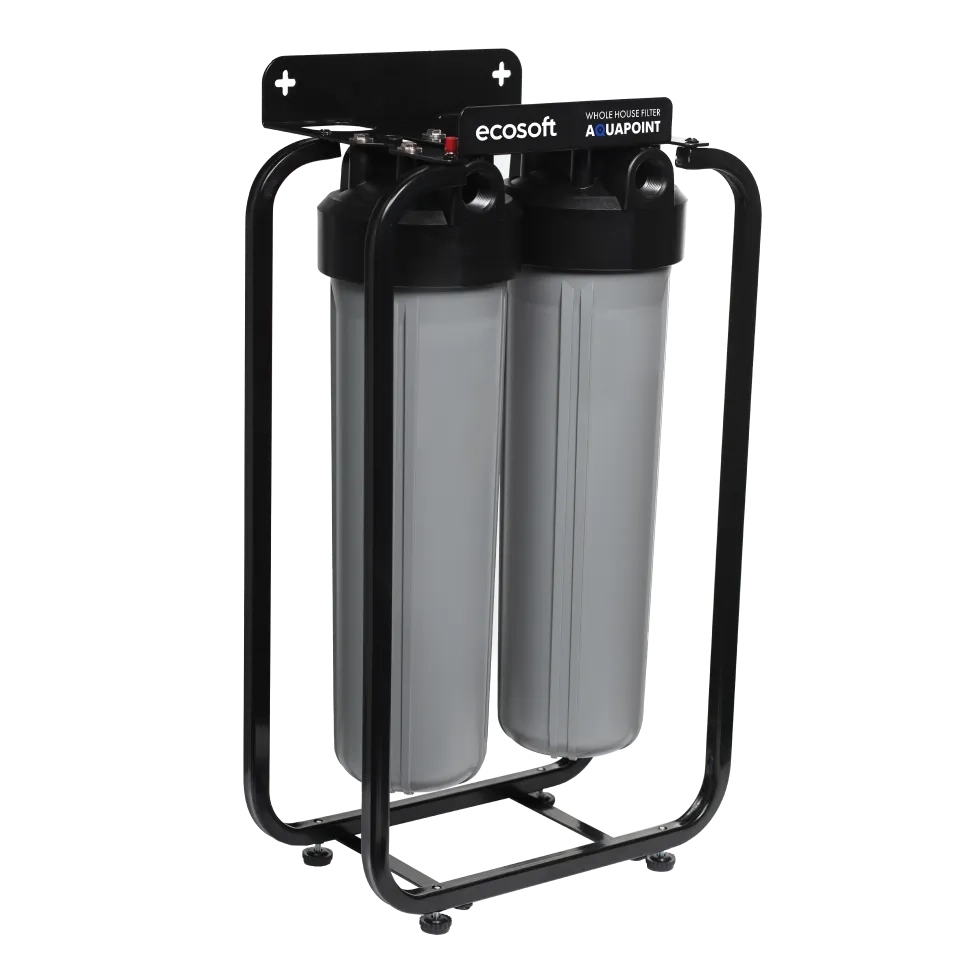
For full protection, whole house systems like the Ecosoft AQUAPOINT combine multiple treatment technologies in one unit. Its multi-stage filtration tackles sediment, chlorine, and hydrogen sulfide- ensuring safe, fresh-smelling water from every tap in your home. It’s a powerful, low-maintenance option for families who rely on well water or experience recurring odour issues.
Can you drink water with hydrogen sulfide?

Technically, yes. But that’s a little like asking if you can drink coffee that tastes like rust - you can, but why would you?
Even if small amounts aren’t toxic, the smell and taste are enough to stop most people from reaching for the glass. And that instinct is right. Hydrogen sulfide isn’t just unpleasant; it often indicates deeper water quality issues. Investing in proper treatment means more than better-tasting water - it means peace of mind for your home, your health, and your family.