



Disadvantages of seawater desalination – what you should know
At first glance, desalination might sound like the perfect answer to global water scarcity. After all, two thirds of the Earth is covered in water, and the oceans seem like an inexhaustible source. But sadly, it’s not that simple. The disadvantages of desalination are many – ecological, technical, and even health-related. In this post, you’ll discover why desalinated water isn’t automatically the ideal solution, what you as a homeowner or health-conscious family should watch out for, and which alternatives might work better, for example if you combine desalination through reverse osmosis with remineralization.
What are the disadvantages of seawater desalination?
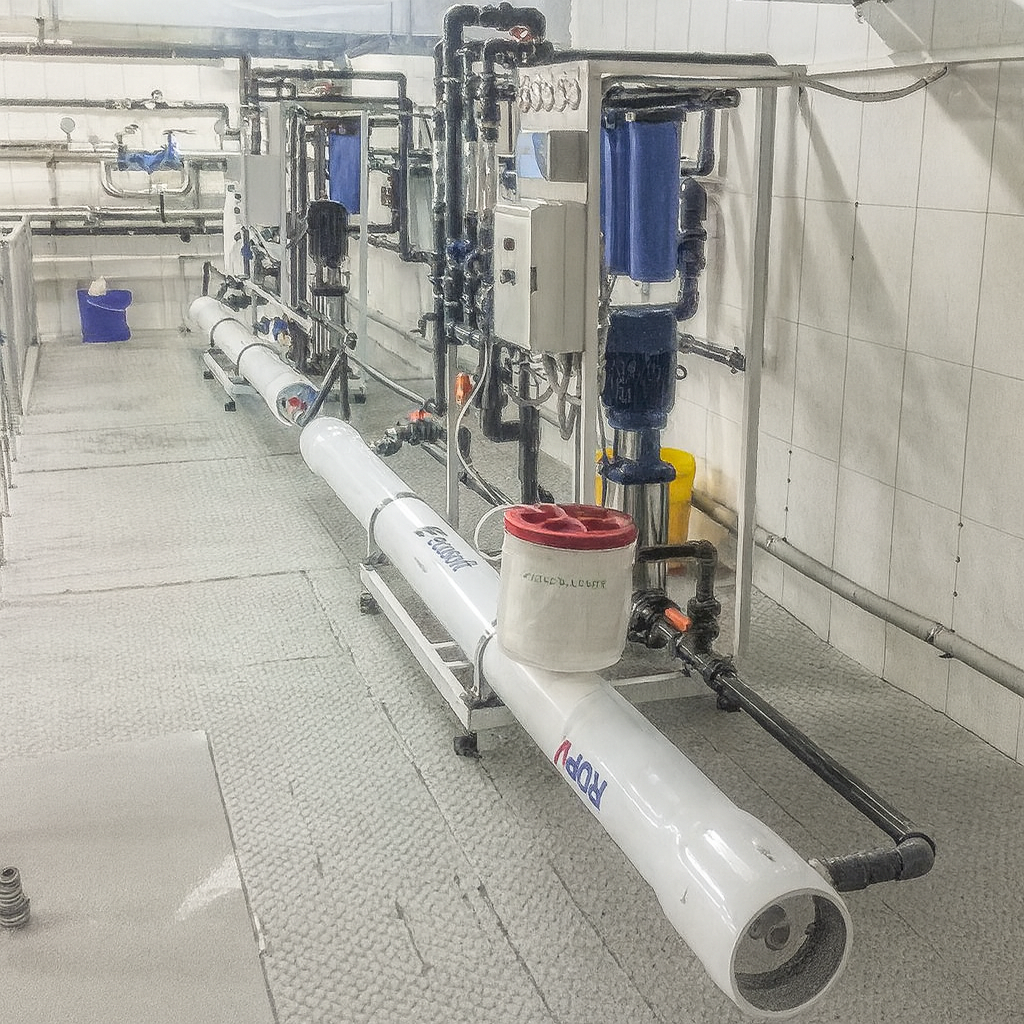
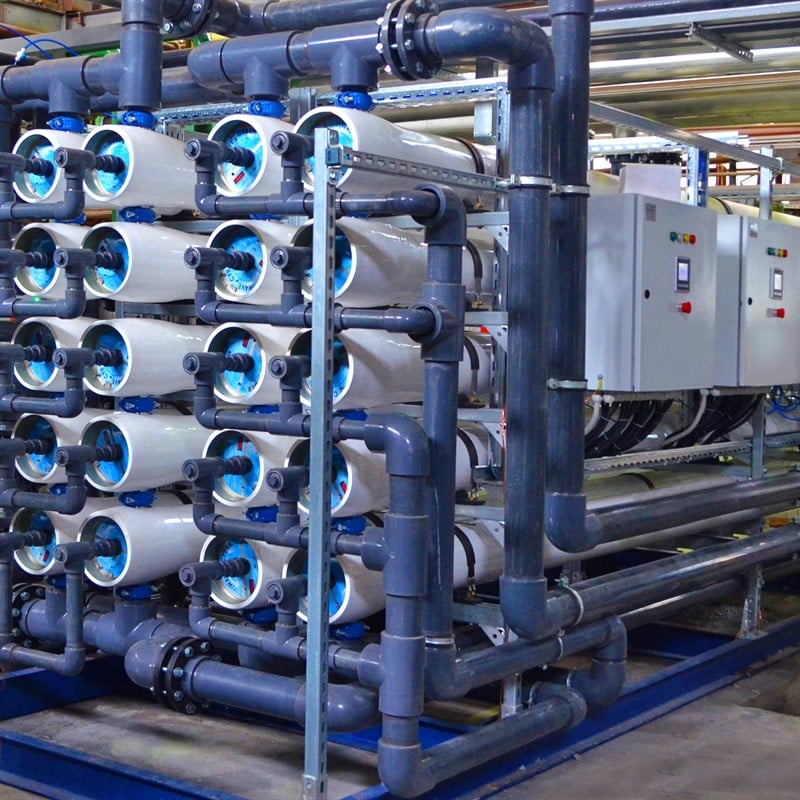
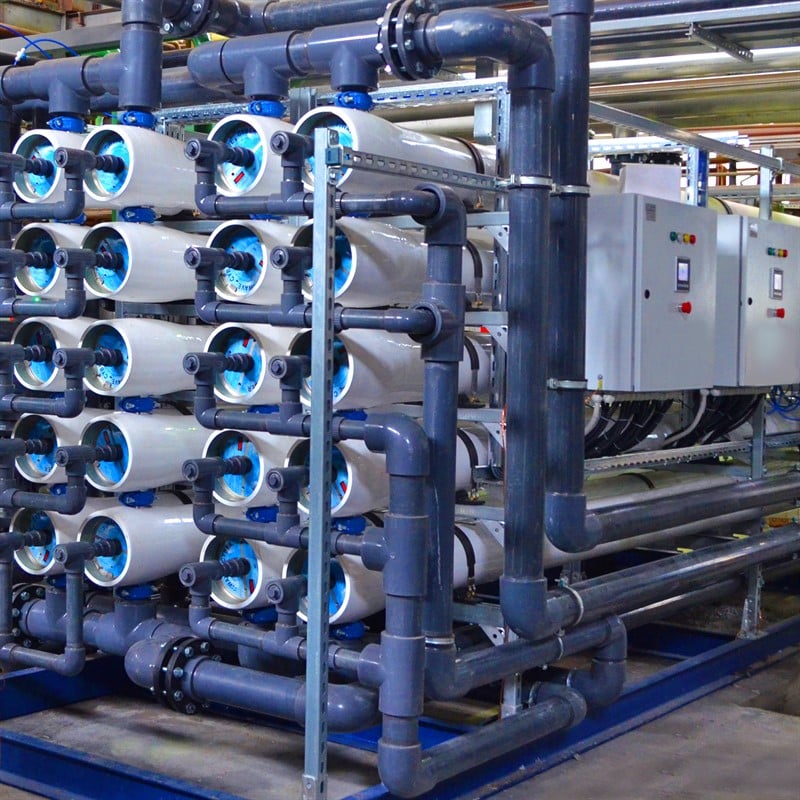
Seawater desalination, usually through reverse osmosis or distillation, removes salt and other minerals from seawater. The result is pure H₂O – but that’s exactly where the problem lies. The downsides are significant:
- High energy consumption
Treating seawater requires enormous amounts of energy. Reverse osmosis in particular needs high pressure to hold back salt and impurities. That makes the technology expensive and, in many regions, ecologically questionable. - Environmental impact
Desalination produces concentrated brine, which is often released back into the sea. If not properly diluted, this highly salty solution can harm marine ecosystems, increasing local salt levels near the coast and endangering marine life. - Lack of minerals
Desalinated water is very low in minerals compared to natural spring water. It contains no magnesium, calcium, or other minerals our bodies rely on. Drinking only this type of water long-term may lead to an imbalance in your mineral intake. - Flat taste
You may have heard that desalinated water sometimes tastes slightly salty – this usually happens when a system is poorly maintained or not working properly. But even fully purified water has a downside: it tastes bland and flat. Minerals like calcium and magnesium are what give water its freshness and vitality.
Desalinated water – why minerals are missing
Pure H₂O may sound perfect, but in reality it isn’t. Our bodies are designed to also absorb vital minerals from drinking water. Magnesium, calcium and potassium support bone strength, heart health, and energy supply. When these minerals are missing, the body has to compensate elsewhere – usually through food.

That is possible, of course, but not always easy for every family. That’s why the remineralization of desalinated water is an important step if you want to rely on it long term.
How can you add minerals back into your water?
The good news: desalinated or filtered water can easily be enriched again. There are several options:
- Mineralisation filters from Ecosoft
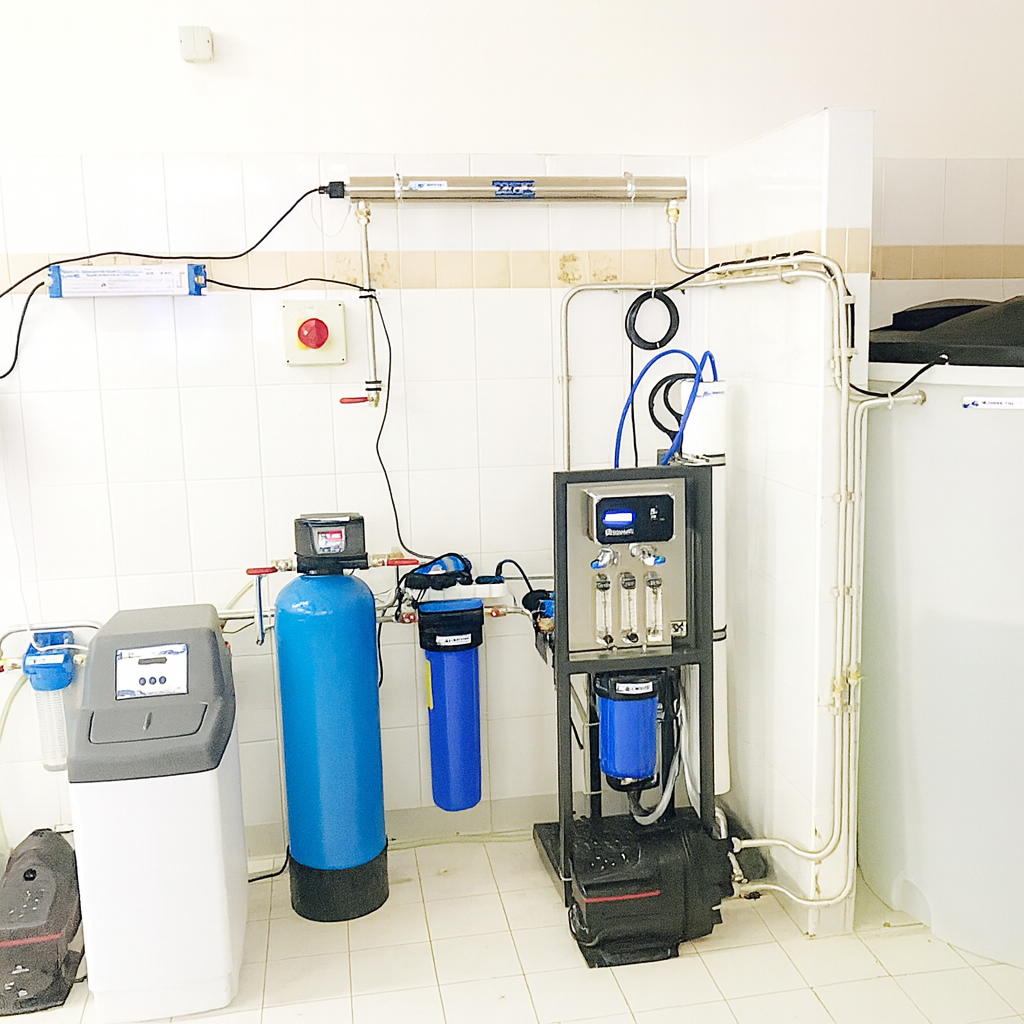
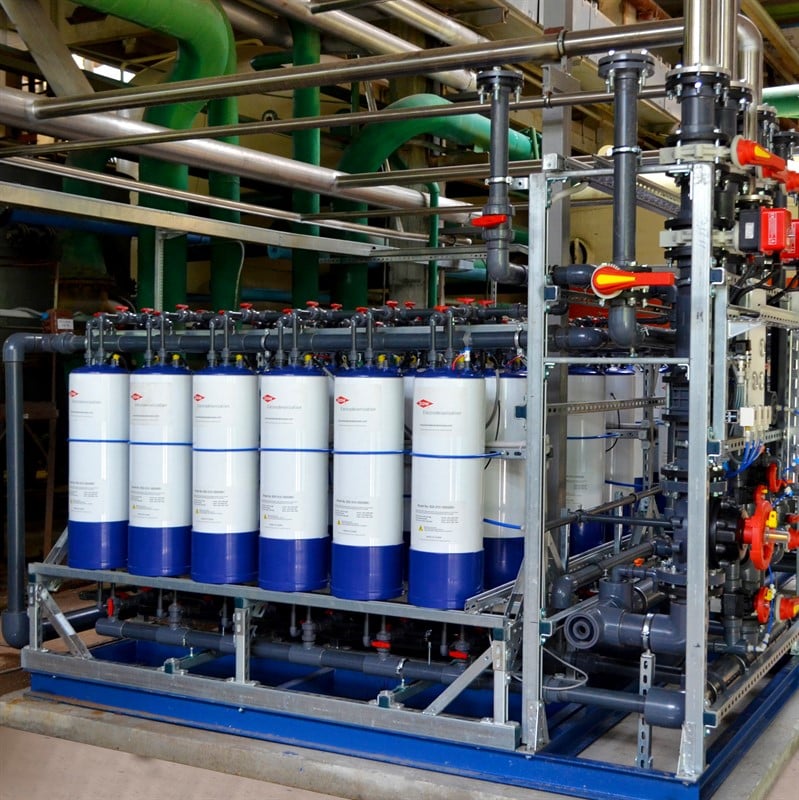
- Ecosoft offers smart solutions: Reverse osmosis systems with mineralisation: after filtration, calcium and magnesium are added back, so the water is not only pure but also healthy.
- pH balance: Ecosoft’s premium systems enrich your water with minerals and also optimise the pH level – for especially smooth drinking water.
- Big household solutions or compact designs: whether large-scale or space-saving, you can make sure your water after desalination contains all the essential minerals.
- Mineral powders or drops
- Practical when you’re on the go – but in everyday life, a filter system is much more convenient.
- Natural sources
- You can cover part of your mineral intake through food – but it’s best if your drinking water itself already provides a solid foundation.
You can cover part of your mineral intake through food – but it’s best if your drinking water itself already provides a solid foundation.
What does this mean for you?
When thinking about drinking water quality, it’s not just about having clean water. It’s about enjoying water that tastes good and supports your health. The disadvantages of seawater desalination show: while this technology can help regions struggling with water scarcity, it’s not the perfect solution for everyday life.

Still, desalinated water is better than no clean water at all. With a high-quality filter system – such as those from Ecosoft – you can make sure you always have pure, mineral-rich water at home.
Brackish vs. Salty Water: What’s the Difference – and Why It Matters for Reverse Osmosis
If you’re considering reverse osmosis for your business or facility, understanding the difference between salty water and brackish water is key. Both contain dissolved salts, but the concentration levels make all the difference. Brackish water typically contains 1,000 to 10,000 ppm (parts per million) of salts – often found in coastal wells or areas with seawater intrusion. Salty water, like seawater, has a much higher salinity of around 35,000 ppm and requires a completely different treatment system.
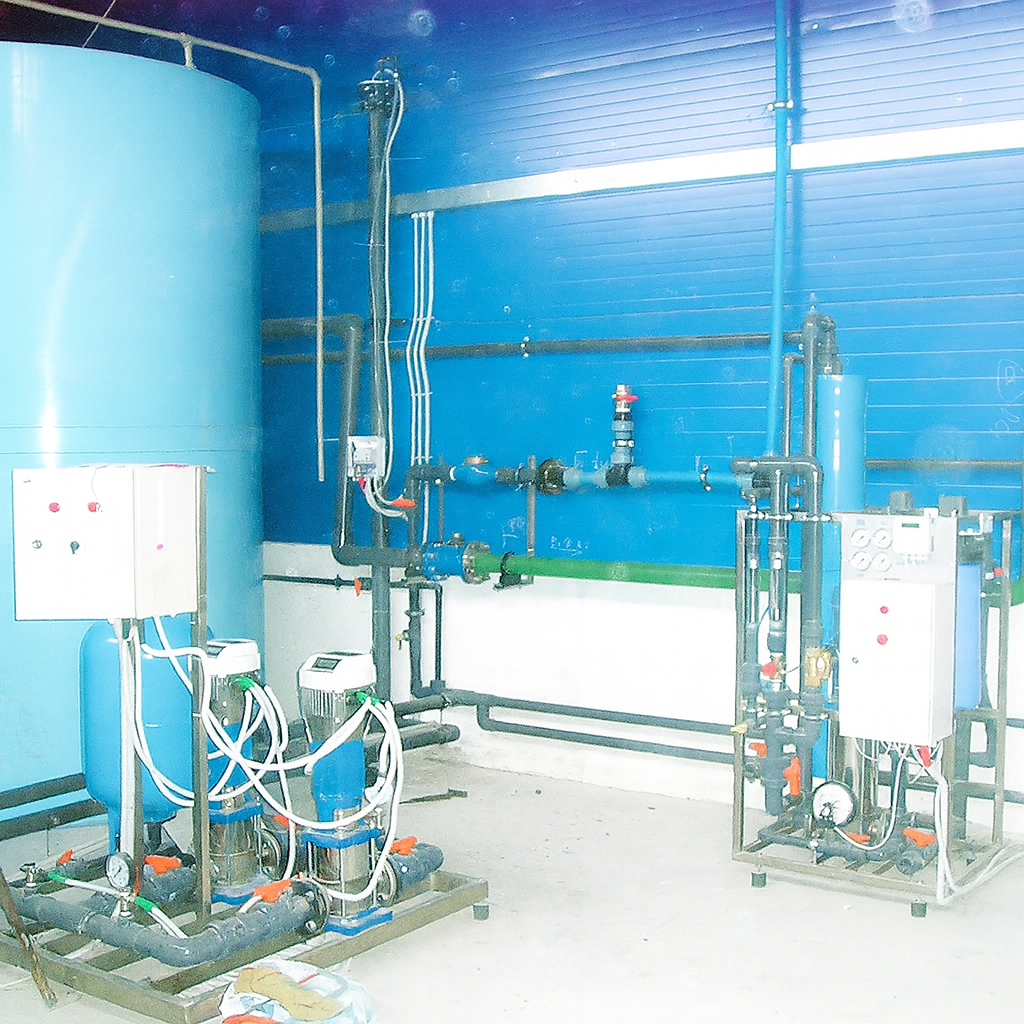
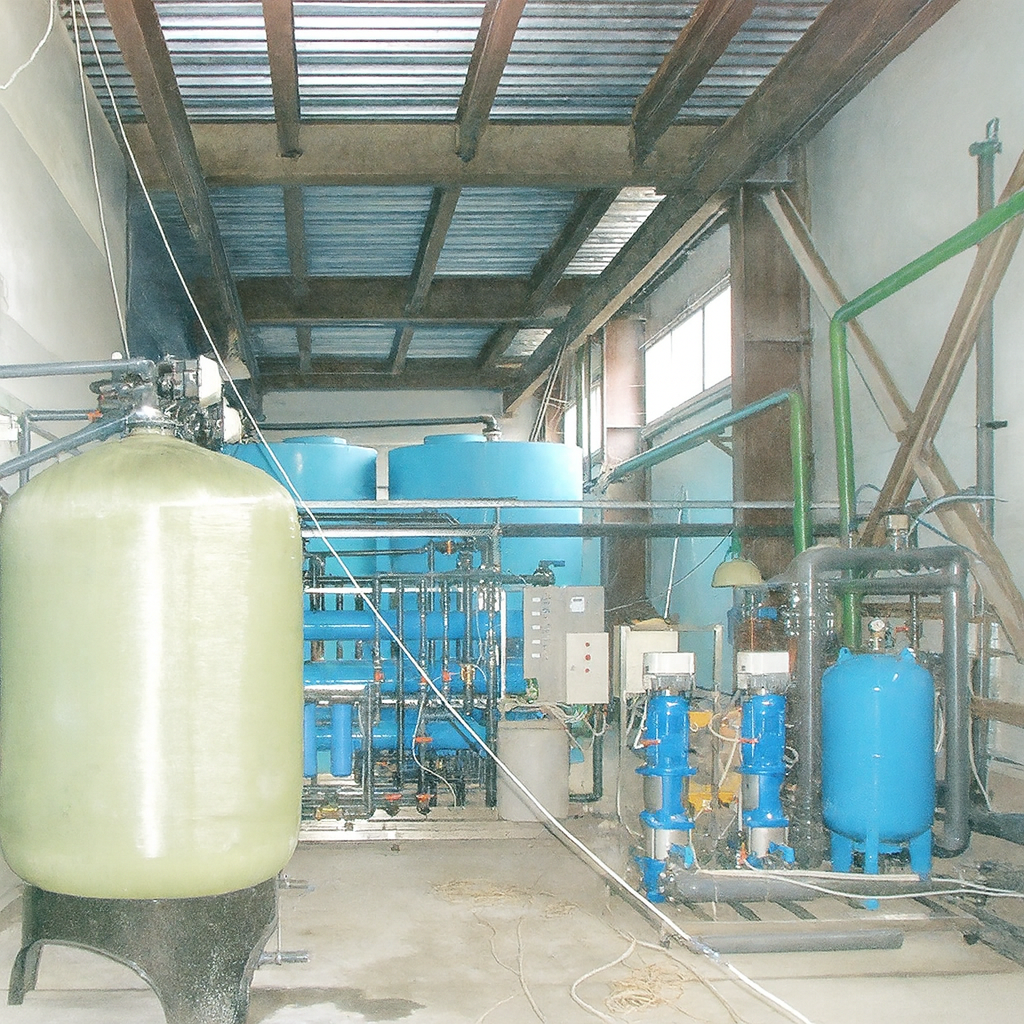
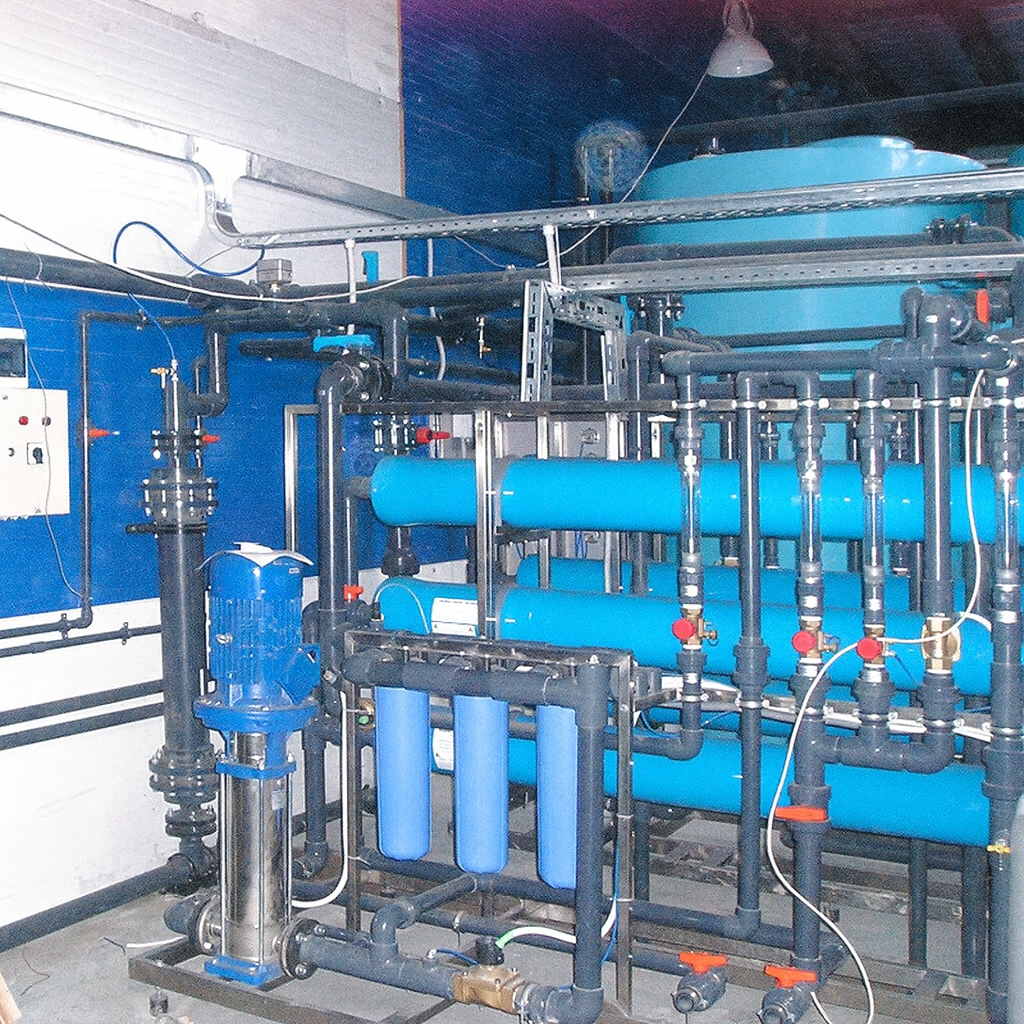
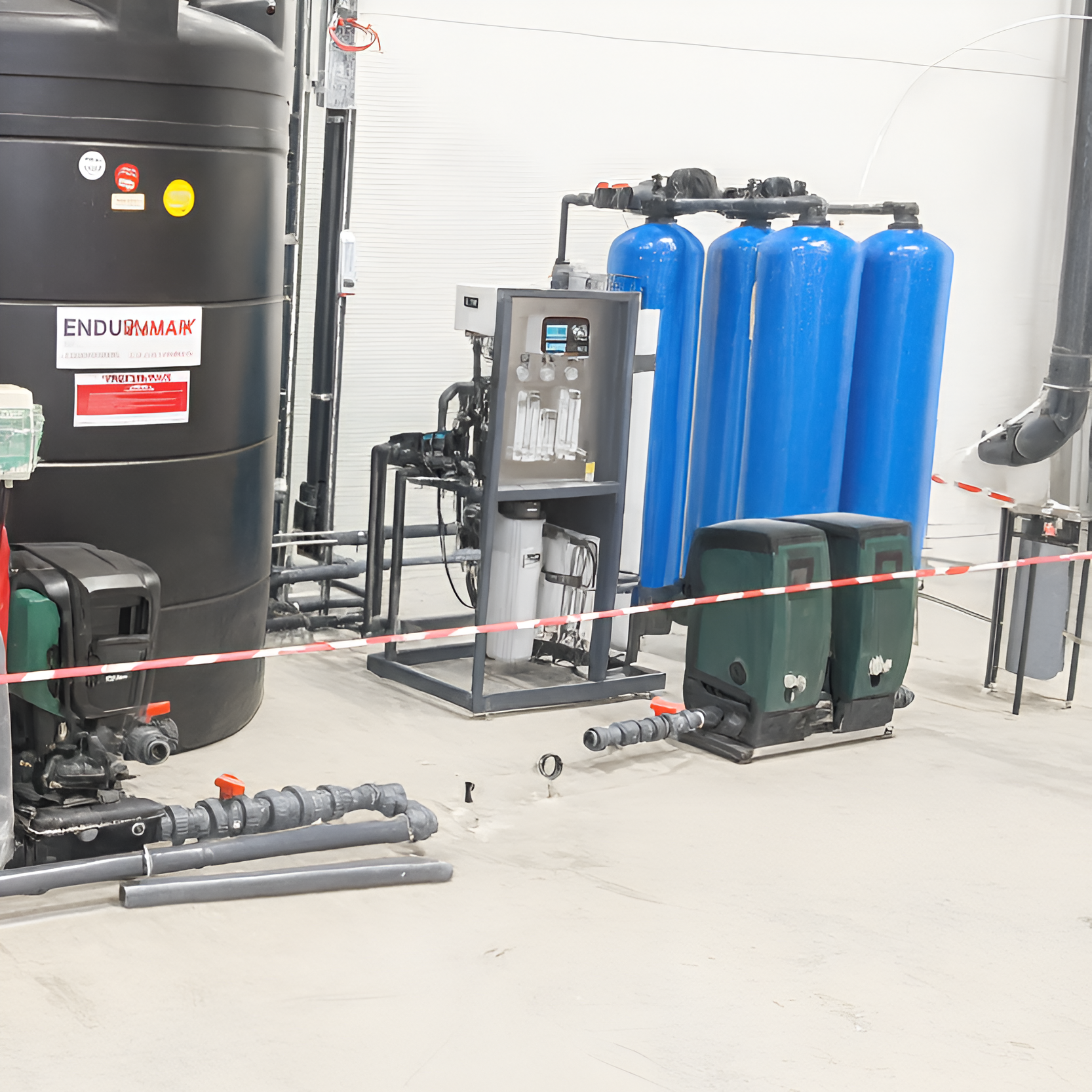
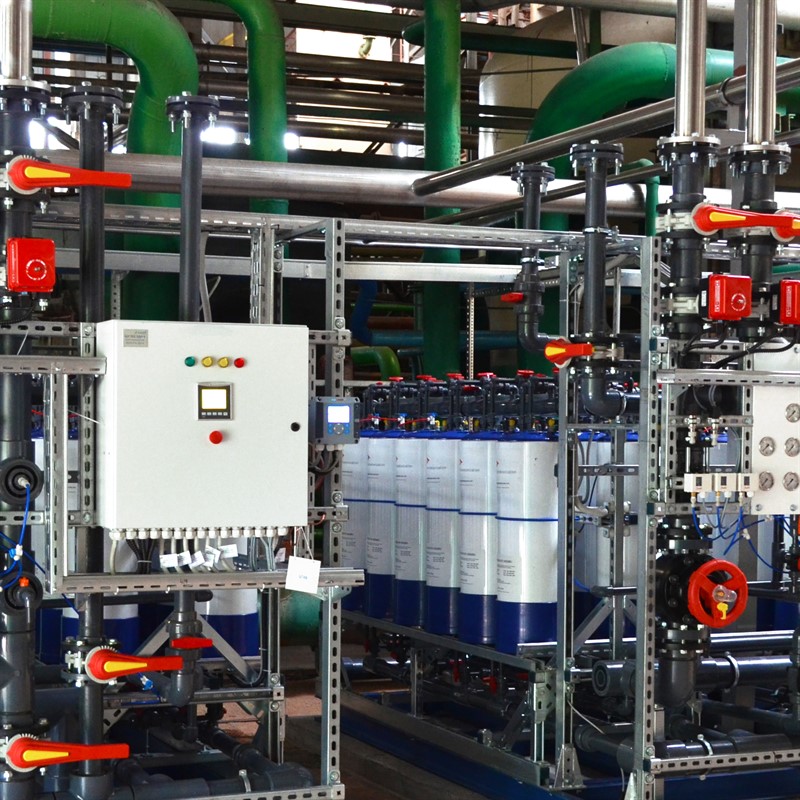
Our BW reverse osmosis system is designed specifically for brackish water – not seawater. It efficiently removes salts and contaminants from water with up to 10,000 ppm salinity, making it ideal for industries like agriculture, car washes, or food processing. But if your source water is seawater, you’ll need a dedicated seawater desalination system instead. Choosing the right solution ensures long-term performance, lower maintenance costs, and safe, reliable water for your application.