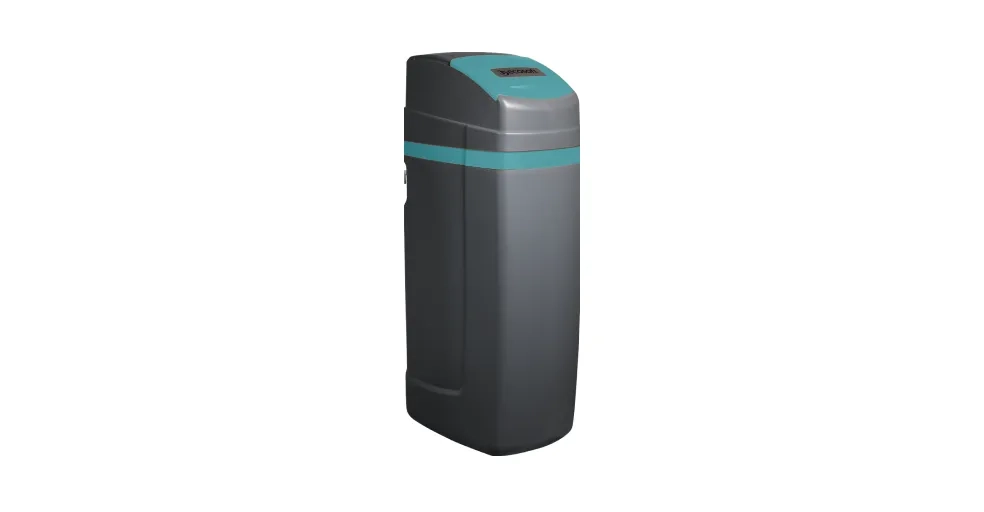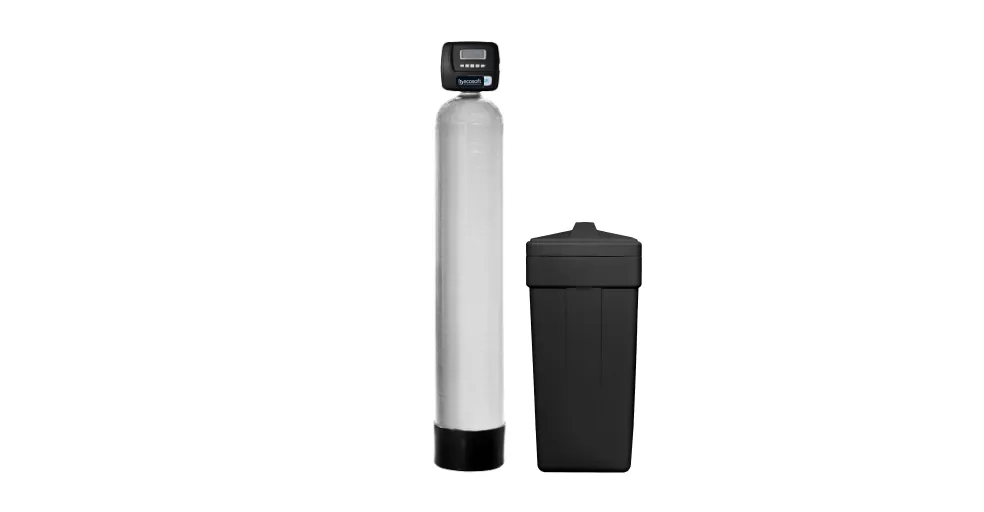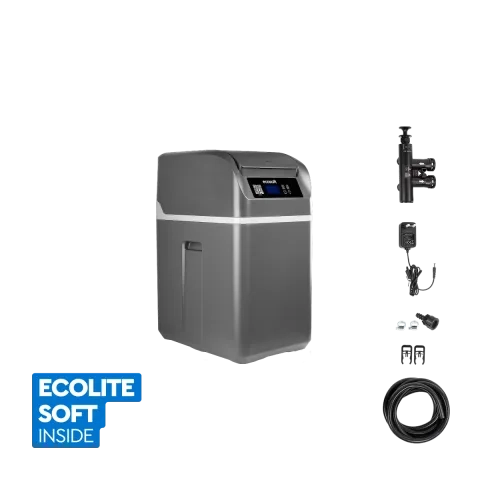


How ion exchange works
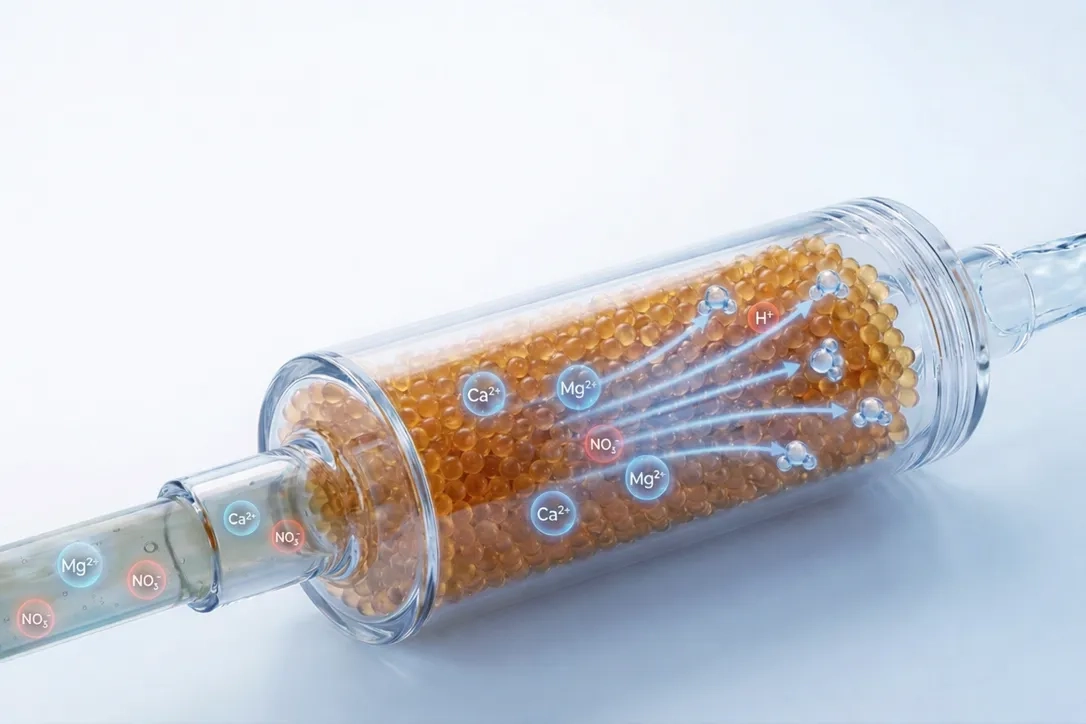
In an ion exchange filter water system, water passes through a bed of resin beads — small granules made from a synthetic polymer. These resins contain fixed charged groups that hold “counterions” — ions of the opposite charge that can be swapped with unwanted ions from the water.
For example:
- Cation exchange replaces hardness ions like calcium (Ca²⁺) and magnesium (Mg²⁺) with sodium (Na⁺) or hydrogen (H⁺).
- Anion exchange replaces nitrate (NO₃⁻) or sulfate (SO₄²⁻) with chloride (Cl⁻) or hydroxyl (OH⁻).
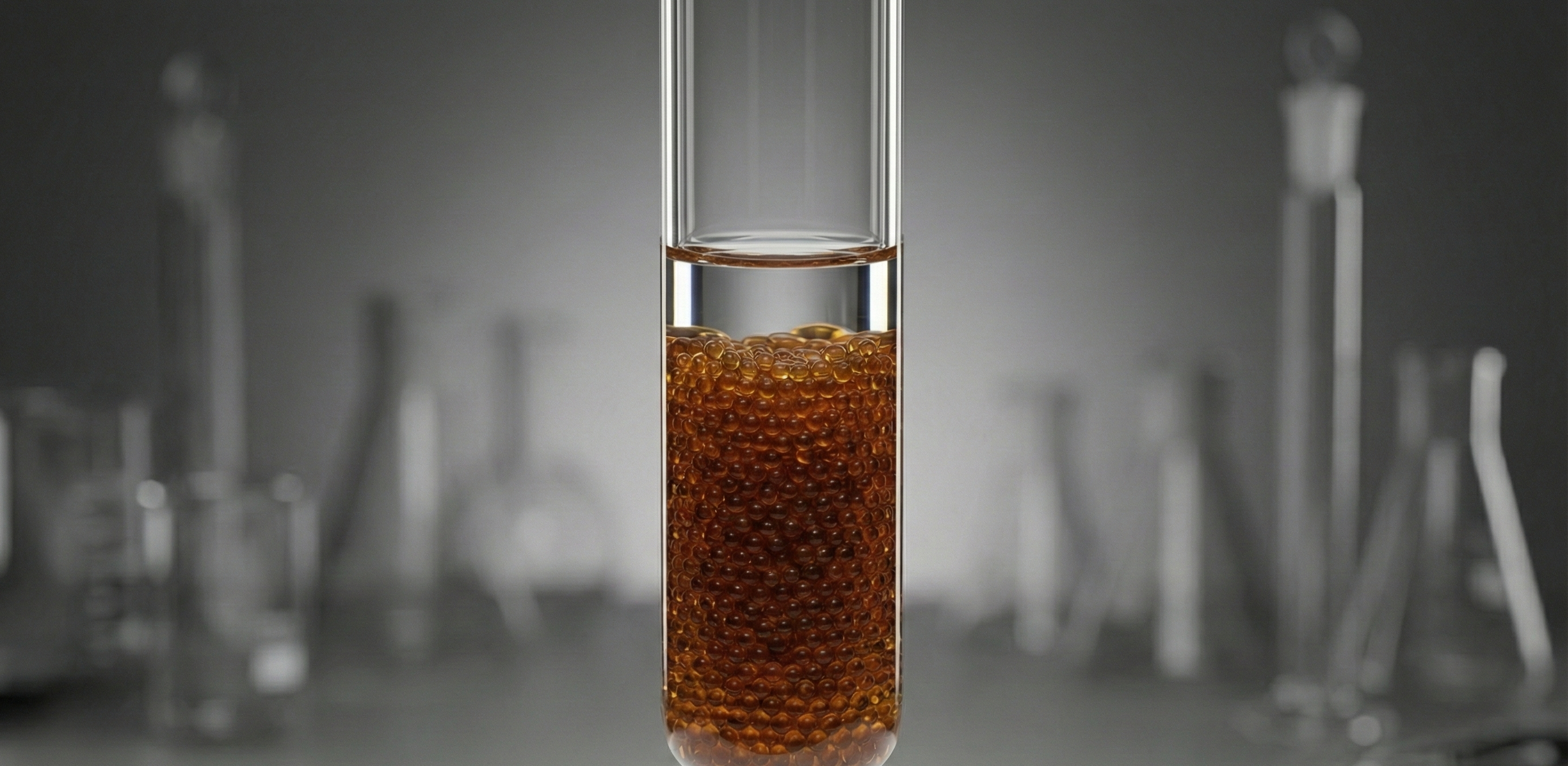
Because the process is reversible, the resin can be regenerated and reused many times, making ion exchange water filtration both economical and sustainable.
Forms of ion exchange resins
Resins differ by the type of ions they exchange and the form they are in:
- Sodium form – used in most domestic water softeners
- Hydrogen form – for demineralisation and industrial applications
- Hydroxyl form – for removing acidic anions like nitrates
Resin structure: gel vs. macroporous
Gel resins are made with a compact polymer structure that swells when in contact with water, creating a network of microscopic pores. These pores are where the ion exchange process takes place, allowing ions to move in and out efficiently. Because of their compact nature, gel resins are very effective for many standard applications like water softening and demineralisation. However, they can be more prone to fouling from organic matter and may have reduced performance in highly contaminated water.
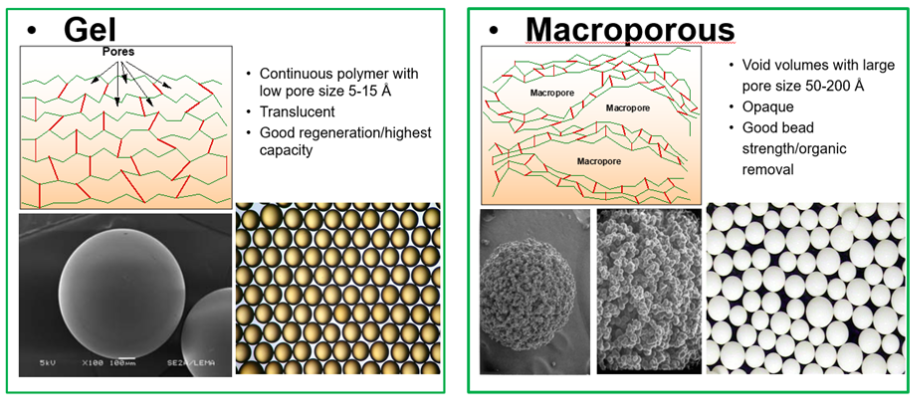
Macroporous resins, on the other hand, have a permanent network of larger, visible pores. This open structure gives them better resistance to fouling by organics, oils, and particulates, and improves their mechanical strength under demanding operating conditions. They are often chosen for challenging industrial applications or for treating water with a high level of natural organics.
Where ion exchange is used
Ion exchange water filtration is one of the most adaptable water treatment methods and is used in a wide range of applications:
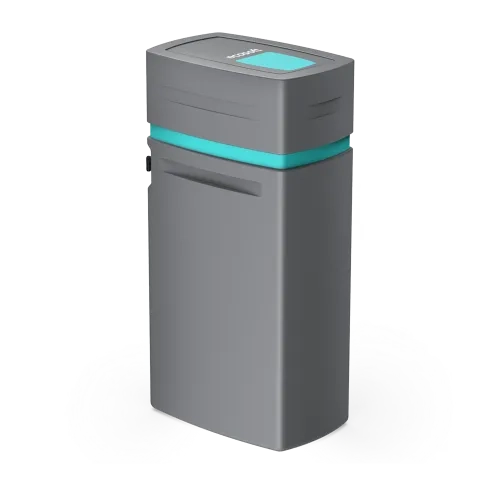
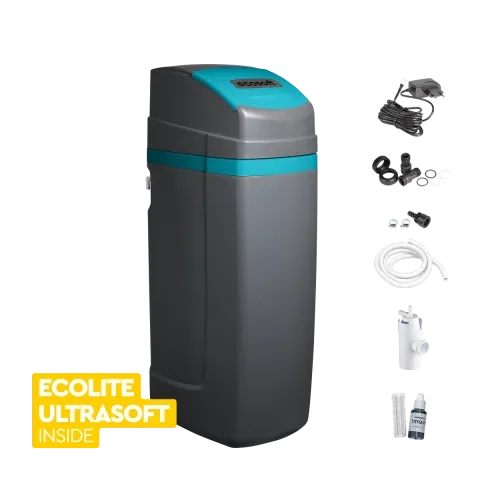
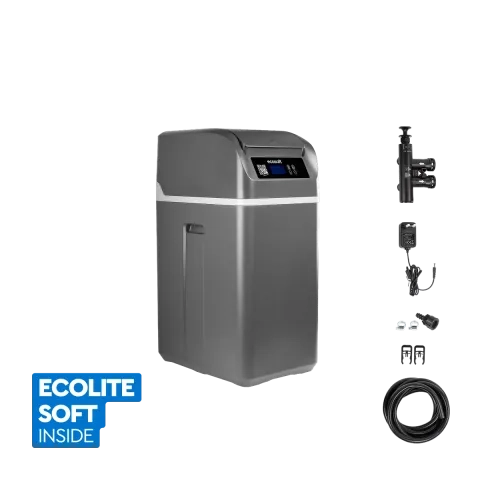
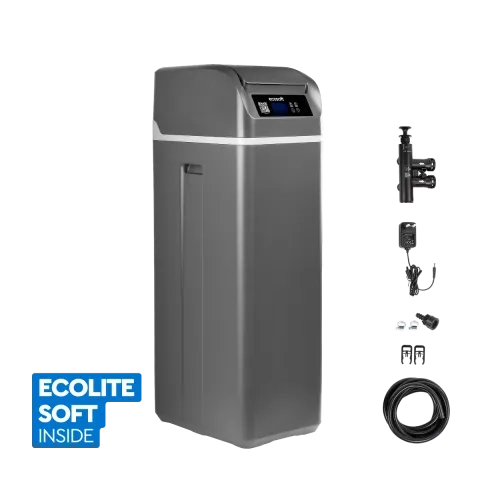
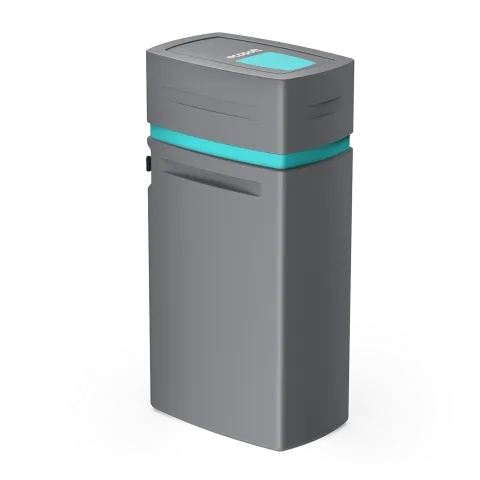
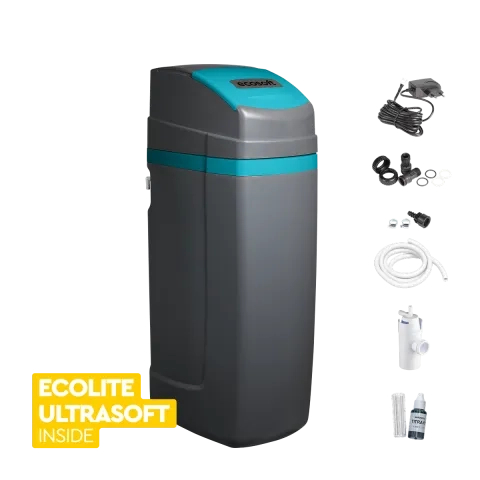
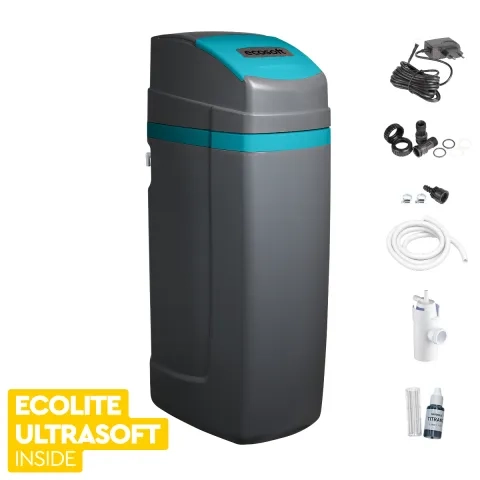
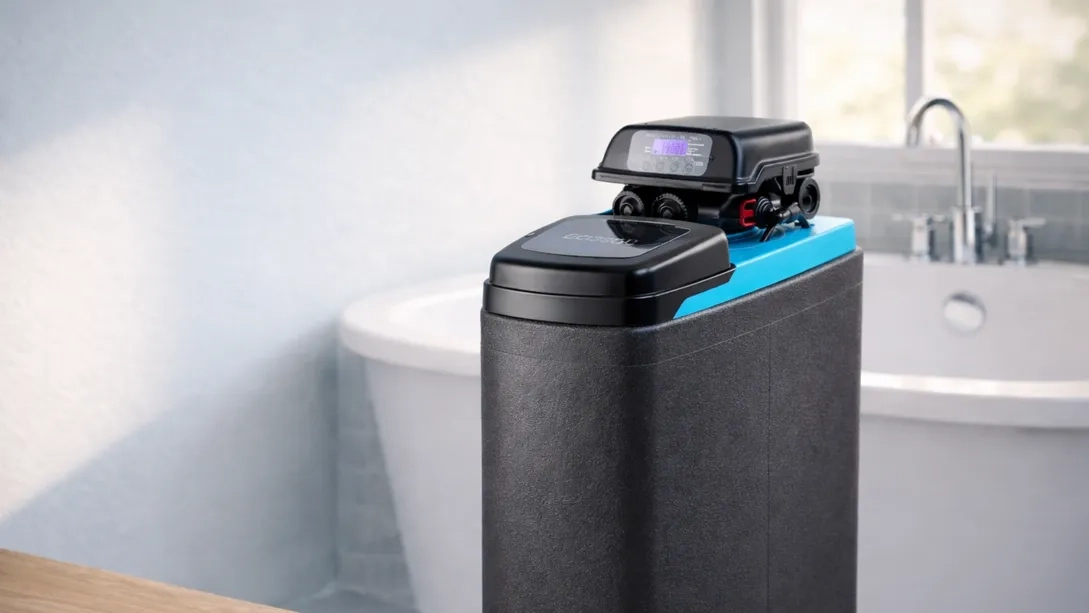
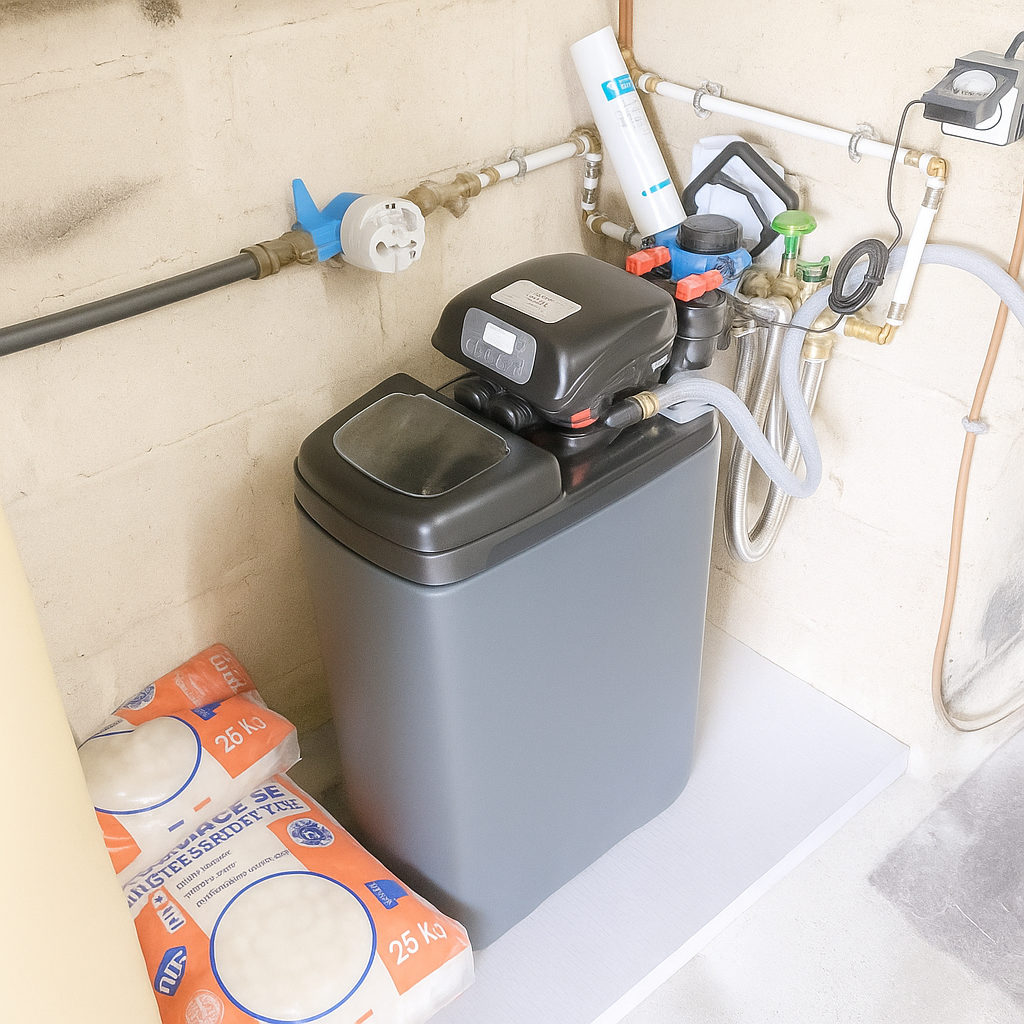
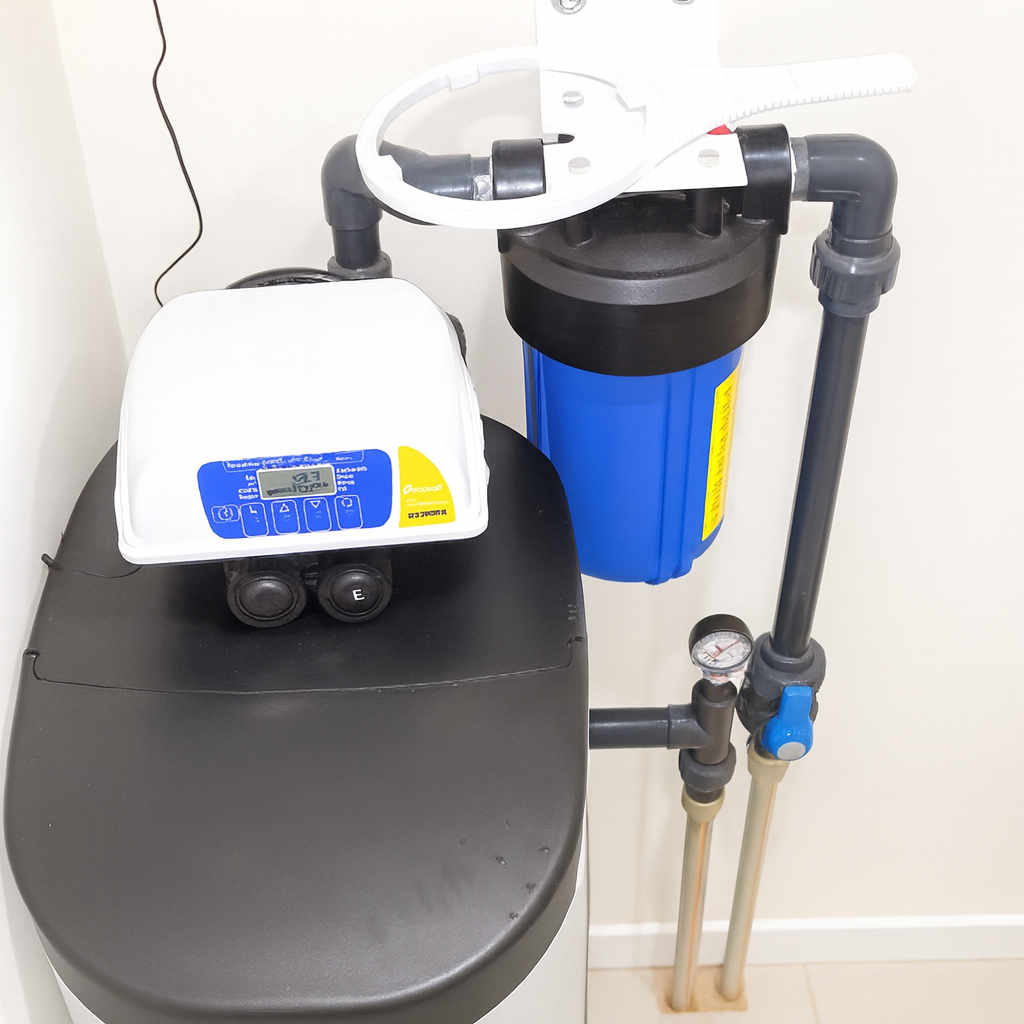
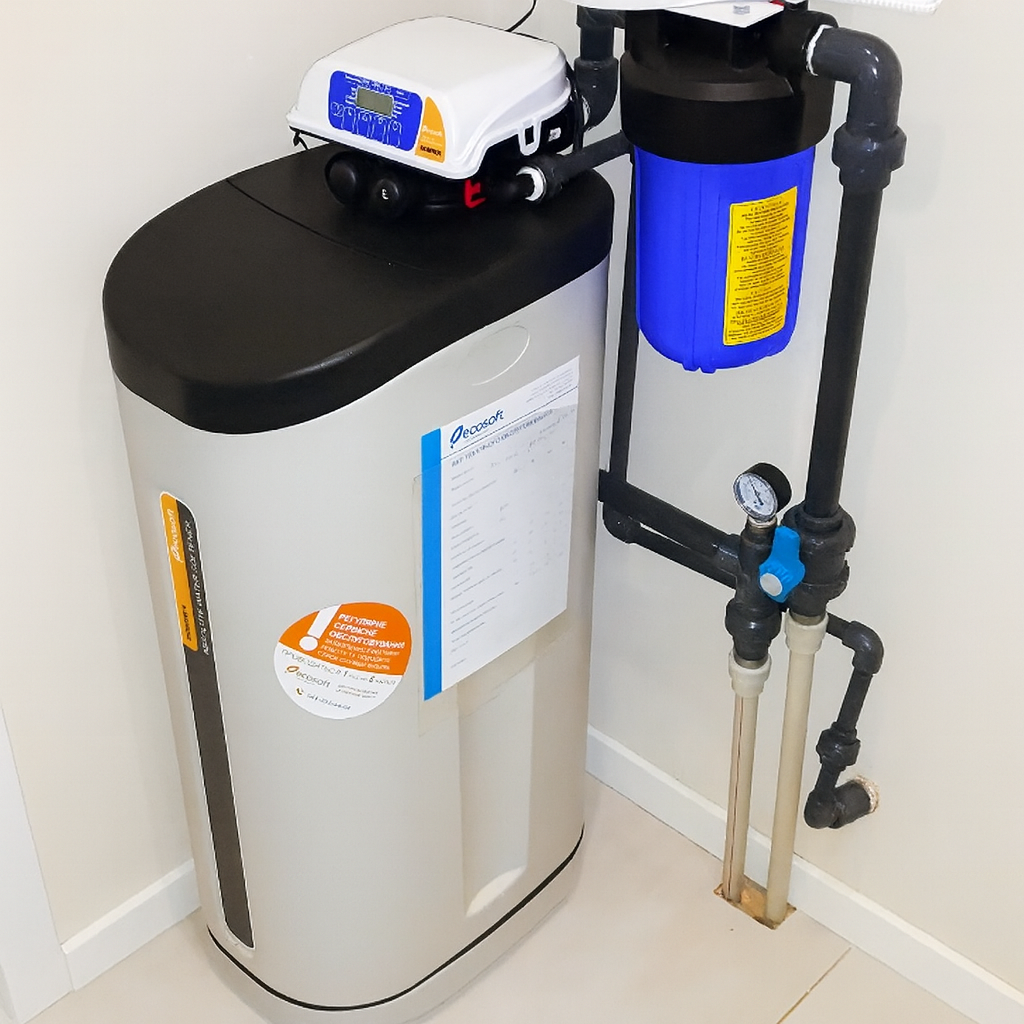
- Domestic softeners – These systems replace hardness ions like calcium and magnesium with sodium or potassium, preventing limescale buildup in kettles, boilers, and pipes. This not only protects appliances but also improves the efficiency of heating systems.
- Drinking water treatment – Specially formulated ion exchange resins can target and remove nitrates, arsenic, lead, and other harmful contaminants. They are also used to reduce ammonium levels in water, improving both safety and taste.
- Industrial processes – Ion exchange resins are critical for producing high-purity water for laboratories, pharmaceuticals, electronics manufacturing, and power generation. In these industries, even trace minerals or contaminants can impact product quality and system performance.
Regeneration basics
Over time, the resin bed becomes saturated with the ions it has removed from the water. To restore its performance, the resin must be regenerated. This involves passing a regenerant solution—such as brine for water softeners or acids/alkalis for industrial applications—through the resin bed. The regenerant displaces the captured contaminants and restores the resin to its original ionic form, ready for another treatment cycle.
Regeneration can be performed in co-current mode (regenerant flows in the same direction as service water) or counter-current mode (opposite direction). Counter-current regeneration is generally more efficient, using less regenerant while delivering higher-quality treated water. Regular regeneration, according to system design and water usage, ensures consistent water quality and extends the service life of the resin.