


Sorption: what does it mean?
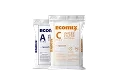
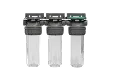
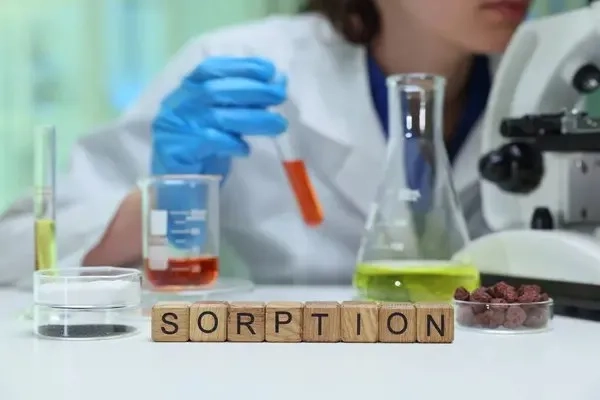
Sorption is a process where impurities are removed from water by attaching to the surface or pores of a special material. Think of it like a sponge, but instead of soaking up water, it captures unwanted contaminants. This process can involve physical or chemical bonding, depending on the material and the impurity.
Types of sorption materials
Each sorption material is designed to target specific types of contaminants:
- Ion-exchange materials remove charged particles (ions) like calcium, magnesium, or nitrates. These are especially useful for water softening and demineralisation.
- Activated carbon captures organic molecules, chlorine, and unpleasant odours or tastes. Its porous surface offers a large area for trapping molecules.
- Catalytic sorbents remove specific impurities through chemical reactions on their surfaces. A good example is Centaur activated carbon for hydrogen sulfide.
- Complex sorbents combine several actions to deal with mixed contamination.
Each material has unique benefits and limitations, which is why it's important to test your water and choose the right one.
What is ion exchange and how does it work?
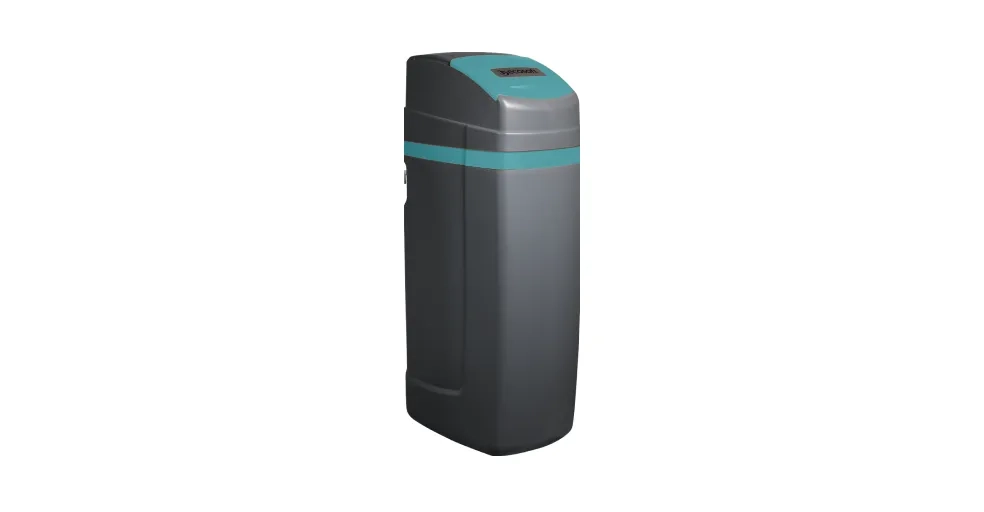
Ion exchange is a chemical process where harmful ions in water are replaced with more desirable ones. For example, a softening resin can swap calcium ions (which cause hardness) with sodium ions.
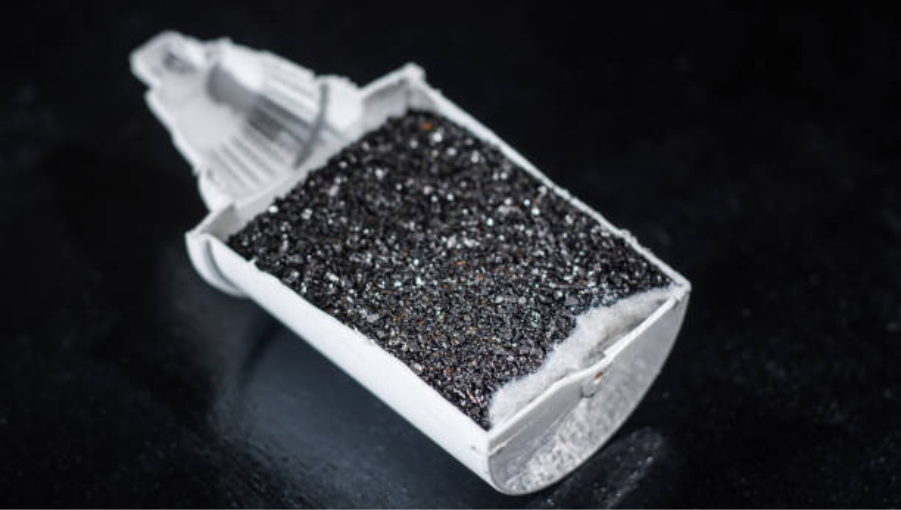
The resins used in ion exchange are tiny granules made from polymers with functional groups. Depending on their charge, these resins are classified into:
- Cation exchangers (remove positively charged ions)
- Anion exchangers (remove negatively charged ions)
- Ampholytes (capable of both)
This process is reversible, which means the resins can be regenerated and reused. That makes them an economical and eco-friendly choice.
Ion exchange resins: more than meets the eye
Not all resins are the same. Their performance depends on their chemical structure:
- Styrene-divinylbenzene (SDVB) is widely used due to its strength and durability.
- Acryl-divinylbenzene (ADVB) offers a different balance of mechanical and chemical properties.
Resins can also be classified based on their pore structure:
- Gel resins have a fine mesh that works best when swollen with water
- Macroporous resins have larger, visible pores that allow better flow and are less likely to clog or degrade over time
These structural features influence how quickly ions can move, how well the resin resists breakage, and how long it lasts in your system.
Regeneration: making resins last longer
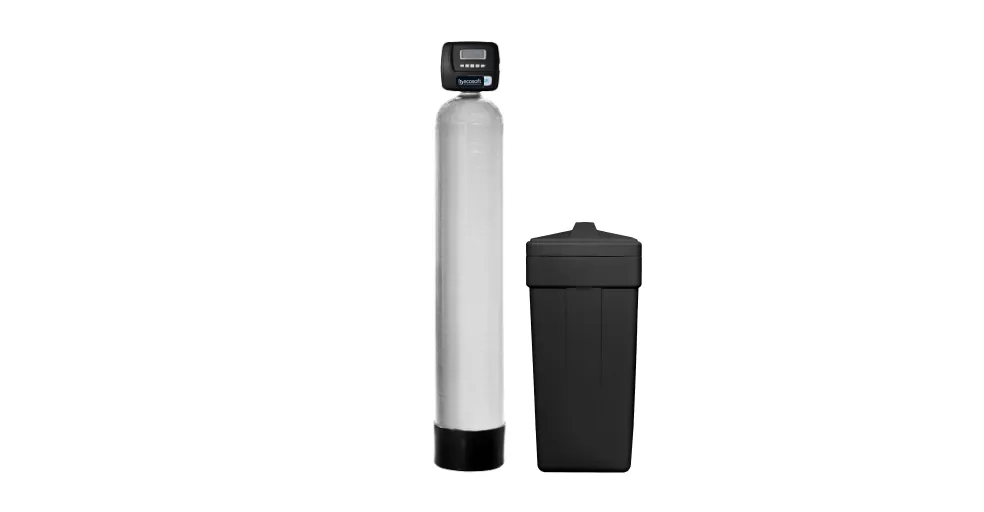
Eventually, resins become saturated with unwanted ions. That’s where regeneration comes in. During this process, a solution (like saltwater for softeners) is used to flush out the absorbed ions and recharge the resin.
There are two main regeneration methods:
- Co-current: water and regenerant flow in the same direction
- Counter-current: they flow in opposite directions, making the regeneration more efficient
Counter-current regeneration helps restore more capacity with less regenerant and is therefore the preferred method in many advanced systems.
Why sorption matters in water treatment
Sorption is a cornerstone of modern water treatment because it tackles a wide variety of contaminants, including:
- Heavy metals like lead, mercury, and arsenic
- Organic substances such as pesticides or pharmaceuticals
- Nitrate and ammonium
- Odours and off-tastes
And because sorption materials can be combined, they offer customized solutions depending on your specific water challenges.