

What is well water – and why so many homes rely on it
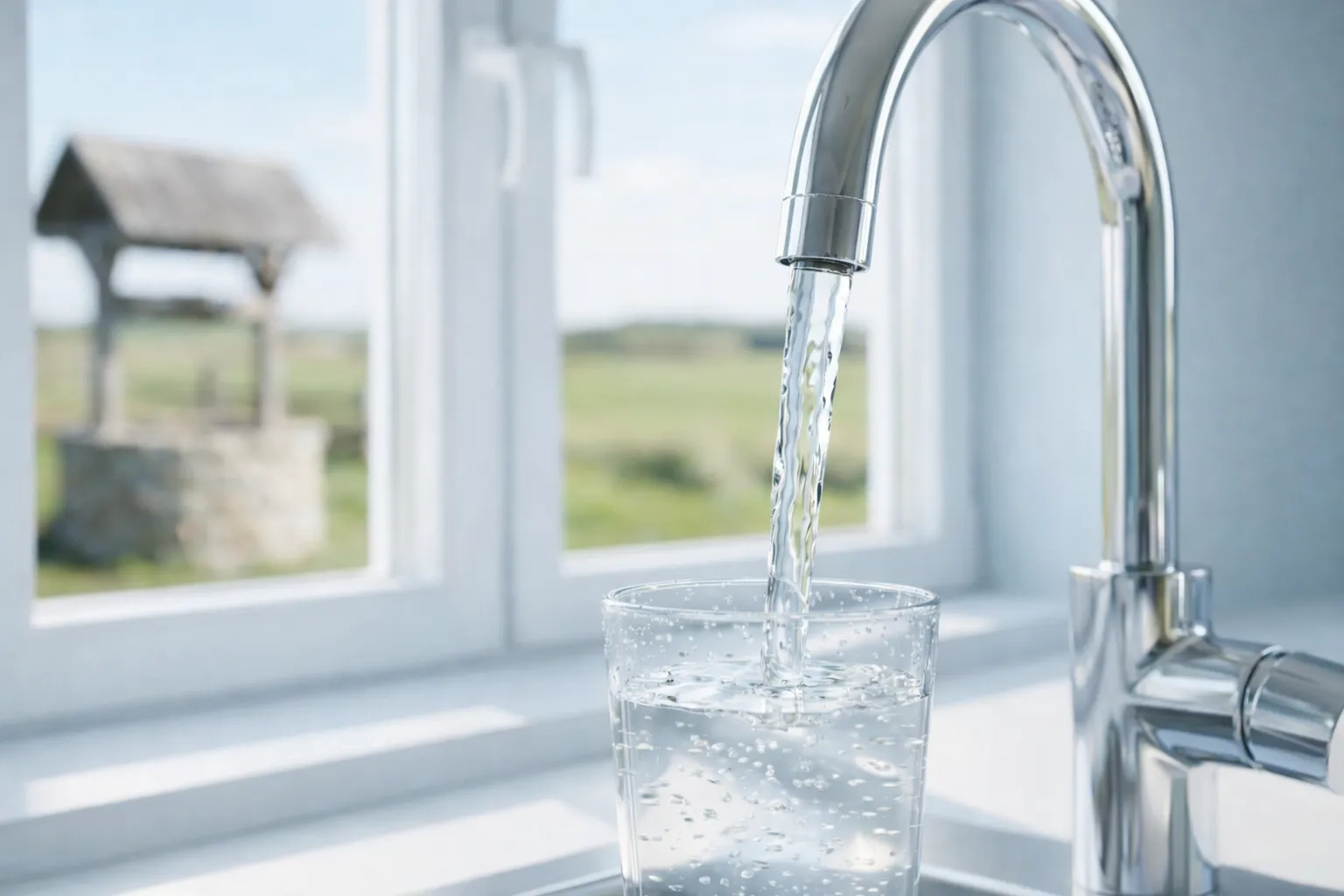
Well water comes from underground aquifers and is accessed through private wells or boreholes. Unlike mains water, it isn’t treated by public suppliers – which gives homeowners independence, but also responsibility. Many households use well water daily for washing, cleaning, gardening and sometimes even drinking.
The key question isn’t if you can use well water – but how to use well water safely, depending on its quality and treatment.
How to use well water in everyday life
Well water is incredibly versatile. In most homes, it’s perfectly suitable for many daily tasks. Common uses include:
- showering and bathing
- washing clothes and dishes
- cleaning floors and surfaces
- flushing toilets

For these purposes, well water usually works just fine – as long as it doesn’t contain excessive sediment, iron, manganese or bacteria. A basic filtration system already improves comfort, protects appliances and keeps pipes clean.
Drinking well water – is it safe?
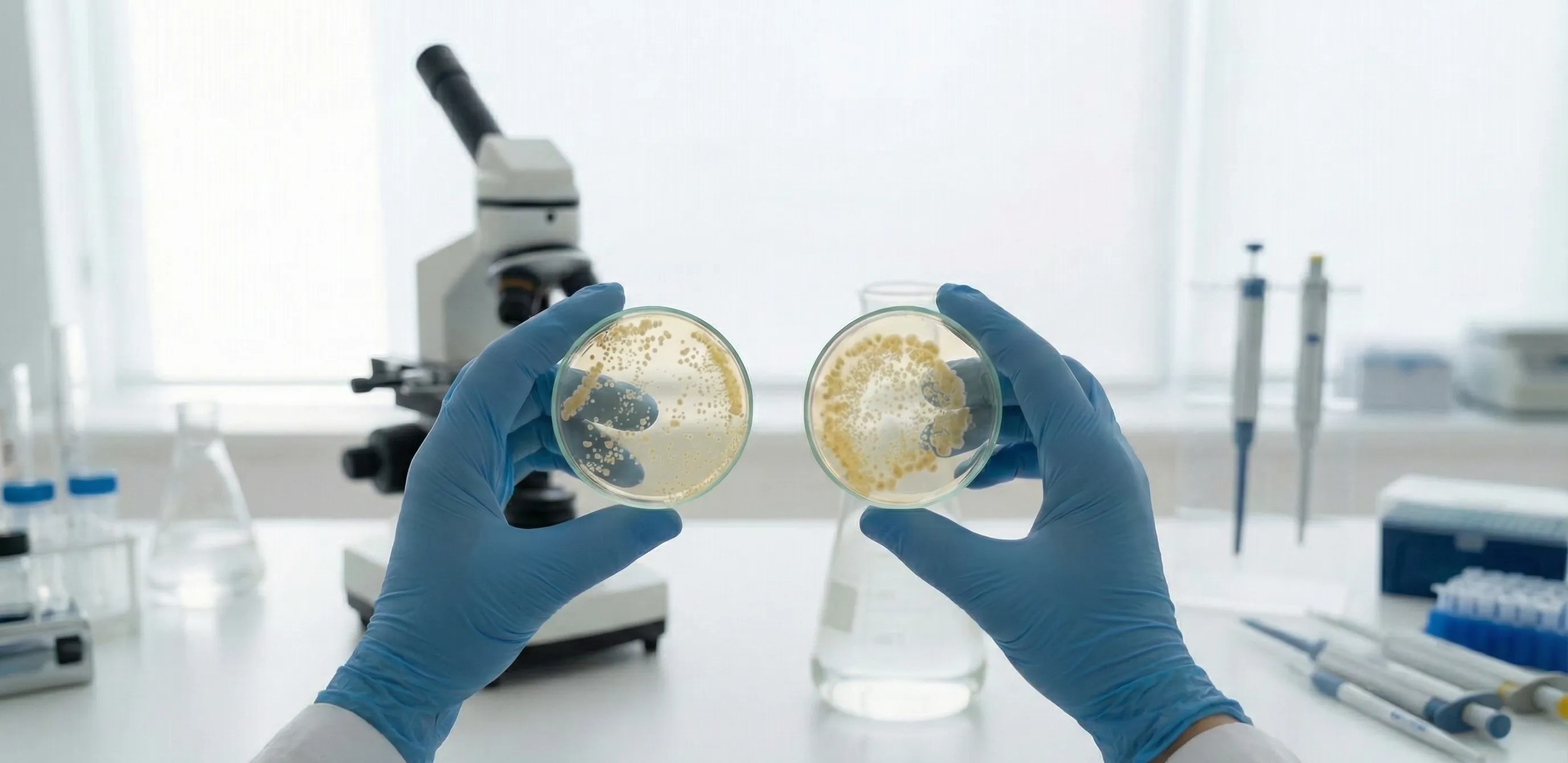
Drinking well water is possible – but only if its quality is verified. Because private wells aren’t disinfected automatically, contaminants can enter unnoticed. These may include bacteria, nitrates, heavy metals or excess minerals.
Clear water doesn’t automatically mean safe water. Some issues are invisible and only show up in lab tests. That’s why experts recommend testing well water at least once a year – and more often if:
- the well is shallow or older
- heavy rainfall or flooding occurred
- the taste or smell suddenly changes
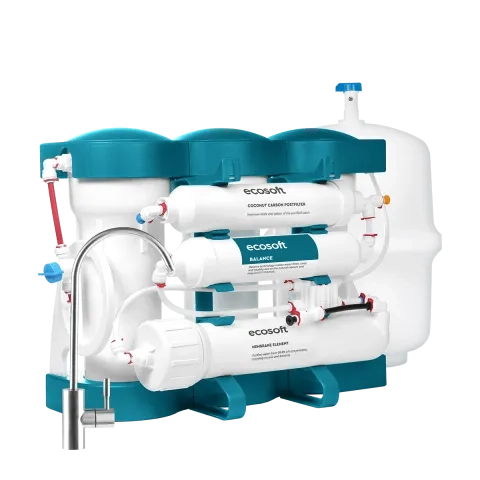
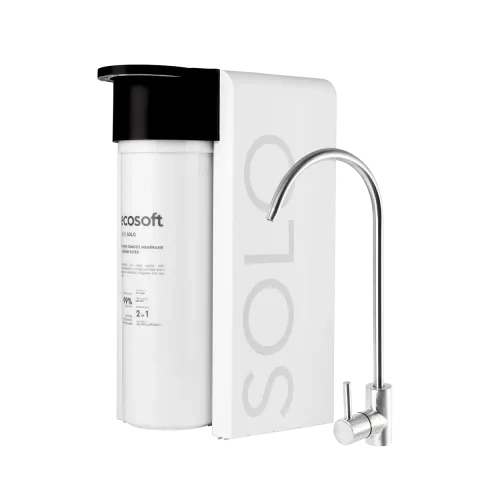
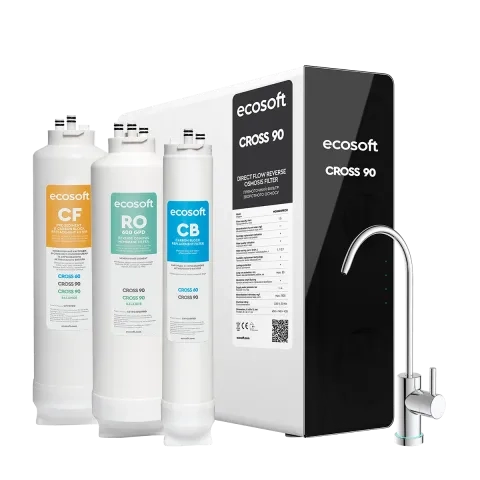
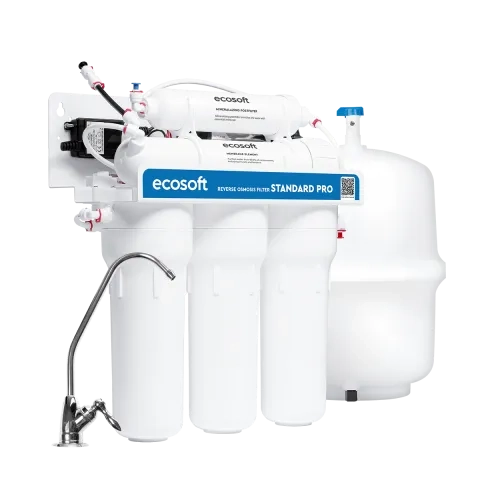
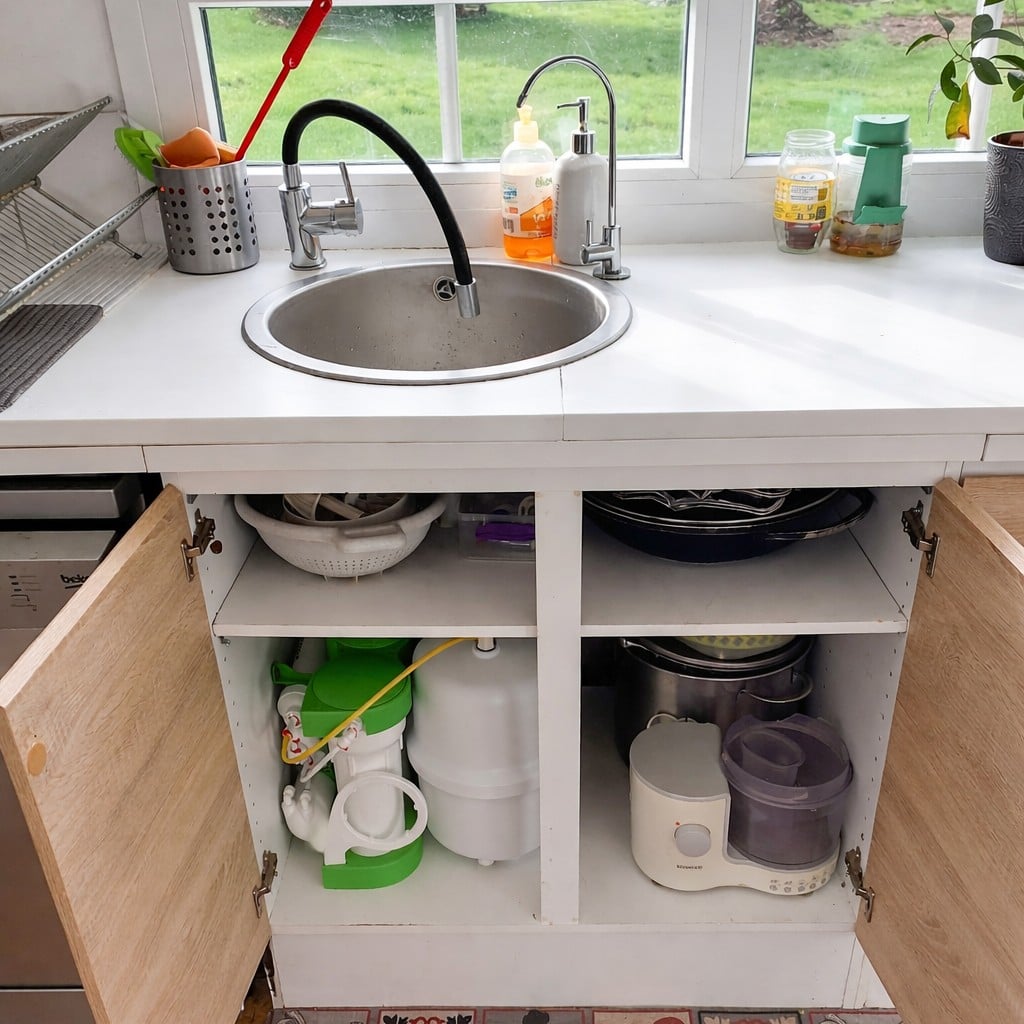
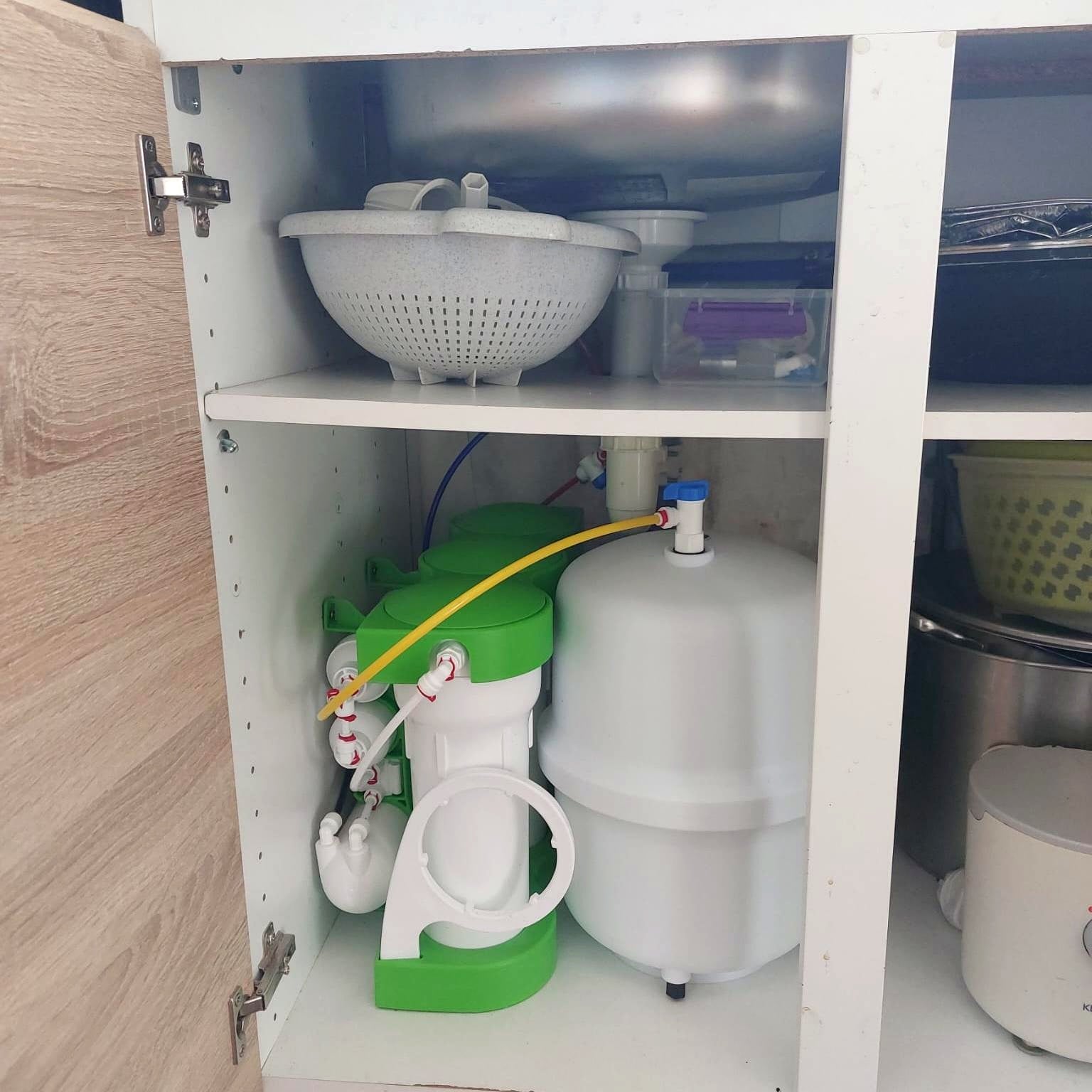
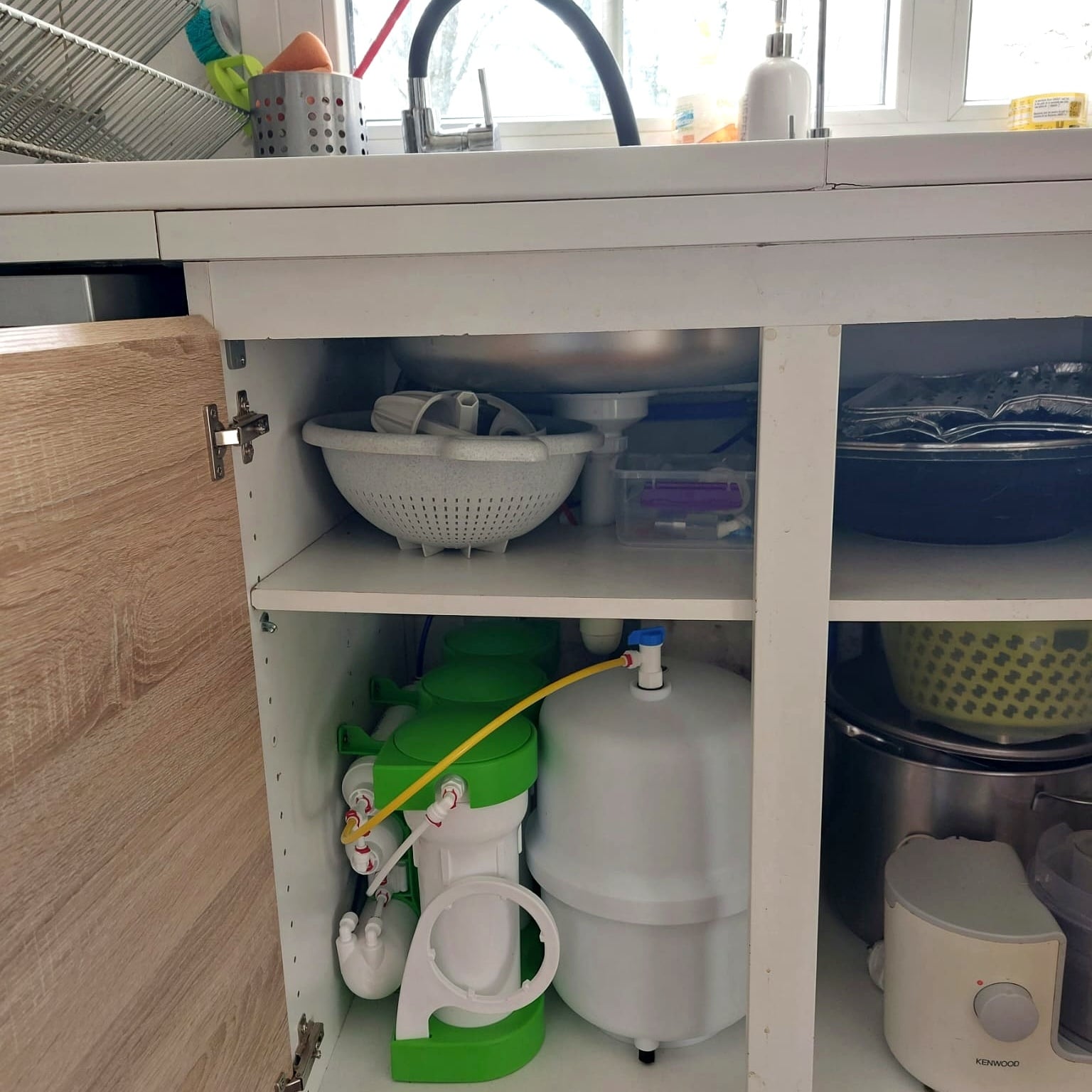
Once you know what’s in your water, suitable treatment makes drinking well water safe and pleasant. Many households combine whole-house filtration with reverse osmosis at the kitchen tap for maximum protection and great taste.
Is borehole water good for plants?
A common question among gardeners is: is borehole water good for plants?
In most cases, yes. Well water often contains natural minerals that plants actually like. For lawns, vegetables, flowers and trees, untreated well water is usually ideal.
However, there are a few exceptions:
- very high iron or manganese can stain leaves and soil
- excess salt (from certain treatments) may harm sensitive plants
- extremely hard water can affect soil structure over time
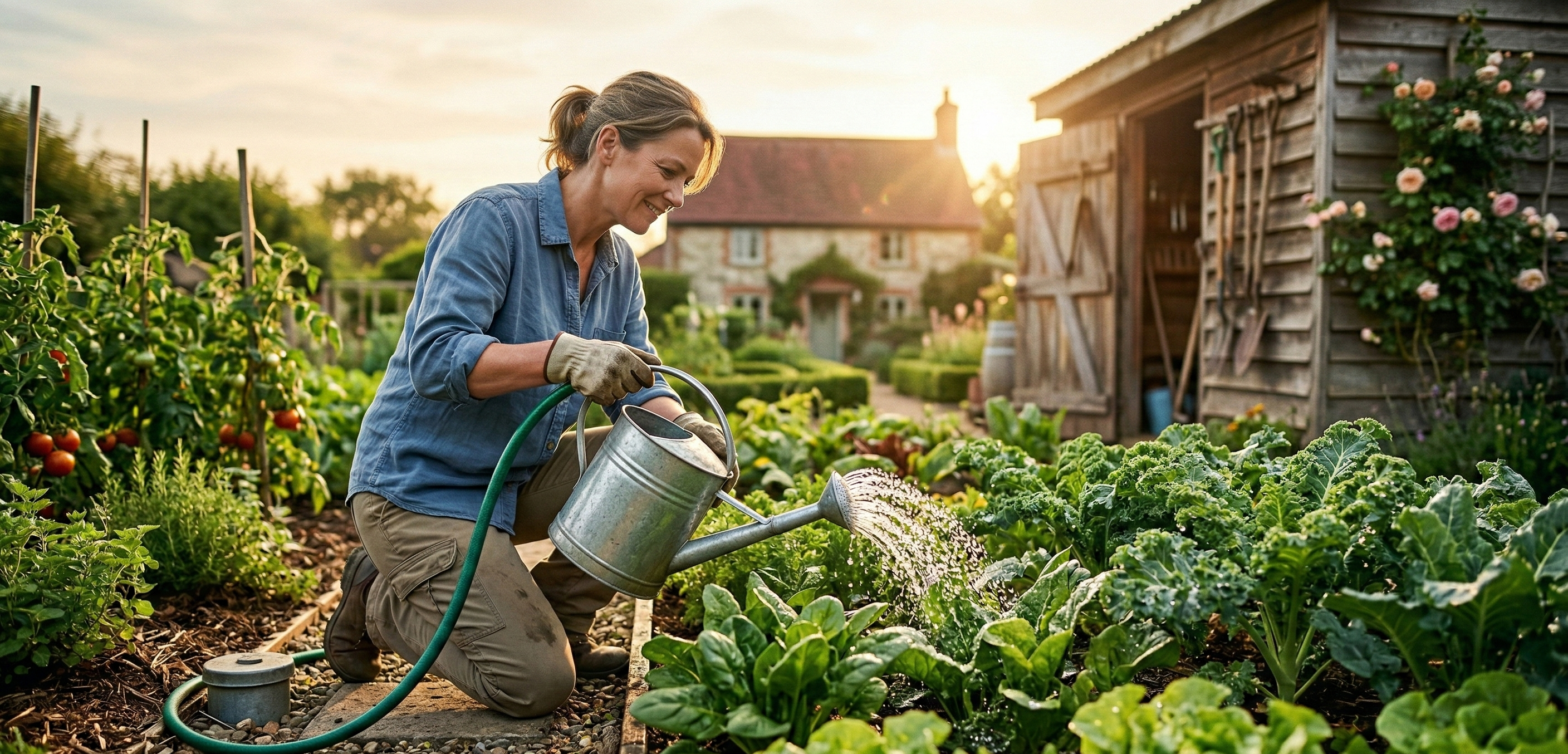
If your plants show yellowing, spots or poor growth, testing your well water helps identify the cause. Simple filtration can make borehole water even more plant-friendly – without wasting precious drinking water.
When well water becomes a problem
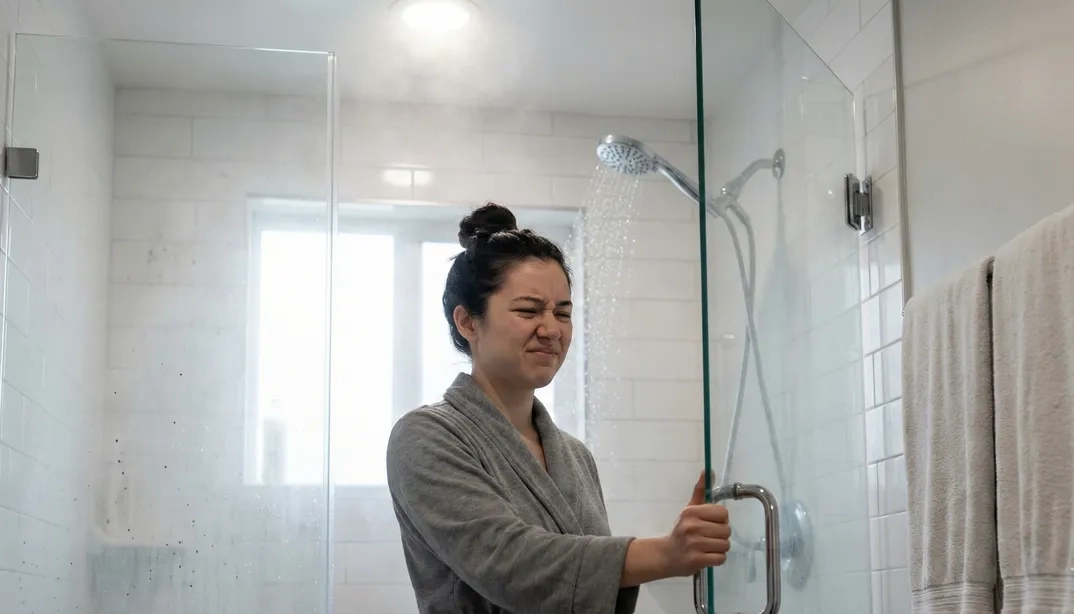
Even though well water is a valuable resource, problems can occur if quality changes. Typical warning signs include:
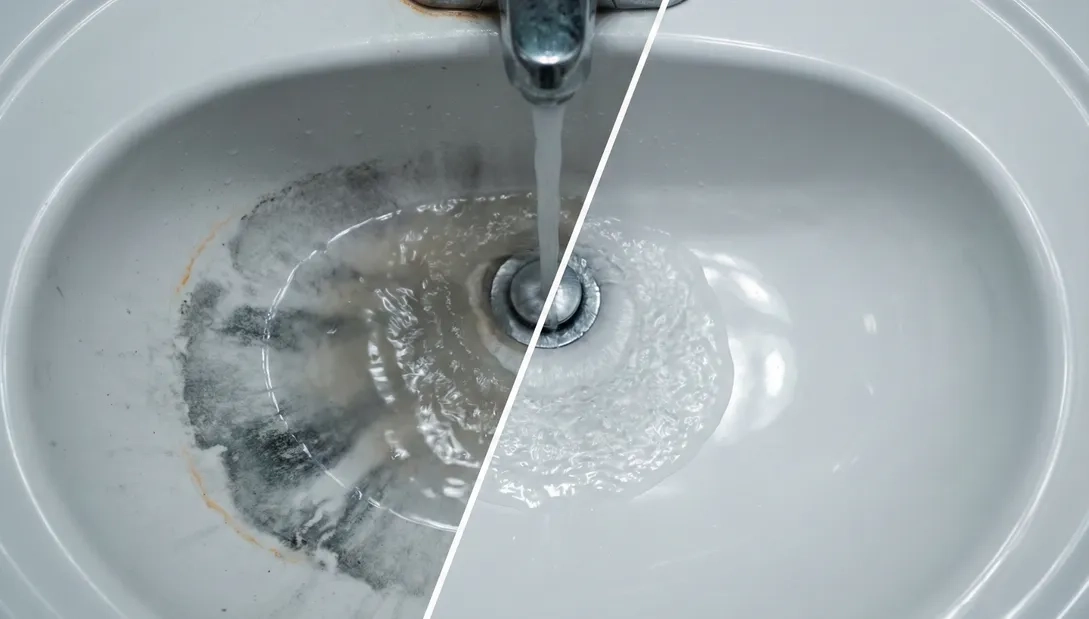
- cloudy or coloured water
- metallic or earthy taste
- unpleasant odours
- staining on sinks, laundry or plants
These issues don’t just affect comfort – over time they can also damage appliances and plumbing. The good news: most well water problems are easy to fix once you know the cause.
The Ecosoft solution for safe, versatile well water
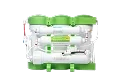
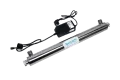
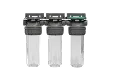
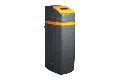
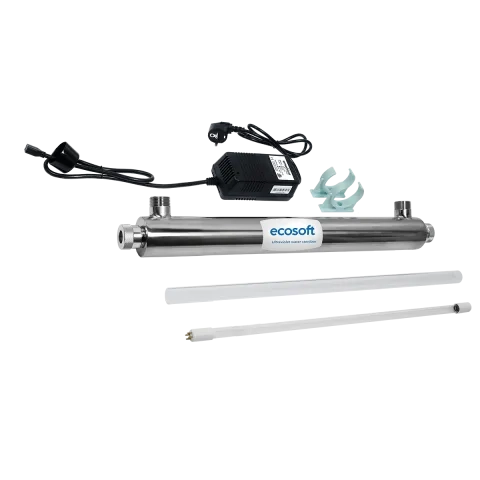
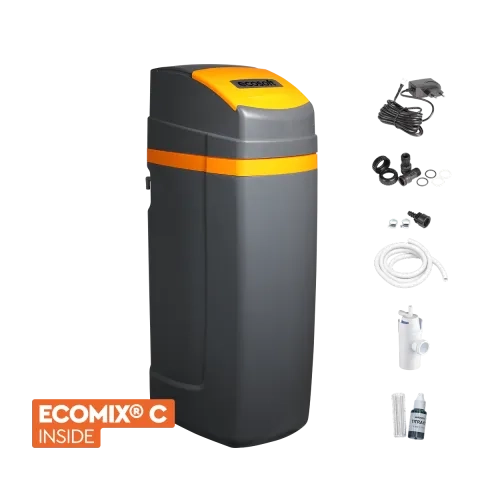
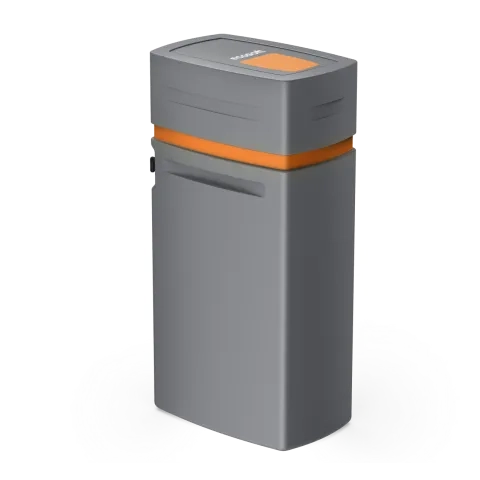
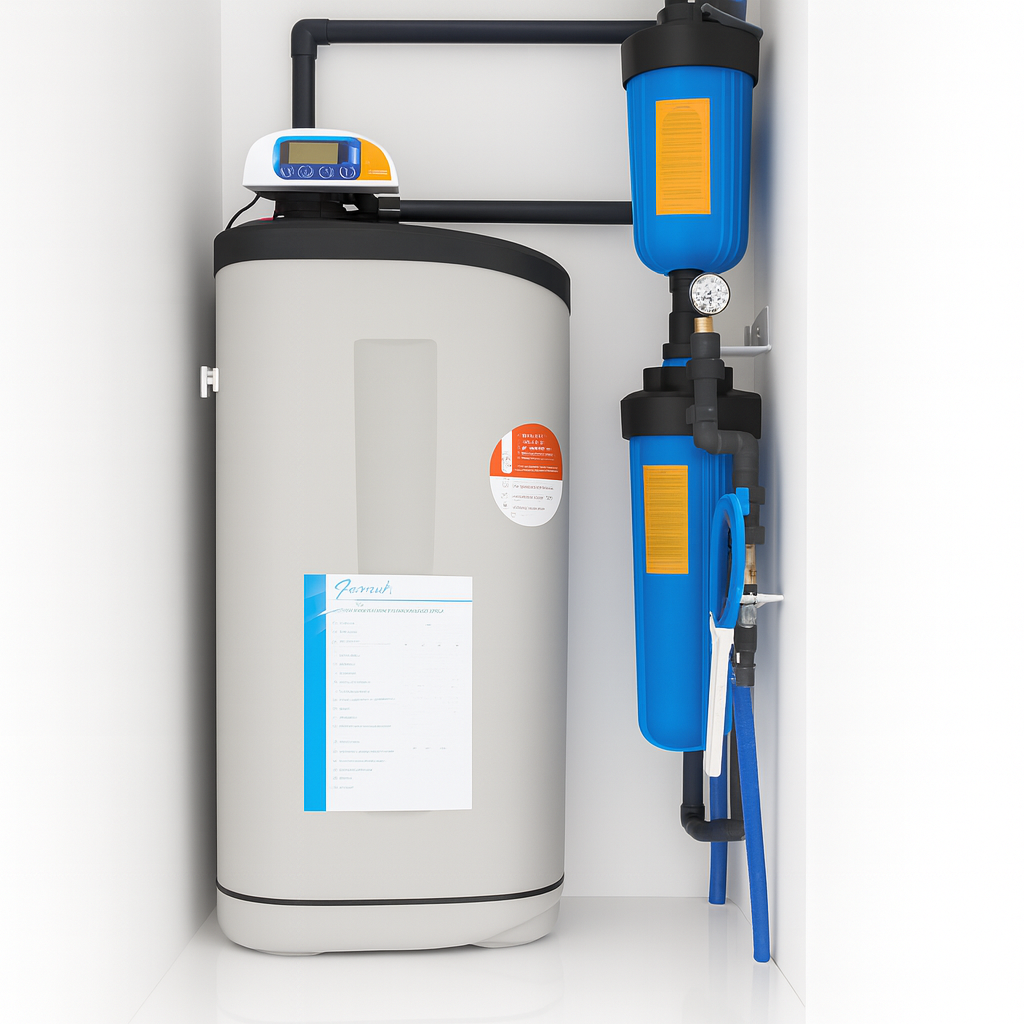
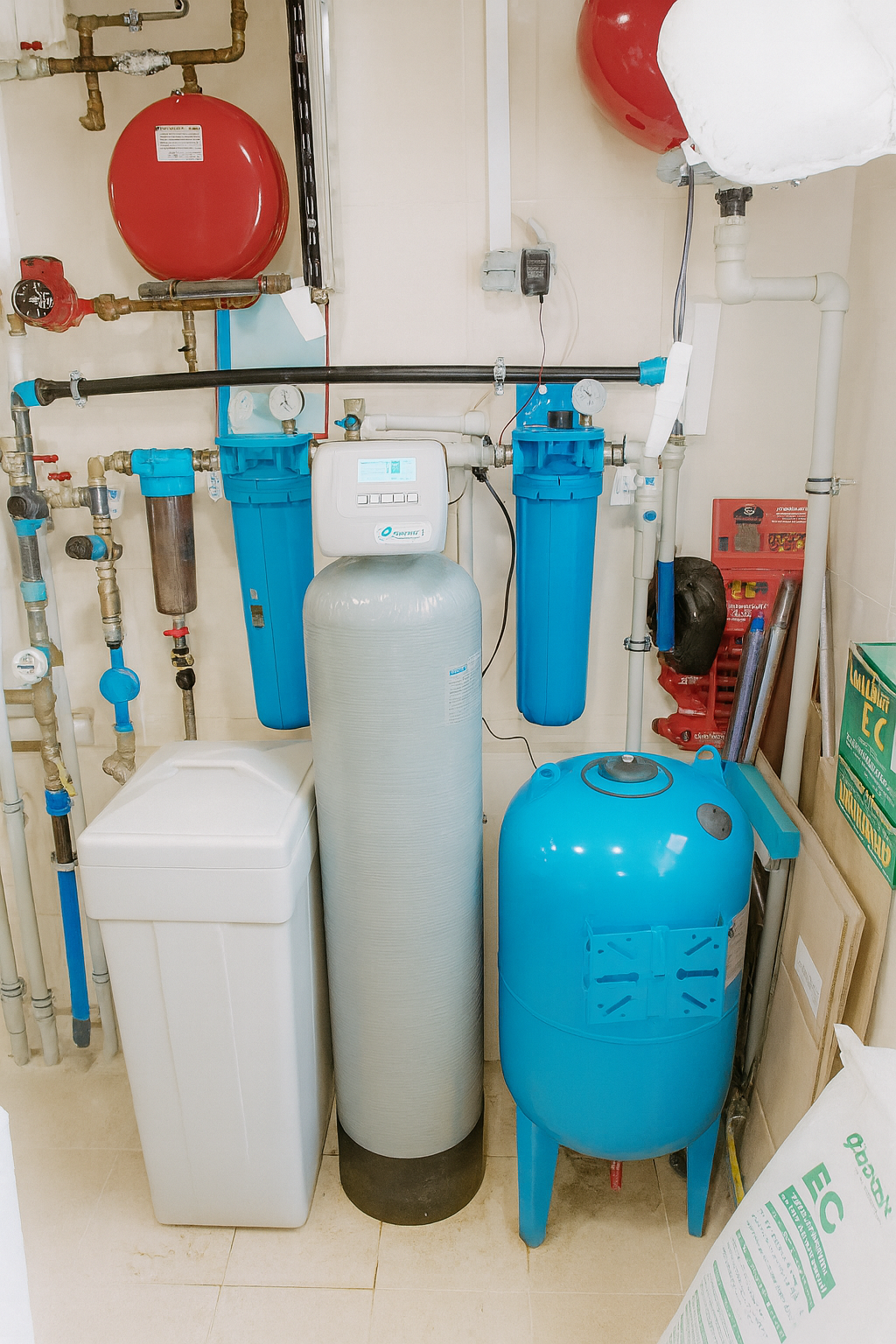
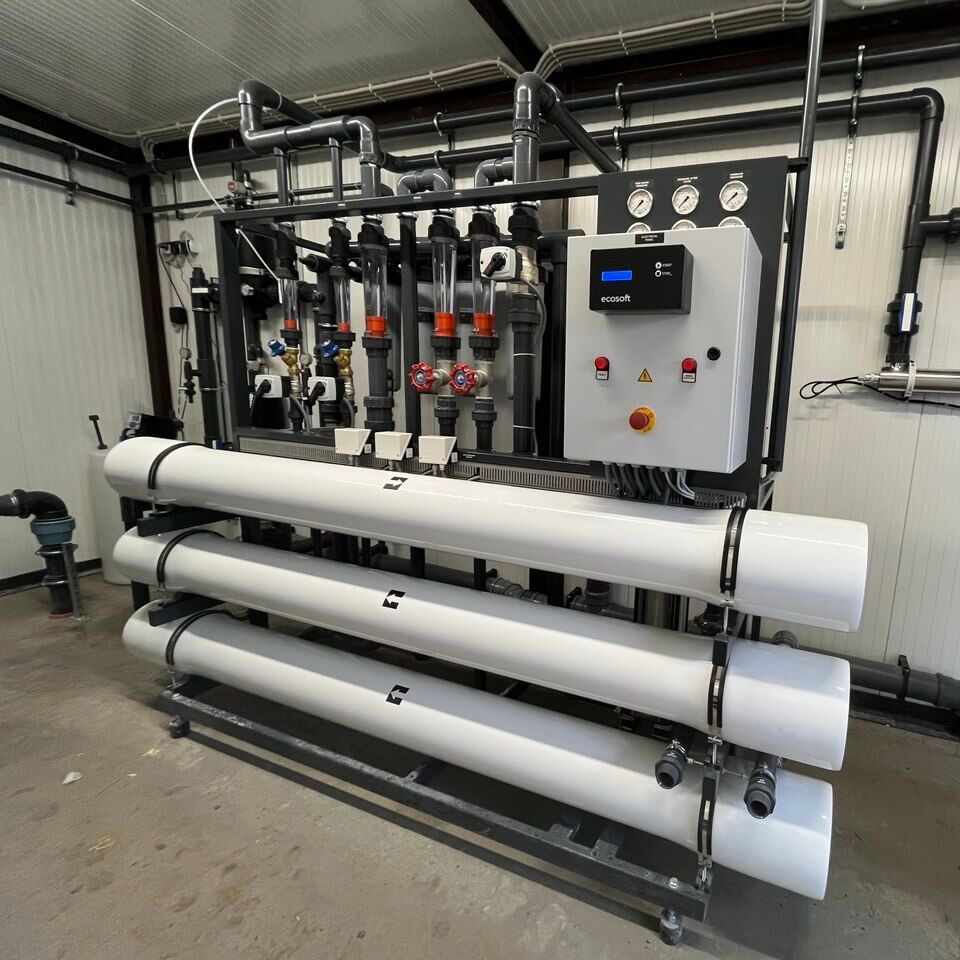
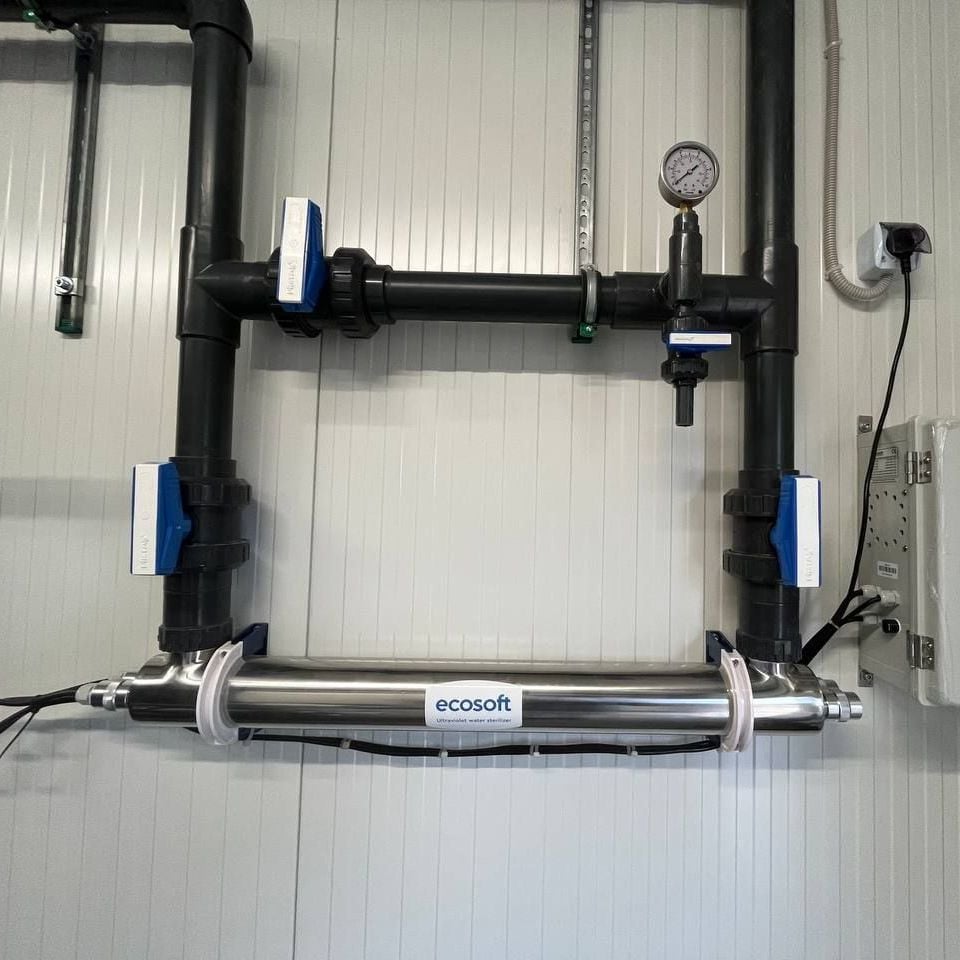
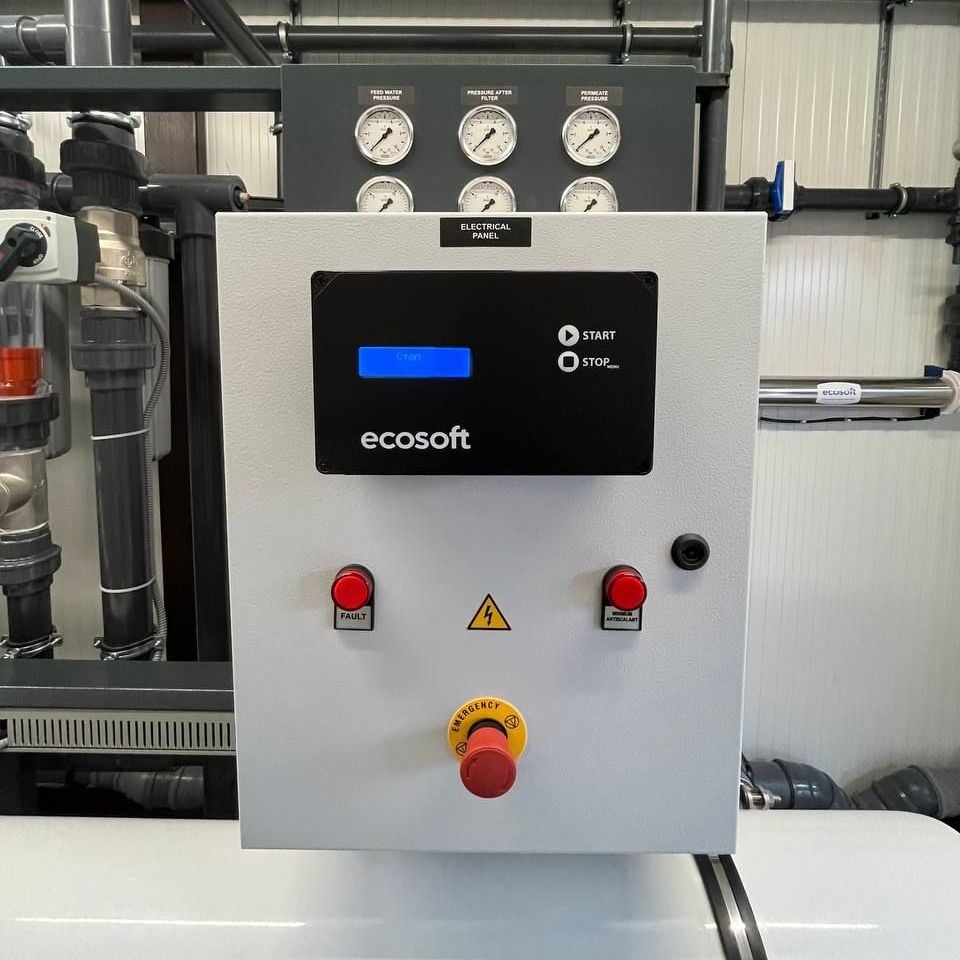
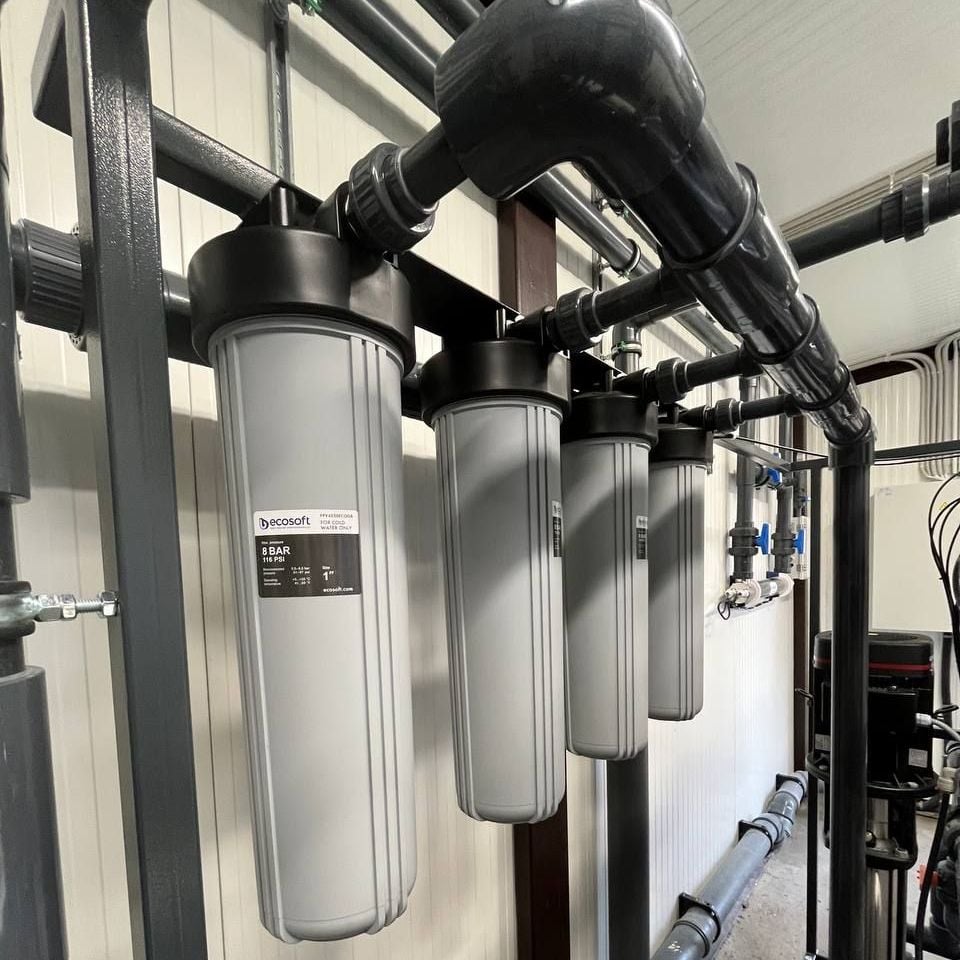
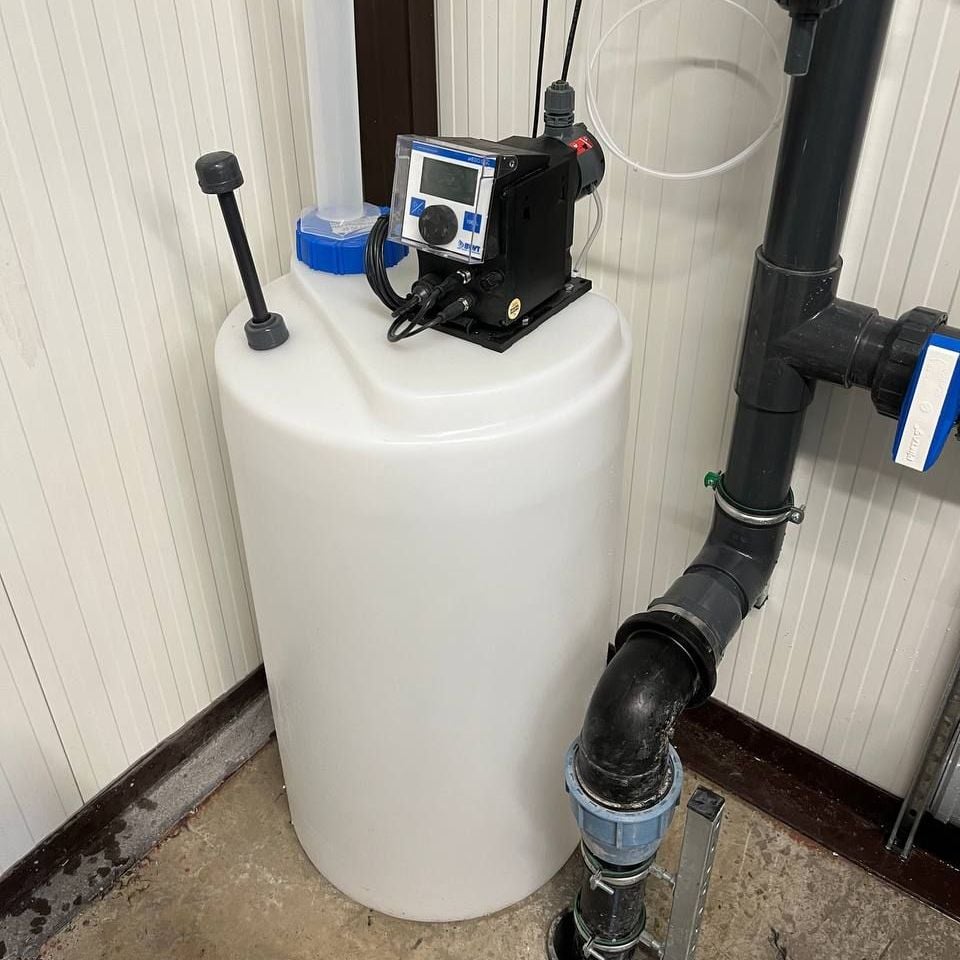
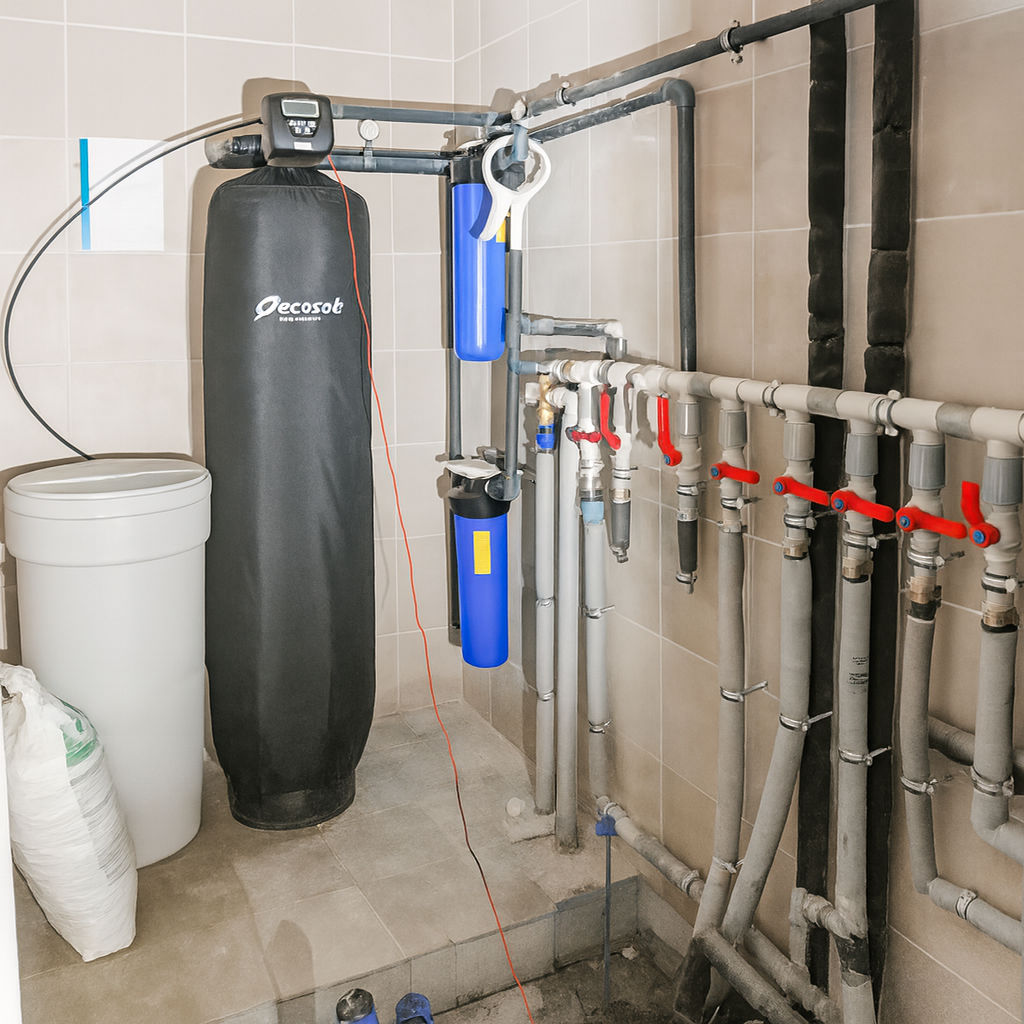
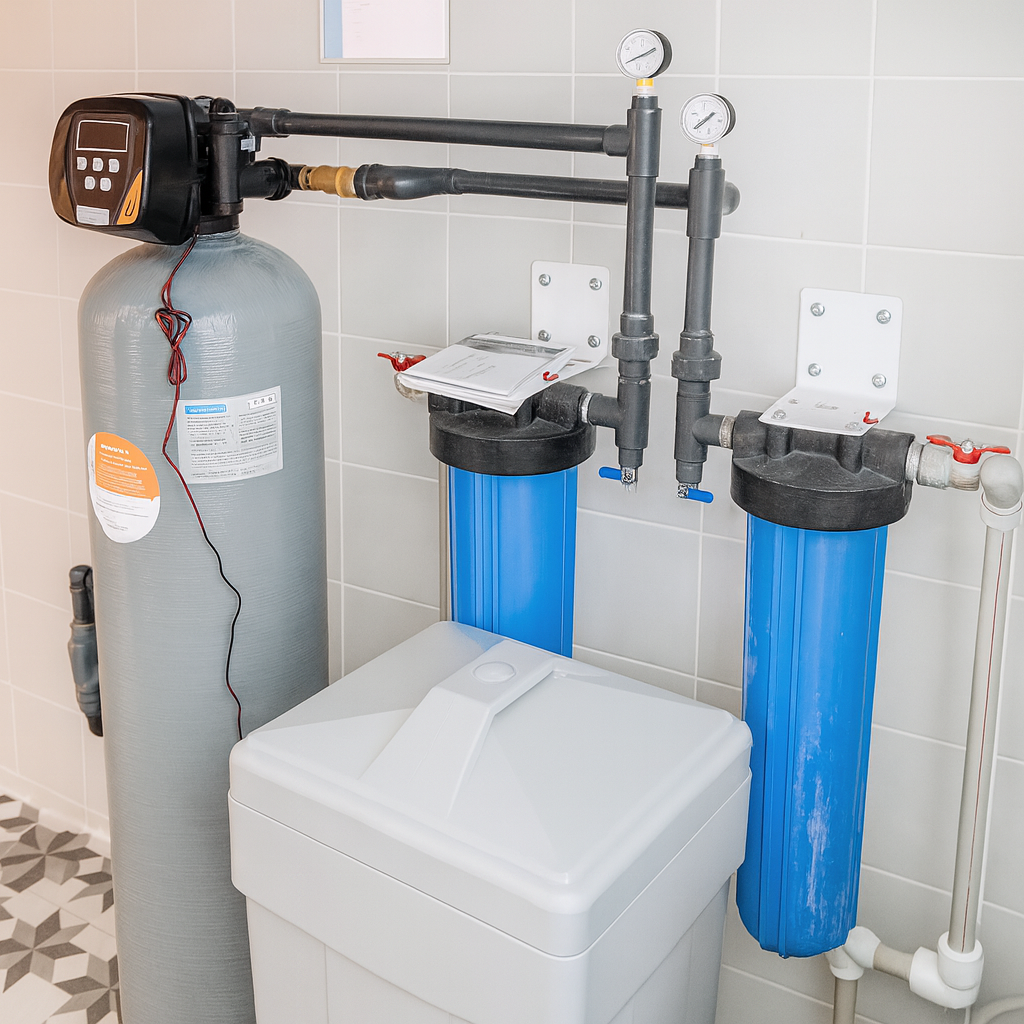
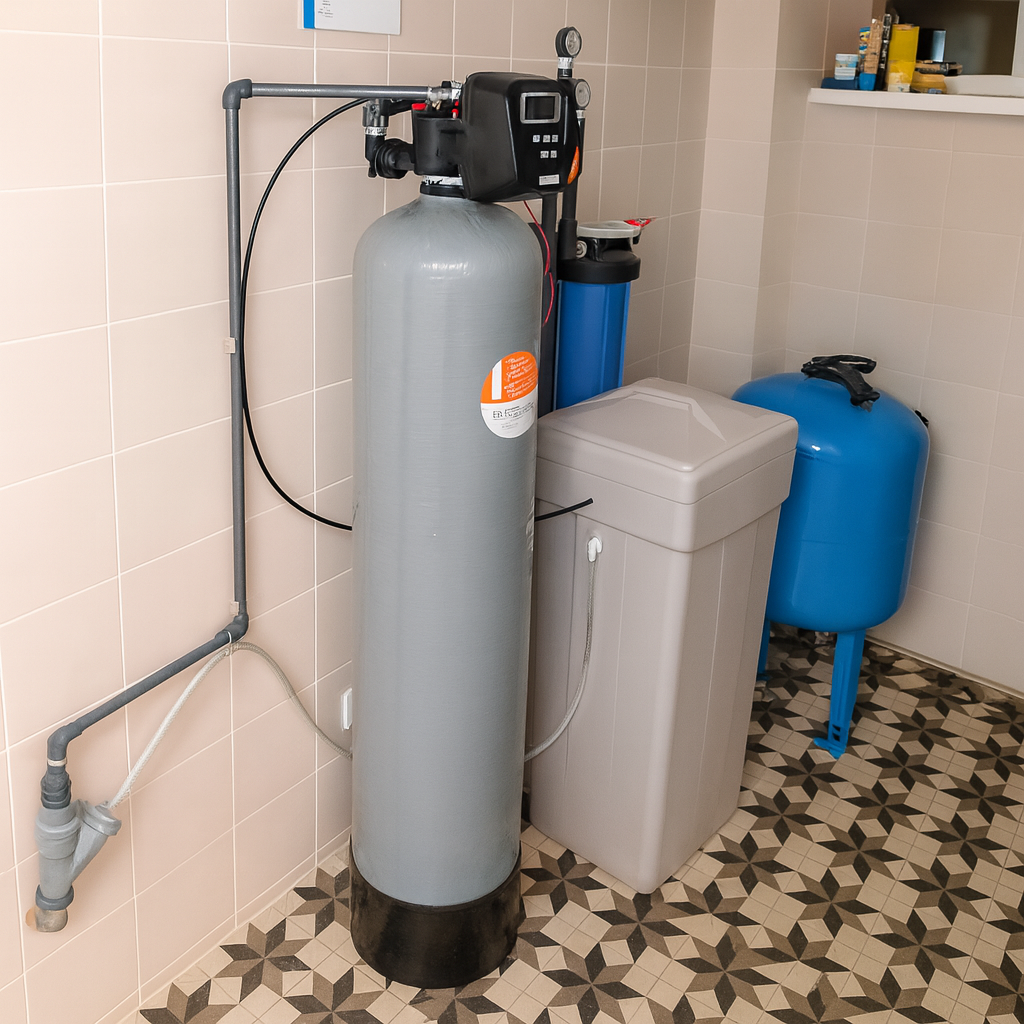
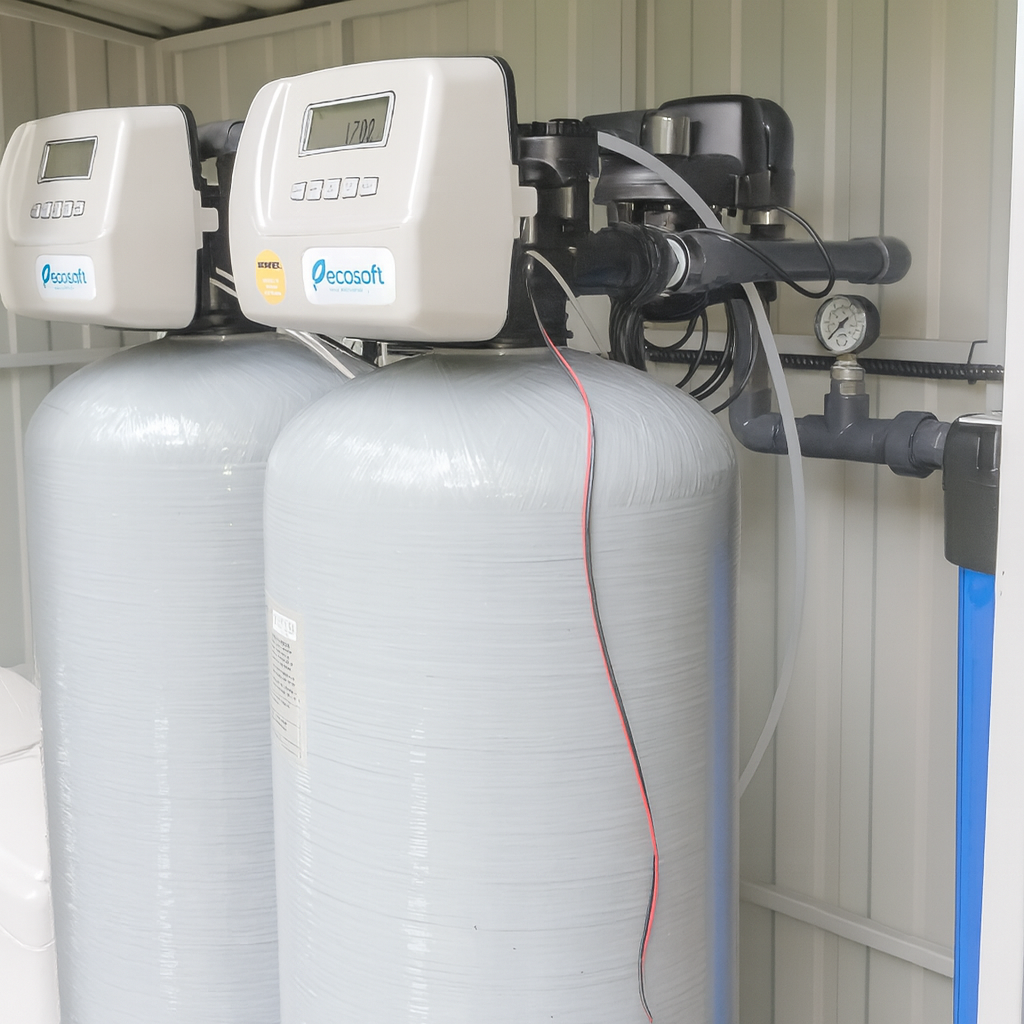
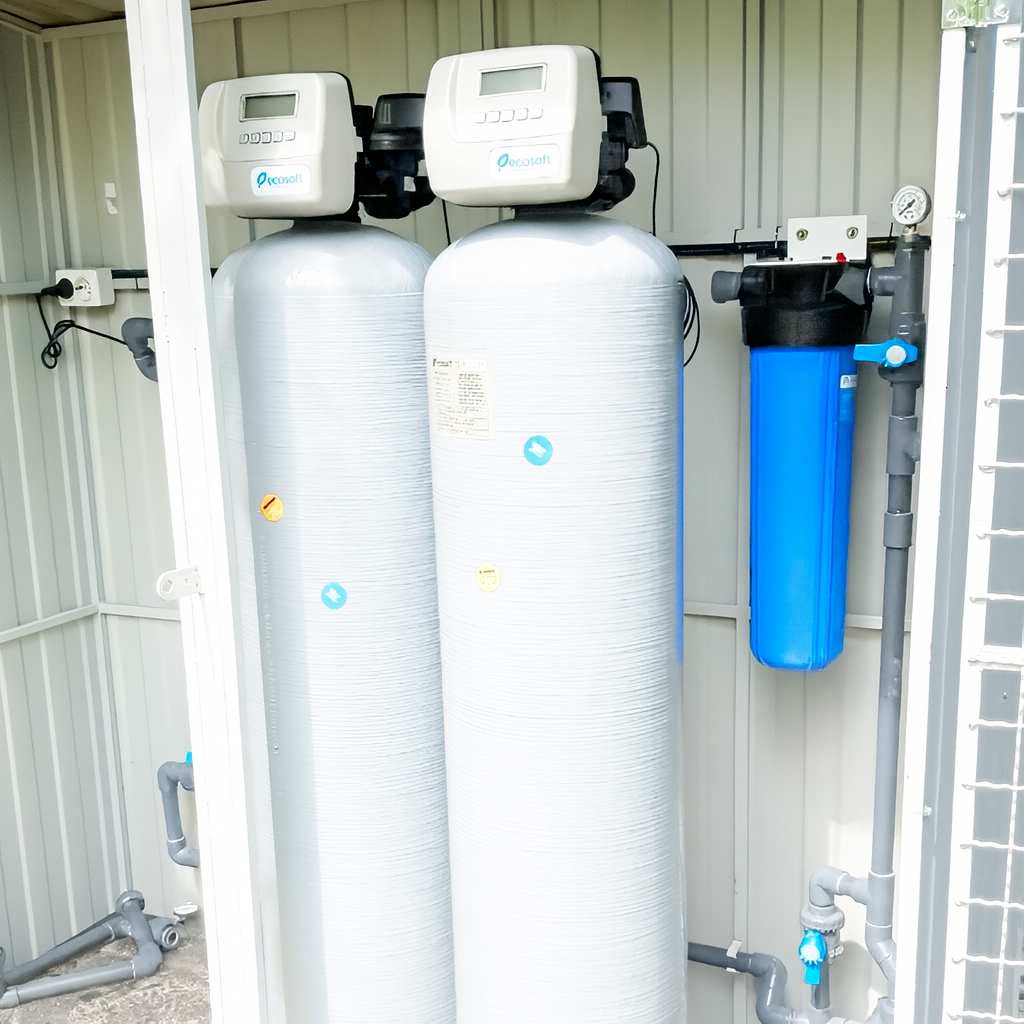
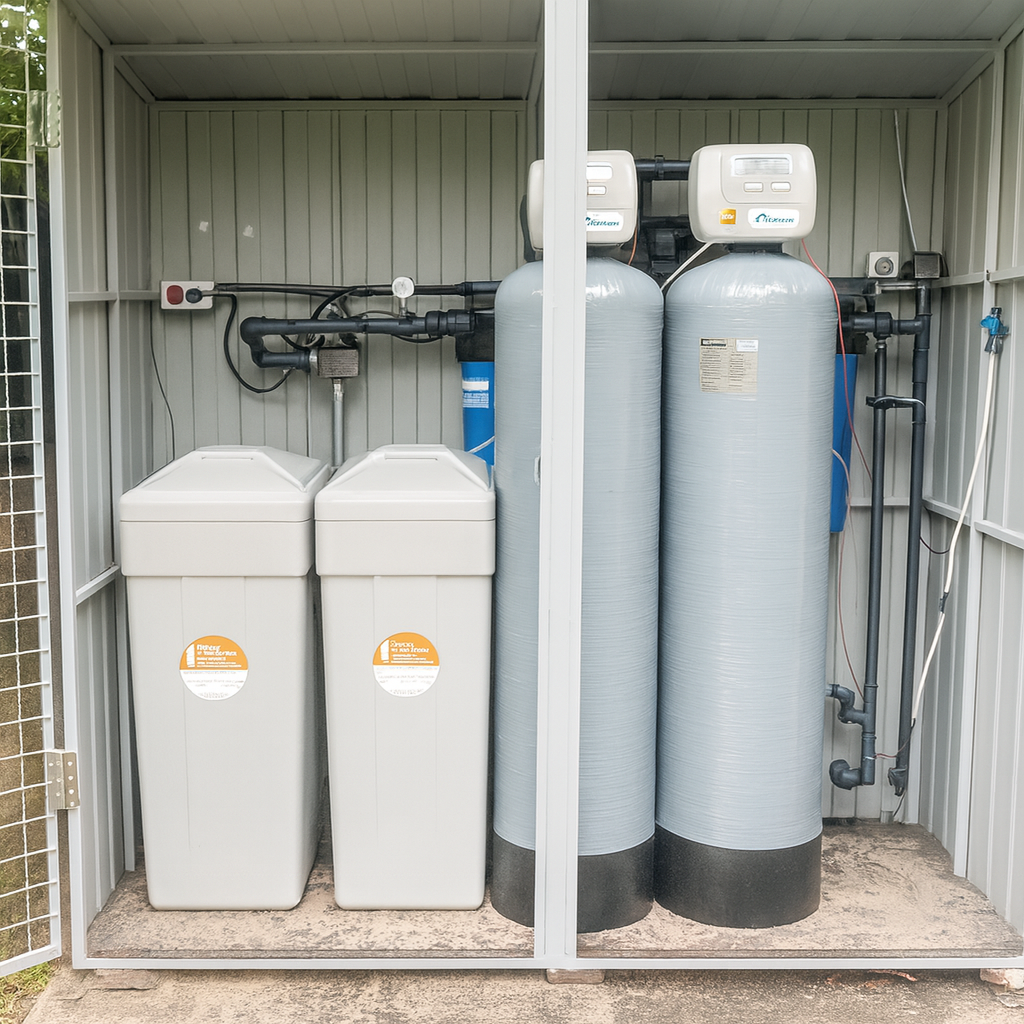
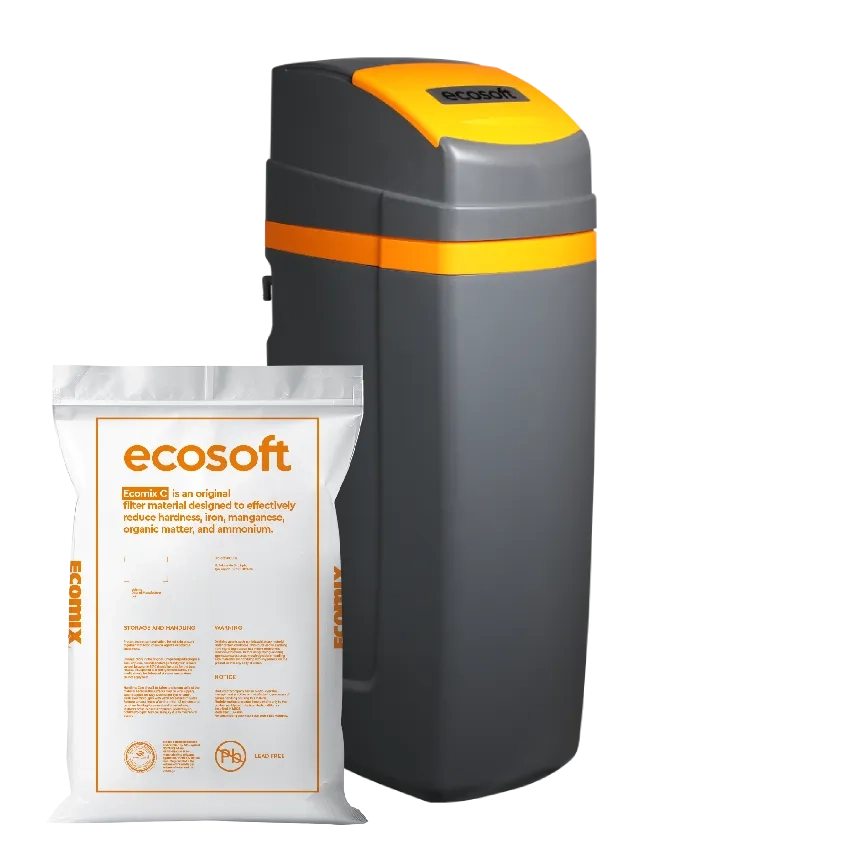
Ecosoft systems are designed to make well water usable everywhere in your home – safely and effortlessly. Depending on your water analysis, solutions can include sediment filtration, iron and manganese removal, water softening, UV disinfection or reverse osmosis.
Ecosoft solutions:
- adapt to your specific well water quality
- treat the entire household
- improve taste, clarity and safety
- protect appliances and plumbing
- require minimal maintenance
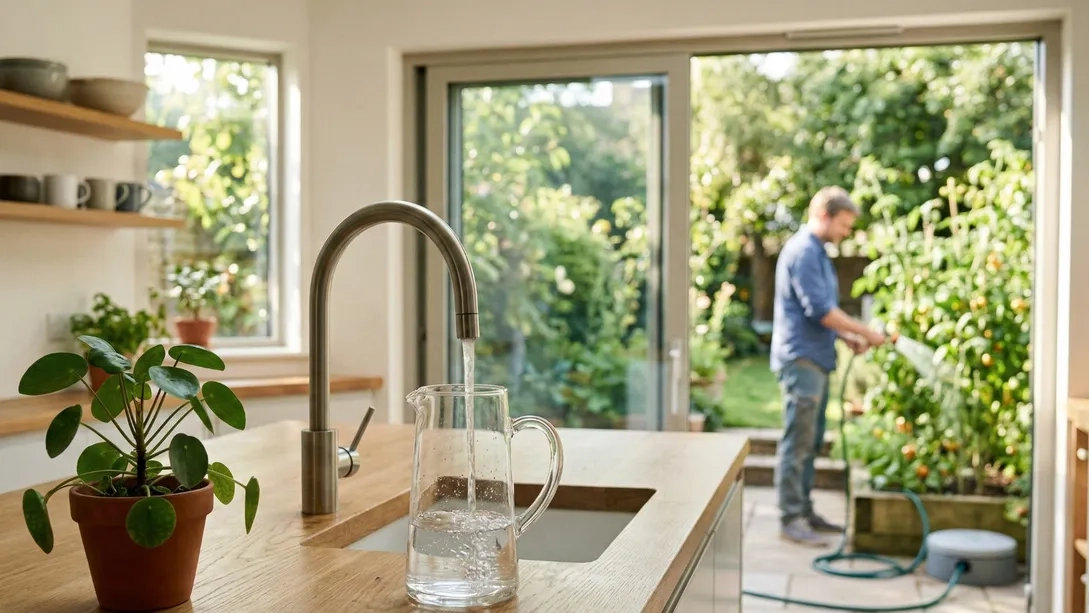
Whether you want reliable household water, safe drinking water or healthy garden irrigation – Ecosoft helps you get the best out of your well.
Safety and comfort for your home
Imagine using your well water without second thoughts – for cooking, drinking, showering or watering your garden. No stains, no strange smells, no worries. Just clean, reliable water whenever you need it.
With the right treatment, well water becomes a true asset: independent, sustainable and perfectly suited to modern living.