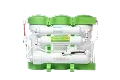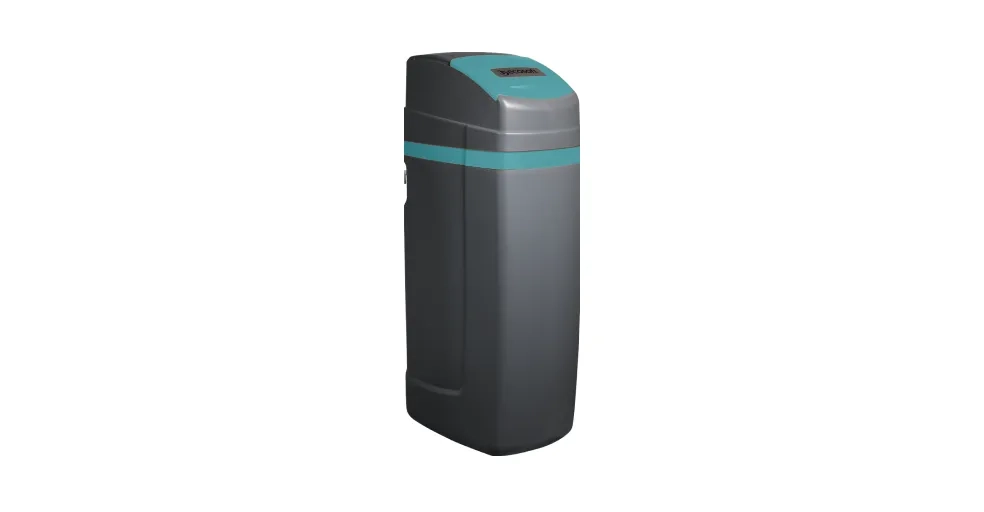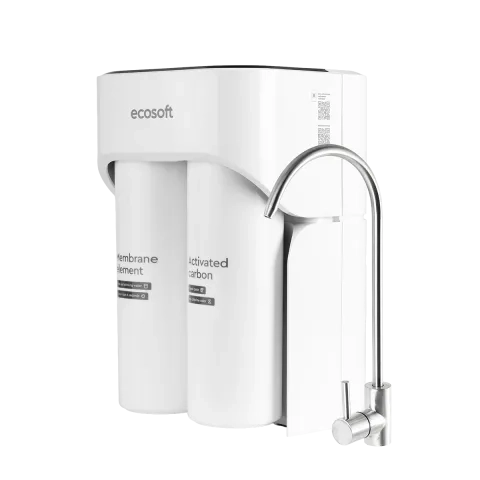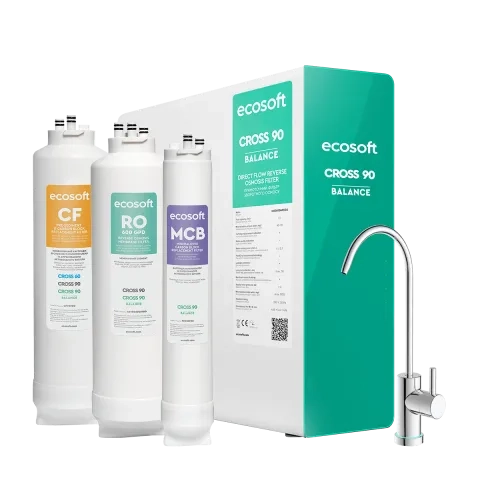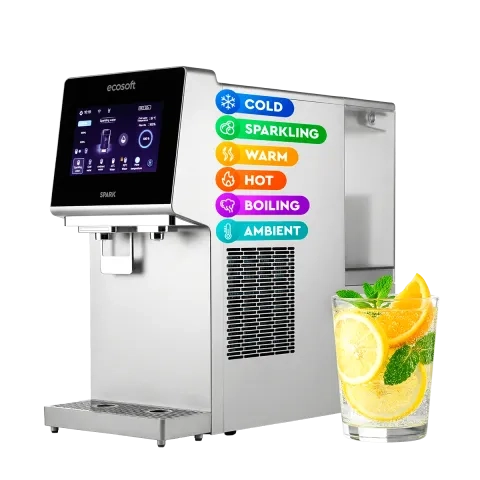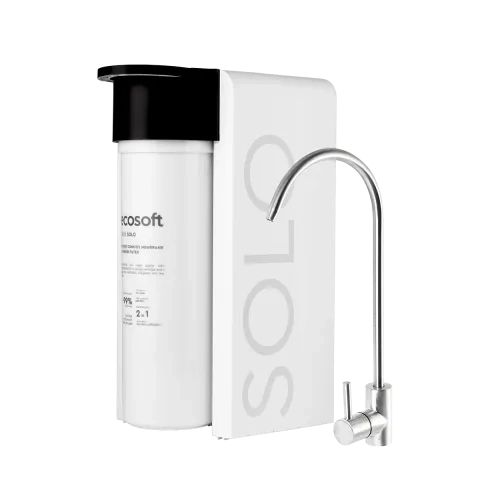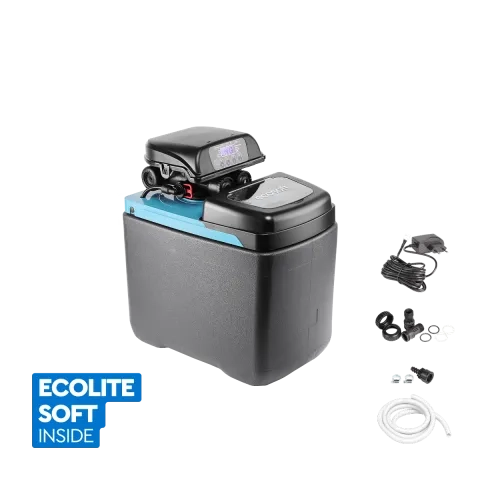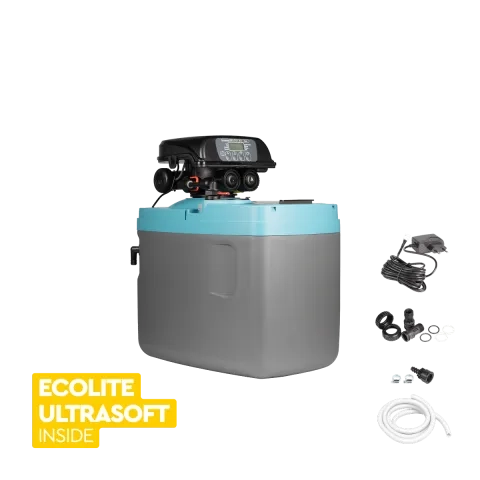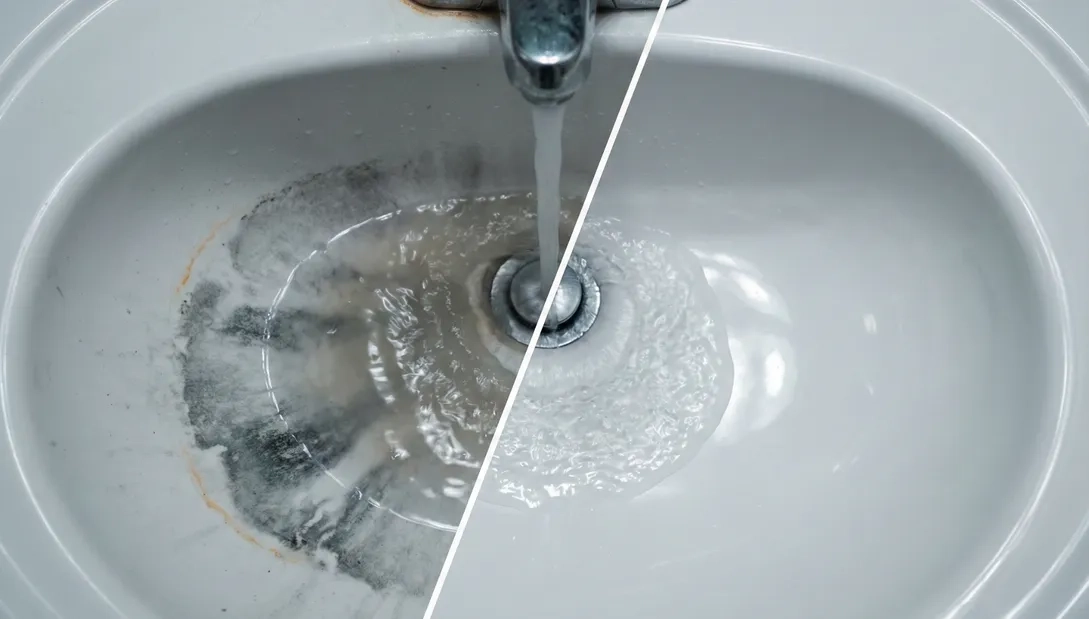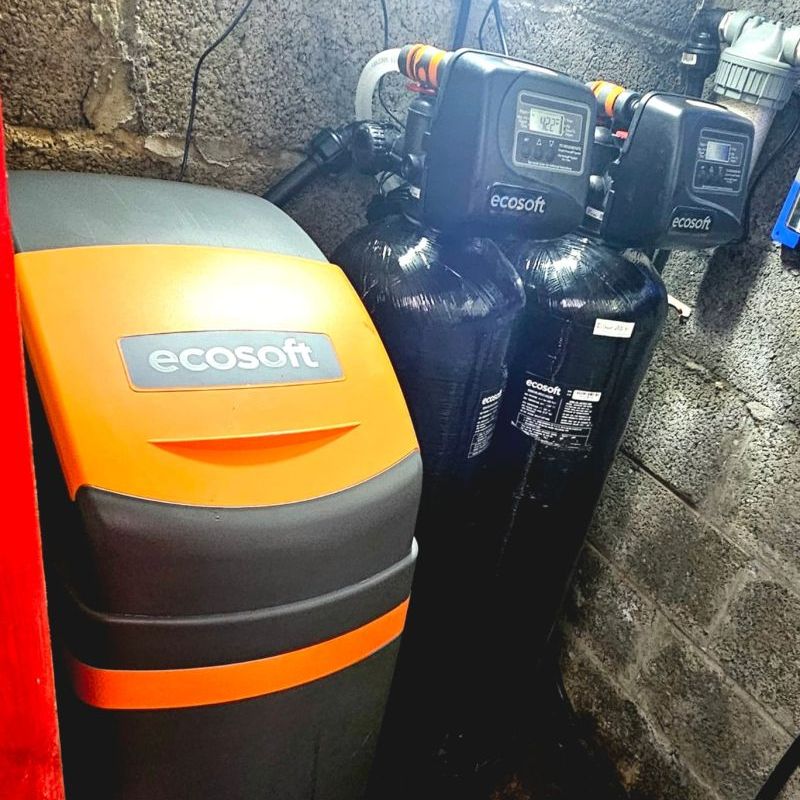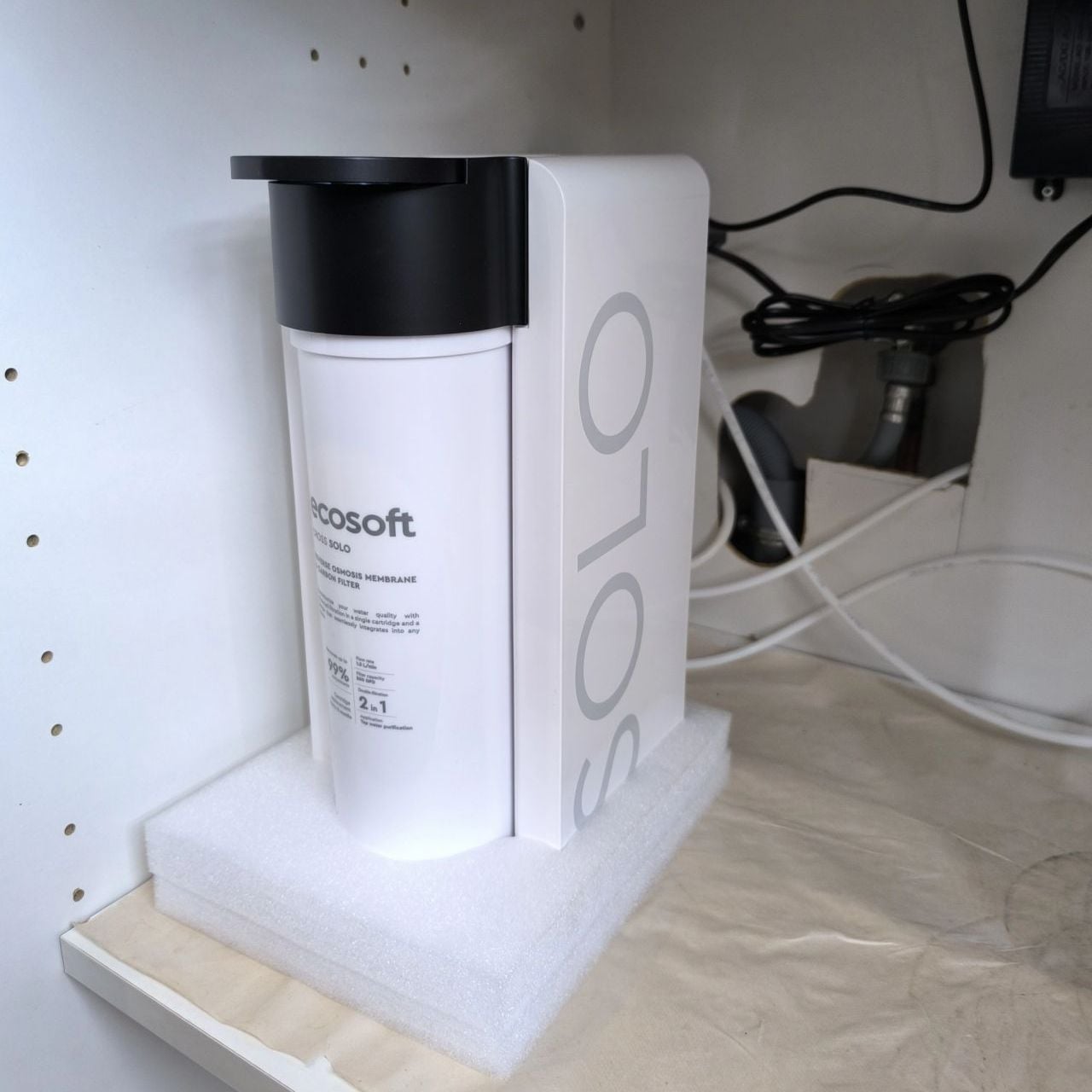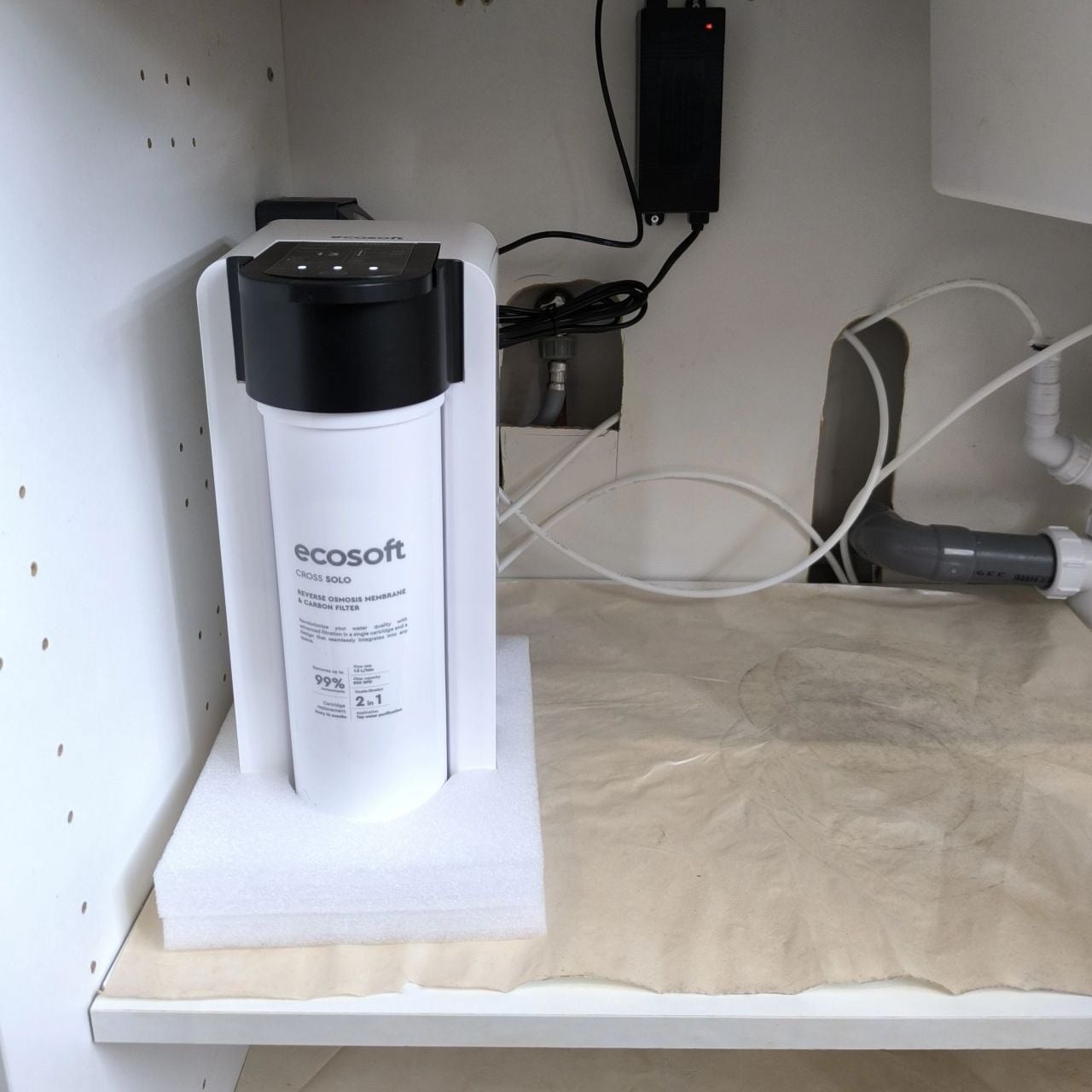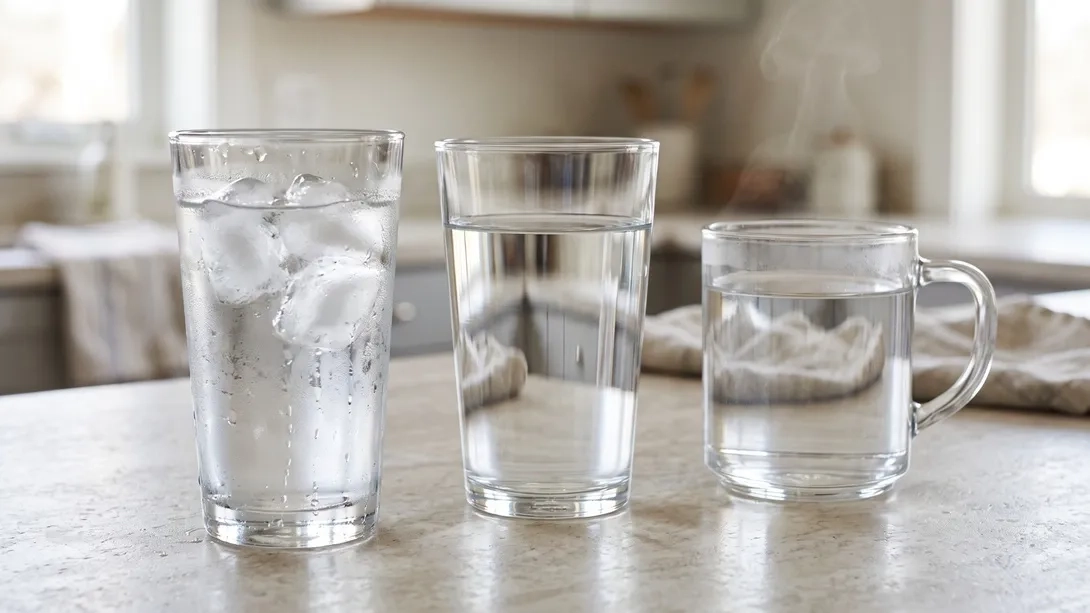

Drinking water at any comfortable temperature is good for healthy adults. However, the best overall temperature for drinking water is about 37–39°C. It is known as lukewarm. To ensure water, even of the best heat level, is safe to drink, use reverse osmosis filters that remove over 99% of contaminants or water softeners that eliminate calcium and magnesium. Ecosoft has a wide range of units and systems to match your conditions and meet your requirements for water composition.
Why Water Temperature Matters
To understand the importance of the water temperature, let’s start with key water functions in the human body, which include:
- Temperature control. When you drink cold water, you cool down. When you drink hot water, you warm up. Sweating causes your body to cool down.
- Nutrient transport. To move food and oxygen to cells, blood must be runny, diluted with water delivered from outside.
- Digestion. Water creates saliva that is needed to break down food at the first stage of digestion. Also, water helps food move smoothly through the gut.
- Waste removal. Kidneys and bowels need water to remove toxins.
According to a physiologically determined process, the temperature of water swallowed is quite quickly adjusted to inside body temperature. The time depends on volume and some other factors. But when water is swallowed, oral and gastrointestinal thermoreceptors immediately send neural signals to the hypothalamus to manage homeostasis.
As a result, coordinated autonomic responses make us feel differently, and our organs’ performance changes based on how warm or cold the water is swallowed. That is why water temperature is important for almost all the above functions.

Benefits of Drinking Cold, Warm, and Room-Temperature Water
The choice between cold, hot, and lukewarm water often depends on personal preferences. But there are some scientifically based benefits, like the following:
- Cold water helps balance the internal temperature and feel refreshed, particularly when a person is exercising intensely, working in the heat, or feeling overheated in hot weather.
- Cold water narrows blood vessels and can help reduce a sore throat.
- Warm and hot water relaxes tissues of the digestive tract and eases digestion.
- Warm water can gently stimulate bowel movements.
However, a primary health benefit of water is hydration itself, which does not greatly depend on the water temperature. When you swallow water, it quickly moves through the stomach to the small intestine, where it is absorbed. Thus, both hot and cold water hydrates equally fast.
What Temperature Is Considered Ideal?
The goal determines everything. For digestion, warm water is much better because it doesn't shock the stomach or constrict blood vessels. Icy cold water usually tightens stomach muscles, which slows muscle movement that pushes food through the digestive tract. The ideal temperature here is 30°C to 37°C, when digestive enzymes work at peak efficiency.
Factors That Influence Personal Preferences
Social norms influence personal preferences. Serving ice water in most cafes and restaurants develops consumers' habits to prefer chilled water. However, shared expectations take second place to individual reasons, including:
- Difficulties with swallowing. Warm or lukewarm water can be easier to swallow, which is particularly important if someone has a sensitive throat.
- Digestion issues. Warm or hot water improves digestion, as it removes tension and stimulates the passing of food through the digestive tract.
- Refreshment needed. Many people believe that cold water is more refreshing. When you are in hot weather or are involved in intense physical activity, a sip of cold water cools down the body.
- Thirst quenching. Lukewarm water accelerates thirst quenching rather than cold water because you can drink it in larger, steady amounts at once and avoid shock that very cold water can cause to your systems.
- Lack of alertness. Cold water provides a quick brain wake-up and cognitive enhancement, as under the shock, the brain initiates the release of chemicals. Touching the back of the throat, icy water immediately cools the local blood vessels and stimulates the vagus nerve, which sends a signal to the brain to release adrenaline and endorphins. It temporarily removes fatigue.
Cultural traditions may be a determining factor. For instance, traditional Chinese medicine favours hot water to maintain health and inner balance. It means that people following these traditions will hardly drink cold water.

Conclusions
We’d say that in most cases, the behaviour is a learned habit rather than a biological requirement, meaning it can be unlearned. The crucial factor for human health is to keep the body well hydrated. The temperature matters much less under standard circumstances. Scientific background still proves that hot or warm water brings more benefits. But what is important for sure is water purity. It must be safe to drink.
Modern water treatment solutions provide the highest levels of purification. They remove hardness, salts, heavy metals, chemicals, organics, bacteria, and viruses. You can improve water taste and enrich it with minerals you need for your health profile. Ecosoft produces and integrates home water filters and systems for commercial purposes, including powerful filtration stations for the HoReCa sector.