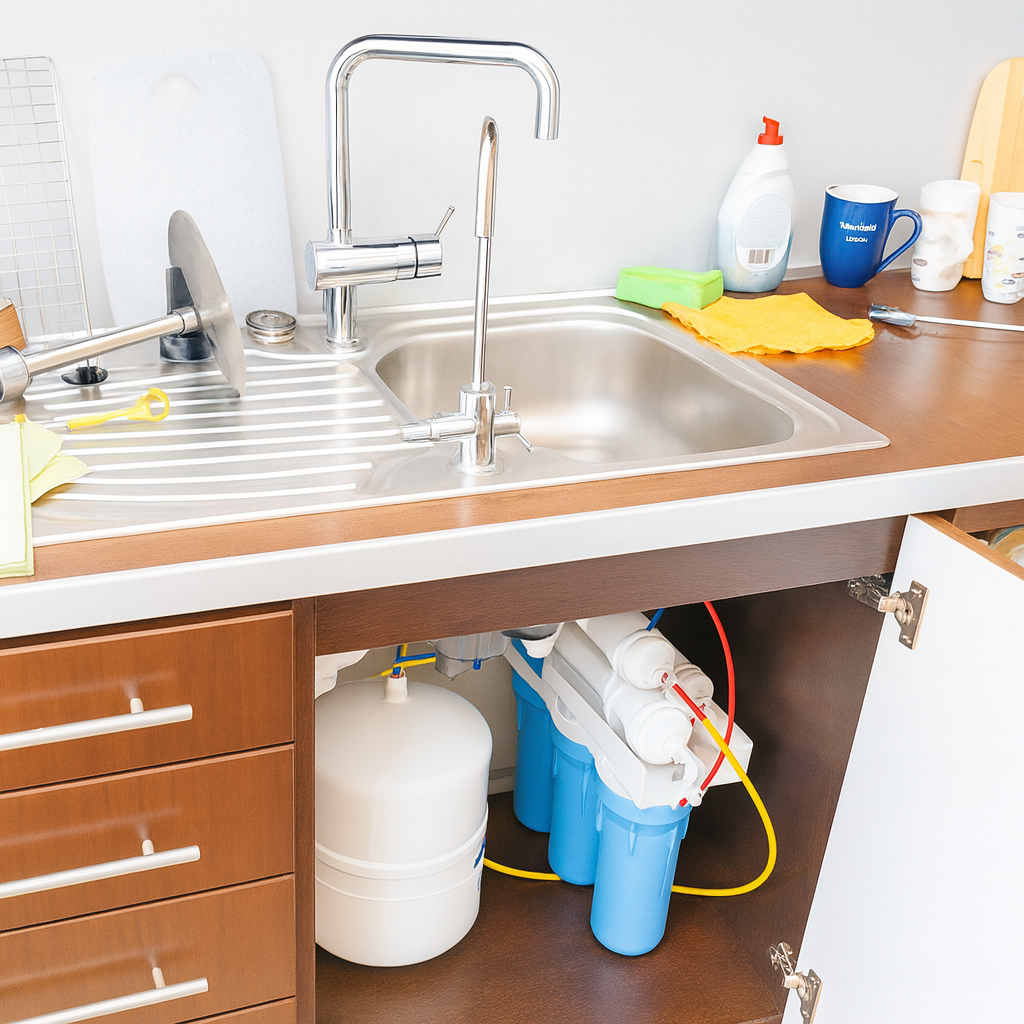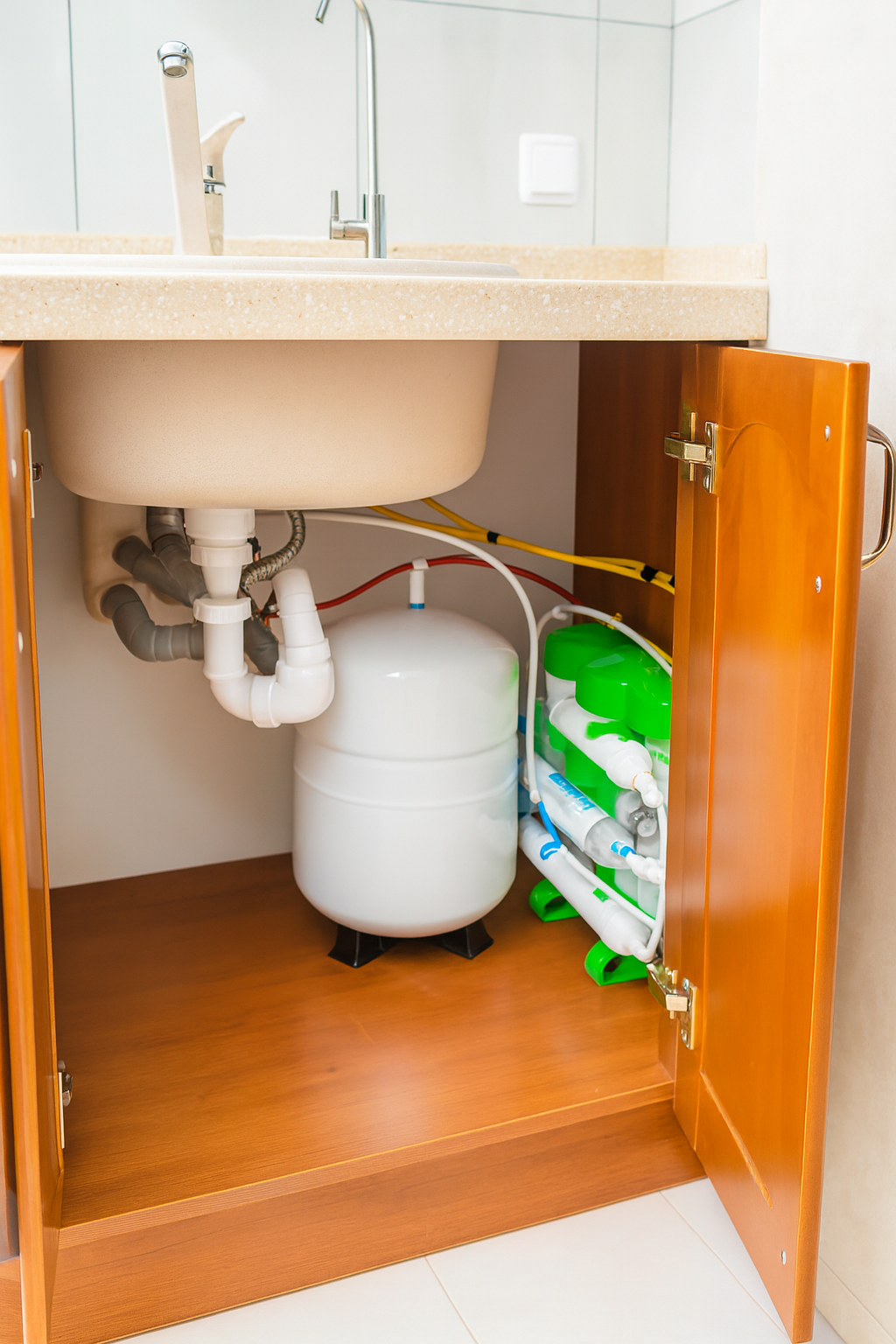




If you’ve ever wondered how to filter water at home, this guide explains all the options — from simple filter jugs to advanced reverse osmosis systems.
Why water quality at home matters
Water plays a key role in your daily life — from drinking and cooking to bathing and protecting your appliances. Depending on the source, it may contain chlorine, hardness salts, iron, manganese, or even hydrogen sulfide. These can affect taste, smell, and cause limescale or stains.
If your water smells unpleasant, leaves stains on your fixtures, or causes dry skin, something might be off. Odours and tastes can offer important clues about what’s in your water. A rotten egg smell, for example, is often a sign of hydrogen sulfide. And if you rely on a private well, regular cleaning and disinfection are just as important as proper filtration.
Why untreated water can be dangerous
Water that looks clear can still contain hidden contaminants. Nitrates, aluminium, residual chlorine, or microbial pollution may not change the appearance of your water but can have long-term health effects. Their presence often depends on local conditions — for instance, elevated levels of chlorides in water can point to industrial pollution or salt intrusion into wells.
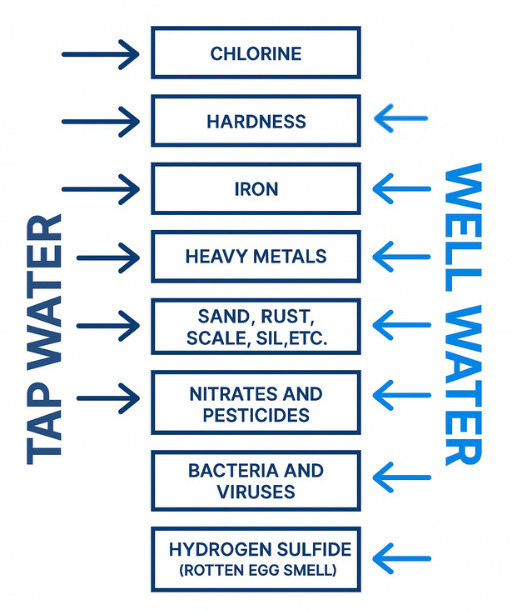
Before choosing a filter, it’s essential to know what’s in your water. Start with testing your water at home and explore solutions like reverse osmosis for removing even invisible contaminants.
Types of water filters: overview and how to choose the right one
Before choosing a water filter, start with one simple question:
Do you want to filter only drinking water, or all the water in your home?
Water filtration systems fall into two main categories:
1. Drinking water filters: installed where the water is used
Designed for installation under the kitchen sink, on the countertop, or inside a fridge - delivering safe, great-tasting water for drinking and cooking.
Main types:
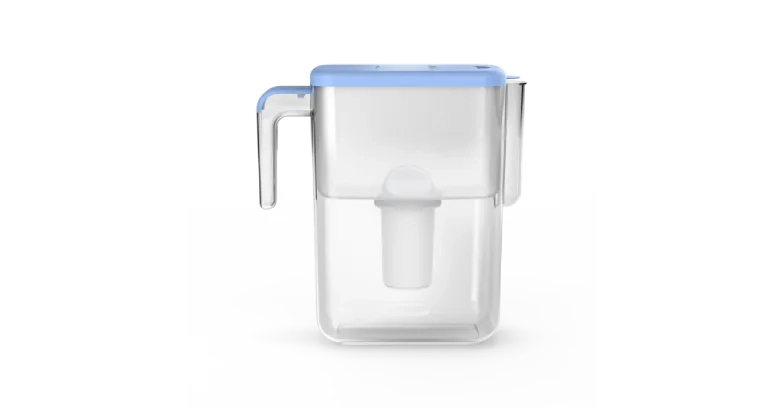
- Water filter jugs — simple, portable solution with a replaceable cartridge. Removes chlorine, unpleasant odour, and some heavy metals.
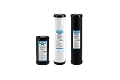
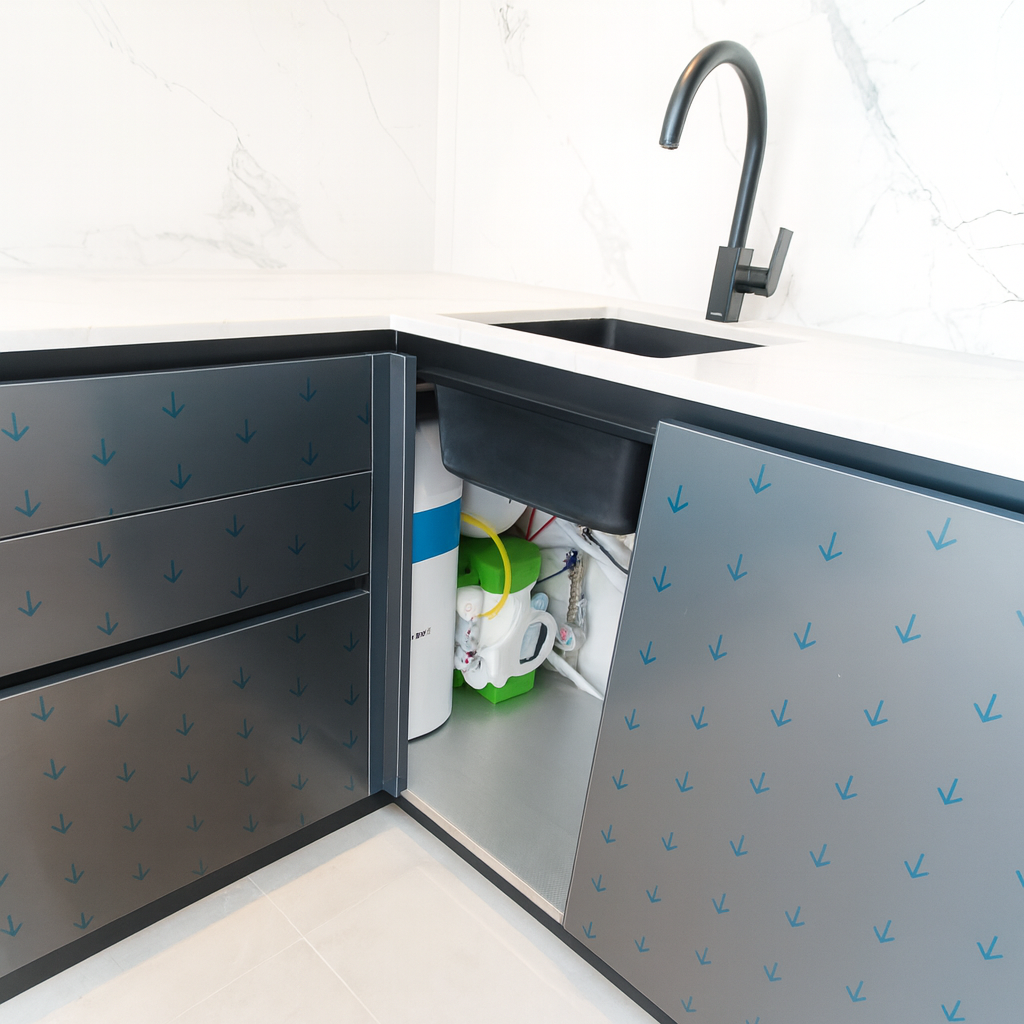
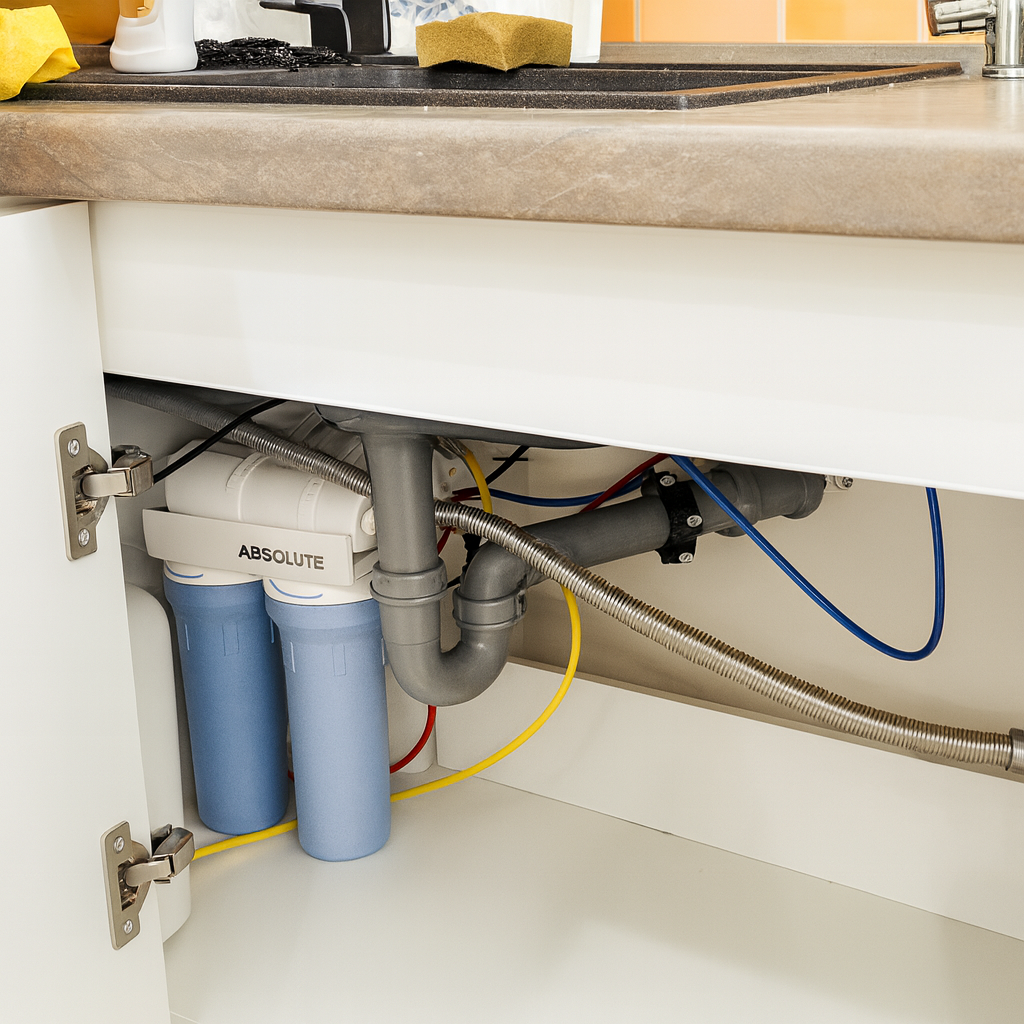
- 3-stage under-sink filters — compact systems with three cartridges to remove sediments, hardness, iron, chlorine-based organics, and improve taste.
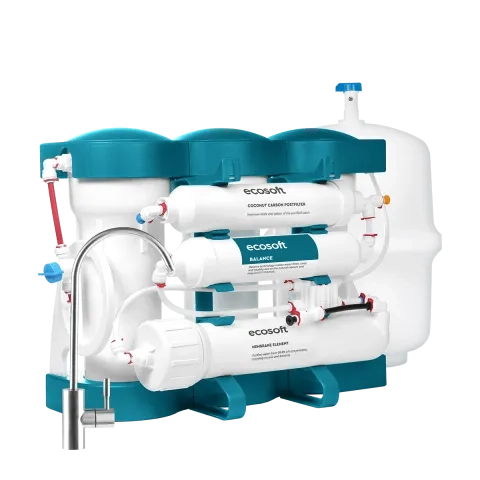
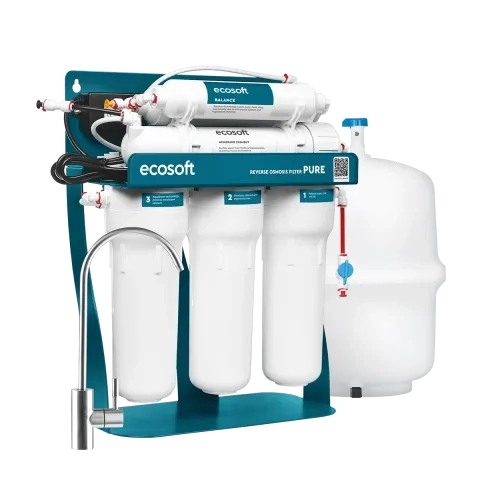
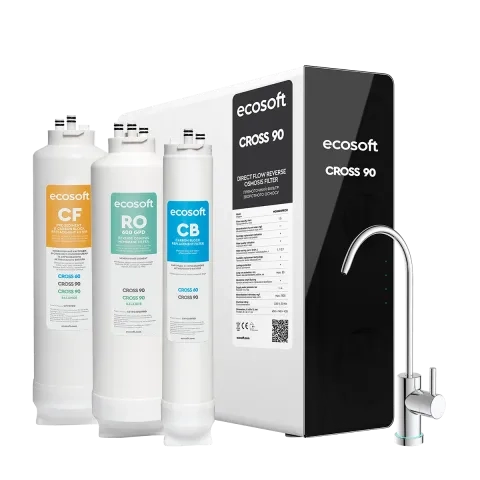
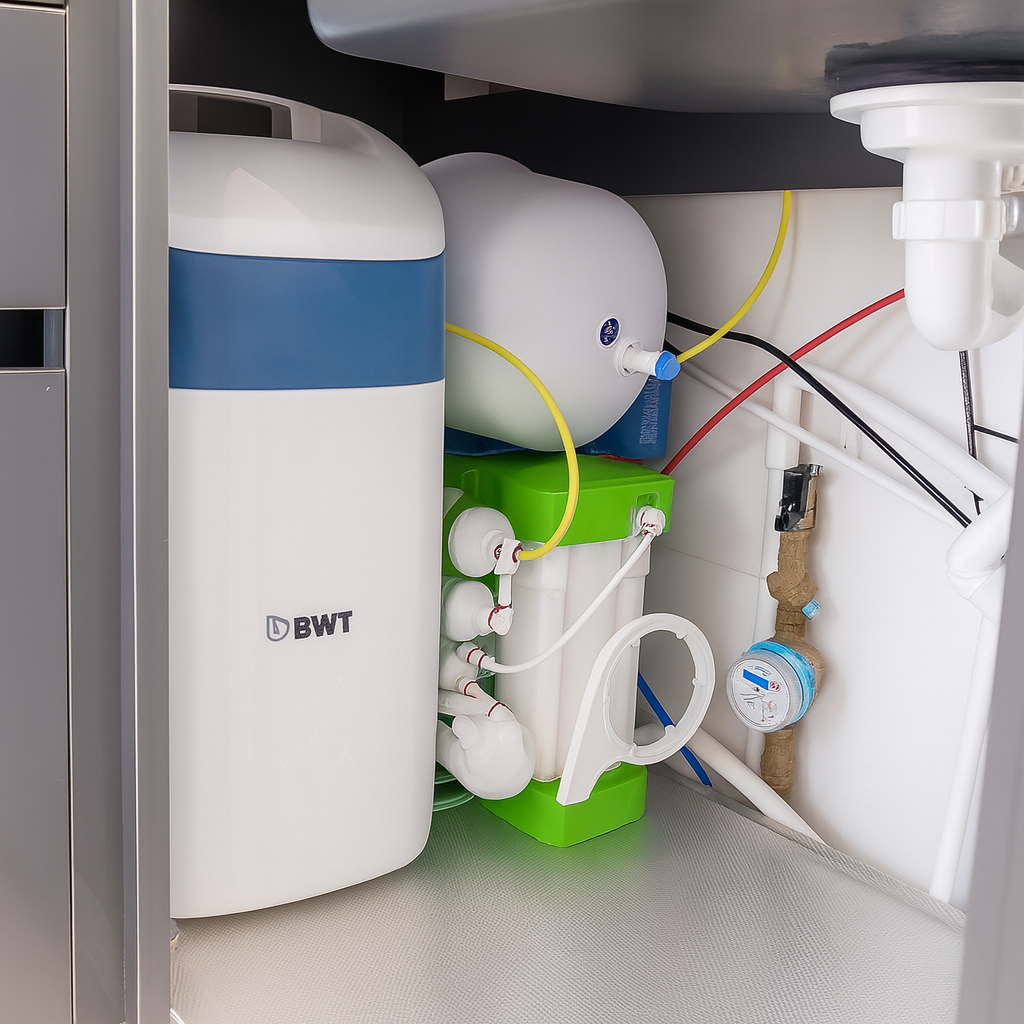
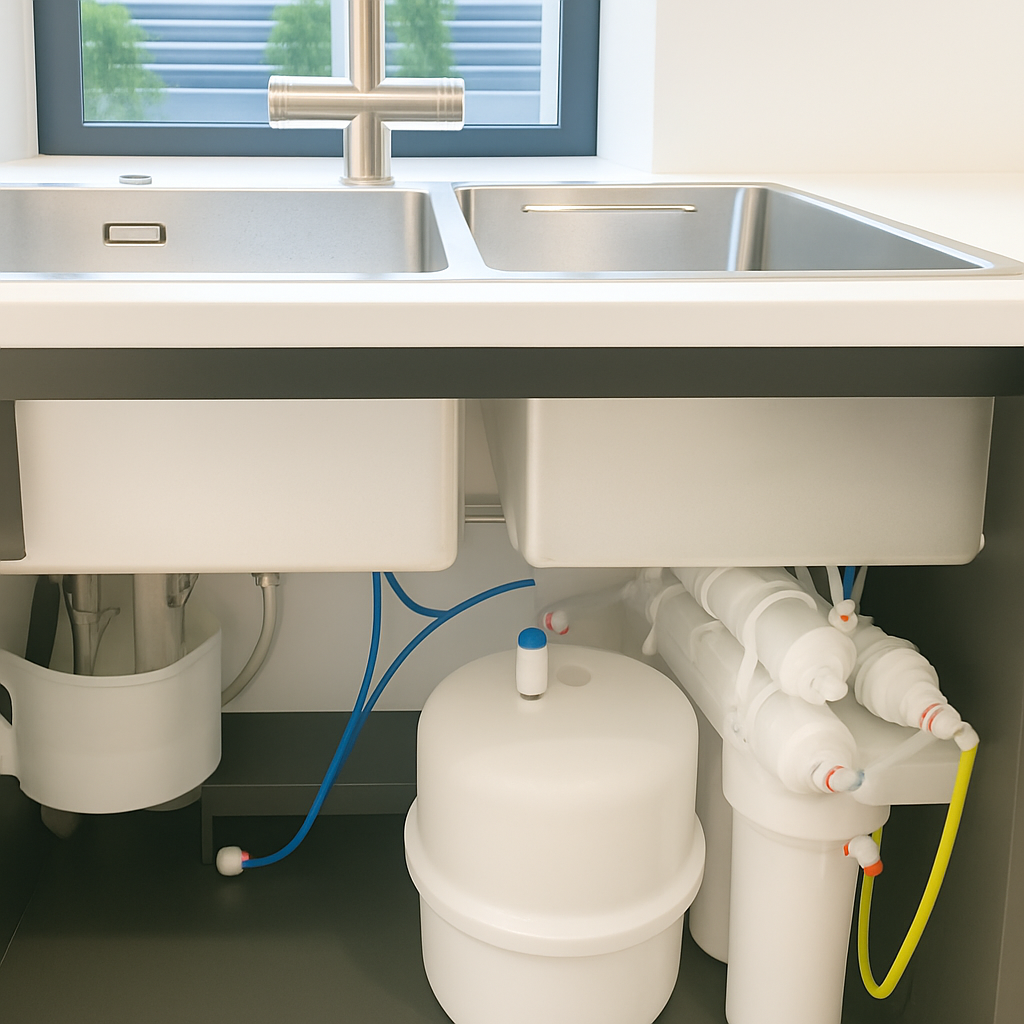
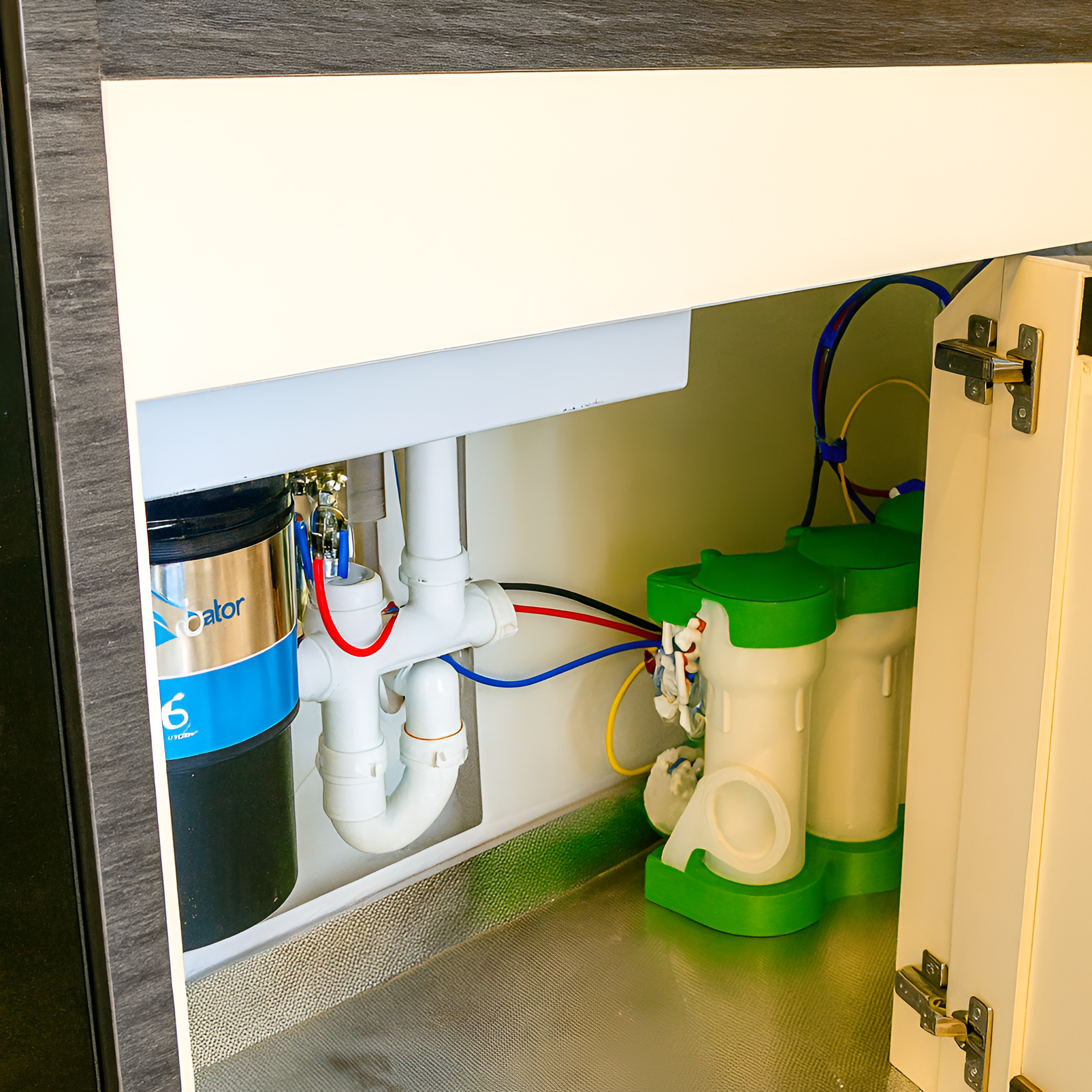
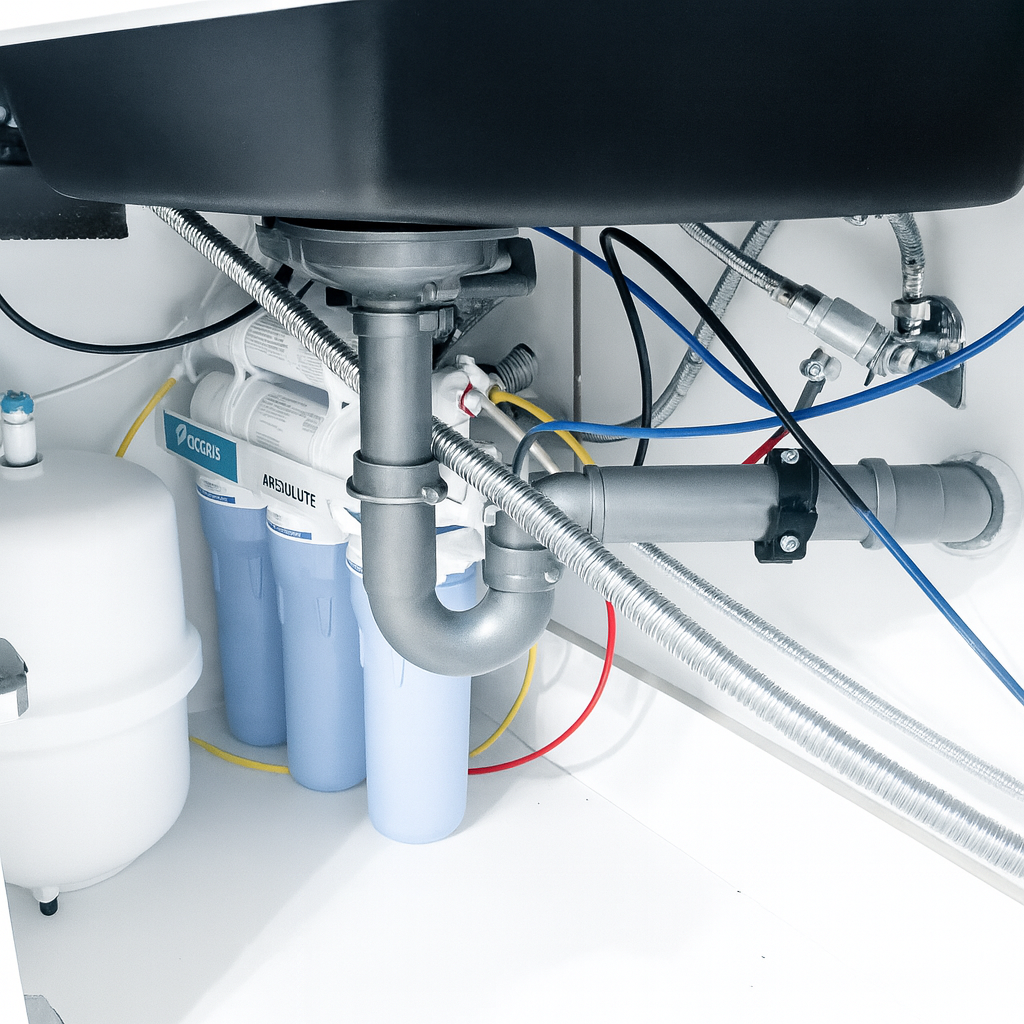
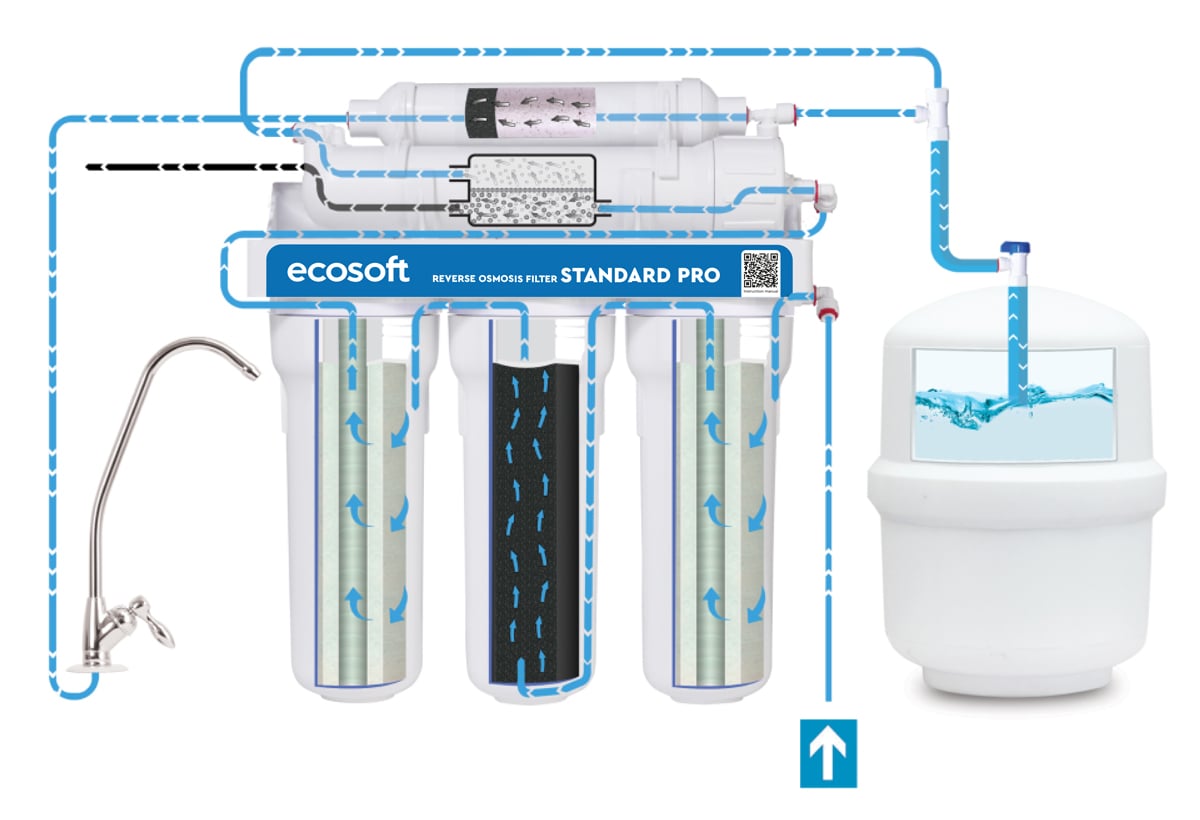
- Reverse osmosis systems — the most advanced filtration, removing up to 99.8% of all contaminants for premium drinking water.
2. Whole house filtration systems: installed at the point of entry
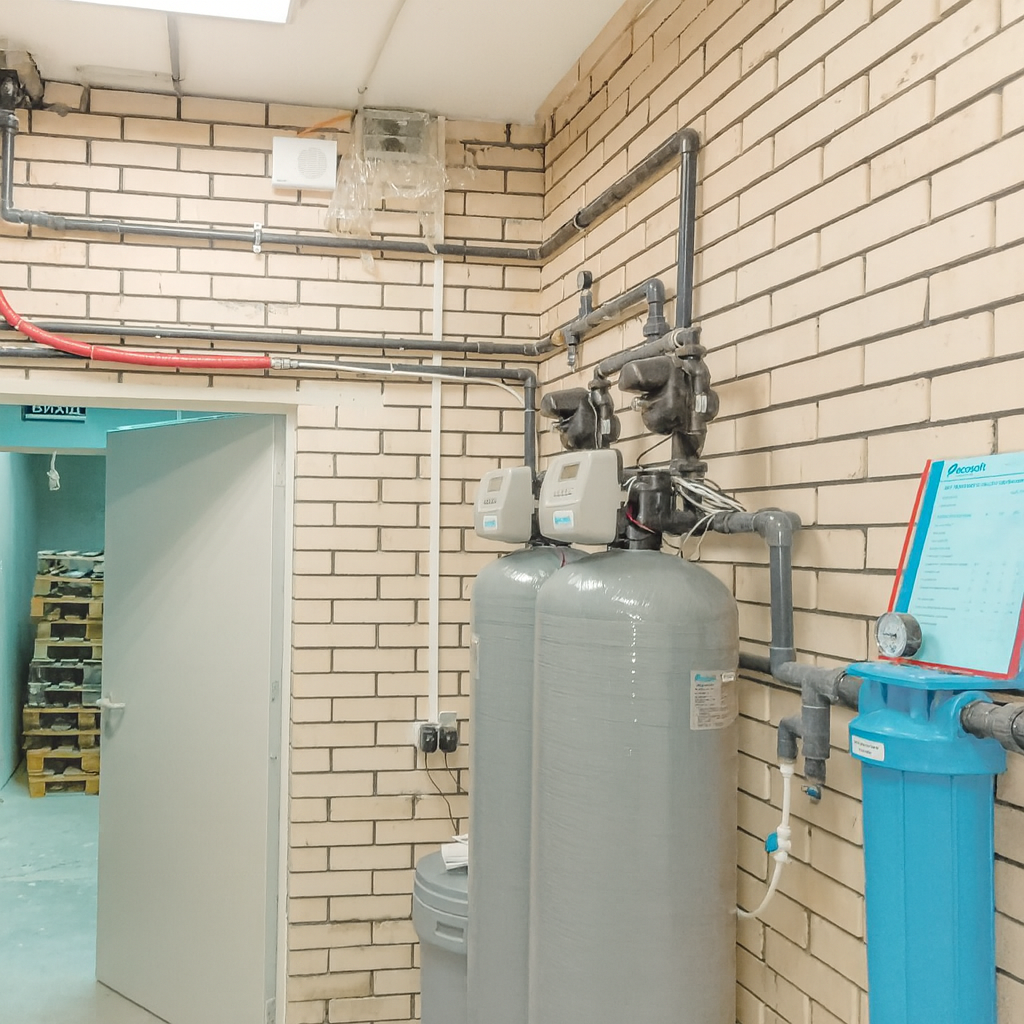
Designed for installation in the basement, utility room, or where the main water line enters the house - ensuring clean, safe water throughout your home.Treat all water used in the household — for showers, appliances, cleaning, and cooking.
Main types:
- Mechanical (sediment) filters — protect plumbing and appliances by removing sand, rust, and other particles.
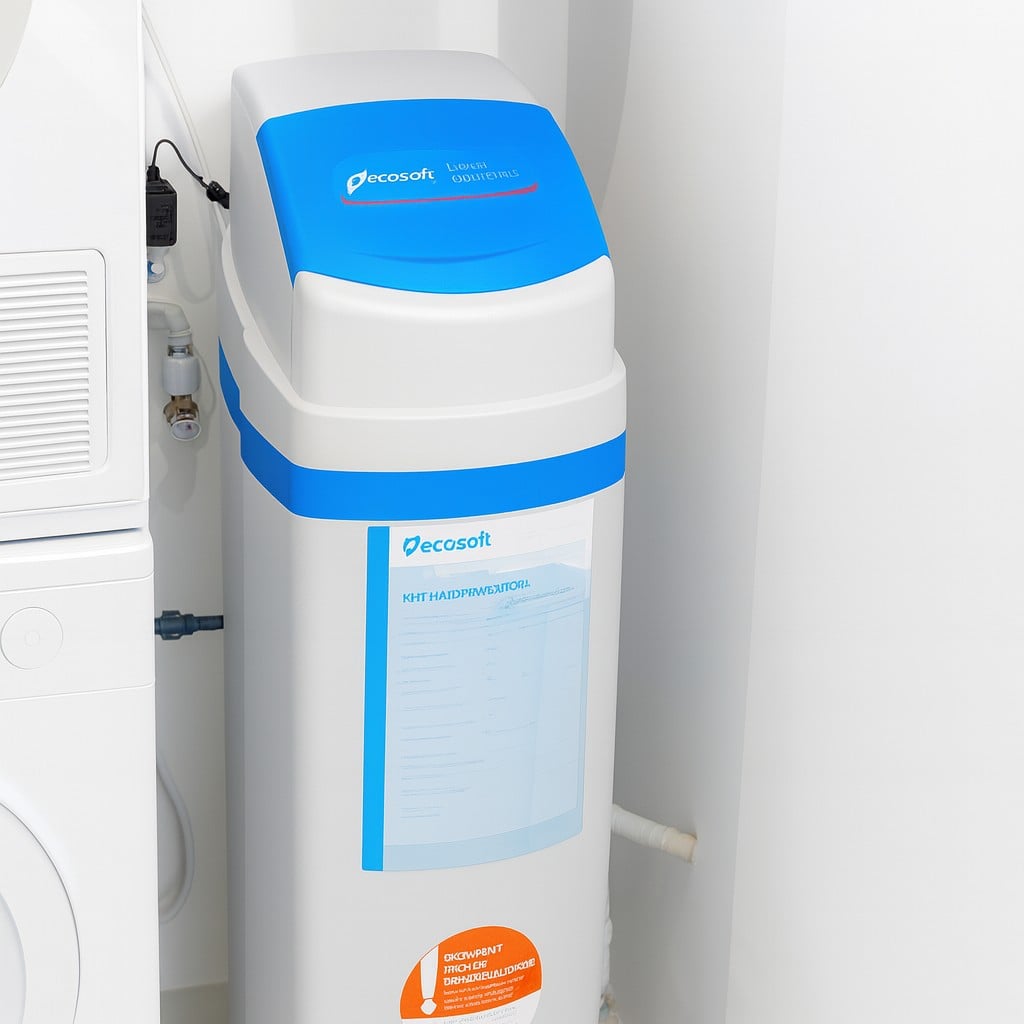
- Water softeners — prevent limescale and extend the life of appliances by removing hardness minerals.
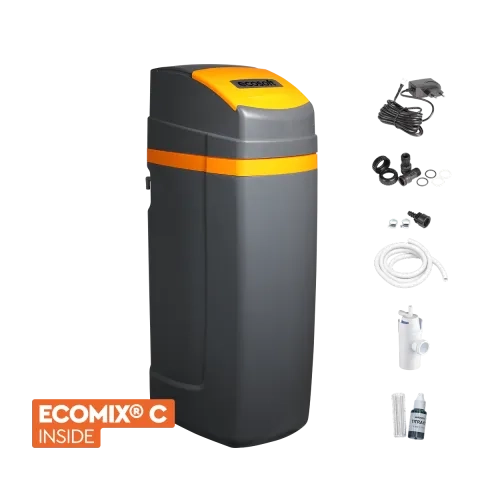
- Complex ECOMIX® filters — solve multiple issues (hardness, iron, manganese, ammonium, organics) in one system.
- Filter systems — target specific problems such as hydrogen sulfide, high turbidity, or iron.
Tip: Already have an idea of what you're looking for? Feel free to skip ahead to {our solutions}. Or take your time to explore the pros, cons, and ideal use cases for each option.

Drinking water filters: jug, 3-stage, or reverse osmosis?
Drinking water filters are installed at the point of use — usually in the kitchen — and are designed to improve the quality and taste of water for drinking and cooking.
They differ in complexity, performance, and maintenance requirements.
Water filter jugs
The most affordable and portable solution.
Inside the jug, a replaceable cartridge filled with activated carbon and ion-exchange resin reduces chlorine, odour, and some heavy metals, as well as improves taste.
Best for: Apartments with relatively clean tap water where taste improvement is the main goal.
Maintenance: Cartridge replacement every 1–2 months.
3-stage under-sink filters
Installed under the kitchen sink with a dedicated drinking water tap.
Three separate cartridges remove sediments, reduce hardness, iron, chlorine-based organics, and polish water with a carbon block for better taste.
Best for: Homes with moderate contamination in municipal water.
Maintenance: Cartridge replacement and housing cleaning every 3–6 months.
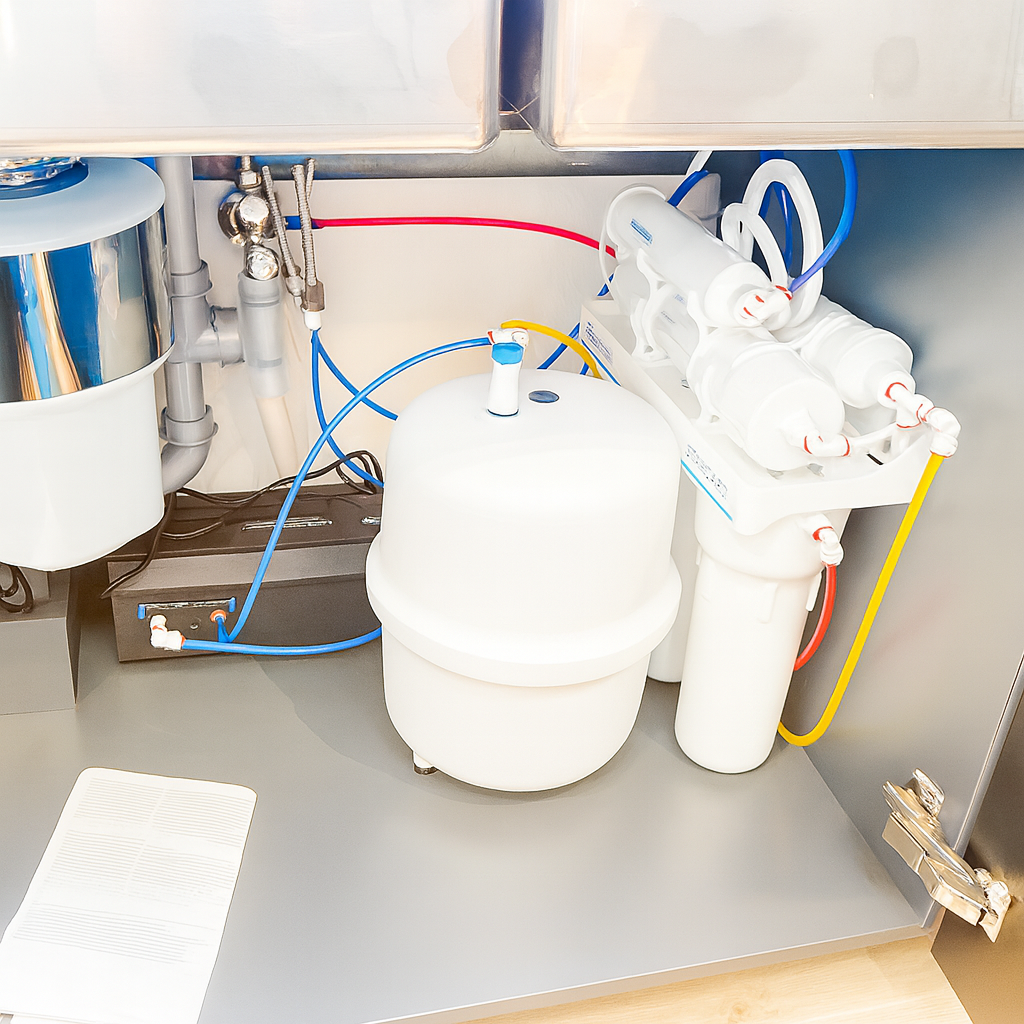
Reverse osmosis (RO) systems
The most advanced option for drinking water purification.
A semipermeable membrane removes up to 99.8% of all contaminants, including nitrates, heavy metals, viruses, and pesticides.
Best for: Any water source where maximum safety and purity are required.
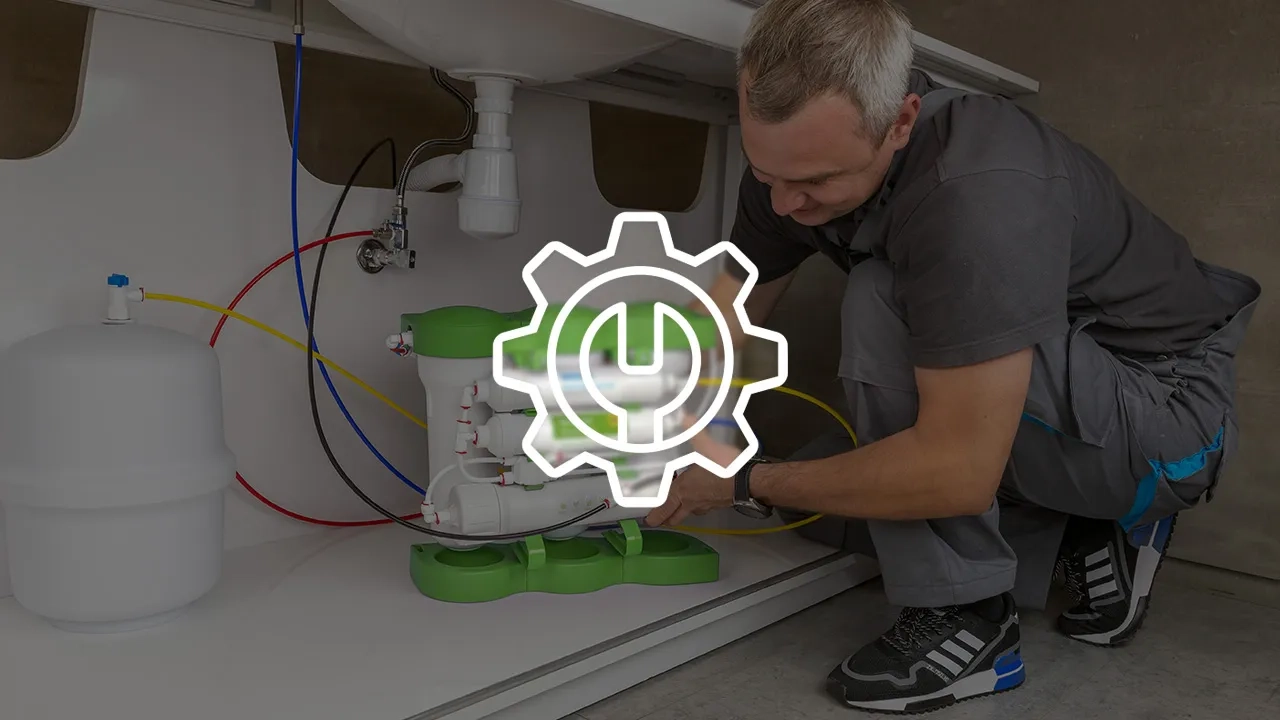
Many homeowners ask how to change water filter at home. The process depends on the system — jugs need cartridge replacement every 1–2 months, under-sink filters every 3–6 months, and RO membranes once a year.
Whole house water filters — clean water in every tap
Whole house systems are installed at the point where water enters your home — typically in the basement, utility room, or near the well pump.
They protect plumbing, appliances, and improve water quality in showers, kitchens, and laundry.
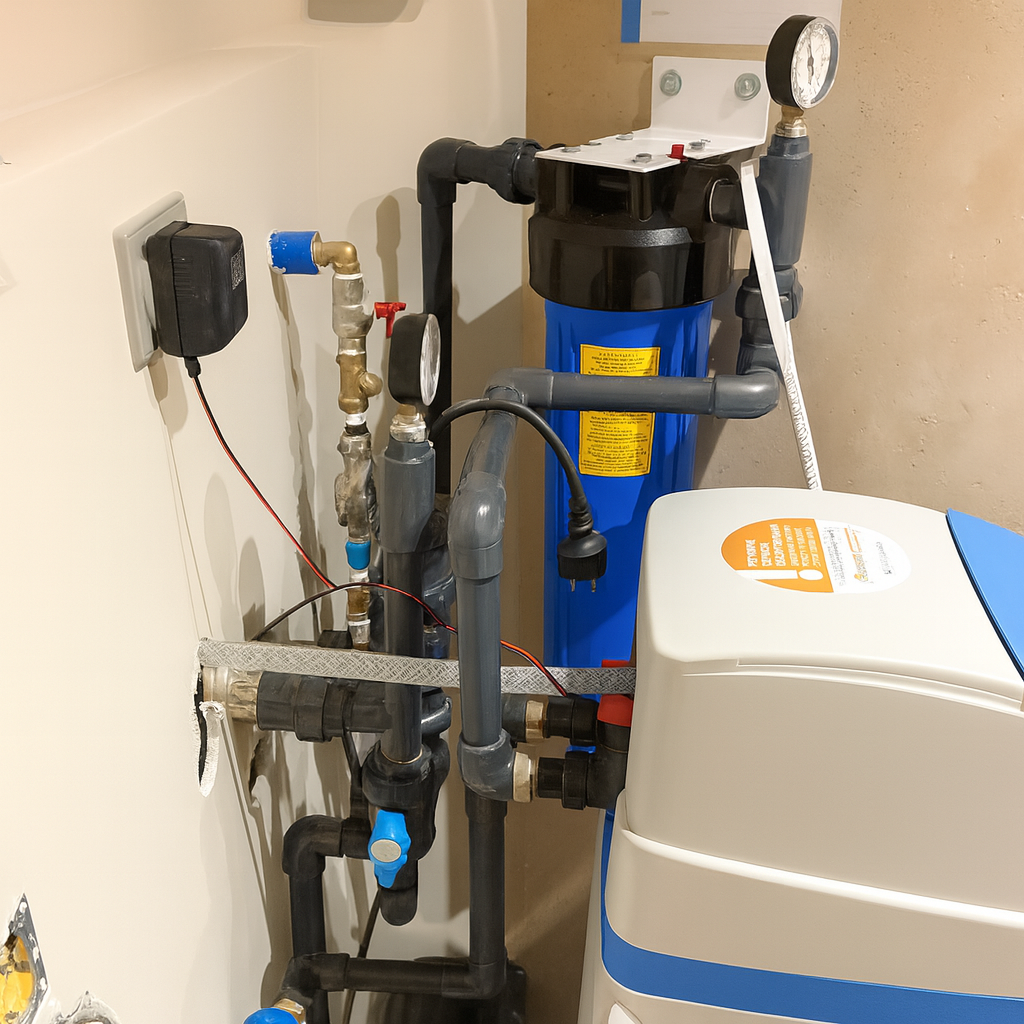
Mechanical (sediment) filters
Mechanical or sediment filters are designed to remove sand, rust, silt, clay, and other visible particles from water. They are the first stage of most filtration setups and are often installed at the point where water enters the home to protect downstream systems and plumbing from premature wear. This type of filter is suitable for any household and water source, as even water that looks clean can still contain suspended solids. To maintain performance, the filter cartridge or mesh should be cleaned or replaced every 1–3 months, depending on water quality and usage.
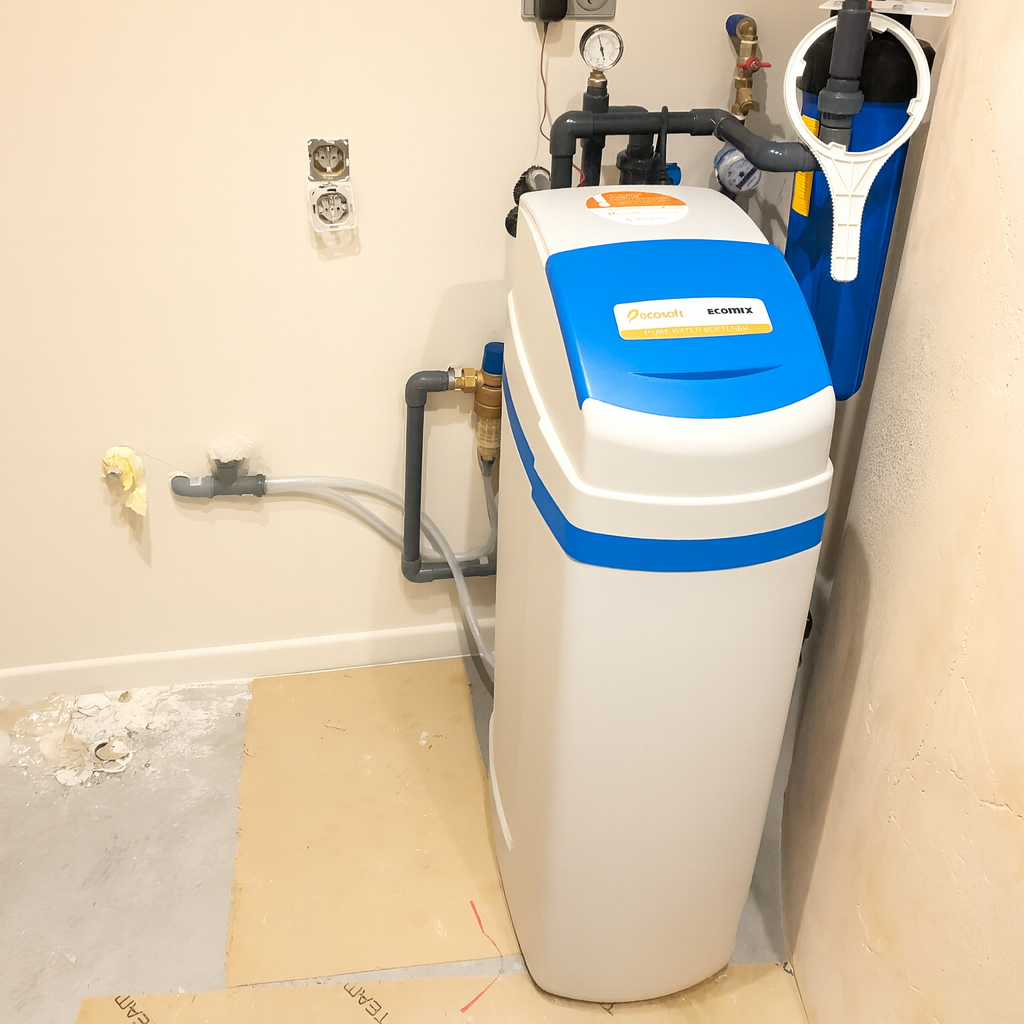
Water softeners
Water softeners target the main cause of scale buildup — hardness minerals such as calcium and magnesium. They work on the principle of ion exchange, replacing these minerals with sodium, which does not form hard deposits on heating elements, pipes, or household appliances. Softeners are particularly valuable in areas with hard water, where scale quickly damages boilers, washing machines, and faucets. Maintenance is minimal and involves periodically refilling the salt tank and checking the control valve to ensure consistent performance and a long service life.
Complex filtration systems (e.g., ECOMIX®)
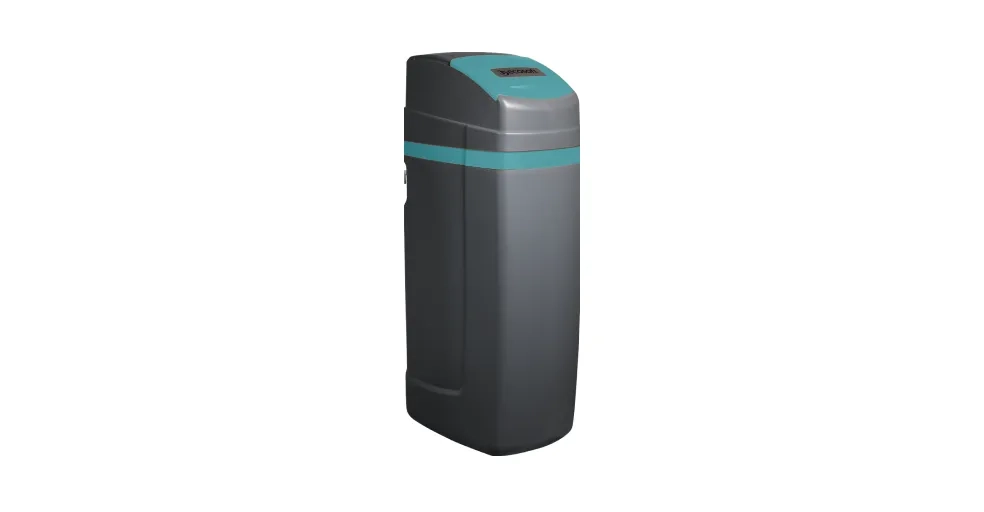
Multi-functional filtration systems with advanced media such as ECOMIX® can remove several types of contaminants in a single unit — including hardness, iron, manganese, ammonium, and organic matter. This makes them especially useful for private wells, where water quality often presents multiple challenges. Combining the capabilities of several filters in one tank saves space and simplifies maintenance. Regeneration is automated, requiring only occasional salt replenishment by the user.
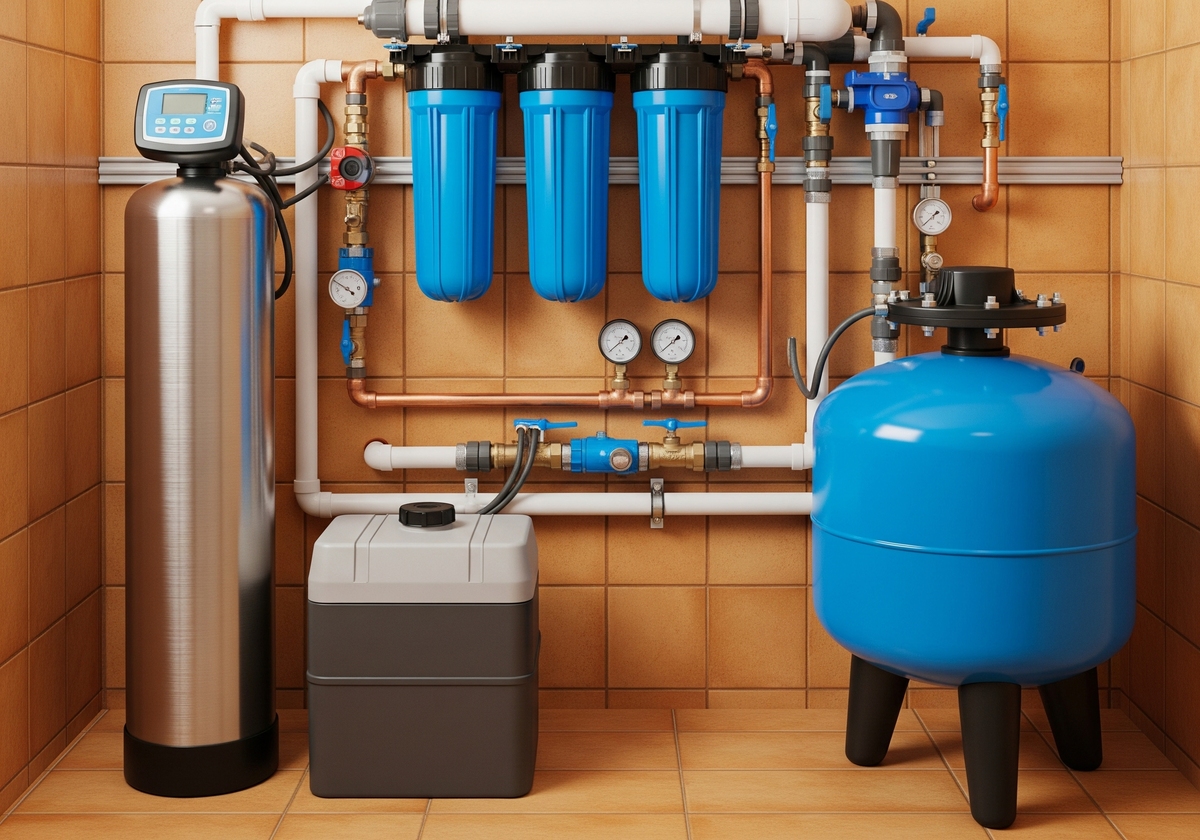
Anti-limescale filters
Anti-limescale filters do not reduce water hardness but prevent scale from forming on heating elements and internal components of appliances. They use food-grade reagents to alter the structure of hardness minerals so they remain in solution instead of precipitating out. This is an ideal choice for protecting washing machines, dishwashers, boilers, and water heaters when full-scale softening is unnecessary. Maintenance is straightforward — simply refill or replace the reagent as needed to maintain effectiveness.
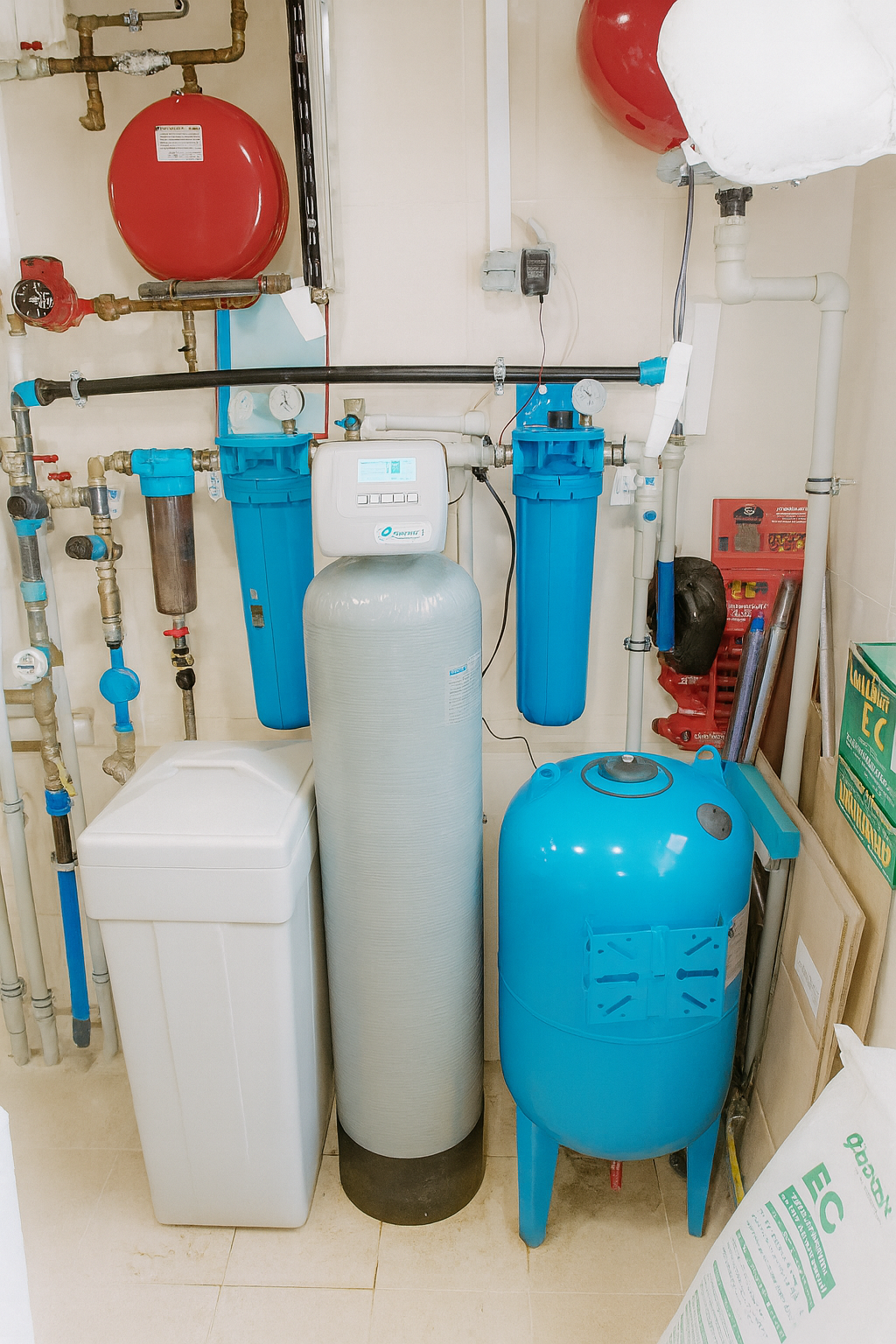
Column-type media filters
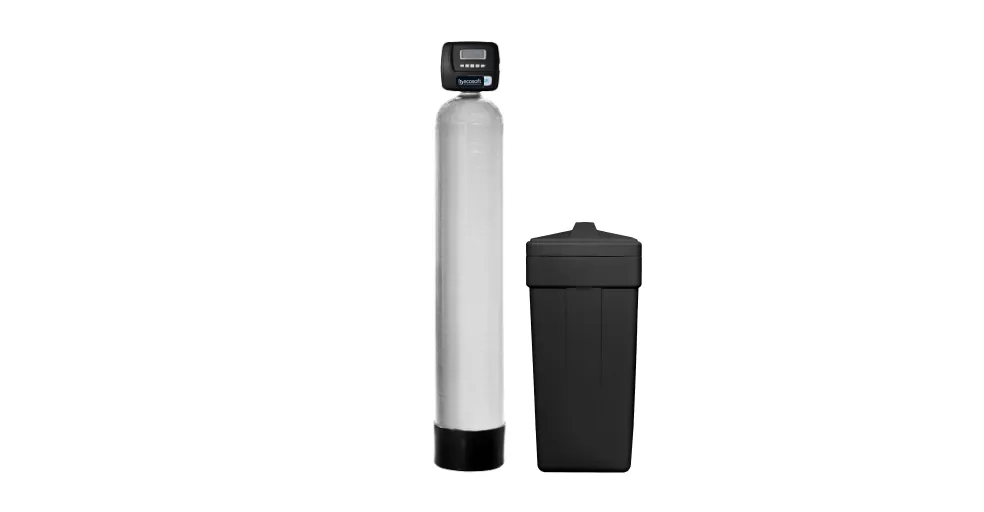
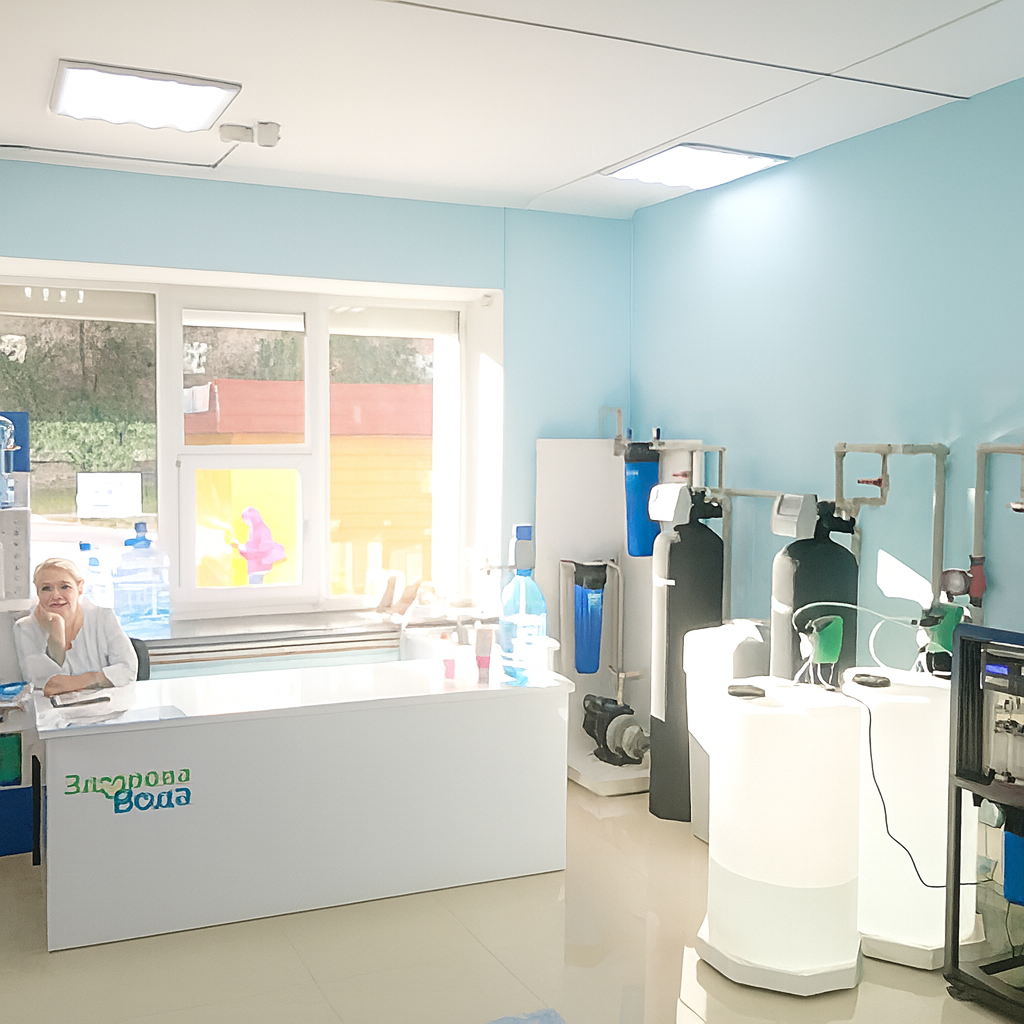
Column filters are large tanks filled with specialized filtration media designed to handle high water flow rates while removing turbidity, iron, and organic matter. They are especially effective for households with high water usage or significant well water contamination. The process is fully automated: once the media becomes saturated, the system performs a backwash cycle to restore performance without manual intervention. This makes them a robust, long-term solution for challenging water conditions.
A comprehensive water treatment solution for your home
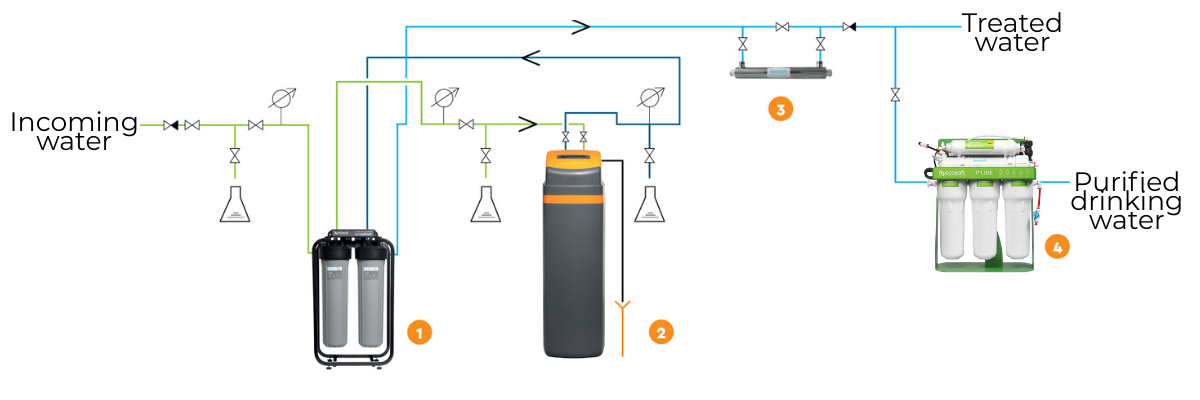
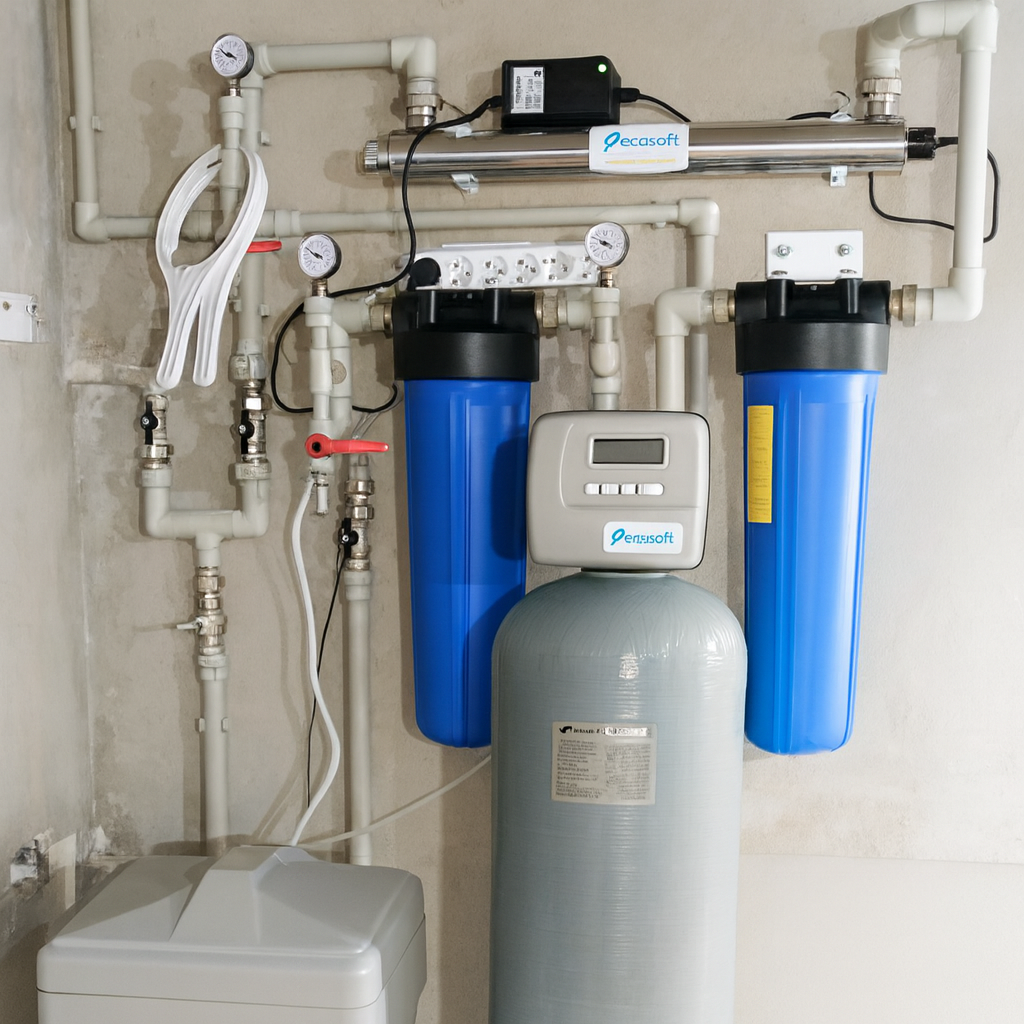
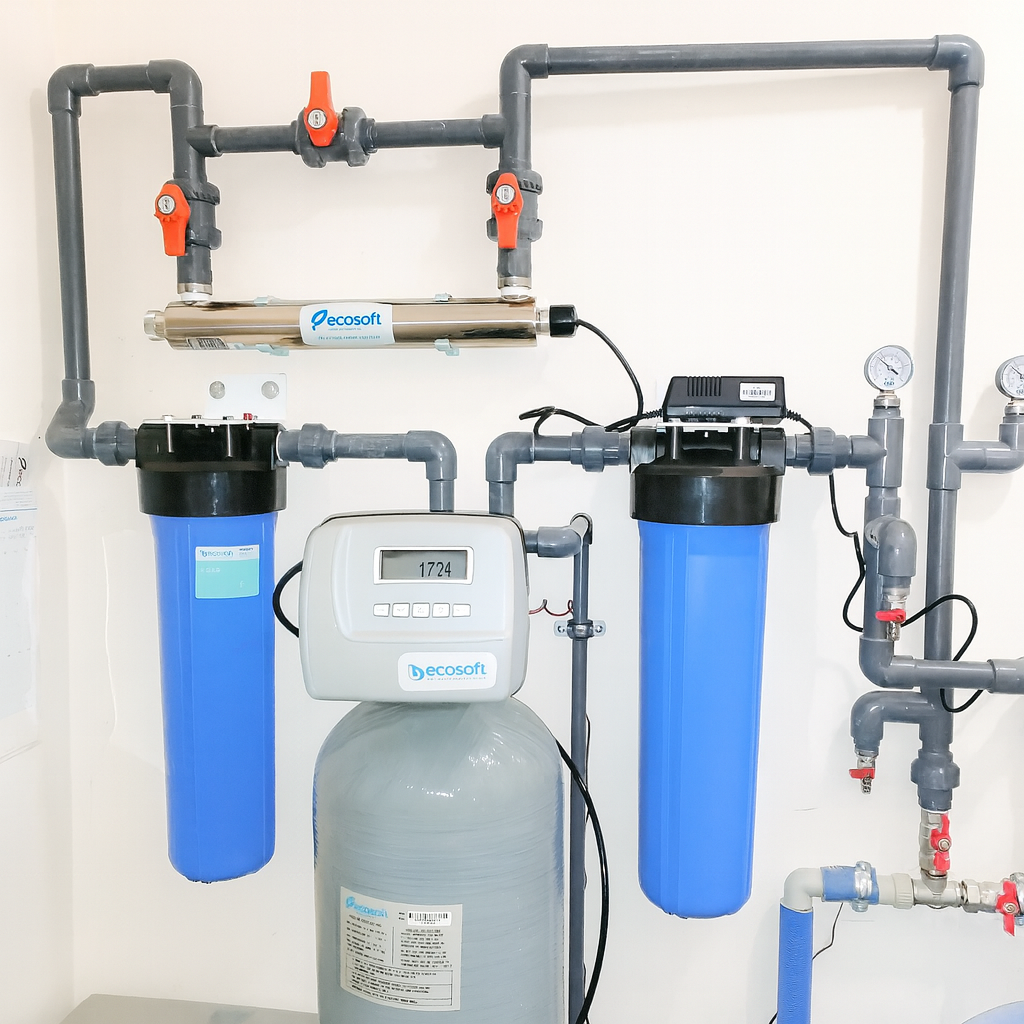
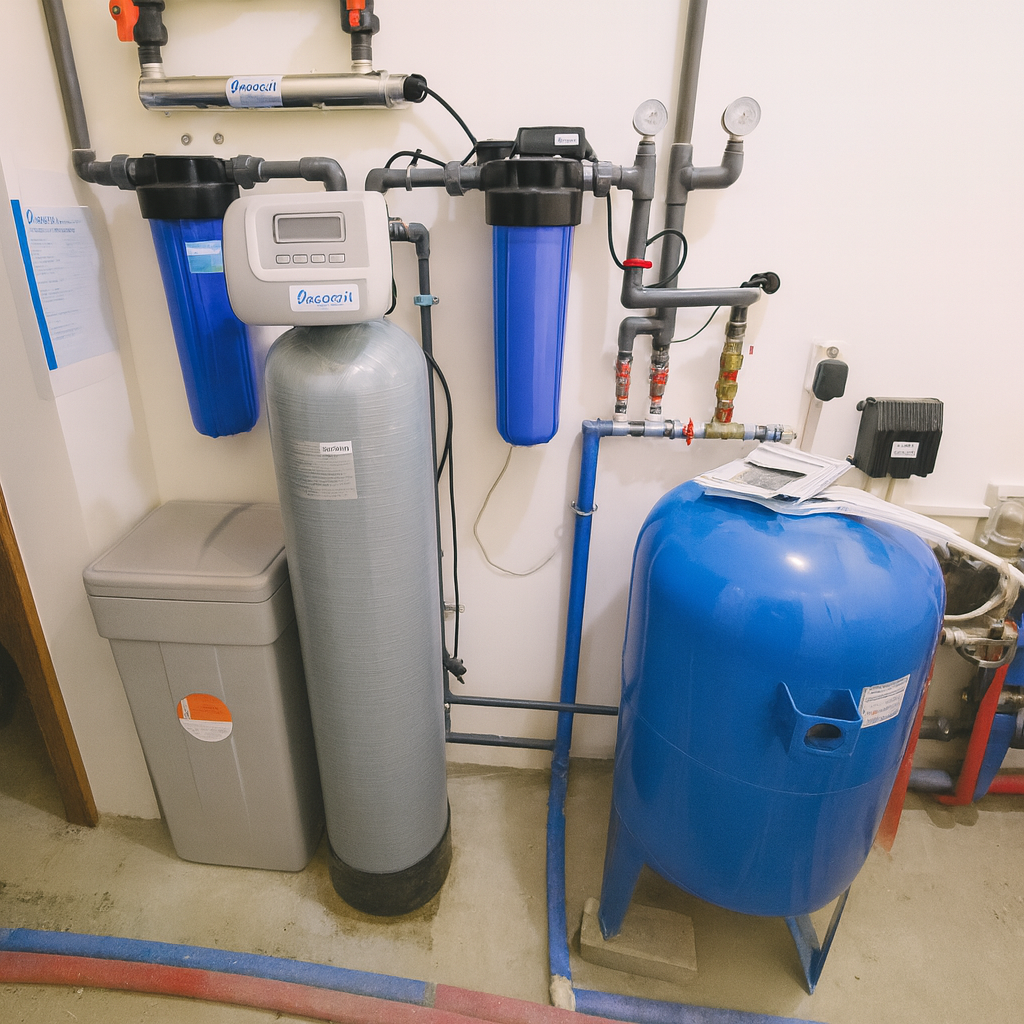
A complete home water treatment setup can combine several technologies to address different problems at once — from visible particles and unpleasant tastes to hidden contaminants and bacteria. While each household’s needs vary, the example below shows how an integrated Ecosoft system can deliver clean, safe water for both household use and drinking.
Stage 1 – Pre-filtration (Aquapoint)
Water first passes through a mechanical pre-filter that removes coarse and fine suspended particles like sand, clay, and rust. This step protects downstream equipment and improves the performance of all following filters.
Stage 2 – Multi-purpose filtration (ECOMIX® softener)
Next, a compact ECOMIX® softener removes multiple issues in one tank — including iron, manganese, ammonium, natural organics, and hardness salts that cause scale. Regeneration is automated, requiring minimal user effort.
Stage 3 – Disinfection (UV sterilizer)
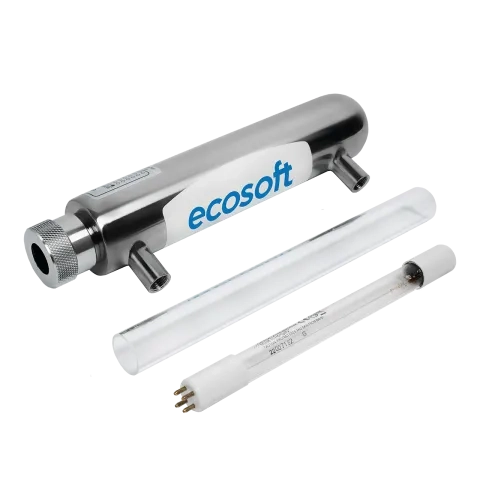
The UV sterilizer neutralizes microorganisms and bacteria, ensuring microbiological safety for every tap in the house — an essential step for private wells.
Stage 4 – Drinking water purification (PURE Balance reverse osmosis)
Finally, a reverse osmosis system under the kitchen sink produces premium drinking water, removing up to 99.8% of contaminants such as nitrates, heavy metals, and chlorine.
This layered approach ensures the right treatment at the right stage — providing protection for your home’s plumbing and appliances, while also giving your family clean, great-tasting drinking water.
Use the wizard configurator to find your perfect water treatment setup.