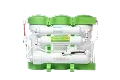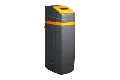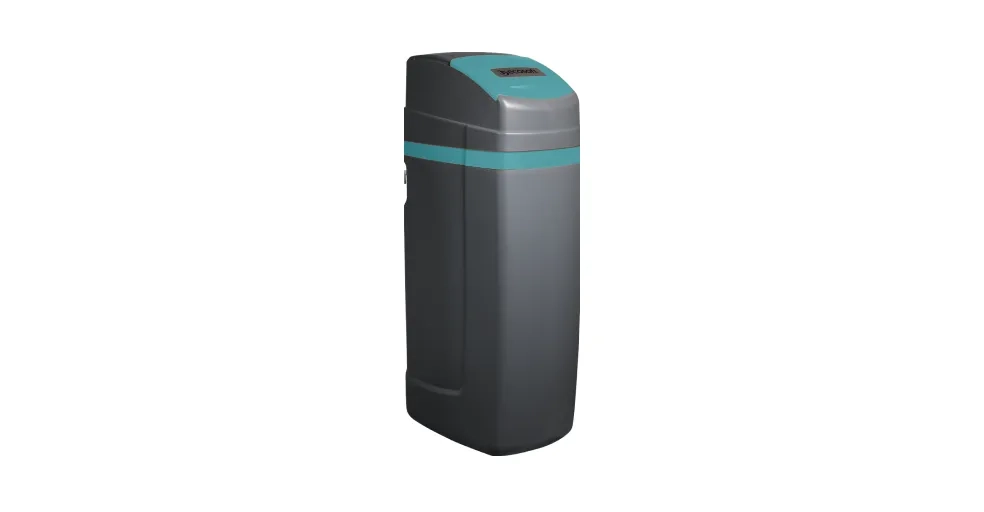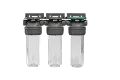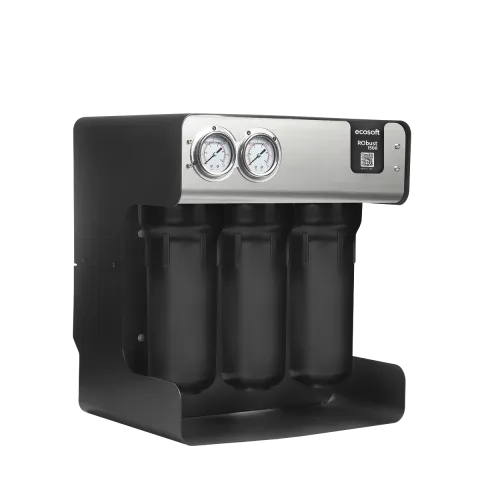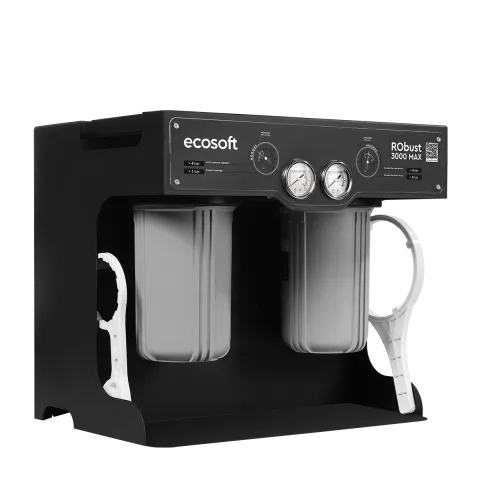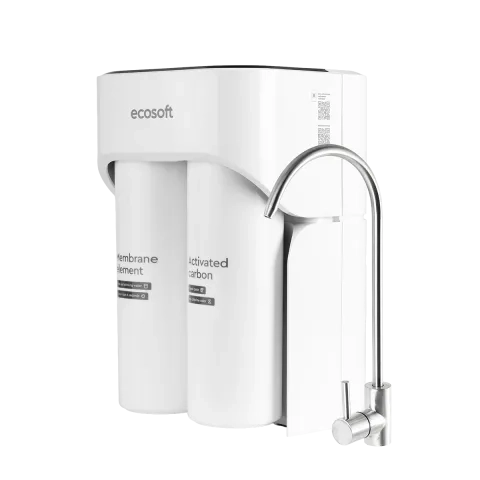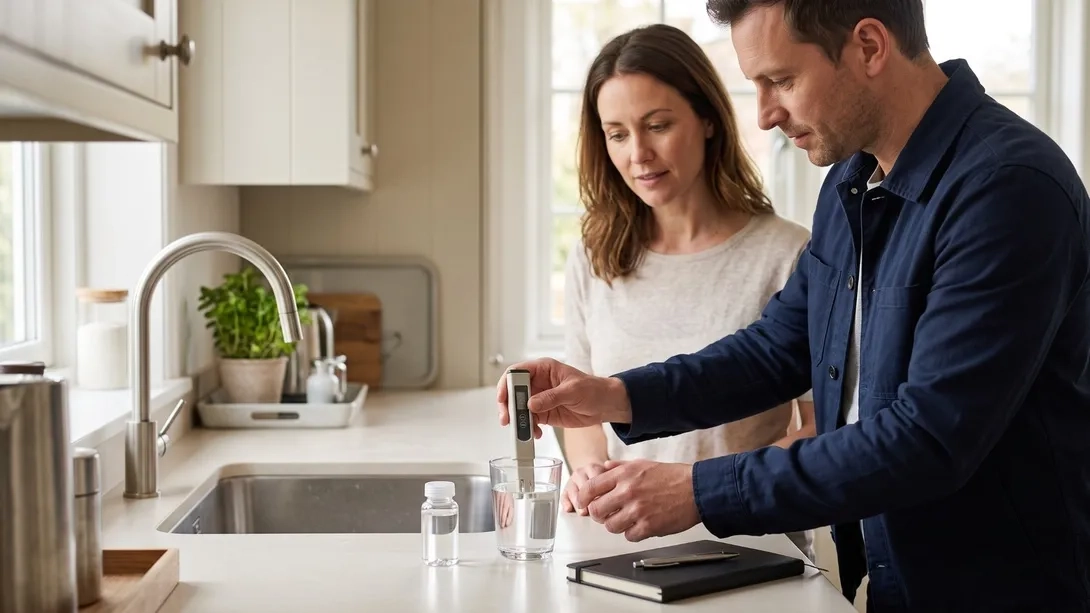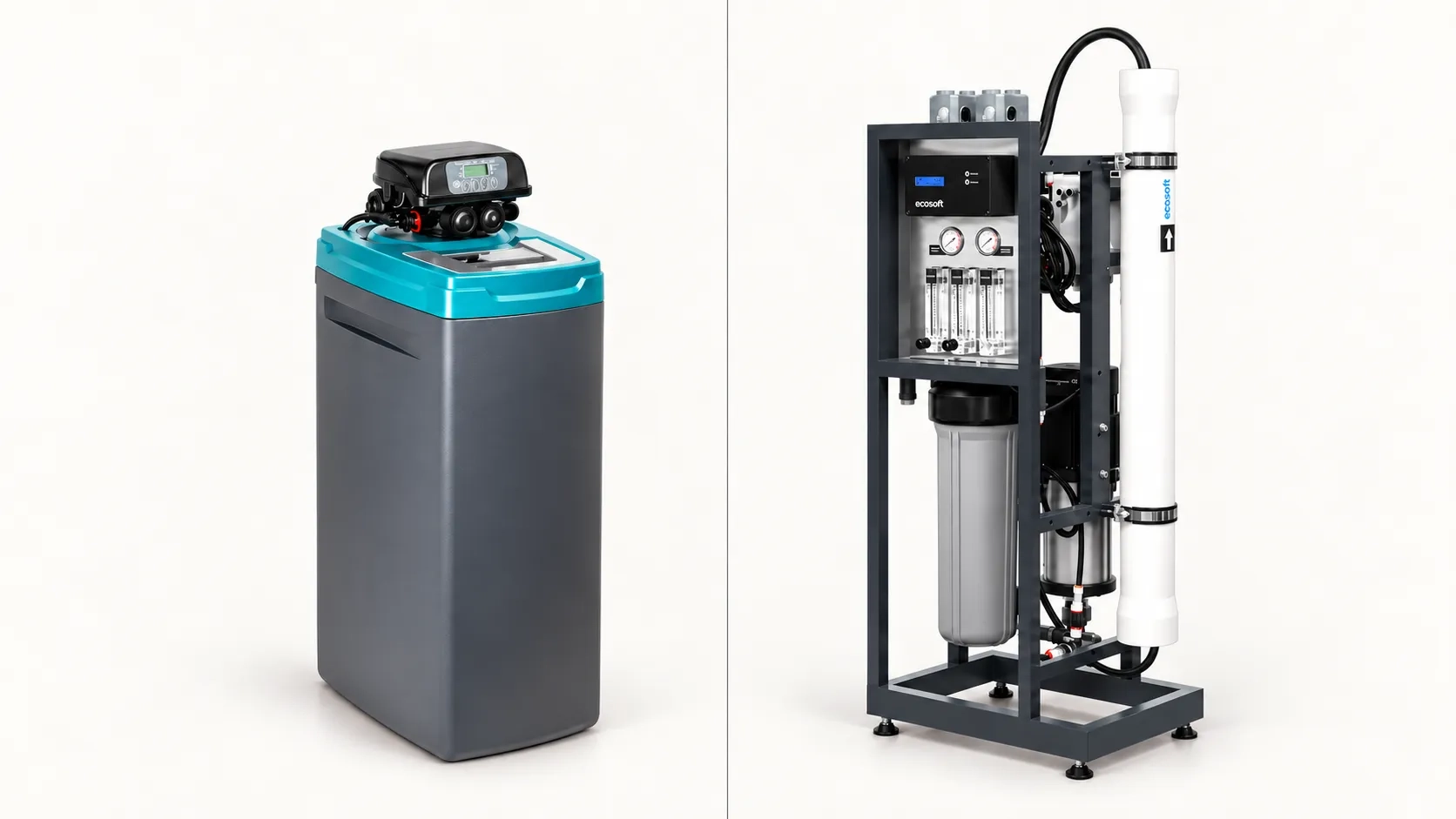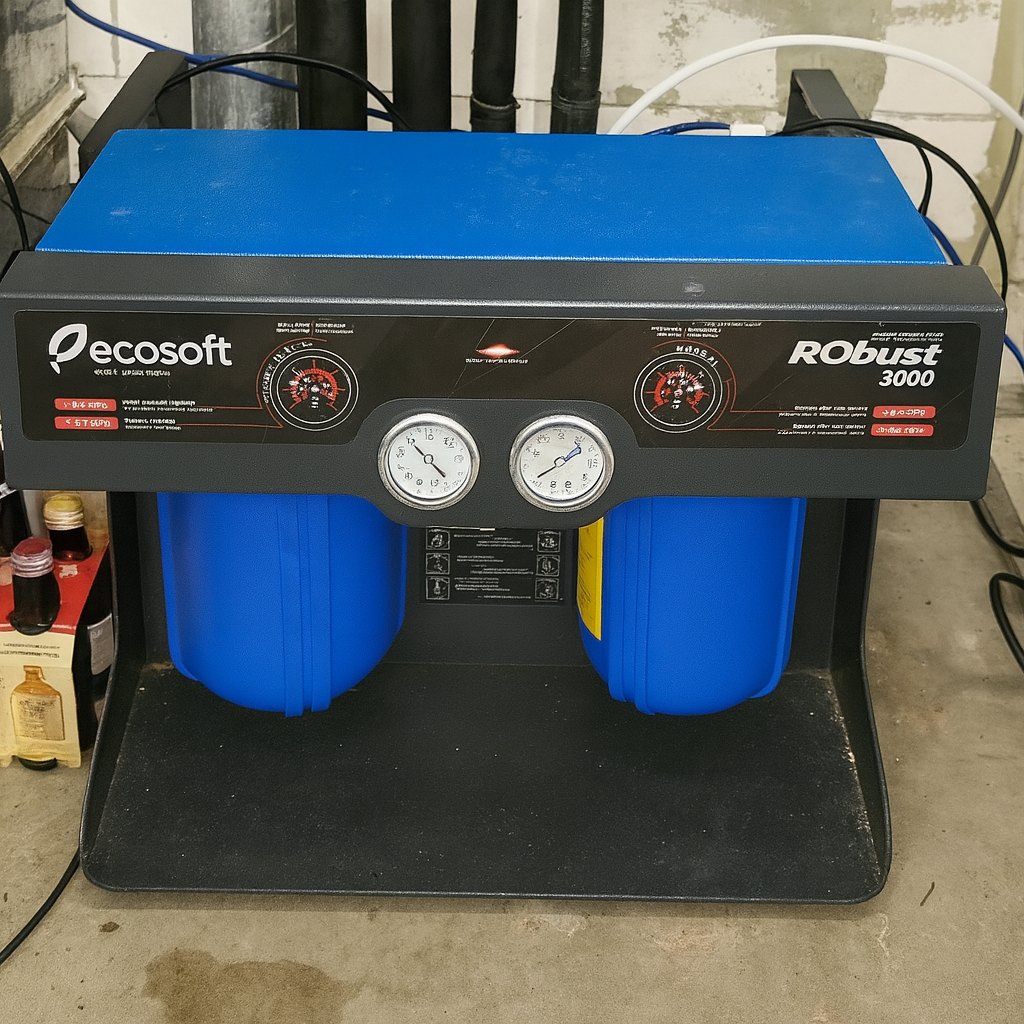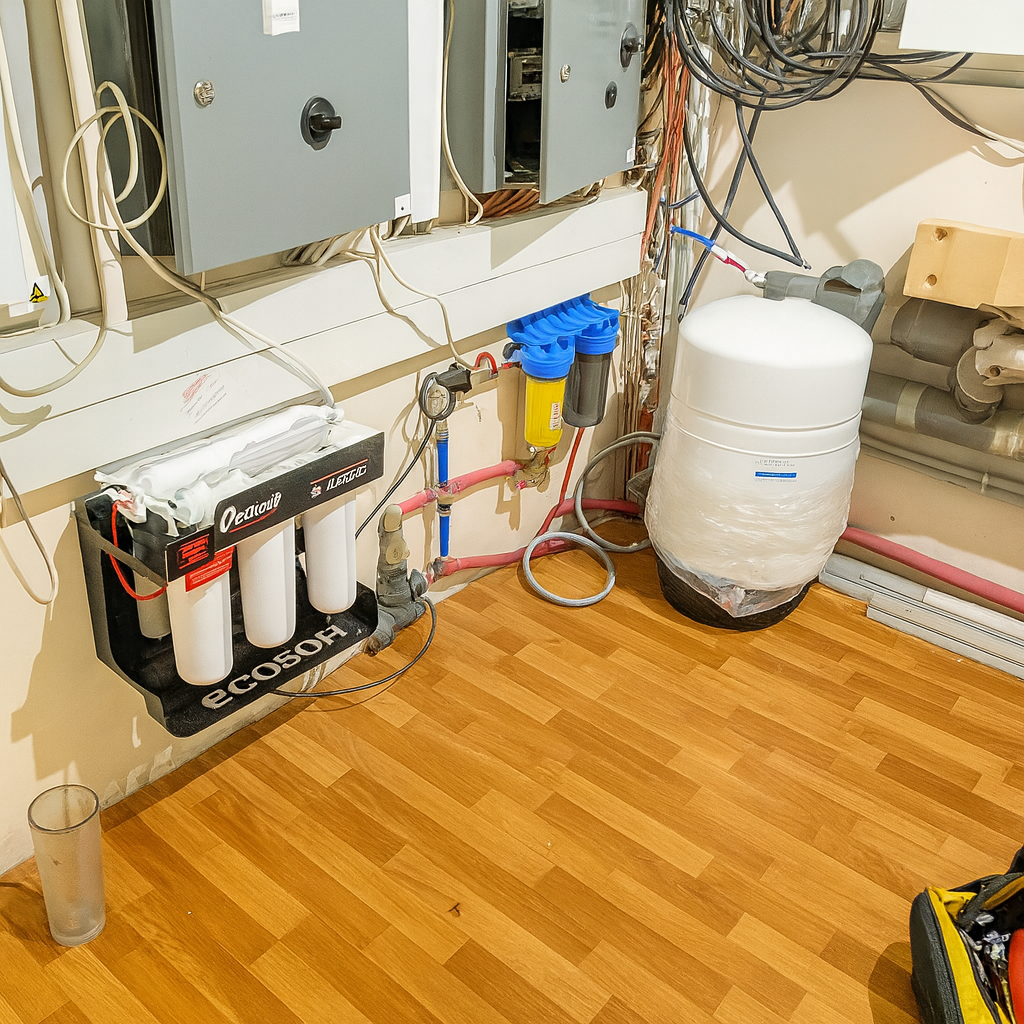

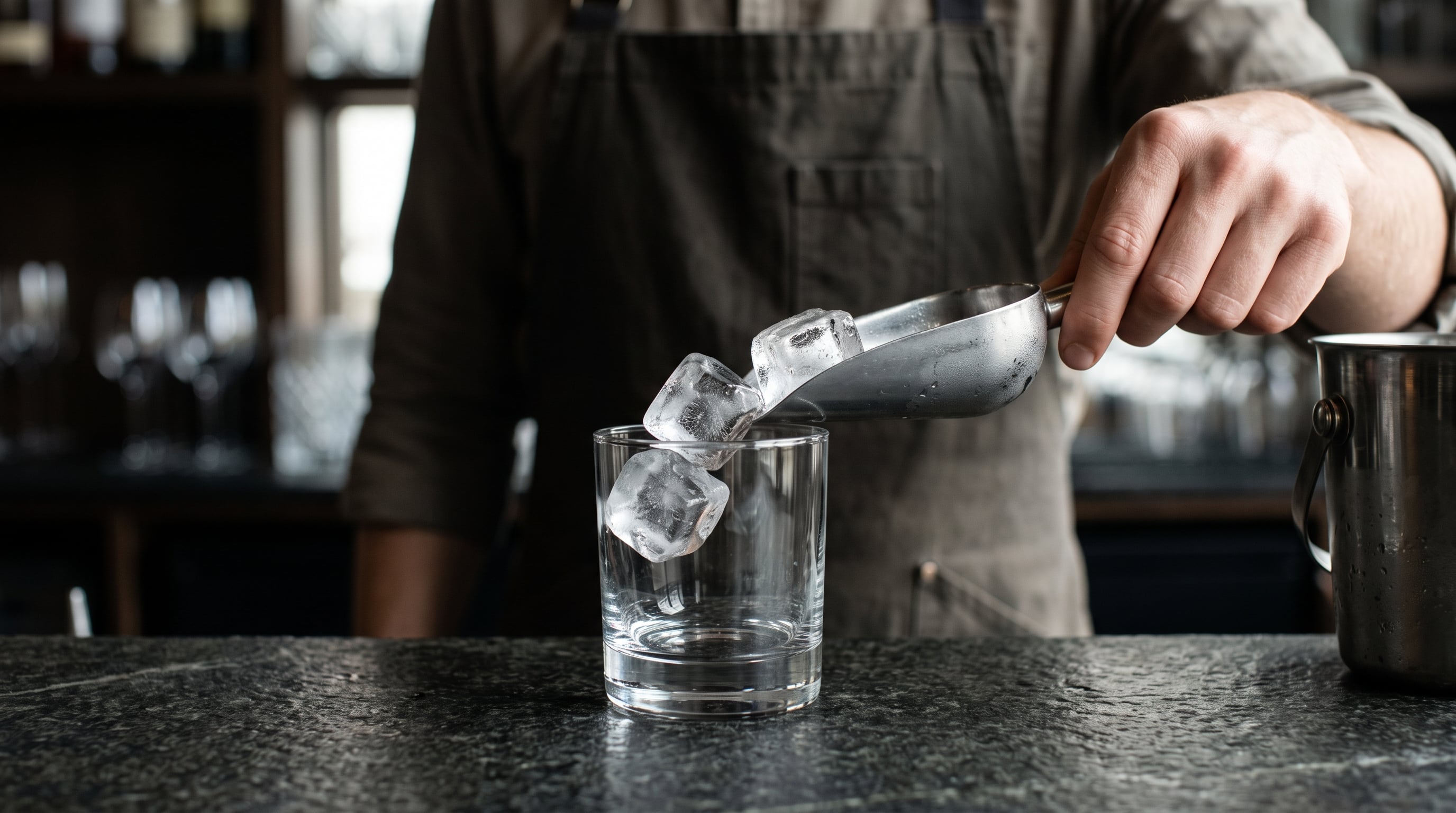
The best water treatment solution for the HoReCa sector is a reverse osmosis system, which provides the highest level of purification. RO water is perfect for high-end espresso machines, speciality coffee, and clear ice makers. It does not spoil meals and can be used for precise cleaning.
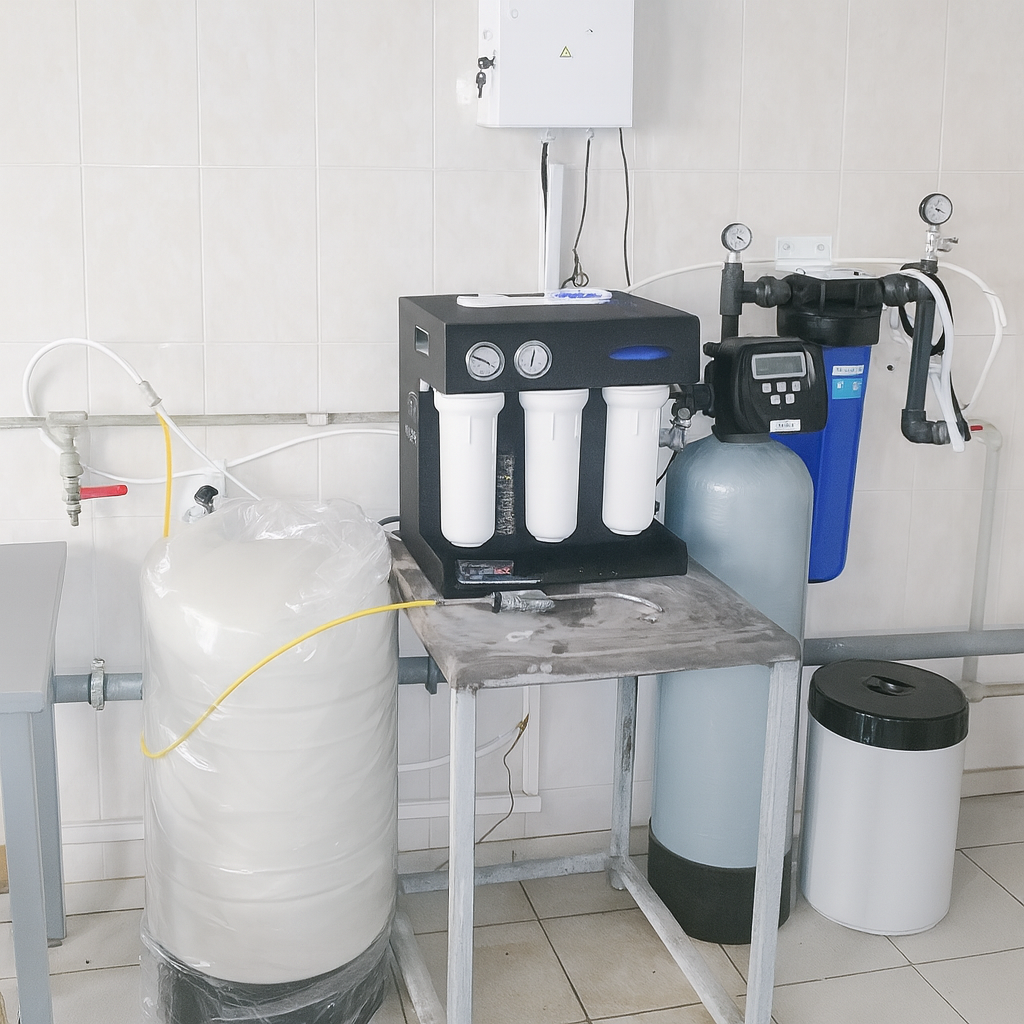
Additional filters like activated carbon remove bad tastes and odours. Water softeners with ion-exchange resin prevent scale buildup in equipment and kitchen appliances. Ecomix removes iron. All solutions can be used in HoReCa businesses.
Why Water Quality Matters in Restaurants and Cafes
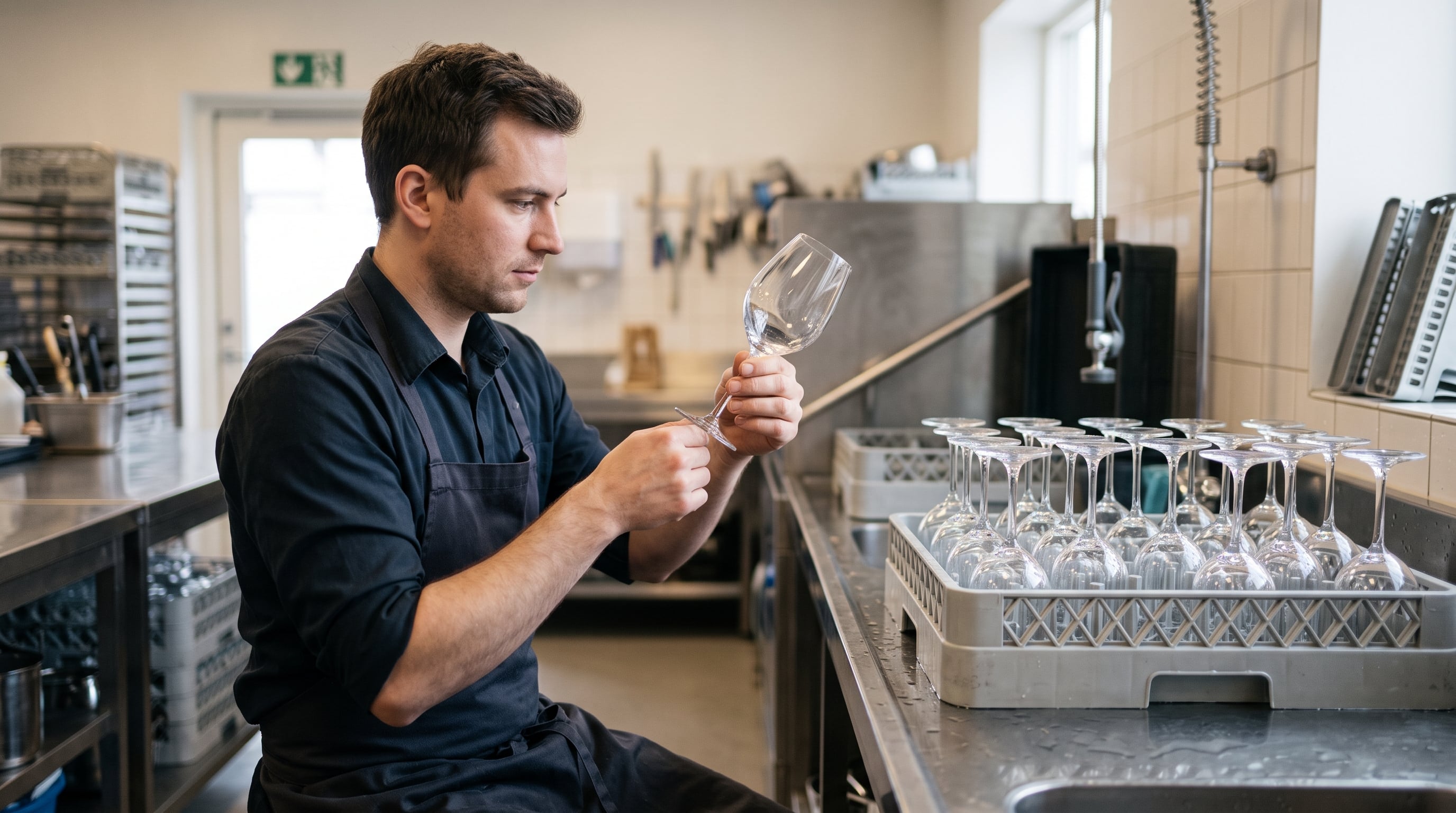
Water quality matters in restaurants and cafés because it dictates beverage and food taste, which affects business success. Water can cause damage to commercial kitchen appliances if it is enriched with calcium and magnesium, which build a harmful mineral scale. Both issues drive overall operational efficiency by decreasing sales and increasing expenses.
Focused on long-term goals, HoReCa companies prefer using sustainable water management systems to ensure the highest levels of water quality. This helps them maintain a consistent flavour profile, meet cooking standards, and build credibility by offering top-tier products. By treating water, they prevent equipment failures and reduce capital and operating costs.
Popular Water Purification Solutions for Food Service Businesses
The most popular water treatment solution for food service businesses is a direct flow reverse osmosis system. The technology allows the removal of over 99% of contaminants of various natures. Typically, the system includes additional filters, such as sediment and carbon filters, and a cartridge with ion-exchange resin for softening.
Ecosoft offers tankless, space-saving, and eco-friendly direct flow RO units elegantly designed for easy installation. Such systems are specifically developed to operate continuously for up to 20 hours and deliver clean water that meets Specialty Coffee Association standards. Our units are compatible with ice makers, dishwashers, and other appliances. They suit hospitality businesses with growing water needs, as they deliver a steady supply of purified water with potentially possible scaling.
Additionally, water softeners are always used if the water is enriched with calcium and magnesium. To prevent limescale deposits on surfaces contacting water, it is crucial to remove the hardness. If an RO system does not include a cartridge with an ion-exchange resin, a softener can be installed at the point of entry. Also, a reverse osmosis station can be installed at the point of use.
How to Choose the Right System
You should consider both capability and design to choose the right solution. Direct flow RO systems are needed if you want to provide a consistent taste in every cup. Tankless units save space and fit under almost any counter. Being so compact, they ensure stable and high performance, guaranteeing premium water quality.
Ecosoft water treatment systems reach the TDS levels required by the SCA. You cannot entirely remove minerals because an optimal balance of calcium and magnesium improves coffee tastes. When choosing, please note that such modifications are designed to treat cold water only.
If you need purified hot water for cleaning, dishwashing, and other technical purposes, you should consider an alternative solution. For instance, Ecosoft RObust 4000 ensures spotless dishwashing results and protects equipment from scale. Due to the direct flow of this reverse osmosis station, water becomes available immediately.
When selecting, consider the number of purification stages, flow capacity, water waste, feed water pressure, power consumption, and source water requirements. All this information is available on a product page. A particularly important parameter is the recovery rate, which should be as high as possible to ensure less water waste and lower operating expenses.
Key Factors: Capacity, Maintenance, and Cost
To sum up, when choosing you should consider three factors:
- Capacity. The parameter shows daily water production in gallons per day (GPD) or liters per hour (a flow rate or flow capacity). Also, you should pay attention to the volume of the storage tank. Compare this technical information with your household size and peak use times.
- Maintenance. Ensure that your maintenance expenses are moderate. Evaluate part availability and service complexity, consider unexpected repair bills, and find out the manufacturer’s requirements to meet and keep operations running smoothly.
- Cost efficiency. Choose a unit that allows you to get the highest performance and longest useful life for the lowest total money spent.
Do not forget about source water requirements, as if you do not match a unit with your local water, you will not get proper water purification.
Conclusions
To achieve premium water quality in the HoReCa sector, we recommend using reverse osmosis systems. Particularly, direct flow units, which do not store treated water in tanks but purify it on demand and send it directly to consumers, are beneficial. To choose them, you can compare the key parameters with your real-life conditions and requirements. Or simply, you can reach out to our support team to get a free selection guide. Our catalogue features solutions that will handle even challenging tap water.